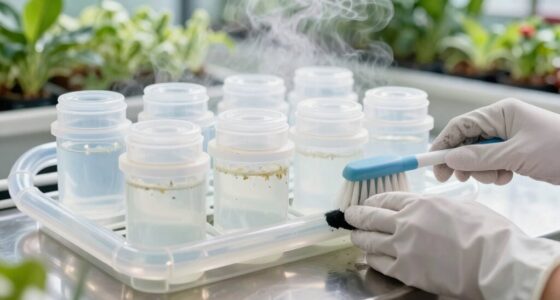
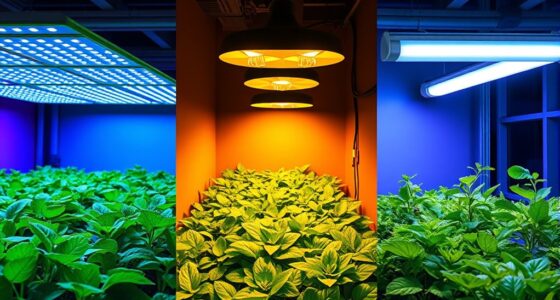
To sanitize your system smartly, consider using UV light, ozone, or hydrogen peroxide. UV destroys microorganisms by damaging their DNA quickly and without chemicals, while ozone acts as a powerful oxidizer that reaches tricky spots and kills germs effectively. Hydrogen peroxide releases reactive oxygen species that eliminate microbes safely and leave no harmful residues. Combining these methods can enhance sanitation quality, helping you guarantee a safe, clean environment—discover how to optimize these options for your needs.

Get the little things that make your day delivered free with Prime
- Fast, free delivery on millions of items
- Prime Video, Amazon Music and more included
- Member-only deals all year
Key Takeaways
- Combining UV, ozone, and H2O2 can enhance overall sanitation effectiveness for comprehensive system sterilization.
- Select methods based on system sensitivity, safety considerations, and environmental impact for optimal results.
- UV light offers rapid, chemical-free sterilization suitable for sensitive environments and simple operation.
- Ozone effectively reaches hard-to-clean areas but requires proper ventilation due to inhalation risks.
- Hydrogen peroxide provides thorough sterilization with minimal residues, ideal for delicate equipment and long-term safety.

Have you ever wondered how clean your system truly is? It’s a valid question, especially when you consider the importance of maintaining a healthy environment, whether it’s in a water treatment setup, an air purification system, or even in medical equipment. Traditional cleaning methods often fall short of eliminating all pathogens, which is why many people are turning to advanced sanitizing techniques like UV light, ozone, or hydrogen peroxide (H2O2). These methods offer smarter, more effective ways to ensure your system isn’t just visibly clean but truly sanitized at a microbial level.
UV sanitation uses ultraviolet light to destroy the DNA of bacteria, viruses, and other microorganisms. When UV light penetrates their cells, it disrupts their genetic material, rendering them incapable of reproduction and active infection. It’s fast, chemical-free, and leaves no residue, making it ideal for sensitive environments. Plus, UV systems are easy to operate and maintain, providing a reliable way to keep your system sterile without introducing harmful chemicals.
Ozone offers another powerful sanitizing option. This naturally occurring gas is a strong oxidizer that attacks cell walls of microorganisms, disrupting their structure and killing them effectively. Ozone’s advantage lies in its ability to reach nooks and crannies that conventional disinfectants might miss. When used correctly, ozone can eliminate bacteria, viruses, and fungi, improving overall system hygiene. You should, however, be cautious, as ozone can be harmful if inhaled in high concentrations, so proper ventilation and safety protocols are essential during its application.
Hydrogen peroxide, particularly in its vapor or mist form, is also gaining popularity for sanitizing systems. It works by releasing reactive oxygen species that damage cellular components of microorganisms. H2O2 is non-toxic and breaks down into water and oxygen, leaving no harmful residues behind. It’s especially useful for sanitizing delicate equipment or environments where chemical residues are a concern. When properly applied, hydrogen peroxide can achieve high levels of sterilization quickly and safely.
All three methods—UV, ozone, and hydrogen peroxide—represent smarter choices for sanitizing your system because they are effective, environmentally friendly, and often faster than traditional chemical disinfectants. They also minimize chemical exposure and reduce the risk of resistant microbes developing. Depending on your specific needs and system design, combining these methods can provide an even higher level of sanitation. The key is understanding your system’s requirements and choosing the method that offers the most thorough, safe, and efficient cleaning. In doing so, you’re not just cleaning your system—you’re actively protecting your health and ensuring ideal performance for the long term.
Products Worth Considering

EGO Power+ 16 Cordless Chainsaw (CS1611) with 56V 2.5Ah Battery and Charger

Husqvarna Automower 550 Commercial Robotic Lawn Mower

EGO Power+ LB8803-2 Cordless Leaf Blower with Two Batteries
As an affiliate, we earn on qualifying purchases.
Frequently Asked Questions
How Often Should I Sanitize My System Using UV, Ozone, or H2O2?
You should sanitize your system every three to six months to keep it clean and safe. If you notice odors, reduced performance, or signs of buildup, consider sanitizing more frequently. Regular cleaning prevents bacteria and mold from developing, ensuring peak operation and safety. Always follow the manufacturer’s instructions for your specific system, and adjust the schedule if you use the system heavily or in a high-risk environment.
Are There Safety Risks Associated With Using Ozone for System Sanitization?
Oh, absolutely, ozone is the superhero of sanitization—until it becomes the villain. Yes, there are safety risks, like respiratory irritation or headaches if you breathe in too much. It’s like inviting a sneaky villain into your home; you don’t see the danger until it’s too late. Always guarantee proper ventilation and follow manufacturer instructions, or risk turning your clean system into a health hazard.
Can I Combine UV, Ozone, and H2O2 for More Effective Sanitization?
You can combine UV, ozone, and H2O2 for enhanced sanitization, but you should do so carefully. Make sure each method is compatible and won’t produce harmful byproducts when used together. Follow manufacturer instructions and safety guidelines to prevent risks like respiratory irritation or material damage. It’s best to consult a professional to design a safe, effective system that leverages all three methods without compromising safety.
What Maintenance Is Required After Sanitizing With These Methods?
After sanitizing, you should inspect and clean your system to guarantee no residues or buildup remain. Regularly check filters, seals, and connections, replacing any worn parts to keep everything running smoothly. It’s also wise to monitor for any unusual odors or leaks. Consistent maintenance not only preserves your system’s longevity but also guarantees its peak performance, allowing you to enjoy peace of mind and a healthier environment.
How Do I Choose the Best Sanitization Method for My System?
To select the most suitable sanitization method for your system, consider your specific needs, budget, and system compatibility. Think about how thorough the sanitation needs to be, whether you prefer chemical-free options, and the ease of maintenance. Research each method’s effectiveness, safety, and environmental impact. Consulting with a professional can also help you make an informed choice that guarantees ideal system hygiene and longevity.
Conclusion
By choosing the right sanitizing method—whether UV, ozone, or H2O2—you’re like a skilled gardener tending to delicate plants, ensuring your system stays healthy and vibrant. Each option acts as a shield against harmful microbes, keeping your environment safe and clean. Remember, regular maintenance is your best defense, so stay vigilant. With the right approach, you’re not just cleaning—you’re nurturing a resilient, spotless system that’s as reliable as the rising sun.