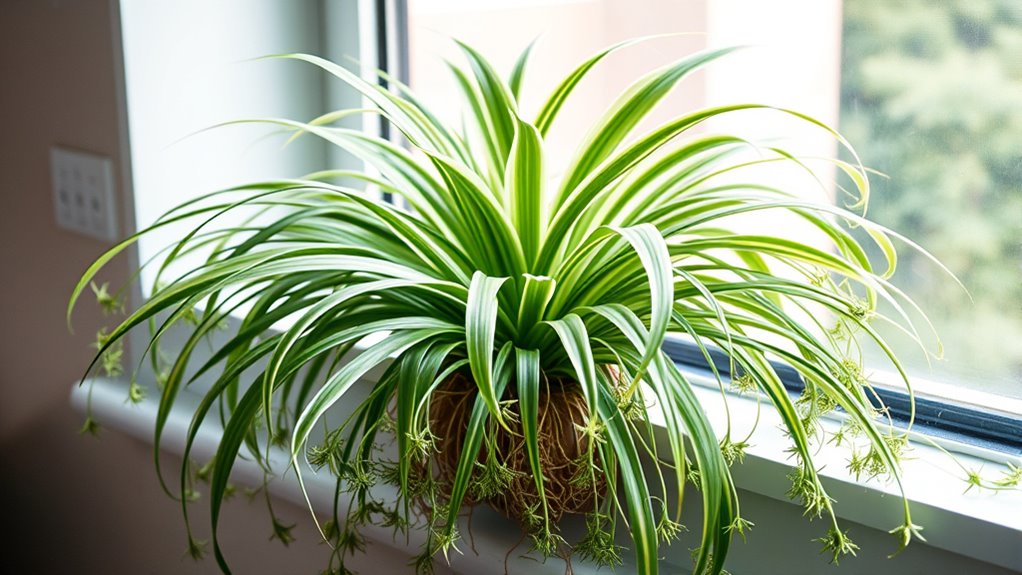

To successfully grow Chlorophytum (spider plants), keep them in bright, indirect light and water when the top inch of soil feels dry, avoiding soggy conditions. Regularly mist to maintain humidity and prevent pests like spider mites and mealybugs. Manage your plant’s babies—spiderettes—by allowing them to root while attached or cutting them for transplanting once roots develop. With simple care, you’ll transform your spider plant into a thriving, lush addition—discover more tips to master its care.

Get the little things that make your day delivered free — and shop member deals
- Fast, free delivery on millions of items
- Access to Prime Big Deal Days deals on October 6–7
- Prime Video, Amazon Music and more included
Key Takeaways
- Propagate spider plants easily by planting rooted spiderettes or dividing clumps to control size.
- Allow spiderettes to develop roots while still attached for stronger growth before transplanting.
- Maintain proper watering, humidity, and airflow to promote healthy growth and pest resistance.
- Regularly inspect and clean leaves to prevent pests like spider mites, mealybugs, and aphids.
- Treat pests promptly with insecticidal soap or neem oil to keep your Chlorophytum healthy and thriving.

Have you ever wondered why the spider plant is one of the most popular houseplants? It’s not just because of its striking, arching leaves and charming baby plantlets—it’s also because it’s incredibly easy to grow and care for. Whether you’re a beginner or an experienced gardener, understanding propagation methods and pest prevention can help you enjoy a thriving, healthy plant with minimal effort.
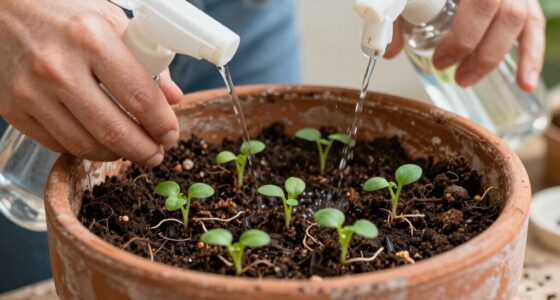
When it comes to propagation methods, the spider plant offers some of the simplest options. The most common way is by using the plantlets that dangle from the mother plant’s runners. These baby plants, or spiderettes, develop roots quickly when they’re planted directly into moist soil or even placed in water. You can cut these off and transplant them into their own pots, which makes dividing and multiplying your plants straightforward. Another method involves separating established clumps or offsets from the main root system, which you can do carefully with a clean, sharp knife or pruning shears. This not only helps manage the size of your plant but also encourages new growth. If you’re patient, you can even propagate by encouraging the spiderettes to root while still attached to the mother plant, giving them some time to develop stronger roots before transplanting.
While spider plants are generally hardy, pest prevention is vital to keep them looking their best. Common pests such as spider mites, mealybugs, and aphids can invade your plant, especially if it’s overwatered or kept in low humidity. To prevent pests, make sure you’re not overwatering, as soggy soil invites problems. Keep an eye out for any tiny webs or discolored spots—signs pests might be present. Regularly inspecting your plant and cleaning its leaves with a damp cloth helps prevent pest buildup. If you notice pests, treat them promptly with insecticidal soap or neem oil. Good airflow around your plant also discourages pest infestations, so avoid overcrowding your spider plant with other houseplants. Maintaining ideal humidity and watering practices not only prevents pests but also promotes healthy, lush foliage.
As an affiliate, we earn on qualifying purchases.
Frequently Asked Questions
Can Spider Plants Survive in Low-Light Conditions?
Yes, spider plants can survive in low-light conditions, but their growth may slow down. For low light care, place your plant in a spot with indirect light, avoiding direct sunlight that can scorch leaves. While they tolerate low light, ideal plant survival occurs when you provide brighter, indirect light. Keep in mind, consistent low-light exposure might lead to fewer offshoots and less vibrant foliage, so try to find a balance for healthy growth.
How Often Should I Repot My Spider Plant?
Time flies when you’re busy, so don’t forget to repot your spider plant every 1 to 2 years. Follow the rule of thumb: choose a container size just one or two inches larger than the current pot to give it room to grow. Regular repotting guarantees healthy roots and prevents crowding, keeping your plant thriving and happy. Stay attentive, and your spider plant will reward you with lush, vibrant foliage.
Are Spider Plant Babies Safe for Pets?
Your spider plant babies are generally safe for pets, but it’s best to keep an eye on your animals during safe handling. While they’re non-toxic and unlikely to cause pet toxicity issues, some pets might still nibble excessively, leading to minor stomach upset. To keep everyone safe, supervise your pets around the babies and wash your hands afterward. If your pet shows unusual symptoms, contact your vet promptly.
What Are Common Pests That Affect Spider Plants?
Did you know that common pests affect over 20% of houseplants? Spider plants are susceptible to pests like spider mites, aphids, and mealybugs. These pests can cause yellowing leaves and stunted growth. To keep your plant healthy, regularly inspect for pests and apply pest control tips such as wiping leaves and using insecticidal soap. Prevent spider plant diseases by maintaining proper watering and good airflow around your plant.
How Do I Encourage More Spider Plant Babies?
To encourage more spider plant babies, focus on propagation techniques and nurturing strategies. Place your plant in bright, indirect light, and keep the soil consistently moist but not soggy. Gently encourage new offsets by trimming older leaves and trimming away healthy pups to promote growth. Regularly fertilize during the growing season, and guarantee proper watering habits. With attentive care, your plant will produce more babies in no time.
Insecticidal soap for houseplants
As an affiliate, we earn on qualifying purchases.
As an affiliate, we earn on qualifying purchases.
Conclusion
Now that you know how to care for your spider plant and manage its adorable babies, you’re well on your way to a lush, thriving indoor jungle. With a little patience and some TLC, your Chlorophytum will reward you with endless greenery and charming spiderettes. Just remember, even in a world of smartphones and space shuttles, a healthy plant can still bring a touch of wonder and nostalgia—like finding a secret garden in your own home.
As an affiliate, we earn on qualifying purchases.
As an affiliate, we earn on qualifying purchases.
NFL season / tailgating Picks
team gear
As an affiliate, we earn on qualifying purchases.