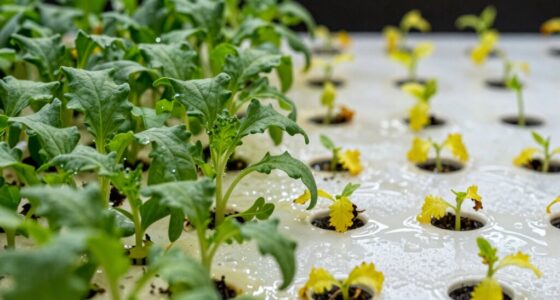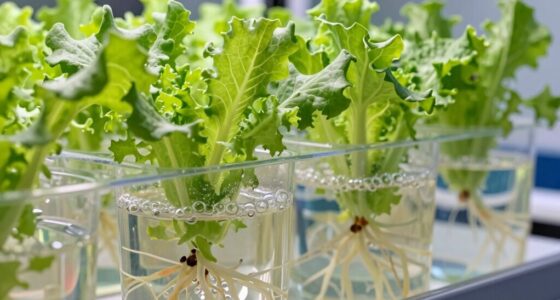
When choosing between passive and active hydroponic systems, consider your budget, space, and how much control you want over plant growth. Passive systems are simple, low-cost, and easier to maintain, making them ideal for beginners or small-scale setups. Active systems offer precise nutrient control and higher yields but require regular maintenance and a bigger investment. Assess your goals, resources, and willingness to tinker to find the best fit—more details can guide your decision.

Get the little things that make your day delivered free — and shop member deals
- Fast, free delivery on millions of items
- Access to Prime Big Deal Days deals on October 6–7
- Prime Video, Amazon Music and more included
Key Takeaways
- Consider your budget and space: passive systems are cheaper and more compact, ideal for small-scale setups.
- Assess your growth goals: active systems offer precise nutrient control for higher yields and faster growth.
- Evaluate maintenance willingness: passive systems require less upkeep, while active systems need regular cleaning of mechanical parts.
- Determine your experience level: beginners may prefer passive systems for simplicity, whereas experienced growers might choose active systems.
- Match system choice to plant needs: small or modest nutrient-demand plants suit passive setups; high-demand crops benefit from active systems.

When choosing a hydroponic system, understanding the differences between passive and active setups is essential, as each offers distinct advantages and challenges. Your decision impacts not only how nutrients are delivered but also how much effort you’ll need for system maintenance. Passive hydroponic systems operate without mechanical parts, relying on capillary action, wicks, or gravity to move nutrients to your plants. They’re simple, typically requiring less initial investment, and are easier to maintain because they have fewer components that can break down. If you prefer a low-maintenance setup and are comfortable with slower nutrient delivery, passive systems might be your best choice. They work well for small-scale or beginner growers, especially when growing plants with modest nutrient demands. Additionally, passive systems often incorporate hydroponic fundamentals, making them accessible for those new to soilless cultivation. Incorporating sound science can also help optimize your system’s efficiency through understanding nutrient flow and plant response.
Passive hydroponic systems are simple, low-cost, and ideal for beginners with modest plant nutrient needs.
On the other hand, active hydroponic systems use pumps, aerators, or other mechanical devices to actively circulate water and nutrients. This active movement ensures a consistent and controlled nutrient delivery, which can lead to faster growth and higher yields. However, this setup demands more attention to system maintenance, as the pumps and other equipment require regular cleaning and repairs to prevent clogs, malfunctions, or bacterial buildup. If you’re aiming for a more high-tech, high-efficiency operation, an active system might suit you better. It allows for precise control over nutrient levels and delivery timing, making it ideal for commercial growers or those who want to optimize plant growth.
Your choice also depends on your available space and budget. Passive systems generally take up less space and cost less upfront, making them appealing for small gardens or hobbyists. Active systems, with their mechanical parts, tend to be more expensive and require additional space for equipment like reservoirs, pumps, and tubing. They also need more ongoing attention to keep everything running smoothly. If you’re someone who enjoys tinkering and doesn’t mind regular maintenance, an active setup offers more opportunities to fine-tune your nutrient delivery. Conversely, if you prefer a straightforward, “set it and forget it” system, passive systems could be more appealing. Additionally, nutrient delivery methods influence how well your plants will grow and respond to the system you choose.
Ultimately, your decision hinges on your goals, resources, and willingness to perform maintenance. Passive systems suit those looking for simplicity and lower costs, while active systems cater to growers seeking efficiency and maximum control. Weighing these factors helps you choose the right hydroponic setup that aligns with your growing style and aspirations.
As an affiliate, we earn on qualifying purchases.
Frequently Asked Questions
What Are the Initial Setup Costs for Each System?
You’ll find that passive hydroponic systems generally have lower initial setup costs because they require fewer pumps and electrical components. In contrast, active systems need pumps, timers, and nutrient solutions, which increase expenses. Both systems demand pH balancing and proper nutrient solutions, but active systems often require more investment upfront for equipment. Your choice depends on your budget, but remember, initial costs involve setting up the system and maintaining proper pH and nutrient levels.
How Much Maintenance Does Each System Require?
Maintenance is like tending a garden—you’ll need regular attention. Passive systems generally require less upkeep, needing only periodic pH monitoring and nutrient balance checks. Active systems demand more frequent maintenance, including pump checks and water circulation. Both systems benefit from consistent pH monitoring to prevent nutrient deficiencies or imbalances. Overall, passive setups are easier to maintain, but active systems offer more control, demanding more time and effort.
Which System Is Better for Beginners?
For beginners, passive hydroponic systems are better because they are simpler to set up and maintain. You’ll find it easier to monitor plant growth and keep the nutrient balance stable without complex equipment. Passive systems require less technical knowledge, allowing you to focus on learning how plants thrive. As you gain confidence, you can explore active systems for faster growth and more control, but passive options are ideal to start with.
Can These Systems Be Used Outdoors?
Yes, both passive and active hydroponic systems can be used outdoors, but outdoor compatibility depends on seasonal considerations. Passive systems often thrive in stable climates since they rely on natural processes, while active systems may need more adjustments to handle temperature fluctuations. You should assess your local weather patterns and seasonal changes to determine which system is better suited for outdoor use, ensuring your plants thrive year-round.
How Do I Troubleshoot Common System Issues?
If you face issues like pH imbalance or nutrient deficiencies, start troubleshooting by checking your water pH levels and adjusting them accordingly. Inspect your system for clogs or leaks in the pump and verify roots aren’t blocked. Regularly monitor and replenish nutrients, and clean your system to prevent buildup. Addressing these common problems promptly helps keep your plants healthy and your hydroponic system running smoothly.
As an affiliate, we earn on qualifying purchases.
Conclusion
Ultimately, choosing between passive and active hydroponic systems depends on your goals and space. Sometimes, your ideal setup just clicks into place—like finding a hidden garden nook when you least expect it. Whether you prefer the simplicity of passive systems or the control of active ones, trust your instincts. With a little patience, you’ll discover the perfect fit, turning your hydroponic journey into a rewarding experience, almost as if the perfect system was meant to be yours all along.
hydroponic nutrient delivery system
As an affiliate, we earn on qualifying purchases.
As an affiliate, we earn on qualifying purchases.
As an affiliate, we earn on qualifying purchases.
Fall Picks
fall essentials
As an affiliate, we earn on qualifying purchases.