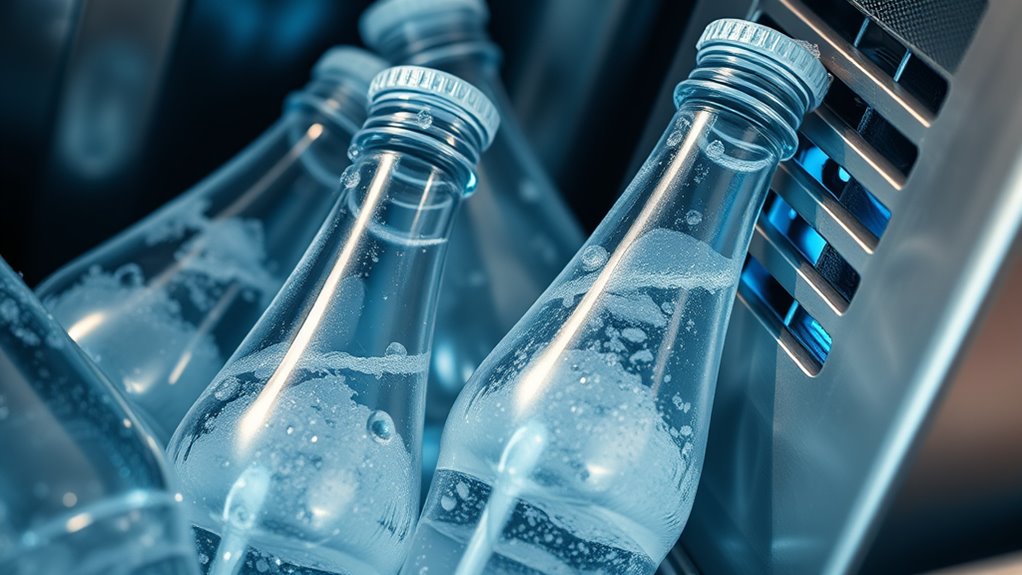

Choosing between chillers and frozen bottles depends on your needs. Chillers are reusable, durable, and provide steady cooling for large reservoirs without diluting your beverages, making them great for long-term or outdoor use. Frozen bottles are inexpensive, portable, and ideal for quick cooling, but they melt and can dilute drinks over time. For more tips on keeping your reservoirs perfectly chilled, stay with us as we explore the best options.
Key Takeaways
- Chillers provide steady, long-term cooling for large reservoirs without dilution, ideal for extended outdoor use.
- Frozen bottles are portable and quick to deploy, suitable for short-term or on-the-go cooling needs.
- Chillers are reusable and durable, making them cost-effective over time; frozen bottles are disposable and require freezing beforehand.
- Frozen bottles can dilute beverages as they melt, whereas chillers maintain consistent temperature without affecting the liquid.
- Choose chillers for consistent, long-lasting cooling; opt for frozen bottles for convenience and quick solutions.

When it comes to keeping your drinks cold, you have two popular options: chillers and frozen bottles. Both are effective, but each serves different needs depending on your situation. Chillers are usually designed to be reusable, often made from durable materials like gel packs or specialized plastics. They work by absorbing heat from your beverage or reservoir, maintaining a consistent low temperature without directly freezing the liquid inside. On the other hand, frozen bottles are simply bottles filled with water or other liquids that you freeze beforehand. When placed in your drink or reservoir, they act as a portable cold source, gradually melting and transferring coldness to the surrounding liquid.
If you’re managing a large reservoir, like in a commercial setting or for extended outdoor activities, chillers are typically more practical. They can be reused multiple times, and their design allows for steady cooling without the risk of melting or leaks that come with frozen bottles. Chillies often come with handles or straps, making them easy to insert and remove without disturbing the contents. Plus, because they don’t melt, they don’t dilute your reservoir’s contents, which is a big advantage if maintaining the original flavor or concentration matters to you. Additionally, using temperature regulation devices like chillers helps maintain optimal conditions for your reservoir, preventing spoilage or overheating.
Frozen bottles shine when you’re on the go or need a quick, straightforward cooling solution. They’re easy to prepare: just fill a bottle with water, freeze it overnight, and toss it into your cooler or reservoir the next day. As they thaw, they release coldness steadily, keeping your drinks cool for hours. They’re inexpensive, disposable, and convenient, especially if you don’t have access to refrigeration or want to avoid carrying extra gear. However, as they melt, they can dilute your beverage if you’re not careful, which might be undesirable in some situations.
Your choice ultimately depends on how long you need to keep your drinks cold and the context of your activity. If you want a long-lasting, non-diluting cooling method for a large volume, chillers are your best bet. They’re more durable and reusable, making them cost-effective in the long run. If convenience and portability are more important, frozen bottles are a quick fix that can be prepared in advance and swapped out as needed. Both options have their merits, but understanding their differences helps you pick the right one to keep your reservoir in the sweet spot—cold, fresh, and ready to go whenever you need it.
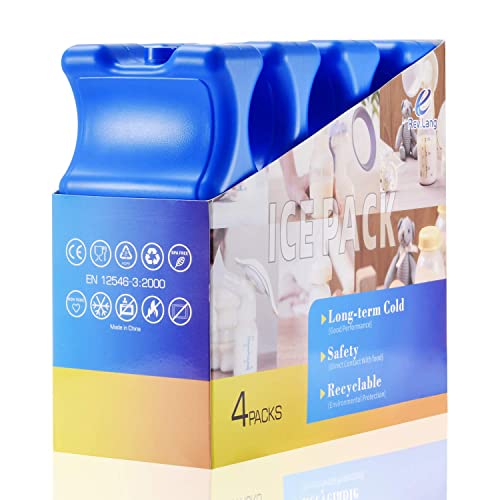
Cold Freezer Cool Ice Packs Double Sided Contoured Reusable Long Lasting for Breast Milk Baby Bottles Cool Storage Insulated Bags, Lunch Box Soda Beer Can Coolers(600g,Set of 4)
★ GOOD AND DURABLE: Set of 4 reusable rigid ice packs,each one measures 8.1*3.9*1.8 inches and weights 600…
As an affiliate, we earn on qualifying purchases.
As an affiliate, we earn on qualifying purchases.
Frequently Asked Questions
How Long Do Frozen Bottles Typically Stay Cold?
Frozen bottles typically stay cold for about 4 to 6 hours, depending on factors like the size of the bottles, the initial temperature, and the ambient environment. If you store them in a well-insulated container, they can last even longer. To maximize their cooling effect, keep the bottles frozen beforehand and place them strategically around your reservoir. Check periodically and replace or refreeze as needed to maintain the desired temperature.
Are Chillers More Energy-Efficient Than Frozen Bottles?
Think of chillers as the steady heartbeat of your cooling system—more energy-efficient than frozen bottles. They use less power over time, like a gentle river flowing smoothly, maintaining your reservoir at the perfect temperature without draining resources. Frozen bottles, while handy, act like flickering candles—quick to cool but consume more energy with repeated freezing and thawing. So, chillers keep your system running greener and longer.
Can Frozen Bottles Cause Container Damage?
Yes, frozen bottles can cause container damage if they expand or leak as they melt. When the bottles freeze, the water inside expands, which can crack or deform the container, especially if it’s made of fragile material. To prevent this, make sure the bottles are not overfilled and use durable containers designed to handle the expansion. Regularly check and replace bottles to avoid damage and leaks.
What’s the Best Way to Maintain Reservoir Temperature?
Maintaining reservoir temperature is like balancing on a tightrope—you need precision. To do this, regularly monitor the temperature and adjust your cooling method accordingly. Use a reliable thermostat, consider a chiller for consistent control, and add frozen bottles carefully to avoid rapid temperature swings. Keep the reservoir insulated to prevent heat exchange, and check your cooling system frequently to ensure it stays within the ideal range.
Are There Safety Concerns With Using Chillers or Frozen Bottles?
Yes, there are safety concerns with using chillers or frozen bottles. You should regularly inspect equipment for leaks or damage to prevent contamination or electrical hazards. Always follow manufacturer instructions and verify proper insulation to avoid freezing or overheating. Keep the area well-ventilated and monitor temperatures closely. If you notice any unusual odors, noises, or malfunctions, stop use immediately and address the issue to prevent accidents or health risks.
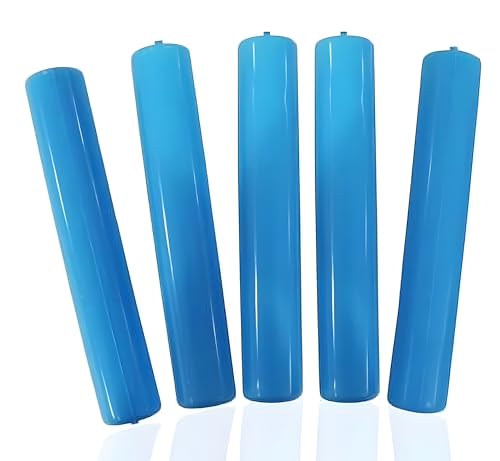
Reusable Ice Cube Sticks for Water Bottles – Pack of 5 Freezable Cooling Rods – Slim 4.75" x 0.75" Design – No Dilution, Reusable Drink Chillers for Bottles, Lunch Bags & Travel
PACK OF 5 VALUE SET, Includes five reusable ice sticks for convenient daily use and rotation between freezing…
As an affiliate, we earn on qualifying purchases.
As an affiliate, we earn on qualifying purchases.
Conclusion
Ultimately, whether you choose chillers or frozen bottles, remember that “a stitch in time saves nine.” Regularly monitoring and maintaining your reservoir keeps it at the perfect temperature, preventing costly issues down the road. Trust your instincts and stay proactive—small steps now prevent bigger problems later. By finding the right cooling method for your setup, you’ll keep your system running smoothly and efficiently, ensuring comfort and peace of mind for years to come.

Active Aqua Hydroponic Water Chiller for Aquaponics, Plunge Baths and Aquariums, 0.25 HP – Portable Cooling System with Boost Function for 40-92 Gallon Reservoirs, Pure Titanium Evaporator Cooler
Rapid Cooling with Boost Function: Achieve the perfect temperature faster for your nutrient solutions, aquariums, or cold baths…
As an affiliate, we earn on qualifying purchases.
As an affiliate, we earn on qualifying purchases.
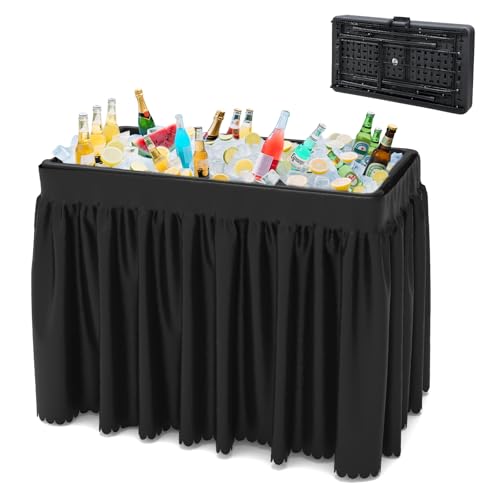
SHAREWIN Party Outdoor Cooler Table, Black Skirt &Drain Hose Plastic Chill Table to Keep Drinks Cool, Portable Foldable Self-Serving Beverage Ice Cooler Bar for Wedding, Picnics, Barbecues, Fishing
【Convenient Storage & Easy Carry】:Four legs can be folded under the tabletop, simple to store, and the handle…
As an affiliate, we earn on qualifying purchases.
As an affiliate, we earn on qualifying purchases.