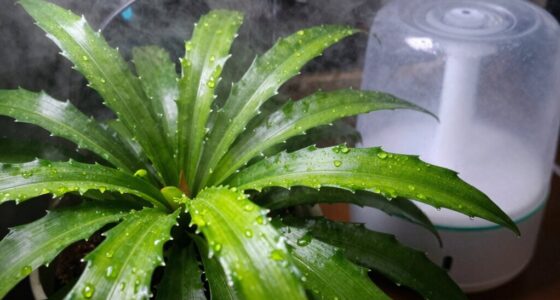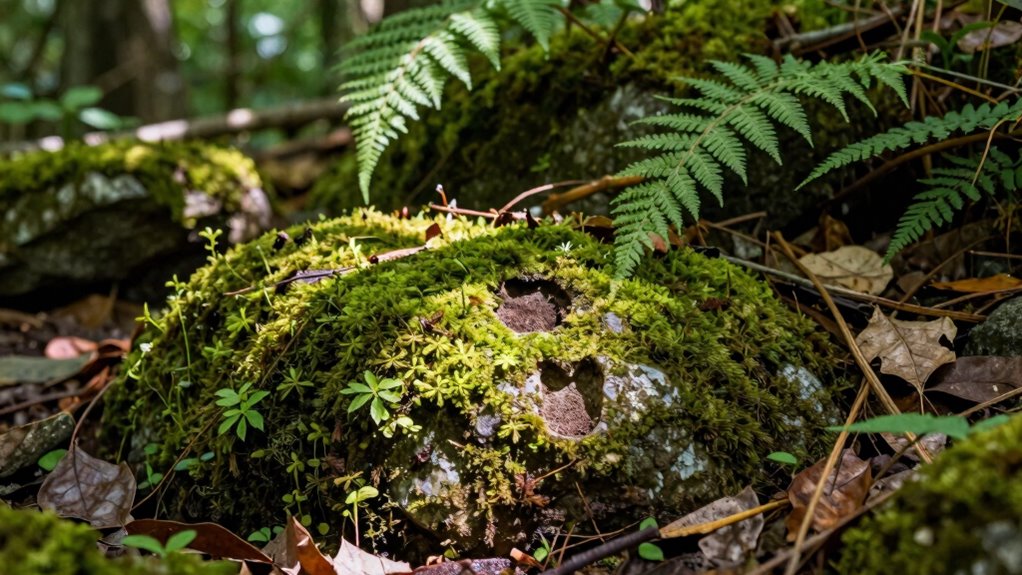
To understand a plant’s native habitat before buying, look for clues about its soil type, pH, and drainage needs. Check if it’s adapted to sandy, loamy, or rocky soils, and note how it handles moisture and sunlight. Consider temperature extremes and seasonal rainfall in its natural environment. Matching these conditions guarantees healthier growth. Keep exploring, and you’ll uncover more tips to match your plant’s native setting perfectly.
Key Takeaways
- Research the plant’s native soil type, drainage, pH, and organic matter preferences.
- Observe the plant’s adaptations to temperature, light, and rainfall in its natural environment.
- Match the plant’s native climate conditions with your local environment or plan for adjustments.
- Identify microhabitats and environmental factors like seasonal patterns and sunlight exposure.
- Ensure the plant’s environmental needs align with your cultivation conditions for long-term success.
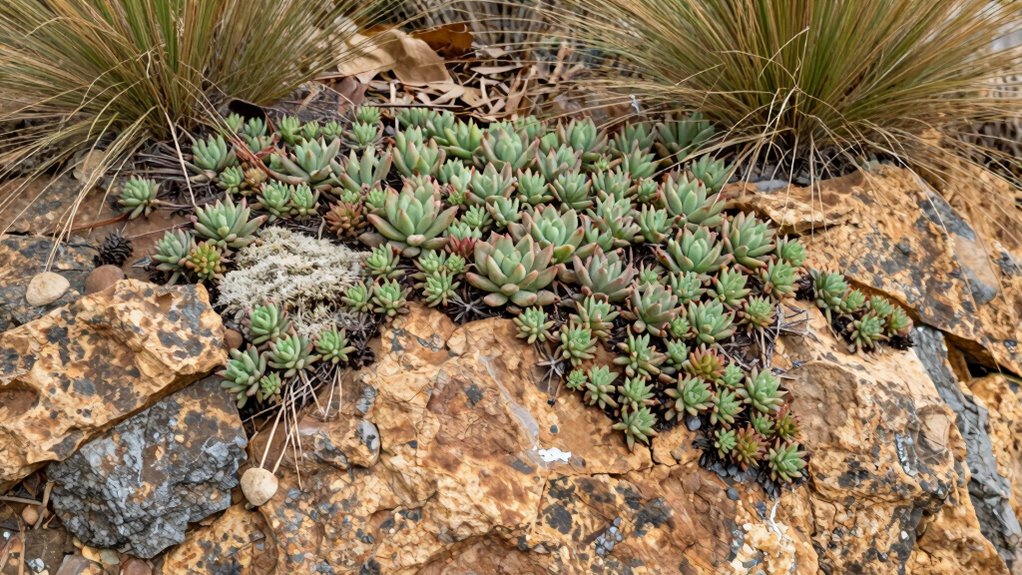
When considering the purchase of a rare plant, understanding its native habitat can make all the difference in ensuring its health and long-term survival. Native habitat clues reveal essential details about the plant’s preferred environment, helping you create the right conditions for it to thrive. One of the most critical aspects to take into account is soil preferences. Many rare plants have specific soil requirements rooted in their natural ecosystems. For example, some species flourish in well-draining sandy soils, while others thrive in rich, loamy substrates. If you don’t match the soil conditions to what the plant is adapted to, it may struggle to establish itself, become stressed, or even die. Before buying, investigate whether the plant’s native soil type is accessible or if you need to amend your garden soil to replicate those conditions. Pay attention to soil pH, drainage, and organic matter content, as these factors play a crucial role in the plant’s ability to absorb nutrients and water efficiently. Additionally, recognizing the plant’s adaptations can help you better understand its environmental needs and improve your chances of success. Recognizing the importance of microhabitats within its native range can also be beneficial, as many plants depend on specific interactions with their surroundings for optimal growth. Factors like temperature extremes, seasonal rainfall, and sunlight exposure, and comparing them with your local climate are essential. If your environment isn’t ideal, you might need to invest in climate control measures to mimic the native conditions, which can be crucial for the plant’s health. Understanding how body adaptations relate to the plant’s environment can further refine your care strategies and help prevent stress or failure.

YAMRON 4-in-1 Soil Moisture Meter, Digital Plant Temperature/Soil Moisture Test & PH Meter/Sunlight Intensity, Backlight LCD Display for Gardening, Farming and Outdoor Plants
【4 in 1 function】This is a 4-in-1 multifunctional soil tester.Our soil tester fastly to measure soil moisture, pH,…
As an affiliate, we earn on qualifying purchases.
As an affiliate, we earn on qualifying purchases.
Frequently Asked Questions
How Can Habitat Clues Predict a Plant’s Growth Requirements?
You can predict a plant’s growth needs by examining habitat clues like soil composition and climate conditions. If the native soil is sandy or rocky, the plant likely prefers well-draining soil. Warm, humid climates suggest a need for consistent moisture and warmth. By understanding these environmental factors, you’ll know whether to provide similar soil and climate conditions, ensuring your plant thrives in your garden.
What Are Common Mistakes When Interpreting Native Habitat Clues?
You might mistake a plant’s habitat clues, leading to cultivation misconceptions or habitat misinterpretations. Imagine mistaking a dry, rocky slope for a lush rainforest, which can cause you to overwater or underestimate sunlight needs. Avoid this by carefully observing soil, moisture, and plant companions. Rushing these insights causes errors, so take your time. Accurate interpretation guarantees healthy growth and prevents costly mistakes rooted in habitat misinterpretations.
Do Habitat Clues Indicate a Plant’s Potential Invasiveness?
Habitat clues can hint at a plant’s potential invasiveness by revealing invasive traits, such as rapid growth or seed dispersal methods. If a plant thrives in disturbed or non-native environments, it might pose an ecological impact when introduced elsewhere. You should interpret these clues carefully, as they help you assess whether the plant could become invasive, affecting local ecosystems and biodiversity. Always consider native habitat conditions to make responsible planting choices.
How Reliable Are Habitat Clues for Identifying Rare Plant Species?
Habitat clues are quite reliable for identifying rare plant species if you pay close attention to soil composition and climate conditions. You’ll notice specific soil types or moisture levels that match the plant’s native environment. Climate factors like temperature and rainfall patterns also help confirm its natural habitat. By understanding these details, you can better determine if a plant’s native habitat clues align with your local conditions, ensuring healthier growth.
Can Habitat Clues Reveal a Plant’s Seasonal Behavior?
Did you know that over 80% of plants show distinct seasonal blooms? Habitat clues can definitely reveal a plant’s seasonal behavior, like its bloom times or dormancy periods. By understanding its native climate adaptation, you can predict when it’ll flower or rest. Observing habitat cues helps you anticipate seasonal changes, ensuring you care for your rare plant at the right time and mimic its natural cycle effectively.

Rosy Soil Cactus and Succulent Organic Potting Soil Mix for House Plants – Fast Draining, Root Boosting, Peat-Free, Less Prone to Gnats – Drought-Tolerant -for AloeVera, Cacti, Indoor Succulents- 4qt
Thriving Growth Formula: Our succulent and cactus soil potting mix features a chunkier, looser texture, ensuring optimal drainage…
As an affiliate, we earn on qualifying purchases.
As an affiliate, we earn on qualifying purchases.
Conclusion
By paying close attention to native habitat clues, you’re not just making an informed purchase—you’re connecting with a plant’s true story. Sometimes, it’s a coincidence that the right environment aligns perfectly, but when it does, it’s a reminder of how nature’s intricate balance can surprise us. When you understand these subtle signs, you’re more likely to nurture your rare plant successfully—and maybe, just maybe, stumble upon a little miracle in your own care.

Miracle-Gro Indoor Plant Food for Tropicals, Liquid Plant Food for Tropical Houseplants, 8 fl. oz., 2-Pack
Miracle-Gro Indoor Plant Food for Tropicals contains nutrients for lush, green foliage in indoor tropical plants
As an affiliate, we earn on qualifying purchases.
As an affiliate, we earn on qualifying purchases.

Kikkerland Plant Care Kit
Design: KDT
As an affiliate, we earn on qualifying purchases.
As an affiliate, we earn on qualifying purchases.