
A plant’s growth speed depends mainly on its root system, genetics, and environment. Fast-growing plants develop extensive roots early, helping them absorb nutrients and water quickly, which boosts above-ground growth. Your plant’s genetic traits also influence how quickly it matures. Additionally, favorable soil, moisture, and sunlight conditions can speed up growth. If you want to understand how these factors work together, keep exploring how to support healthy plant development.
Key Takeaways
- Fast-growing plants develop extensive root systems early, supporting rapid water and nutrient uptake.
- Favorable environmental conditions like soil quality and moisture levels enhance growth speed.
- Efficient nutrient absorption accelerates overall plant development.
- Genetic traits determine inherent growth rates and root system development.
- Growth strategies and optimal conditions influence how quickly a plant matures.

Understanding what makes a plant grow quickly or slowly can help you choose the right species for your garden or landscape. One of the most vital factors influencing growth rate is root development. Fast-growing plants typically develop extensive root systems early on, which allows them to anchor firmly and access more nutrients and water from the soil. If the roots spread out quickly and efficiently, the plant can support rapid above-ground growth. Conversely, slow-growing plants often have more delicate or less aggressive root systems that take longer to establish, limiting their ability to absorb nutrients and water efficiently. This slower root development means their overall growth rate will be more gradual, especially in the early stages. Additionally, environmental conditions such as soil quality and moisture levels can significantly impact root growth and plant development. Soil quality and moisture availability can either enhance or hinder root expansion, further influencing growth speed.
Nutrient absorption plays a key role in how quickly a plant grows. Plants that absorb nutrients efficiently, often due to a robust root system or specific adaptations, can accelerate their growth. When nutrients like nitrogen, phosphorus, and potassium are readily available and easily absorbed, plants can allocate more energy toward developing leaves, stems, and flowers. Fast growers tend to thrive in nutrient-rich environments, quickly taking up what they need to fuel their rapid expansion. On the other hand, slow-growing plants may have specialized adaptations that make them more selective in nutrient uptake or better suited to less fertile soils, which naturally limits their growth pace. This means they conserve energy and resources, resulting in a more measured, steady development.
Additionally, genetic factors influence growth rates. Some plant species are inherently predisposed to grow faster due to their genetic makeup, which determines how aggressively they root and absorb nutrients. You’ll notice that certain trees or shrubs take years to reach maturity, while others, like fast-growing annuals or vines, can cover ground quickly within a single season. Environmental conditions also matter—plants in ideal conditions with ample sunlight, water, and nutrients tend to grow faster, regardless of their inherent growth rate. But even in perfect circumstances, the fundamental differences in root development and nutrient absorption largely dictate whether a plant will be a quick or slow grower. Moreover, understanding the growth strategies of different plants can help in selecting species that match your gardening goals and conditions.

HOME GROWN Zinnia Dahlia Seeds Pack for 2026 Non GMO 524 Flower Seeds | Vibrant Zinnia Elegans for Pollinator Gardens, Borders & Containers | Easy-to-Grow Outdoor Blooms
524 PREMIUM SEEDS – BRILLIANT COLOR, FAST GROWTH: This large pack includes 524 USA-packed, high-germination Zinnia Dahlia seeds…
As an affiliate, we earn on qualifying purchases.
As an affiliate, we earn on qualifying purchases.
Frequently Asked Questions
Can Soil Type Influence a Plant’s Growth Rate Significantly?
Yes, soil type can considerably influence your plant’s growth rate. If the soil has the right balance of soil acidity and nutrient availability, your plant will grow faster and healthier. Acidic or alkaline soils can hinder nutrient absorption, slowing growth. Nutrient-rich soils support robust development, while poor soil limits it. Understanding your soil’s properties helps you optimize conditions, ensuring your plants thrive and grow at their best.
Do Genetic Factors Determine if a Plant Is Fast or Slow-Growing?
Genetic traits primarily determine if a plant is fast or slow-growing by influencing its growth patterns. You can observe these traits in the plant’s DNA, which controls cell division and development speed. If a plant has genes for rapid cell growth, it tends to grow faster. Conversely, those with genes for slower growth patterns develop more gradually. Understanding these genetic factors helps you select plants suited to your desired growth rate.
How Does Watering Frequency Affect Plant Growth Speed?
Did you know that inconsistent watering can slow plant growth by up to 50%? Your watering schedule directly impacts moisture levels, which are vital for healthy growth. Too little water causes stress, while overwatering drowns roots. Maintaining a steady watering routine keeps moisture levels ideal, promoting faster, healthier growth. By adjusting your watering frequency to your plant’s needs, you guarantee it gets the right moisture, boosting its growth speed.
Are There Specific Nutrients That Promote Faster Growth?
Yes, certain nutrients promote faster growth. Fertilizer types like nitrogen-rich formulas boost leaf and stem development, speeding up growth. Additionally, growth hormones, such as auxins and gibberellins, can accelerate cell division and elongation. Using these nutrients appropriately encourages quicker growth, but avoid over-fertilizing, as it can harm your plant. Focus on balanced fertilization and consider growth hormones for ideal results in speeding up your plant’s development.
Can Pruning Slow Down or Speed up Plant Growth?
Pruning techniques can both slow down or speed up plant growth, depending on how you prune. For growth regulation, removing dead or overcrowded branches encourages healthier, faster growth, while heavy pruning can temporarily slow growth as the plant recovers. Light, regular pruning stimulates new growth, making plants appear faster-growing. Conversely, over-pruning or incorrect techniques may stress the plant and hinder its growth, so tailoring your pruning approach is essential.

Bonide Garden Rich Root & Grow Root Stimulator & Plant Starter, 32 oz Concentrate 4-10-3 Fertilizer for Transplanting
IDEAL PLANTS – Perfect for transplants, houseplants, vegetables, fruit trees, berries, flowers, trees, shrubs, and ornamentals.
As an affiliate, we earn on qualifying purchases.
As an affiliate, we earn on qualifying purchases.
Conclusion
Remember, slow and steady wins the race, especially when it comes to plants. Whether you’re nurturing a quick-growing shrub or a slow, deliberate tree, understanding what influences growth helps you care better. Factors like genetics, soil, and climate set the pace. By paying attention and giving your plants what they need, you’ll enjoy a thriving garden. Patience truly is a virtue—sometimes, the best things take time to grow.
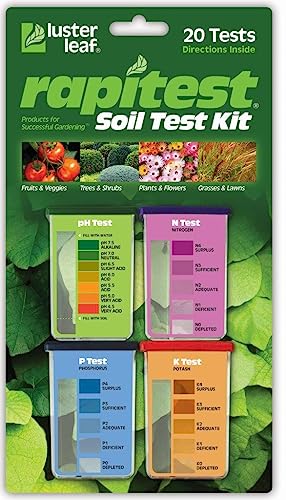
Rapitest Soil Test Kit for Gardens, Vegetables, Flowers and Lawns. USA designed and assembled soil tester completely, quickly and accurately measures/analyzes soil pH acidity and garden nutrients.
Quick, at home results for Soil pH, Nitrogen, Phosphorous and Potash Innovative and inexpensive soil test kit features…
As an affiliate, we earn on qualifying purchases.
As an affiliate, we earn on qualifying purchases.

TPS NUTRIENTS Silica Gold Plant Strength Nutrient and Supplement with Bioavailable Silicon 1 Quart (32 oz)
Made for Plant Strength Support – Formulated with silica to support structural plant development.
As an affiliate, we earn on qualifying purchases.
As an affiliate, we earn on qualifying purchases.