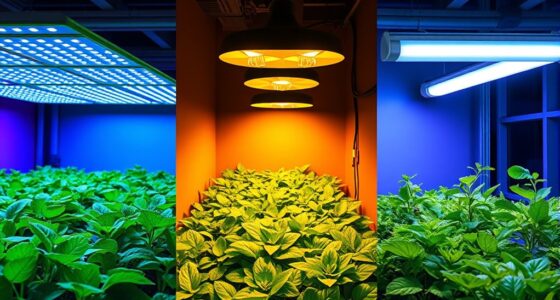
To shift hydroponic plants to soil, start by inspecting them for pests or health issues and treat any problems beforehand. Prepare high-quality, organic soil with good drainage and nutrients, and gently loosen the root ball without damage. Carefully transplant the plants at the same depth, water thoroughly, and keep the soil consistently moist. Mulch around the base to retain moisture. With proper care and environment adjustments, you’ll boost your chances of a successful shift. Keep going to discover more helpful tips.

Get the little things that make your day delivered free — and shop member deals
- Fast, free delivery on millions of items
- Access to Prime Big Deal Days deals on October 6–7
- Prime Video, Amazon Music and more included
Key Takeaways
- Assess plant health, remove pests, and ensure plants are vigorous before transplanting to prevent stress.
- Prepare high-quality, well-draining organic soil enriched with compost, matching hydroponic nutrients.
- Gently loosen root balls, transplant at the same depth, and water thoroughly to minimize shock.
- Monitor plants closely post-transplant, maintaining consistent moisture and controlling pests organically.
- Mulch around plants to retain moisture, suppress weeds, and create a stable environment for root establishment.
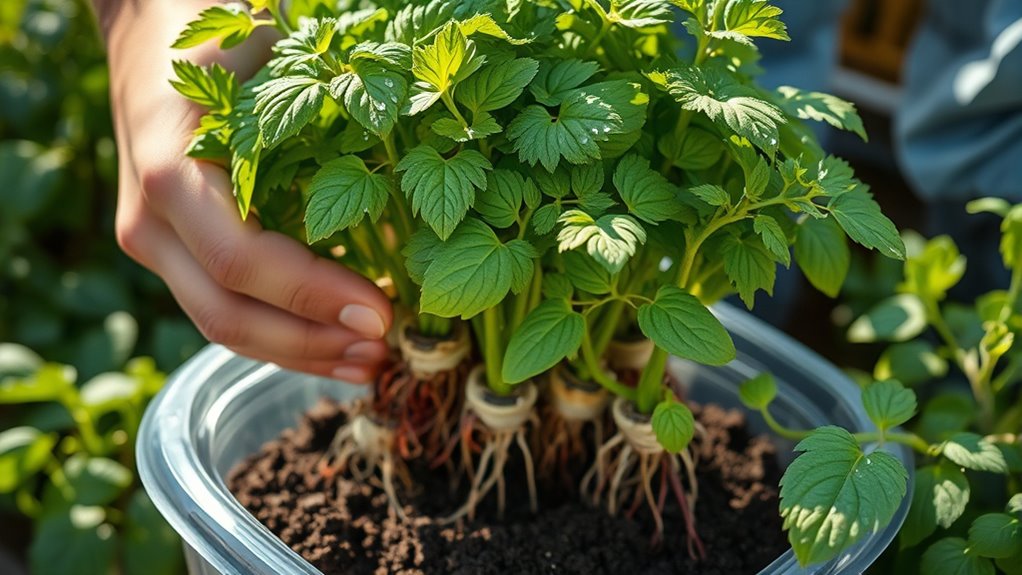
Switching hydroponic plants to soil can be a rewarding process, but it requires careful planning to guarantee their health and growth. The shift involves more than just planting them in dirt; it demands attention to pest management and soil preparation to ensure your plants adapt successfully. Before moving your hydroponic plants, examine their health closely. Look for signs of stress or disease, and address any issues beforehand. This step helps prevent problems from transferring into the soil environment, where they can spread more easily.
Carefully examine hydroponic plants for stress or disease before transitioning to soil.
When preparing the soil, focus on creating a nutrient-rich, well-draining medium that supports healthy root development. Start by choosing high-quality organic soil or creating a custom blend that mimics the nutrient profile your plants thrived on in hydroponics. Incorporate compost or organic amendments to boost fertility, but avoid over-fertilizing, which can shock the plants. Loosen the soil to improve aeration, allowing roots to establish themselves more easily. Proper soil preparation lays a solid foundation for your plants’ transition and minimizes stress during the move. Additionally, understanding the local beach environment can help you select the most suitable soil amendments to promote optimal growth.
Pest management becomes especially critical during this process. Hydroponic systems tend to have fewer pests, but once in soil, your plants are exposed to a broader range of insects and pathogens. To minimize risks, inspect your plants thoroughly before transplanting. Remove any visible pests and treat the plant with organic pest deterrents if necessary. Post-planting, keep a close eye on your garden for signs of pests or disease. Implement integrated pest management strategies, such as introducing beneficial insects or using organic sprays, to keep pests under control without harming your plants.
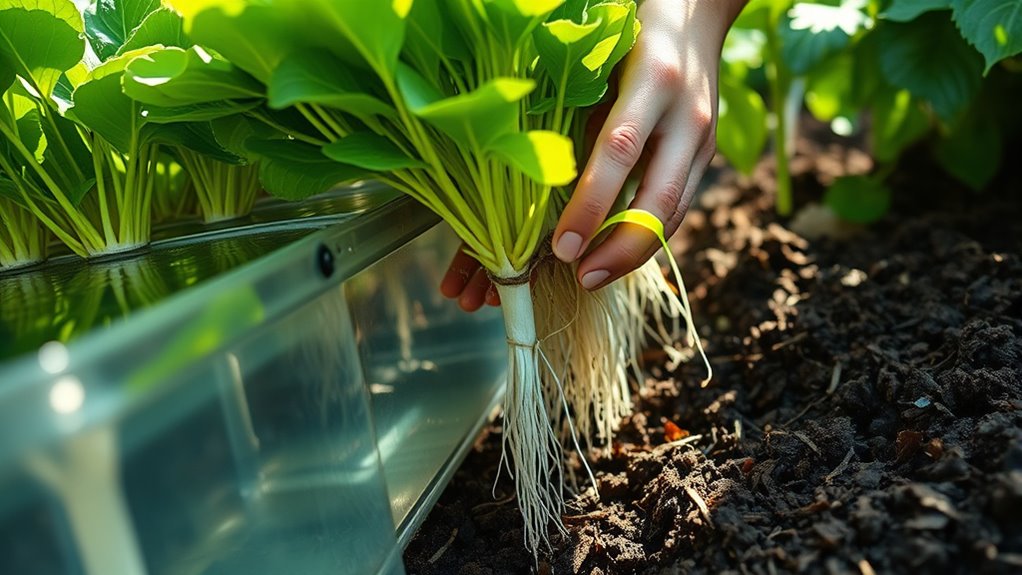
As you transplant, gently loosen the root ball from the hydroponic medium, taking care not to damage the roots. Place your plants into the prepared soil, ensuring they are at the same depth as they were in the hydroponic system. Water them thoroughly to settle the soil around the roots and reduce transplant shock. Keep the soil consistently moist but not waterlogged as your plants adjust. Mulching around the base can help retain moisture, regulate soil temperature, and suppress weeds, further supporting their adaptation.
Transitioning hydroponic plants to soil isn’t just about planting—it’s about creating an environment where they can thrive outside of their original system. Proper soil preparation and vigilant pest management are key to a successful move. By paying close attention to these aspects, you help your plants establish strong roots in their new home, leading to healthy growth and bountiful harvests in the long run.
organic soil for vegetable transplanting
As an affiliate, we earn on qualifying purchases.
As an affiliate, we earn on qualifying purchases.
Frequently Asked Questions
How Long Should I Wait Before Transplanting Hydroponic Plants to Soil?
You should wait until your hydroponic plants have strong root development and show healthy plant growth before transplanting to soil. Typically, this takes about 1 to 2 weeks after roots reach the container’s edges. During this time, monitor plant health closely, ensuring roots are robust and free of rot. This waiting period helps reduce transplant shock and encourages successful adaptation to soil, promoting healthier growth.
Can All Hydroponic Plants Adapt Easily to Soil?
Not all hydroponic plants adapt easily to soil, much like trying to fit a square peg in a round hole. You might find some, like lettuce, shift smoothly, but others face hydroponic challenges due to soil compatibility issues. For example, herbs like basil often adapt well, yet root vegetables may struggle. It’s essential to assess each plant’s needs and be prepared for some trial and error during the changeover.
What Specific Soil Amendments Improve Plant Adaptation?
You should add organic matter like compost or aged manure to improve soil nutrients, helping your hydroponic plants adapt better. Adjust the soil pH to around 6.0-6.8, as many plants prefer this range for optimal nutrient uptake. Incorporate these amendments, and you’ll create a balanced environment that supports healthy root development and overall plant growth. This approach guarantees a smoother shift from hydroponics to soil.
How Do I Prevent Transplant Shock During the Transition?
Think of the progression as carefully guiding a delicate butterfly onto a new branch. To prevent transplant shock, focus on root stabilization by gently loosening roots and avoiding damage. Keep soil moist but not waterlogged to mimic hydroponic conditions. Water slowly and consistently, and provide shade initially to reduce stress. These steps help your plants settle comfortably, ensuring a smoother shift from water to soil.
Is There a Preferred Time of Day for Transplanting?
You should transplant your hydroponic plants in the early morning or late afternoon. During these times, the sunlight exposure is gentler, reducing stress on the plants. Make certain you water them well beforehand to keep the roots moist, which helps prevent transplant shock. Avoid midday transplanting when sunlight is strongest, as this can dry out roots quickly and cause unnecessary stress. Proper timing and care make the changeover smoother.
beneficial insects for pest control
As an affiliate, we earn on qualifying purchases.
As an affiliate, we earn on qualifying purchases.
Conclusion
Switching your hydroponic plants to soil can seem intimidating, but with patience and proper steps, it becomes manageable. Did you know that about 30% of home gardeners successfully switch from hydroponics to soil each year? Remember to gradually introduce soil, keep roots moist, and monitor your plants closely. With time, your plants will adapt and thrive in their new environment. Stay patient, and you’ll enjoy lush, healthy growth beyond your hydroponic setup.
garden mulch for moisture retention
As an affiliate, we earn on qualifying purchases.
As an affiliate, we earn on qualifying purchases.
As an affiliate, we earn on qualifying purchases.
NFL season / tailgating Picks
team gear
As an affiliate, we earn on qualifying purchases.