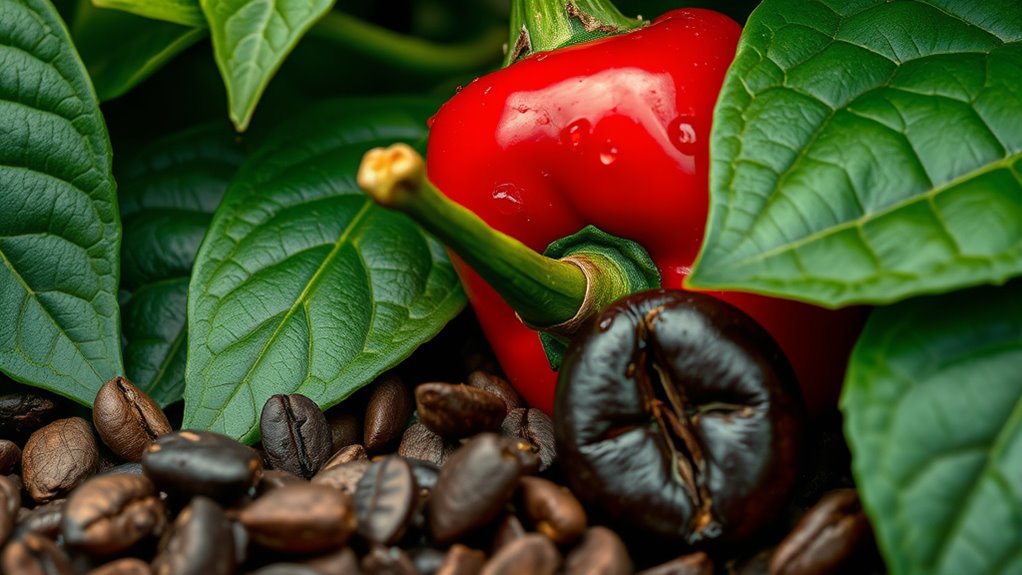

Plants produce chemicals like caffeine and capsaicin to defend themselves against pests, predators, and pathogens. Caffeine acts as a bitter deterrent and neurotoxin, making animals less likely to eat the plants. Capsaicin causes a burning sensation, discouraging animals from biting into peppers. Both chemicals serve as natural defenses that help plants survive and reproduce. To discover how these compounds function and why plants make them, keep exploring their fascinating survival strategies.
Key Takeaways
- Caffeine acts as a bitter deterrent and neurotoxin, discouraging herbivores and insects from eating plants.
- Capsaicin causes a burning sensation, deterring animals and insects from biting into peppers without toxicity.
- Both chemicals serve as evolved defense mechanisms to protect plants from predators and pathogens.
- Caffeine signals toxicity, while capsaicin induces pain, helping plants minimize damage and increase survival chances.
- These compounds exemplify complex chemical strategies plants use over millions of years to defend themselves.

Caffeine, found in coffee, tea, and certain plants like yerba mate and guarana, acts as a potent chemical deterrent. Its bitter taste signals to animals that the plant is unpalatable or even toxic, reducing the chances of being eaten. Beyond taste, caffeine has a neurotoxic effect on many insects and herbivores, disrupting their nervous systems. This makes the plant less appealing as a meal, increasing its chances of survival and reproduction. In essence, caffeine functions as a plant’s chemical defense, leveraging both taste and toxicity to ward off attackers. Its presence in plants is a strategic move to minimize damage, especially in environments where herbivory poses a significant threat. Additionally, caffeine production can influence plant growth and competition with neighboring species, helping the plant secure more resources. Capsaicin, on the other hand, is the fiery compound responsible for the heat in chili peppers. It acts as a different kind of chemical deterrent. When animals or insects try to bite into a chili pepper, capsaicin binds to pain receptors in their mouths, creating a burning sensation. This discomfort discourages them from continuing their attack, effectively protecting the plant from being consumed. Unlike caffeine, capsaicin’s primary role isn’t toxicity but pain induction, which is equally effective at deterring many potential predators. This fiery defense mechanism also has the added benefit of preventing fungi and bacteria from colonizing damaged or open tissues on the plant, providing an extra layer of protection. Both caffeine and capsaicin exemplify how plants produce chemical deterrents to survive in competitive environments. These compounds aren’t made for human consumption; instead, they’re evolved tools to ward off threats. When you enjoy a cup of coffee or a spicy chili, you’re experiencing the effects of these natural plant defenses, which have evolved over millions of years to keep plants safe. Their presence underscores the complex ways plants defend themselves, using chemistry to outsmart predators and ensure their survival. So, next time you sip your coffee or bite into a chili pepper, remember that you’re tasting the results of sophisticated plant defense strategies—chemical deterrents that have helped plants thrive for ages.
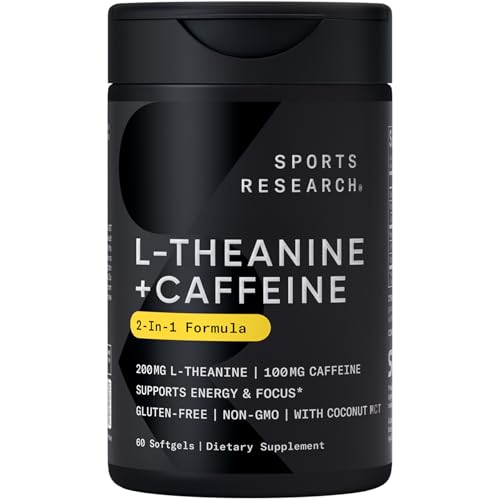
Sports Research L-Theanine Supplement with Caffeine & Coconut MCT Oil – Focused Energy, Alertness & Relaxation Without Drowsiness – 200mg L Theanine, 100mg Organic Caffeine – 60 Liquid Softgels
BETTER TOGETHER: Sports Research L-theanine and Caffeine offer 2-in-1 support by boosting mental focus and alertness while promoting…
As an affiliate, we earn on qualifying purchases.
As an affiliate, we earn on qualifying purchases.
Frequently Asked Questions
Are Caffeine and Capsaicin Safe for Human Consumption?
Caffeine and capsaicin are generally safe for human consumption in moderation, but you should be aware of potential plant toxicity and effects on human health. Too much caffeine can cause jitteriness, insomnia, or increased heart rate, while capsaicin may cause irritation or stomach upset. Always consume these chemicals responsibly, especially if you have underlying health conditions, and consult a healthcare professional if you’re unsure about their safety for you.
Do All Plants Produce Caffeine and Capsaicin?
Not all plants produce caffeine and capsaicin, as plant chemical diversity varies widely. These chemicals evolved as an evolutionary defense, helping plants ward off pests and herbivores. You’ll find caffeine mainly in coffee, tea, and cacao, while capsaicin is prominent in chili peppers. Many plants rely on different compounds for protection, so the presence of caffeine and capsaicin depends on the species’ specific defense strategies.
Can Caffeine and Capsaicin Be Used Medicinally?
You might be surprised to learn that caffeine and capsaicin are used medicinally, with caffeine aiding in alertness and pain relief, while capsaicin can reduce inflammation. These compounds, originally plant defenses, are extracted for health benefits. Remarkably, over 80% of pharmaceuticals are derived from plant compounds, highlighting their medicinal potential. You can enjoy their effects through teas, supplements, or topical creams, making them valuable tools in natural medicine.
How Do Plants Synthesize Caffeine and Capsaicin?
You can understand that plants synthesize caffeine and capsaicin through specific biosynthesis pathways involving enzymatic reactions. In caffeine production, enzymes convert precursors like xanthosine into caffeine via methylation steps. For capsaicin, the process involves enzymatic steps that combine vanillylamine with fatty acid derivatives. These biosynthesis pathways enable plants to produce these chemicals efficiently, serving their protective functions.
Are There Environmental Impacts From Harvesting These Compounds?
When you harvest caffeine and capsaicin, your practices can impact the environment. Unsustainable harvesting methods may lead to habitat destruction, soil erosion, and loss of biodiversity. Overharvesting can also deplete plant populations, threatening their survival. To mitigate ecological effects, adopt sustainable harvesting practices, such as selective collection and supporting responsible growers. This helps preserve ecosystems and ensures these valuable compounds remain available for future generations.

First Taste Capsaicin Super Hot & Spicy Chili Pepper Powder_14.1oz(400g)_Original Korean Hot Chili Pepper Powder
EXTREMELY SPICY TASTE – Highly concentrated extreme hot powder that delivers strong heat. Only a small amount is…
As an affiliate, we earn on qualifying purchases.
As an affiliate, we earn on qualifying purchases.
Conclusion
You might think these chemicals only serve as plant defenses, but research suggests they also benefit us in unexpected ways. For instance, caffeine boosts alertness, and capsaicin can reduce pain. This shows that what plants produce for protection can indirectly support our health. So, the idea that these compounds are just defenses isn’t entirely true—they’re also natural resources that can enhance our well-being when used thoughtfully.
![Nguyen Coffee Supply - Hanoi Robusta: Dark Roast Premium Whole Coffee Beans, Vietnamese Single Origin, Direct Trade, Low Acid with High Caffeine Content, Roasted in Brooklyn [12 oz Bag]](https://m.media-amazon.com/images/I/41GRF9fr06L._SL500_.jpg)
Nguyen Coffee Supply – Hanoi Robusta: Dark Roast Premium Whole Coffee Beans, Vietnamese Single Origin, Direct Trade, Low Acid with High Caffeine Content, Roasted in Brooklyn [12 oz Bag]
BOLD & RICH COFFEE, DARK ROAST: Our Hanoi roast is strong and rich with notes of figs and…
As an affiliate, we earn on qualifying purchases.
As an affiliate, we earn on qualifying purchases.

First Taste Korean Capsaicin Super Hot & Spicy Sauce (550g / 19.4oz)
EXTREMELY SPICY TASTE – This sauce is suitable for those who enjoy the spicy taste because it tastes…
As an affiliate, we earn on qualifying purchases.
As an affiliate, we earn on qualifying purchases.