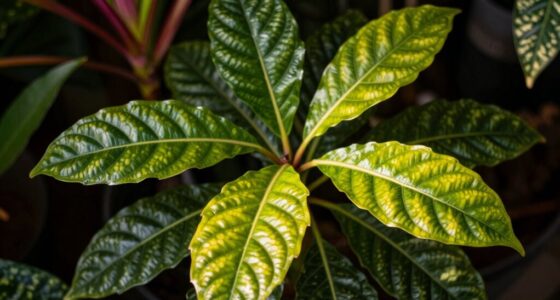
Resurrecting the Franklin Tree involves combining conservation strategies like cultivating it in botanical gardens and reintroducing it into carefully chosen wild habitats. By propagating from seeds or cuttings, maintaining genetic diversity, and restoring native ecosystems, you can help bring this species back from the brink. Community involvement and education further support ongoing efforts. To discover how these strategies are making a difference, explore the detailed steps that are turning this rare species into a thriving part of the landscape.
Key Takeaways
- Conservation efforts combine ex-situ cultivation and habitat restoration to reintroduce the Franklin Tree into its native environment.
- Propagation through seeds and cuttings maintains genetic diversity and supports healthy population growth.
- Restoring native habitats by removing invasive species and planting supportive flora enhances survival prospects.
- Community engagement and education raise awareness, garner support, and secure funding for ongoing conservation initiatives.
- Successful revival demonstrates how strategic conservation can reverse species decline and preserve natural heritage.

The Franklin Tree, once thought extinct, is experiencing a remarkable revival thanks to dedicated conservation efforts. This rare species, native to the southeastern United States, disappeared from the wild decades ago, but through targeted conservation strategies, it’s now making a comeback. Your role in this process involves understanding how botanical restoration plays an essential part in bringing the Franklin Tree back from the brink of extinction. These strategies are carefully designed to restore not only the plant itself but also the ecosystem it once thrived in, guaranteeing its long-term survival.
Conservation strategies for the Franklin Tree focus on a combination of ex-situ and in-situ approaches. You might participate in cultivating the plant in controlled environments, such as botanical gardens, where you can monitor its growth, health, and reproductive success. This botanical restoration process involves propagating the tree from seeds or cuttings, maintaining genetic diversity, and ensuring the plants are healthy enough to reintroduce into the wild. Your efforts help create a robust gene pool, essential for the species’ resilience and adaptability.
Cultivating the Franklin Tree in botanical gardens ensures genetic diversity and successful reintroduction into the wild.
When it comes to botanical restoration, you play a key role in selecting suitable sites for reintroduction. These sites must mimic the Franklin Tree’s original habitat, with proper soil conditions, moisture levels, and surrounding plant life. Restoring the native habitat involves removing invasive species, planting native flora, and managing the landscape to support the Franklin Tree’s growth. Your involvement might include planting seedlings, monitoring their progress, and taking steps to protect young trees from threats like pests or disease. By doing so, you help establish a sustainable environment where the Franklin Tree can thrive naturally.
Community engagement and education are integral to these conservation efforts. You might participate in outreach programs that raise awareness about the Franklin Tree’s importance and its history of near-extinction. These initiatives foster support for ongoing botanical restoration projects and emphasize the importance of preserving native plant species. Your dedication to these efforts helps secure funding and volunteer participation, which are indispensable for the long-term success of the recovery process.
Ultimately, the revival of the Franklin Tree demonstrates how strategic conservation efforts and botanical restoration can turn the tide for endangered species. Your active participation in these initiatives ensures that this ancient, beautiful tree isn’t just a relic of the past but a living part of our natural heritage once again. Every seed planted, every habitat restored, and every effort made brings the Franklin Tree closer to a thriving future, proving that dedicated conservation strategies can truly make a difference.

Guardians Of The Apple Tree Seedlings
As an affiliate, we earn on qualifying purchases.
As an affiliate, we earn on qualifying purchases.
Frequently Asked Questions
Are Franklin Trees Toxic to Humans or Animals?
You should know that Franklin trees are considered non-toxic to humans and animals, making them safe for contact and planting around pets and children. Their plant toxicity is minimal, so there’s little risk of poisoning if touched or accidentally ingested small parts. However, it’s always wise to supervise children and pets around any plant, and wash your hands after handling, to guarantee animal safety and prevent any unforeseen allergic reactions.
How Long Does It Take to Grow a Mature Franklin Tree?
You’ll find that it takes about 10 to 15 years for a Franklin tree to reach full maturity. During this growth timeline, patience is key, as the tree develops its graceful form and stunning blooms. While the maturity age varies depending on growing conditions, consistent care speeds up the process. With time and attention, you’ll witness the tree’s enchanting presence fully unfold, rewarding your dedication with vibrant blossoms.
Can Franklin Trees Be Cultivated Outside Their Native Range?
You can cultivate Franklin trees outside their native range, but you’ll face specific cultivation challenges. Using propagation techniques like seed sowing or grafting can help, but they require patience and precise conditions. The tree’s sensitivity to climate and soil makes successful growth tricky, so you’ll need to mimic its natural environment closely. With careful attention and proper techniques, you can successfully grow Franklin trees beyond their native habitat.
What Are the Main Threats Currently Facing Franklin Trees?
You should know that habitat destruction and invasive species are the main threats facing Franklin trees today. Urban development and land clearing reduce their natural habitat, making survival harder. Invasive plants and insects compete for resources or damage the trees, further endangering them. To protect these unique trees, you need to support conservation efforts that address habitat preservation and control invasive species, helping guarantee their future.
Are There Any Legal Protections for the Franklin Tree?
Yes, there are legal protections for the Franklin Tree. Conservation laws at state and federal levels safeguard this rare species, restricting habitat destruction and illegal collection. You should know that these legal protections help guarantee the tree’s survival by promoting conservation efforts and preventing activities that threaten its existence. Supporting these laws and respecting protected areas can make a real difference in saving the Franklin Tree from extinction.
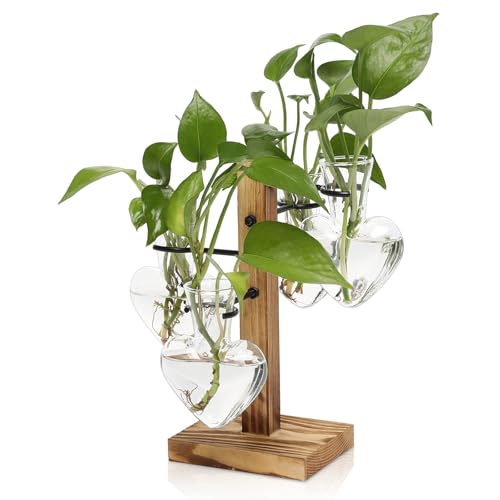
CYZglass Plant Terrarium Propagation Stations with Wooden Stand
【🌈Colored Glass Bottle】Plant vase is made of high borosilicate glass and handcrafted through high-temperature firing. Its colors are…
As an affiliate, we earn on qualifying purchases.
As an affiliate, we earn on qualifying purchases.
Conclusion
By working together and applying innovative conservation efforts, you’re helping to bring the Franklin Tree back from the brink. Every small step you take adds up, proving that hope isn’t lost for even the most endangered species. Remember, when it comes to saving our planet’s treasures, you can’t afford to sit on the fence. With dedication and teamwork, you’re turning the tide and showing that it’s never too late to make a difference.

Melphoe 25Pcs Mini Garden Hand Transplanting Succulent Tools Set, 39.4" Thickened Repotting Mat & Plant Tag, Miniature Planting Indoor Fairy Care, Potting, Cactus, Houseplant Bonsai Tool Kit (Black)
Comprehensive Small Garden Tools: Our indoor garden kit Not only for succulents, but also suitable for bonsai plants,…
As an affiliate, we earn on qualifying purchases.
As an affiliate, we earn on qualifying purchases.

Bringing Nature Home: How You Can Sustain Wildlife with Native Plants, Updated and Expanded
As an affiliate, we earn on qualifying purchases.
As an affiliate, we earn on qualifying purchases.