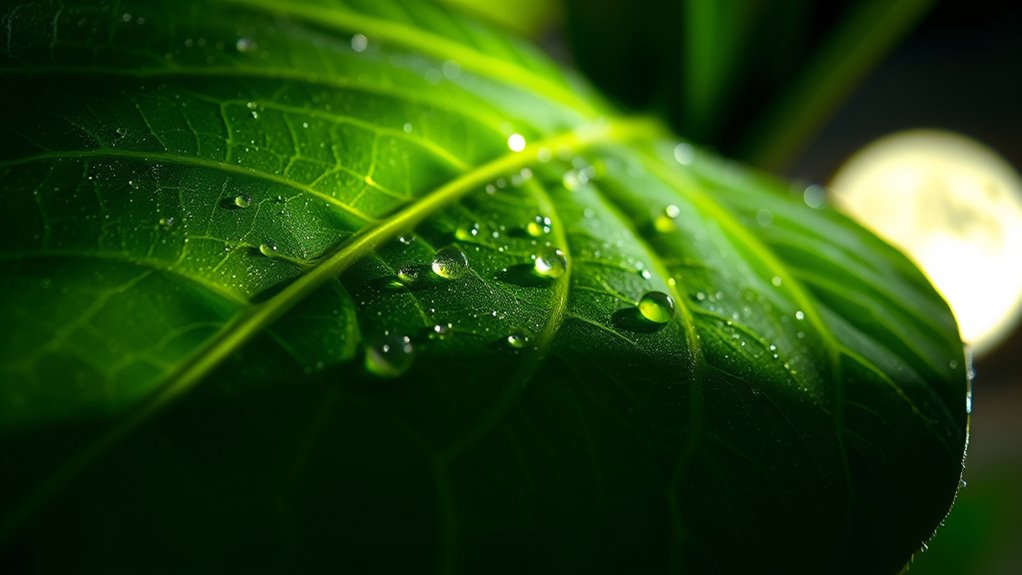

At night, the sugars your plant produces during the day are transported from the leaves to other parts like roots, stems, and growing tissues. These sugars, mainly glucose, are broken down through cellular respiration to release energy your plant needs for growth, repair, and maintenance. Even without sunlight, this process keeps the plant alive and healthy. Keep exploring to discover how your plant balances energy production and usage around the clock.

Get the little things that make your day delivered free — and shop member deals
- Fast, free delivery on millions of items
- Access to Prime Big Deal Days deals on October 6–7
- Prime Video, Amazon Music and more included
Key Takeaways
- Sugars produced during the day are stored or transported to various plant parts for nighttime use.
- At night, stored sugars like glucose are broken down through cellular respiration to release energy.
- The energy generated supports essential functions such as growth, repair, and nutrient transport.
- Sugars are converted into carbon dioxide, water, and energy during respiration, fueling plant activities overnight.
- The majority of sugars are used internally, ensuring the plant remains healthy and active until daylight returns.
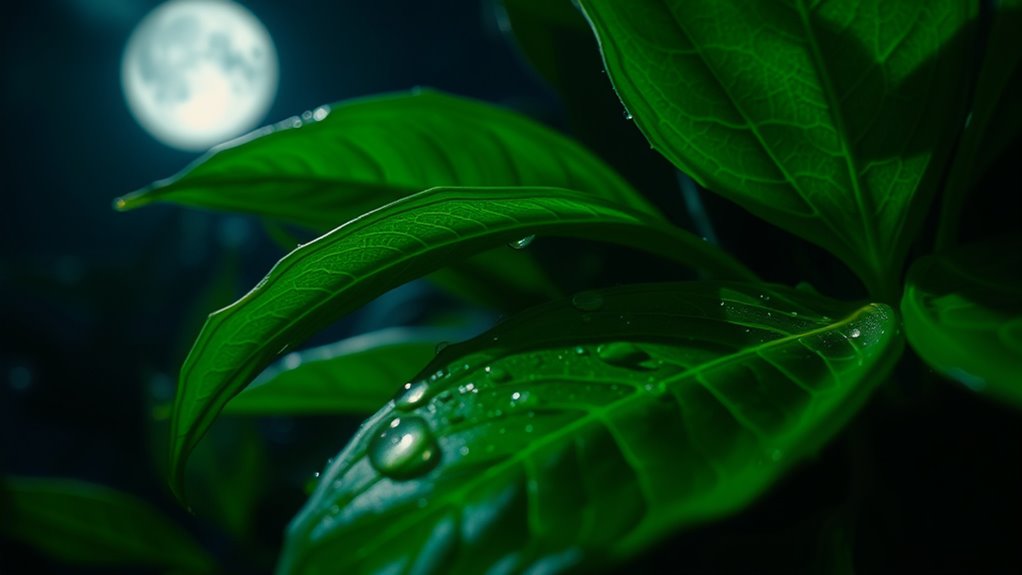
Have you ever wondered what plants do when the sun sets? During daylight hours, plants are busy photosynthesizing, converting sunlight into the sugars they need to grow and function. But as night falls and the sun disappears, your plants shift gears. They switch from making energy to using it. This process is called respiration, and it’s essential for their survival. When photosynthesis slows down, plants rely on the sugars produced earlier in the day, breaking them down to release energy. It’s like their version of midnight fueling.
At night, plants switch from making energy to using stored sugars to stay alive and healthy.
At night, your plants are actively consuming the stored sugars to sustain crucial functions. These sugars—mainly glucose—are transported from the leaves, where they’re produced, to other parts of the plant such as roots, stems, and developing tissues. The process begins with cellular respiration, which takes place in tiny structures inside the cells called mitochondria. Think of mitochondria as the power plants of your plant cells. They break down the sugars in the presence of oxygen, releasing energy that the plant needs to carry out essential activities like nutrient uptake, growth, and repair. Cellular respiration is a vital process that keeps your plants alive and thriving through the night.
The energy produced during respiration isn’t just for immediate use; it also fuels processes that support the plant’s overall health. For instance, it helps maintain the structure of cell walls, supports the transport of nutrients through the plant, and even assists in defending against pests or diseases. The sugars don’t vanish; instead, they’re converted into carbon dioxide, water, and energy. The carbon dioxide is then released back into the environment, sometimes even at night, especially in plants that continue to respire after sunset.
This nighttime activity is critical because it balances the plant’s energy budget. While photosynthesis halts without sunlight, respiration keeps going, ensuring the plant stays alive and healthy until dawn. It’s a delicate dance—photosynthesis builds up the sugars during the day, and respiration consumes them at night. Without respiration, the plant wouldn’t have the energy it needs for growth or maintenance, and without the sugars produced during the day, respiration wouldn’t have the fuel to operate. So, even in darkness, your plants are hard at work, turning stored sugars into the energy that keeps them thriving.
As an affiliate, we earn on qualifying purchases.
Frequently Asked Questions
How Does Plant Respiration Differ From Photosynthesis?
Plant respiration breaks down sugars to release energy for growth and maintenance, happening continuously both day and night. Photosynthesis, on the other hand, occurs only during the day, converting sunlight into sugars. You can think of respiration as the plant’s way of using stored energy, while photosynthesis is how it creates that energy. The key difference is that respiration releases energy, whereas photosynthesis stores it in sugars.
Do All Plants Respire at Night Equally?
Not all plants respire equally at night. Factors like plant type, size, and health influence their respiration rate. For instance, larger or more active plants may respire more, while dormant or less active plants respire less. Environmental conditions such as temperature and oxygen availability also play a role. You’ll notice some plants seem more lively at night, indicating higher respiration, while others stay relatively quiet.
What Role Do Nighttime Sugars Play in Plant Growth?
Nighttime sugars fuel your plant’s growth by supporting cell division, extending roots, and strengthening stems. They power repair processes, bolster defenses against pests and diseases, and help develop flowers and fruits. You can think of these sugars as the plant’s nighttime energy reserves, working quietly behind the scenes. By providing energy for essential functions, these sugars guarantee your plant stays healthy, resilient, and ready to thrive with each new day.
Can Environmental Factors Affect Plant Respiration Rates?
Yes, environmental factors can definitely affect your plant’s respiration rates. Factors like temperature, humidity, and oxygen levels influence how efficiently your plant converts sugars into energy. Warmer temperatures usually speed up respiration, while cold slows it down. Low oxygen levels can hinder the process, and high humidity may also impact it. Keeping these conditions ideal helps your plant breathe better and stay healthy.
How Do Plants Balance Respiration and Energy Storage?
You might think plants always burn energy, but they carefully balance respiration and storage. During the day, they use sugars for growth and energy, while at night, they slow respiration to conserve. Excess sugars are stored as starch, ready for when sunlight returns. This delicate balance keeps your plants healthy, allowing them to thrive in changing conditions. You can support this process by ensuring proper light, water, and nutrients.
As an affiliate, we earn on qualifying purchases.
Conclusion
At night, your plant’s sugars are busy fueling respiration, supporting essential processes while you sleep. It’s a delicate balance that keeps your plant healthy and thriving. Remember, what happens in the dark often shapes what blooms in the light. So, pay attention to its nighttime needs, and you’ll help it grow strong and resilient. Sometimes, you have to look beneath the surface to truly understand how life sustains itself—there’s more than meets the eye.
As an affiliate, we earn on qualifying purchases.
plant respiration educational kit
As an affiliate, we earn on qualifying purchases.
As an affiliate, we earn on qualifying purchases.
Halloween Picks
halloween
As an affiliate, we earn on qualifying purchases.