For an indoor ginger growing project, I would start with sprouting Zingiber officinale rhizomes if the goal is edible ginger, choose the two live ginger plants for a more established start, and look at Awapuhi shampoo ginger for tropical foliage rather than a standard cooking harvest. These are not interchangeable kits: one provides active rhizomes of culinary ginger, one arrives as rooted plants, and one is a distinct ornamental species with outdoor-focused guidance.

Get the little things that make your day delivered free with Prime
- Fast, free delivery on millions of items
- Prime Video, Amazon Music and more included
- Member-only deals all year
My ranking puts the three sprouting culinary rhizomes first because their indoor-and-outdoor use and stated cooking purpose most directly match what many people mean by growing ginger at home. The live-plant set comes next for buyers who prefer rooted starts, while the shampoo ginger rhizomes suit gardeners drawn to a tropical plant and its seasonal blooms. The tradeoffs are practical: indoor suitability is clearest for the first and third listings, the live plants need steady moisture and filtered light, and the Awapuhi listing describes outdoor use rather than clearly establishing it as an indoor kit.
Key Takeaways
- For culinary ginger, choose the three sprouting Zingiber officinale rhizomes: they are described as ready to plant and intended to produce ginger for cooking, tea, and baking.
- For a rooted start, choose the two live ginger plants: they arrive as established plants, but need moist, well-drained soil and a bright indoor position.
- Awapuhi shampoo ginger is a different growing goal: its appeal is tropical foliage and summer-to-fall blooms, not a clearly stated cooking-ginger harvest.
- All three need warmth and attention to moisture: none should be treated as a set-and-forget indoor houseplant.
- Check the indoor-use details before buying: the sprouting rhizomes and live plants explicitly mention indoor growing; Awapuhi is presented primarily for outdoor gardens or pots.
| 3 Sprouting Ginger Rhizomes for Planting, Zingiber officinale |  | Best Overall for Culinary Ginger | Plant: Zingiber officinale | Quantity: 3 sprouting rhizomes | Starting condition: Active growth nodes; bare root | VIEW LATEST PRICE | See Our Full Breakdown |
| Live Ginger Plants, Set of 2, 4–7 Inches Tall |  | Best for a Rooted Start | Plant type: Ginger | Quantity: 2 plants | Starting height: 4–7 inches | VIEW LATEST PRICE | See Our Full Breakdown |
| Awapuhi Shampoo Ginger Rhizomes, 2-Pack |  | Best for Tropical Foliage and Blooms | Plant type: Awapuhi shampoo ginger | Quantity: 2 rhizomes | Rhizome length: Approximately 6–8 inches | VIEW LATEST PRICE | See Our Full Breakdown |
| indoor ginger growing kit | Quantity | Growing location | Soil | Starting condition |
|---|---|---|---|---|
| 3 Sprouting Ginger Rhizomes fo | 3 sprouting rhizomes | Indoor and outdoor | Rich, loose soil | Active growth nodes; bare root |
| Live Ginger Plants | 2 plants | Indoors or outdoors | Rich, moist, well-drained | Well-rooted plants |
| Awapuhi Shampoo Ginger Rhizome | 2 rhizomes | Outdoor gardens or pots | Sandy soil | — |
More Details on Our Top Picks
3 Sprouting Ginger Rhizomes for Planting, Zingiber officinale
This is my first choice for an indoor grower whose main aim is to raise culinary ginger. The listing identifies the plant as Zingiber officinale, supplies three rhizomes with active growth nodes, and explicitly describes indoor as well as outdoor growing. That combination makes its purpose easier to judge than the Awapuhi shampoo ginger, which is a different type of ginger and is presented mainly for outdoor planting and tropical looks.
The active nodes are a useful starting detail: the rhizomes are described as ready to plant and already sprouting, rather than dormant pieces that depend entirely on the buyer to prompt initial growth. Still, that does not mean the plant will thrive without a suitable setup. It calls for warm conditions, regular watering, rich loose soil, and filtered light or partial shade. A sunny, dry windowsill is a poor match if it gets hot and dries the pot quickly.
Compared with the live-plant pair, this option starts with rhizomes rather than small rooted plants. That may suit a gardener who wants several planting pieces and is comfortable managing early growth, while the live set may feel more straightforward to someone who prefers an established plant form. The product is also described as suitable for containers, which is useful indoors, though the listing does not specify pot size or promise a particular harvest quantity. It is a planting-material choice, not a complete growing kit with soil, a container, or lighting supplied.
The main limitation is the need for warmth and consistent moisture. The listed height of up to four feet also means this is not the most space-saving option if it grows well; a compact tabletop display is not its intended outcome. In cooler climates, the listing advises moving plants indoors, so outdoor placement should not be assumed to work year-round. Compared with Awapuhi, this is the clearer edible-ginger choice; compared with the rooted plants, it offers more rhizomes but asks the buyer to establish them.
Pros:- Three sprouting rhizomes have active growth nodes and are described as ready to plant.
- The listing explicitly supports indoor and outdoor growing.
- Identified as Zingiber officinale for culinary ginger use.
- Rich loose soil, filtered light, and regular watering provide a clear basic growing profile.
Cons:- Needs warmth and regular moisture, which may require close attention indoors.
- May need to move indoors in cooler climates and can grow up to four feet tall.
- Bare-root rhizomes do not include a pot, soil, or other growing equipment in the supplied details.
Best for: Indoor growers who want to plant culinary Zingiber officinale for cooking, tea, or baking and can provide a warm, moist container setup.
Not ideal for: Buyers seeking a fully supplied kit, a low-effort dry-room plant, a small permanent windowsill specimen, or a guaranteed harvest timeline.
- Plant:Zingiber officinale
- Quantity:3 sprouting rhizomes
- Starting condition:Active growth nodes; bare root
- Growing location:Indoor and outdoor
- Light:Filtered light or partial shade
- Soil:Rich, loose soil
- Watering:Regular watering
- Expected height:Up to 4 feet
- Hardiness zone:USDA zones 8–12
Our verdict“I rank these sprouting culinary rhizomes first for indoor ginger growing because their intended use, active nodes, and indoor suitability are clearest.”
Live Ginger Plants, Set of 2, 4–7 Inches Tall
I would choose this pair when receiving rooted plants matters more than starting from rhizomes. The two plants are listed at four to seven inches tall and described as well-rooted, so the buyer starts with visible plant growth rather than the planting stage represented by the sprouting-rhizome option. For someone setting up an indoor container garden, that can make the project feel more tangible from the beginning.
The listing allows indoor or outdoor growing and calls for rich, moist, well-drained soil with partial shade to filtered sunlight. That light guidance makes it more suitable for a bright room that does not receive harsh direct sun than for a dim corner. The product information also lists full sun in its features, which creates some ambiguity against the more specific partial-shade-to-filtered-light description. I would plan around the clearer, gentler-light guidance rather than assume a sunny exposure is required.
Compared with the three Zingiber officinale rhizomes, this set is less explicit about culinary use and provides fewer starting pieces, but it arrives as rooted plants. That difference can matter to buyers who would rather care for a small growing plant than establish rhizomes. Compared with Awapuhi shampoo ginger, it is the more direct indoor candidate because indoor growing is specifically stated; the Awapuhi listing instead emphasizes outdoor use. Its main advantage is the plant form, not a documented harvest advantage: the supplied details do not specify a harvest schedule or yield.
These are still living plants with real care requirements. They need consistently moist soil without poor drainage, so watering cannot mean keeping the roots waterlogged. The outdoor range is USDA zones 8–12, which limits year-round outdoor placement in colder regions, though the listing says the plants can be grown indoors in bright locations there. I would skip this pair if I wanted a compact, self-watering setup or highly detailed indoor instructions; it provides a sound starting point, but not a complete kit or a full care system.
Pros:- Includes two well-rooted plants rather than unrooted planting pieces.
- Indoor and outdoor growing are both listed.
- The 4–7-inch starting height gives buyers a clear sense of the plants’ initial size.
- Can suit containers, herb gardens, and edible landscapes.
Cons:- Needs consistent moisture while still requiring well-drained soil.
- The light details are mixed, listing partial shade and filtered light as well as full sun.
- Outdoor growing is suited to USDA zones 8–12; no harvest timing or yield is specified.
Best for: A home gardener who wants two already-rooted ginger plants for bright indoor containers or a suitable warm-climate outdoor garden.
Not ideal for: Anyone looking specifically for sprouting culinary rhizomes, a low-water plant, or a listing with unambiguous light directions and supplied growing accessories.
- Plant type:Ginger
- Quantity:2 plants
- Starting height:4–7 inches
- Starting condition:Well-rooted plants
- Sunlight:Partial shade to filtered sunlight; features also list full sun
- Soil:Rich, moist, well-drained
- Growing location:Indoors or outdoors
- Outdoor hardiness:USDA zones 8–12
- Brand:UIOTER
Our verdict“I recommend this pair to buyers who prefer small rooted plants, while the sprouting-rhizome option is a clearer pick for a specifically culinary indoor crop.”
Awapuhi Shampoo Ginger Rhizomes, 2-Pack
This is the most specialized pick in the group. Awapuhi shampoo ginger is not the same buying proposition as culinary Zingiber officinale: this two-rhizome set is framed around a tropical ornamental plant, with an expected summer-to-fall bloom period. I would choose it for the plant’s foliage and flowering interest, not as my first recommendation for a kitchen ginger harvest.
The rhizomes are approximately six to eight inches long, and the listing says they can grow in garden beds or pots. It calls for partial shade and sandy soil, a different mix of guidance from the rich, loose soil recommended for the sprouting culinary ginger. That distinction helps buyers match the plant to their growing space, but it also means the products should not be treated as substitutes. If the goal is edible ginger indoors, the Zingiber officinale pack has a much clearer use case and explicitly names indoor growing.
The largest concern for this roundup is that the product details specify outdoor use, even though the title may appeal to anyone looking for a ginger plant to grow in a pot. A pot can be outdoors; it does not establish that the plant is suited to a typical indoor room. I would want to confirm local growing conditions and whether a warm, bright indoor location is appropriate before buying it for home interiors. Compared with the live ginger plants, this option has a distinct species and bloom feature, but less direct support for indoor use.
Its low-maintenance description may attract beginners, but I would not read that as a promise of no care. Partial shade and sandy soil are still specified, and a tropical plant may not suit every climate. The two rhizomes also do not come with stated harvest expectations, indoor-care instructions, or supplied equipment. For a tropical garden or outdoor pot, it has a clear ornamental role; for a first indoor cooking-ginger project, I would put it behind both other options.
Pros:- Two sizeable rhizomes are supplied, each approximately 6–8 inches long.
- Can be planted in garden beds or pots.
- Partial shade and sandy soil give it a distinct growing profile.
- Expected to bloom from summer through fall and offers a tropical ornamental look.
Cons:- The listing specifies outdoor use rather than clearly confirming indoor growing.
- It is shampoo ginger, not the culinary Zingiber officinale recommended for cooking harvests.
- Tropical growing needs and sandy-soil guidance may not match every home or climate.
Best for: Gardeners who want a tropical Awapuhi plant for an outdoor bed or pot and value foliage and summer-to-fall bloom interest.
Not ideal for: Indoor growers focused on harvesting culinary ginger, buyers in climates unsuited to tropical plants, or anyone who needs clearly stated indoor growing guidance.
- Plant type:Awapuhi shampoo ginger
- Quantity:2 rhizomes
- Rhizome length:Approximately 6–8 inches
- Growing location:Outdoor gardens or pots
- Sunlight:Partial shade
- Soil:Sandy soil
- Expected bloom period:Summer to fall
- Special feature:Low maintenance
- Plant description:Heirloom
Our verdict“I would pick Awapuhi for tropical outdoor display and seasonal blooms, but not as my main choice for an indoor culinary ginger crop.”
How We Picked
I ranked these options by how directly they serve the specific job of growing ginger indoors, not by treating every ginger-like plant as a kitchen crop. I looked first at whether the listing identifies the plant as culinary Zingiber officinale, names indoor growing as an option, and provides usable guidance about light, soil, warmth, or watering. Those details matter because a ginger plant can be attractive without being the right choice for a buyer hoping to harvest cooking ginger.
I also compared the starting material. Sprouting rhizomes offer active growth nodes, while rooted plants begin at a different stage and may appeal to someone who would rather receive a small plant than plant a rhizome. The Awapuhi option is judged on its own terms: it is a tropical shampoo ginger with a stated bloom period and partial-shade preference, but its supplied growing-use detail says outdoor use. That makes it a more specialized pick for this indoor-focused roundup.
Finally, I weighed the effort implied by each description. Rich, loose or well-drained soil, regular moisture, and a warm, filtered-light position are recurring needs. I did not assume that “low maintenance” removes those requirements, nor did I infer harvest size, time to maturity, container dimensions, or included equipment that the product details do not specify. The order reflects fit and clarity of use: edible indoor ginger first, rooted general ginger second, and a distinct ornamental ginger third.
| indoor ginger growing kit | Starting condition | Growing location | Soil | Plant type |
|---|---|---|---|---|
| 3 Sprouting Ginger Rhizomes fo | Active growth nodes; bare root | Indoor and outdoor | Rich, loose soil | — |
| Live Ginger Plants | Well-rooted plants | Indoors or outdoors | Rich, moist, well-drained | Ginger |
| Awapuhi Shampoo Ginger Rhizome | — | Outdoor gardens or pots | Sandy soil | Awapuhi shampoo ginger |
Factors to Consider When Choosing Best Indoor Ginger Growing Kits
Before choosing a ginger growing option, I would decide what I want the plant to do. The word “ginger” covers different plants and starting forms here: culinary Zingiber officinale, rooted ginger plants, and Awapuhi shampoo ginger. The right purchase depends on whether I value edible rhizomes, an already-rooted start, or ornamental growth.
Start with the kind of ginger you want
If I want ginger for cooking, tea, or baking, I would favor the listing that names Zingiber officinale and describes a culinary purpose. That is the three-rhizome option. The UIOTER set is described simply as ginger plants, while the Awapuhi option is specifically shampoo ginger. A familiar name alone does not make these products equivalent, so I would match the plant identity to the intended use rather than assume every ginger listing is a food crop.
For a decorative tropical plant with a stated summer-to-fall bloom period, Awapuhi has a more suitable role. Its appeal is different from the edible-garden goal, and its outdoor-use description makes it a less direct fit for indoor kitchens and living rooms. If I am uncertain about plant identity or use, I would check the seller’s current growing information before buying rather than infer a harvest purpose from the word ginger.
Choose between rhizomes and rooted plants
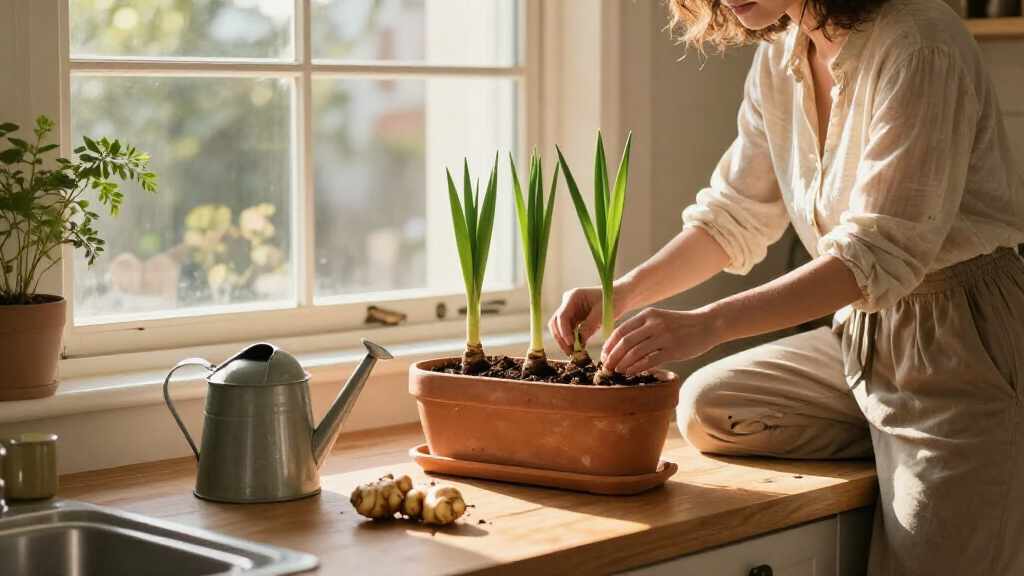
The starting material changes what I receive and what the first stage of care looks like. Sprouting rhizomes have active growth nodes and are intended to be planted, so they suit a buyer who is comfortable setting up a pot and establishing the plant. The Awapuhi product is also rhizome-based, though its species and outdoor emphasis distinguish it from the culinary option.
The two live ginger plants arrive well-rooted and already four to seven inches tall. That may be a better fit if I prefer to begin with visible plants rather than newly planted rhizomes. It does not remove the need to settle them into appropriate soil and a suitable location. None of these listings describes a full kit with all equipment included, so I would budget time to source a container and growing medium that match the plant’s needs.
Match light, warmth, and water to your home
Indoor ginger needs a growing spot that fits its stated conditions. The culinary rhizomes call for warmth, filtered light or partial shade, and regular watering. The live plants prefer rich, moist, well-drained soil and partial shade to filtered sunlight, although their feature list also mentions full sun. Because those directions do not fully align, I would avoid assuming that intense direct sun is necessary and would check for updated care advice.
Moist soil is not the same as waterlogged soil. The live plants specifically pair moisture with good drainage, while the culinary rhizomes are described as needing regular watering. I would check the growing medium and pot drainage instead of following a rigid watering schedule without regard to conditions. Warm indoor temperatures are also a practical requirement; a cold draft or a pot that dries rapidly can make the setup harder to manage.
Think about room and container space
Indoor growing takes up more than the footprint of a starter pot. The culinary ginger listing gives an expected height of up to four feet, so I would leave headroom and room for foliage rather than place it where it must stay miniature. The live plants are smaller at delivery, but their supplied details do not state a mature size. The Awapuhi listing also does not give a mature indoor dimension.
Because the listings do not specify container dimensions, I would choose a pot only after checking the seller’s current planting guidance and considering the available space. A container can make care and placement more manageable, but it does not by itself make an outdoor-focused plant an indoor one. For a narrow shelf or small desk, these options may be less suitable than their compact starting size suggests.
Set realistic expectations for harvest and climate
The culinary option is described as producing ginger for cooking, tea, and baking, but no harvest date, quantity, or rhizome size at maturity is provided. I would treat it as a growing project rather than a quick supply of fresh ginger. A buyer who needs a predictable harvest should not assume that the product description guarantees a particular yield.
Climate matters most if the plants will spend time outdoors. The two general ginger options list USDA zones 8–12 for outdoor growing, and the culinary listing says plants may need to move indoors in cooler climates. Awapuhi is described as tropical and outdoor-focused. Indoor placement can help in colder regions, but the provided descriptions do not promise year-round success in every home, so warmth and light still need attention.
Treat “kit” as planting stock unless accessories are listed
These products are best understood as plants or rhizomes for planting, not all-in-one indoor kits. The supplied descriptions do not list a pot, soil, grow light, fertilizer, or care equipment as included. That distinction affects the total setup effort: I would plan to provide an appropriate container and growing medium, and consider whether the room has enough natural light for the plant.
The most complete match to an indoor edible-growing goal is still the three sprouting culinary rhizomes, but it is not a finished grow station. The rooted pair may reduce the starting-from-rhizome step, while the Awapuhi option requires extra caution because its listed use is outdoor. Comparing what is actually included helps prevent buying planting material while expecting a full indoor growing system.
Frequently Asked Questions
Which of these options is best for growing ginger to cook with?
I would choose the three sprouting Zingiber officinale rhizomes. Their listing directly identifies culinary ginger and says the plant can produce ginger for cooking, teas, and baking. The two live plants are a reasonable alternative if I prefer rooted starts, but the supplied details do not describe them as specifically as a culinary crop. Awapuhi shampoo ginger is a distinct ornamental choice, not my first pick for a kitchen harvest.
Can I grow these ginger plants indoors?
The sprouting culinary rhizomes and the two live ginger plants are explicitly described for indoor and outdoor growing. The Awapuhi listing says outdoor gardens or pots, so I would not assume that it is a supported indoor option based on the provided details alone. Whichever product I choose, I would provide warmth, suitable light, and a container with appropriate drainage rather than relying on the product name to determine indoor performance.
Are the products complete indoor growing kits?
The supplied descriptions identify plants or rhizomes for planting, but they do not list a pot, soil, grow light, or other setup accessories as included. I would treat them as planting stock rather than complete kits and check the current product listing for exact package contents. Buyers who need an all-in-one setup may need to source the missing supplies separately or choose a product that explicitly lists them.
How much light and water does indoor ginger need?
The culinary rhizomes are described as preferring warm conditions, filtered light or partial shade, and regular watering. The live plants call for rich, moist, well-drained soil and partial shade to filtered sunlight, though their feature details also mention full sun. I would avoid both a persistently dry pot and waterlogged soil, and I would check the seller’s care guidance if the light instructions remain unclear.
Which option should I choose for a tropical ornamental plant?
I would choose the Awapuhi shampoo ginger rhizomes if I want a tropical-looking plant with an expected summer-to-fall bloom period and can follow its partial-shade, sandy-soil guidance. Its listing points to outdoor gardens or pots, so it is a stronger match for an outdoor ornamental role than for an indoor kitchen crop. For an indoor edible project, I would select the culinary rhizomes instead.
Conclusion
My pick for most people who want indoor culinary ginger is the three sprouting Zingiber officinale rhizomes: they have active growth nodes, a clearly stated edible purpose, and explicit indoor use. Choose the two live ginger plants if you would rather begin with rooted plants and can provide moist, well-drained soil plus filtered light. Choose Awapuhi shampoo ginger only if your priority is tropical ornamental growth and seasonal blooms, especially in an outdoor bed or pot.
I would skip all three if I need a complete grow kit with a pot and supplies included, a guaranteed harvest schedule, or a plant that can be ignored between waterings. For an indoor setup, the right match is the one whose species, starting form, and care demands fit both the purpose of the harvest and the space available.