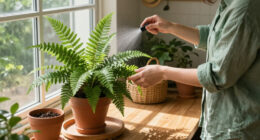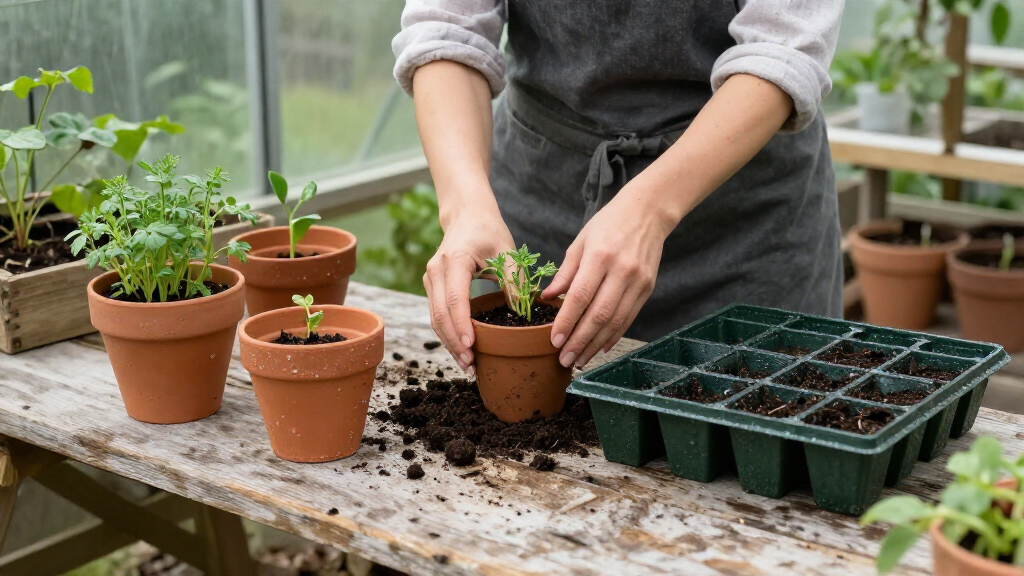
The best sustainable garden pots and trays balance lower-waste materials with practical seed starting, transplanting, and growing needs. My best overall pick is the Burpee SuperSeed 36-Cell Reusable Seed Starting Tray for gardeners who want a reusable alternative to disposable cells. For larger sowings, the Omitgoter 200-Cell Biodegradable Seed Starter Tray Set stands out for its many cells and included tools, while Gardzen’s 10-Pack Fabric Grow Bags suits gardeners who need containers for established plants. The main tradeoff is between reusable plastic, biodegradable peat that is planted or discarded after use, and fabric bags that need cleaning and storage. Read on for the full comparison and help matching a format to your space and planting plans.

Get the little things that make your day delivered free with Prime
- Fast, free delivery on millions of items
- Prime Video, Amazon Music and more included
- Member-only deals all year
Key Takeaways
- Reusable versus biodegradable is the main choice: Burpee’s 36-cell tray is the clearest fit for repeated seasons, while the peat-pot and peat-tray kits are intended for seedlings that will be transplanted.
- Cell count changes workload as well as capacity: The Omitgoter 200-cell set and several 240-cell kits suit broad sowing plans, but small cells can mean more careful watering and earlier transplanting.
- Peat-pot packs differ most by scale and extras: Options range from 60-pot sets with labels to JNYONG’s 120 four-inch pots, so match pack size to the number and size of seedlings you will actually raise.
- Fabric grow bags serve a different stage of gardening: Gardzen and VIVOSUN both offer five-gallon bags with handles, making them relevant for growing larger plants rather than starting many tiny seeds.
- Included tools and labels are useful, not a substitute for fit: Kits such as Omitgoter and Loongesho bundle accessories, but cell size, drainage, storage, and the planned reuse cycle should drive the choice.


| sustainable garden pots and tray | Material | Brand |
|---|---|---|
| Omitgoter 200-Cell Biodegradab | Natural pulp | Omitgoter |
| Vayantgo 5-Inch Biodegradable | Pulp and plant fibers | Vayantgo |
| Burpee SuperSeed 36-Cell Reusa | Food-grade silicone cells | Burpee |
| JNYONG 4-Inch Biodegradable Pe | Recycled pulp and plant fibers | JNYONG |
| Doubleggs 120-Cell Biodegradab | Wood pulp | Doubleggs |
| Gardzen 10-Pack 5-Gallon Fabri | 300G thick nonwoven fabric | Gardzen |
| 60 Biodegradable Peat Pots for | Peat, recycled pulp, and plant fibers | — |
| Dalzom 60 Biodegradable Peat P | 100% recycled pulp | — |
| VIVOSUN 5-Pack 5-Gallon Fabric | 300 g nonwoven fabric | VIVOSUN |
| 240-Cell Seed Starter Kit with | Paper pulp | Sayehuanye |
| DANALLAN Biodegradable Seed St | Biodegradable paper | DANALLAN |
| Loongesho Biodegradable Seed S | Paper | Loongesho |
More Details on Our Top Picks
Omitgoter 200-Cell Biodegradable Seed Starter Tray Set with Labels and Tools
Omitgoter’s 200 cells make this the strongest fit here for gardeners starting many varieties or planting a large batch at once. Its natural-pulp pots can go into the ground with seedlings, reducing root disturbance without leaving plastic cells behind. Compared with the Burpee SuperSeed, which is reusable and easier to clean between seasons, Omitgoter favors biodegradable single-use planting over long-term reuse. Airflow and drainage support healthier growing conditions, while the included labels and starter tools give beginners a more complete setup. The trays can also be cut into smaller sections, though the rectangular shape may not sit neatly in every pot holder. Keep them out of standing water: the pulp can break down if it stays wet for too long.
Pros:- 200 biodegradable cells suit high-volume seed starting
- Natural pulp offers airflow and drainage
- Includes T-type labels and starter tools
- Trays can be cut into smaller sections
Cons:- Pulp may degrade if left in water for extended periods
- Rectangular trays may not fit all standard circular pot holders
Best for: Gardeners starting a large mix of seeds who want biodegradable cells, labels, and basic tools in one kit.
Not ideal for: Gardeners seeking durable, season-after-season trays or a set that can sit in water for extended periods.
- Brand:Omitgoter
- Material:Natural pulp
- Total cells:200
- Pot count:20
- Cells per tray:10
- Dimensions:2 × 10 × 2 inches
- Included components:T-type labels and starter tools
- Use:Indoor and outdoor
Our verdict“Choose Omitgoter for a large biodegradable seed-starting batch, but pick the reusable Burpee tray if repeated use matters more than planting cells directly into soil.”
Vayantgo 5-Inch Biodegradable Peat Pots with Plant Labels, 10-Pack
Vayantgo’s 5.1-inch pots give individual seedlings more room than the small cells in the Doubleggs kit, making them a better match for plants that need space before transplanting. Their pulp-and-plant-fiber construction, breathable sides, and drainage holes support direct planting in the soil, where the pot can break down around the roots. The set includes labels, but its 10-pot quantity is modest beside JNYONG’s 120-pot pack, so it suits a few larger starts rather than a crowded propagation project. The description says the pots are designed to maintain structure when wet, yet they remain single-season biodegradable containers—not permanent nursery pots. Skip them if you need a long-lasting pot or a high count of small seed cells.
Pros:- 5.1-inch size gives individual seedlings more space than small-cell kits
- Pulp and plant fibers can be planted directly in soil
- Breathable sides and drainage holes support airflow and water release
- Includes a label for each pot
Cons:- Only 10 pots are included
- Designed for a single growing season rather than repeated use
- Larger pots take more space than compact multi-cell trays
Best for: Gardeners raising a small number of larger seedlings that need more room before being planted outdoors.
Not ideal for: Gardeners starting many seeds on a tight tray footprint or seeking reusable pots for multiple seasons.
- Brand:Vayantgo
- Quantity:10 pots and 10 plant labels
- Material:Pulp and plant fibers
- Pot dimensions:5.1 × 3.94 × 5.1 inches
- Pot diameter:5.1 inches
- Shape:Oval
- Features:Biodegradable, breathable, with drainage holes
- Use:Indoor and outdoor
Our verdict“Pick Vayantgo for a small number of roomier biodegradable starts; choose JNYONG when you need many more pots or Doubleggs for compact multi-seed propagation.”
Burpee SuperSeed 36-Cell Reusable Seed Starting Tray
Burpee’s food-grade silicone cells set it apart from the pulp pots elsewhere in this roundup: flexing each cell helps release seedlings, and the tray can be washed and used again instead of planted into the garden. That makes it the pick for gardeners who want to limit disposable growing supplies over multiple seasons. Compared with Omitgoter’s 200 biodegradable cells, Burpee offers far fewer starts per tray and does not go into the soil with a seedling. Its drainage slots, water channels, and raised edge help manage moisture indoors, while labeled rows and the Plant-o-Gram diagram aid identification. Top-rack dishwasher care simplifies cleanup, but seeds, mix, and lighting are not included, and this tray is intended for indoor starting.
Pros:- Reusable silicone cells reduce reliance on disposable pots
- Flexible cells help release seedlings for transplanting
- Drainage slots and water channels help manage moisture
- Top-rack dishwasher safe, with labeled rows and a Plant-o-Gram diagram
Cons:- 36 cells provide less capacity than Omitgoter’s 200-cell set
- Seed, growing mix, and lighting are not included
- Designed for indoor seed starting rather than direct outdoor use
Best for: Gardeners who start seeds indoors each season and prefer a washable, reusable tray over disposable biodegradable cells.
Not ideal for: Gardeners who want to transplant the container with the seedling or need a tray for outdoor seed starting.
- Brand:Burpee
- Cell count:36
- Material:Food-grade silicone cells
- Dimensions:11.5 × 10⅜ × 2¼ inches
- Shape:Square
- Included components:Instruction manual and Plant-o-Gram diagram
- Care:Top-shelf dishwasher safe
- Color:Blue
Our verdict“Choose Burpee if washable reuse is your priority; choose a biodegradable pulp kit if you want to plant the container with each seedling.”
JNYONG 4-Inch Biodegradable Peat Pots, 120 Pack
JNYONG’s 120 round pots are the bulk choice for gardeners who want separate biodegradable containers rather than tightly packed seed cells. Each 4-inch pot has four drainage holes, and the recycled-pulp-and-plant-fiber material can be planted directly in soil to reduce root disturbance. Compared with Vayantgo’s larger 5.1-inch pots, JNYONG gives up some room per plant in exchange for a much larger quantity; unlike Doubleggs, it does not bundle labels or transplanting tools. The round shape suits individual starts, but these are paper-based pots designed to biodegrade, not reusable containers. That tradeoff fits direct planting, though gardeners needing long-lived pots or detailed seed organization should look elsewhere.
Pros:- 120 pots support a large number of individual starts
- Made from recycled pulp and plant fibers
- Four drainage holes per pot support water flow
- Can be planted directly in soil to limit root disturbance
Cons:- Paper-based pots biodegrade rather than serving as reusable containers
- No labels or planting tools are included
- Four-inch diameter offers less room than Vayantgo’s 5.1-inch pots
Best for: Gardeners raising many individual seedlings who want recycled-fiber pots that can be planted directly into the garden.
Not ideal for: Gardeners seeking reusable containers, included plant labels, or larger pots for seedlings that need extra growing room.
- Brand:JNYONG
- Quantity:120 pots
- Diameter:4 inches
- Material:Recycled pulp and plant fibers
- Shape:Round
- Drainage:4 holes per pot
- Weight:8 ounces
- Use:Indoor and outdoor
Our verdict“Choose JNYONG for a high quantity of standard-size biodegradable pots, but favor Vayantgo for fewer, larger containers or Doubleggs for included labels and tools.”
Doubleggs 120-Cell Biodegradable Seed Starter Tray Kit, 10 Pack
Doubleggs balances 120 small cells with a notably useful set of planting accessories: 100 labels, two transplanting tools, and a foldable sprayer. That makes it a more ready-to-start kit than JNYONG’s plain 120-pot pack, while its wood-pulp trays can be planted directly in soil. The cells measure just 1.6 × 1.6 × 2 inches, so they suit early-stage seedlings rather than plants that need a long indoor growing period. Compared with Omitgoter’s 200-cell set, Doubleggs offers fewer starts but includes a sprayer and more labels. The trays may need to be cut apart for individual planting, and the compact cells can limit root room if seedlings stay in them too long.
Pros:- 120 biodegradable wood-pulp cells can be planted with seedlings
- Includes 100 labels, two transplanting tools, and a foldable sprayer
- Compact trays suit organized indoor or outdoor seed starting
- Wood-pulp material allows roots to penetrate
Cons:- Each 1.6 × 1.6 × 2-inch cell offers limited root space
- Trays may need to be cut apart for individual cells
- Fewer cells than Omitgoter’s 200-cell set
Best for: New seed starters who want a compact biodegradable cell kit with labels, transplanting tools, and a sprayer included.
Not ideal for: Gardeners raising seedlings for an extended period before transplanting or those who need more than 120 starts in one kit.
- Brand:Doubleggs
- Material:Wood pulp
- Cell count:120
- Tray count:10
- Cell dimensions:1.6 × 1.6 × 2 inches
- Tray dimensions:6.29 × 4.3 × 4.72 inches
- Included accessories:100 planting labels, 2 transplanting tools, and a foldable sprayer
- Use:Indoor and outdoor
Our verdict“Choose Doubleggs for a compact biodegradable starter kit with helpful accessories, but select Omitgoter for a larger batch or Vayantgo for roomier individual pots.”
Gardzen 10-Pack 5-Gallon Fabric Grow Bags with Reinforced Handles
For gardeners growing full-size plants outdoors, the Gardzen bags offer a reusable alternative to rigid pots, with breathable 300G fabric that lets excess water drain and air reach roots. Their 5-gallon capacity gives larger plants more room than the small seedling pots in the Dalzom peat-pot set, while the reinforced handles make a planted bag easier to reposition. The fabric is washable and folds away between seasons, a practical advantage over disposable peat pots. The tradeoff is that breathable sides can dry out faster, so these bags may need more frequent watering than solid containers. They are also specified for outdoor use, unlike the VIVOSUN bags, which are listed for both indoor and outdoor gardening.
Pros:- 300G breathable fabric supports airflow and drainage.
- Reinforced handles help with moving planted bags.
- Washable and foldable for reuse and seasonal storage.
- Ten 5-gallon bags support multiple outdoor plants.
Cons:- Outdoor use only, limiting placement compared with the indoor-and-outdoor VIVOSUN bags.
- Permeable fabric can dry out faster than a rigid pot.
- Five-gallon capacity may be more container than small seedlings need.
Best for: Outdoor gardeners who want reusable, movable 5-gallon containers for vegetables or other larger plants.
Not ideal for: Indoor growers or anyone who wants a container that retains moisture longer; these bags are designed for outdoor use and their permeable fabric drains freely.
- Brand:Gardzen
- Quantity:10 bags
- Capacity per bag:5 gallons
- Material:300G thick nonwoven fabric
- Dimensions per bag:12.8 × 12.8 × 10 inches
- Shape:Cylindrical
- Handles:Reinforced X-shaped stitching
- Care and use:Washable, foldable; outdoor use
Our verdict“Choose Gardzen for a reusable outdoor setup with larger growing capacity and handles that make moving planted bags easier.”
60 Biodegradable Peat Pots for Seedlings, 3.15 Inch, with 50 Plant Labels
This set is a straightforward pick for gardeners who want to start seedlings in individual pots and plant them without removing the pot at transplant time. Made from peat, recycled pulp, and plant fibers, each pot can go directly into soil, reducing the need to pull a young root ball apart. Four drainage holes support runoff, and the 50 labels help track varieties across a batch of 60. Compared with the Dalzom set, these pots are slightly wider and include fewer labels; that may suit seedlings needing a little more initial room, but leaves some pots unlabelled. The 3.15-inch diameter still limits how long larger seedlings can stay in them, and these are listed for outdoor use rather than indoor and outdoor growing.
Pros:- Can be planted directly in soil to reduce root disturbance.
- Four drainage holes support water runoff and ventilation.
- Includes 50 labels for tracking seed varieties.
- 60 pots suit a sizeable seed-starting batch.
Cons:- Only 50 labels are included for 60 pots.
- The 3.15-inch diameter can become restrictive as seedlings grow.
- Listed for outdoor use, unlike the indoor-and-outdoor Dalzom pots.
Best for: Outdoor seed starters who want to transplant individual vegetable, flower, or herb seedlings with minimal root disturbance.
Not ideal for: Gardeners starting seeds indoors or keeping seedlings in their pots for an extended period; the listed use is outdoor, and the 3.15-inch size limits room for growth.
- Quantity:60 pots
- Pot diameter:3.15 inches
- Pot dimensions:3.15 × 2 × 3.15 inches
- Capacity:401.92 ml
- Material:Peat, recycled pulp, and plant fibers
- Drainage:Four holes per pot
- Included accessories:50 plant labels
- Usage:Outdoor
Our verdict“Pick this set for outdoor seed starting when direct planting and extra drainage matter more than having a label for every pot.”
Dalzom 60 Biodegradable Peat Pots with 60 Plant Labels, 3.1-Inch
One label per pot is the practical distinction here: Dalzom includes 60 labels for its 60 pots, making it easier to keep mixed seed varieties organized than with the 60-pot set that includes only 50 labels. The pots use 100% recycled pulp and can be planted directly into the ground, so transplanting does not require removing a young plant from its container. Indoor-and-outdoor use also gives this set more flexibility than the outdoor-only peat pots elsewhere in this group. Each pot is about 3.1 inches wide at the top, however, so it is still a starter container rather than a long-term home for a growing plant. The description specifies drainage holes but not their number, while the competing 3.15-inch set lists four per pot.
Pros:- Made from 100% recycled pulp and described as biodegradable.
- Direct planting can simplify transplanting and reduce root disturbance.
- 60 labels match the 60 pots.
- Suitable for indoor and outdoor use.
Cons:- Small pot size can restrict larger seedlings.
- The listing does not specify how many drainage holes each pot has.
- Compared with the 3.15-inch set, these pots have a slightly smaller top diameter.
Best for: Seed starters who grow several varieties indoors or outdoors and want a separate label for every pot.
Not ideal for: Gardeners seeking roomy pots for larger or long-held seedlings; the 3.1-inch top diameter is intended for starting plants, not extended growth.
- Pot quantity:60
- Plant label quantity:60
- Top diameter:3.1 inches (80 mm)
- Bottom diameter:2 inches (50 mm)
- Pot height:3 inches (76 mm)
- Material:100% recycled pulp
- Features:Biodegradable with drainage holes
- Usage:Indoor and outdoor
Our verdict“Choose Dalzom when you want recycled-pulp pots for indoor or outdoor starts and need a label for every seedling.”
VIVOSUN 5-Pack 5-Gallon Fabric Grow Bags with Handles
The VIVOSUN bags suit gardeners who want large, reusable fabric containers but need the option to grow indoors as well as outdoors. Each holds 5 gallons and uses permeable, BPA-free nonwoven fabric that drains excess water and lets roots breathe. Reinforced, serger-stitched handles help when relocating a filled bag. Compared with the Gardzen 10-pack, this set supplies half as many containers, but its listed indoor-and-outdoor use makes it more adaptable to patios, greenhouses, or indoor growing spaces. That airflow comes with a watering tradeoff: the fabric does not retain excess water, so plants may need more frequent attention. The product also notes that root pruning and trimming are needed to help reuse the bags for years.
Pros:- Listed for both indoor and outdoor use.
- 300 g nonwoven fabric is permeable for drainage and root airflow.
- Reinforced, serger-stitched handles help move filled bags.
- Reusable, BPA-free fabric construction.
Cons:- Five bags provide fewer containers than the Gardzen 10-pack.
- Permeable fabric does not retain excess water, which can mean more frequent watering.
- Root pruning and trimming are needed to support reuse over time.
Best for: Gardeners who want a few reusable 5-gallon containers that can move between indoor and outdoor growing spaces.
Not ideal for: Anyone who needs a larger batch of grow bags or wants a container that holds moisture longer; this set has five bags and its fabric drains freely.
- Brand:VIVOSUN
- Quantity:5 bags
- Capacity per bag:5 gallons (20 liters)
- Material:300 g nonwoven fabric
- Dimensions:12.99 × 7.48 × 3.94 inches
- Weight:3.68 ounces
- Shape and color:Cylindrical; black
- Usage:Indoor and outdoor
Our verdict“Choose VIVOSUN if you need five movable 5-gallon bags for indoor and outdoor growing and can keep up with more frequent watering.”
240-Cell Seed Starter Kit with Biodegradable Peat Pots
For gardeners raising a large number of seedlings, this kit groups 240 paper-pulp pots across 24 trays, with labels and transplanting tools included. The individual pots have drainage holes and can be planted directly in soil or another container, so seedlings can move on without being pulled from their pulp pots. That direct-planting approach matches the smaller peat-pot sets, but this kit is built around batch organization and volume rather than a few individually managed starts. Its trays hold 10 cells each, which means managing 24 separate units instead of a smaller number of larger trays. The pots are also unfinished, and the kit’s scale may be excessive for a small windowsill setup. Compared with the 60-pot Dalzom set, it offers much greater capacity but less compact handling.
Pros:- 240 biodegradable paper-pulp pots support high-volume seed starting.
- Pots can be planted directly in soil or containers.
- Drainage holes help excess water escape.
- Includes 24 labels and two transplanting tools.
Cons:- Managing 24 separate trays takes more handling than a more consolidated setup.
- Unfinished paper-pulp pots may not suit buyers seeking a more finished presentation.
- The 240-cell capacity can be excessive for small seed-starting projects.
Best for: Home gardeners or small-scale growers starting hundreds of herbs, vegetables, flowers, or other seedlings in organized batches.
Not ideal for: Gardeners with limited shelf or windowsill space, or anyone starting only a small number of plants; the 240 cells are spread across 24 trays.
- Brand:Sayehuanye
- Total cell count:240
- Tray count:24
- Cells per tray:10
- Material:Paper pulp
- Dimensions:4.13 × 10 × 2 inches
- Included components:24 trays, 24 labels, 2 transplanting tools
- Drainage and usage:One hole per pot; indoor and outdoor
Our verdict“Choose this kit when you need a large, organized supply of directly plantable seedling pots and have room to manage 24 trays.”
DANALLAN Biodegradable Seed Starter Tray Kit, 240 Cells, 20 Packs
For growers who want to start many seeds in one go, the 20-tray, 240-cell set offers more capacity than Loongesho’s 120-cell kit. Its biodegradable paper trays can go into the soil with seedlings, reducing the need to pull young roots from their cells during transplanting. The included fork, dibble, and plant labels also make this a more complete seed-starting set than a tray-only purchase. The tradeoff is that 12 cells per tray may suit small seedlings better than plants that need a longer indoor growing period. Paper can also soften or deform when kept too wet, so careful watering matters. The listed dimensions of 1 x 1 x 1 inches are unusually small and may not reflect the assembled tray size, making it harder to judge available space from the supplied data.
Pros:- 240 cells across 20 trays support a large seed-starting batch.
- Biodegradable trays can be planted with seedlings to limit root disturbance.
- Breathable paper and drainage holes support airflow and excess-water release.
- Includes a fork, dibble, and plant labels.
Cons:- Paper trays may deform if they become overly wet.
- Each tray has 12 cells, which may restrict seedlings that need more growing room.
- The listed 1 x 1 x 1-inch dimensions make tray size difficult to evaluate.
Best for: Gardeners starting a large number of vegetable or flower seeds indoors who want biodegradable cells and transplanting accessories in one kit.
Not ideal for: Growers who need roomy cells for seedlings that will stay indoors for a long time, or buyers who need clearly verified tray dimensions before ordering.
- Brand:DANALLAN
- Total cells:240
- Tray count:20
- Cells per tray:12
- Material:Biodegradable paper
- Included components:Trays, fork, dibble, plant labels
- Features:Aeration, breathability, drainage hole, lightweight
- Listed dimensions:1 x 1 x 1 inches
Our verdict“Choose this kit over Loongesho’s smaller set when you need 240 planting cells and accessories, and can manage the watering needs of paper trays.”
Loongesho Biodegradable Seed Starter Trays, 120 Cells, 10-Pack with Labels and Transplant Tools
Loongesho is the more manageable pick for a modest seed-starting plan: its 10 trays provide 120 cells, half the capacity of DANALLAN’s 240-cell kit. That smaller count can be easier to organize when you are raising a few varieties rather than filling a large garden. Drainage holes help release excess water, while the paper cells can be planted with seedlings or cut apart for individual planting. The set also includes 20 labels and two transplant tools, giving it useful support for separating and identifying starts. Its 12-cell trays may still feel cramped for seedlings that outgrow small cells, and paper breaks down over time in soil. Compared with DANALLAN, it has more clearly stated tray dimensions, but less total capacity and fewer trays.
Pros:- 120 cells suit smaller planting plans without the capacity of a 240-cell kit.
- Drainage holes help excess water escape.
- Trays can be planted with seedlings or cut into individual pots.
- Includes 20 plant labels and two transplant tools.
Cons:- Twelve cells per tray may limit space for larger seedlings.
- Paper may break down over time in soil.
- Provides half as many cells as the DANALLAN kit.
Best for: Home gardeners raising a small or moderate number of flower, vegetable, or fruit seedlings who want a clearly sized paper tray with labels and transplant tools.
Not ideal for: Gardeners starting hundreds of seeds or holding seedlings in their trays for an extended period, since the set has fewer cells and paper can break down.
- Brand:Loongesho
- Total cells:120
- Tray count:10
- Cells per tray:12
- Material:Paper
- Dimensions:6.5 x 4.9 x 2.05 inches
- Included accessories:20 plant labels, 2 transplant tools
- Features:Biodegradable material, drainage holes
Our verdict“Pick Loongesho over DANALLAN when a smaller 120-cell batch and stated tray dimensions matter more than maximum capacity.”
How We Picked
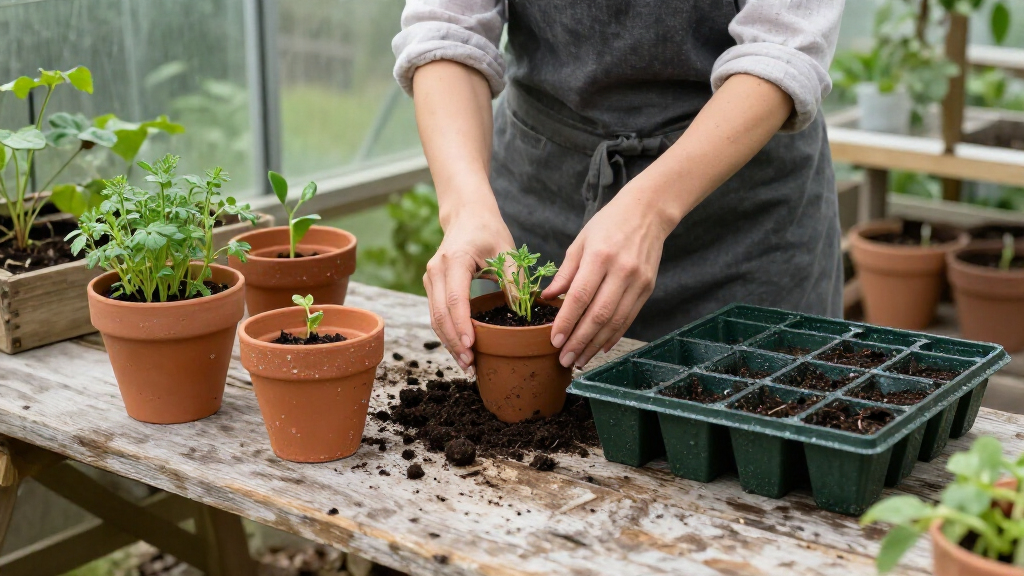
I compared each option against the needs behind sustainable container gardening: material and likely reuse, planting capacity, transplant practicality, and the effort involved in watering, cleaning, and storing the containers. I also looked at whether accessories such as labels and transplant tools solve a real setup need, rather than treating a larger bundle as automatically better. The lineup covers reusable seed trays, biodegradable peat pots and trays, and fabric grow bags, so I judged each within its intended use instead of treating unlike products as direct substitutes.
The ranking favors products with a clear, useful role and a balance of capacity and practicality. Reusable trays rank well for gardeners who can keep using and storing them; peat options make more sense when direct transplanting matters, but their single-use nature and moisture needs count against them. Large cell-count kits can support extensive sowing, though they may be excessive for a small garden. Fabric bags are included for in-season growing, but they do not replace seed-starting trays. Product names and listed features guide these comparisons; no claims about certified sustainability or measured durability are assumed.
Factors to Consider When Choosing Best Sustainable Garden Pots And Trays
Before choosing a kit, decide what stage of gardening it needs to support. A tray for germination, a pot for transplanting, and a fabric bag for a mature plant solve different problems. These factors help you avoid buying more capacity or more accessories than your growing space can use.
Match the Material to Your Reuse Plan
A container’s material matters most when you know what you will do with it after planting. Reusable trays can reduce replacement needs over multiple seasons, but only if you have space to clean, dry, and store them. Biodegradable peat pots can travel with seedlings into the ground, which may reduce root disturbance, yet they are generally a one-crop choice. Fabric bags are reusable in principle, but soil removal, drying, and storage take effort. Avoid treating a biodegradable label as proof of low impact on its own; check what the product is made from and whether it suits your local disposal or composting options.
Choose Cell Size and Count for Your Sowing Schedule
A high cell count can help when you start many plants at once, but it also creates more seedlings to monitor and transplant. Smaller cells dry out sooner and give roots less room, so they suit short starts better than plants that will remain indoors for a long time. Larger pots make more sense for seedlings that need extra growing time, although they occupy more shelf or windowsill space. Plan around the number of plants you can actually grow outside, not the maximum number of seeds the kit can hold. If you sow in batches, several manageable trays may be easier to water and move than one very large setup.
Think Through Watering and Drainage Before Buying
Seed containers need consistent moisture, but trapped water can damage roots and encourage problems around young stems. Check whether the tray design has drainage and whether you will need a separate catch tray or watering setup. Peat-based containers can dry at the edges, so they may need more frequent checks than a solid reusable tray. Fabric bags release water through their sides, a useful feature for airflow that can also increase watering demands. Match the container to how often you can check plants, especially if your growing area warms up quickly.
Measure Your Growing and Storage Space
Cell count alone does not tell you how much room a tray needs; full dimensions and access to light matter too. Measure shelves, windowsills, greenhouse benches, and the space available for moving trays before choosing a large kit. Fabric grow bags need room around the sides for airflow and watering, plus a dry place to store them between growing periods. Reusable equipment also needs off-season storage, while biodegradable pots reduce that burden but create more frequent replenishment. A smaller setup that fits your routine can be more sustainable than unused capacity sitting in storage.
Buy Accessories for a Task, Not for the Bundle
Labels help distinguish varieties once seedlings look alike, while transplant tools can make moving fragile starts less awkward. Still, extras do not compensate for a cell size or container type that does not suit your plants. Before choosing a kit, list what you already own and identify the one missing item that would make planting easier. If you grow only a few varieties, reusable labels or a simple marker may be enough. A bundled set is most useful when its accessories replace items you would otherwise buy separately and are practical to keep using.
Account for the Full Growing Cycle
Seed trays, peat pots, and fabric bags sit at different points in a plant’s life, so buying only one type may leave a gap later. A tray starts seeds efficiently, but seedlings may need potting up before they are ready for the garden. Peat pots can make transplanting straightforward, while fabric bags provide a larger home for plants that need a container through the growing season. Consider where each plant will go after germination and whether your garden has beds, larger pots, or only a patio. Planning the whole cycle helps prevent rushed transfers and unnecessary extra purchases.
Frequently Asked Questions
Are biodegradable peat pots a better choice than reusable seed trays?
Neither format is automatically the better choice for every gardener. Peat pots are useful when you want to move seedlings with less root handling, but they are generally used for one planting cycle and may need close moisture checks. A reusable tray can serve multiple seasons if you clean and store it properly, though it requires a washing routine and storage space. Compare the material details and your local disposal options rather than relying on the word biodegradable alone. Choose based on whether you value direct transplanting or repeat use more.
How many seed cells should I buy for a small home garden?
Start with the number of healthy plants you can realistically grow, then allow a few extra cells for seeds that do not germinate or seedlings that fail. Large 200- or 240-cell kits can be useful for many varieties or community planting, but they may create unnecessary watering and transplanting work for a small garden. A smaller tray is easier to manage on a limited windowsill and can be started in batches. Check the cell dimensions as well as the total count, since tiny cells may not hold seedlings for long. Your growing area and schedule matter more than the biggest number on the package.
Can I reuse biodegradable peat pots if they look intact after planting?
Peat pots are designed to be planted with a seedling or to break down after use, so they are not the most dependable choice for repeated seasons. A pot that remains intact may still be weakened or retain roots and soil, which can make reuse less convenient than it appears. If repeated use is your priority, choose a tray or pot specifically designed for reuse instead. For peat pots, plan the quantity around one growing cycle and avoid keeping excess packs without a clear planting plan. Follow the product’s material and disposal guidance.
Are five-gallon fabric grow bags suitable for starting seeds?
They can hold soil and plants, but five-gallon bags are not designed to replace small-cell seed trays for starting many seeds. Their larger volume is more useful once a plant has grown enough to need a lasting container, particularly where garden beds are unavailable. Starting many tiny seeds in one large bag makes spacing and moisture control harder. A tray or small pot provides more control during germination, followed by transplanting into a fabric bag when the plant is ready. Choose based on the plant’s stage, not only the bag’s portability.
What should I check before planting a biodegradable pot directly into the ground?
Check whether the pot is intended for direct planting and whether its sides and base can break down in your soil conditions. Keep the pot rim at or below the soil surface so exposed material does not wick moisture away from the root area. Water thoroughly before and after transplanting, since a dry pot can compete with the seedling for moisture. Confirm that the pot size fits the seedling and avoid leaving roots crowded in a small container for too long. Product instructions and local garden conditions should guide timing.
Conclusion
For most gardeners seeking a balance of sustainability and repeat use, I would start with the Burpee SuperSeed 36-Cell Reusable Seed Starting Tray as the best overall choice. The best value by planting scale is the JNYONG 120-pack of four-inch peat pots for gardeners who genuinely need many transplant-ready pots; anyone planting only a few seedlings should choose a smaller set instead. For a premium-style setup with a large sowing capacity and bundled tools, the Omitgoter 200-cell kit is the standout, though it is not the best fit for limited space. Beginners who want a modest, repeatable starting system can favor the Burpee tray and add labels as needed. For large sowing projects, compare the 200- and 240-cell kits; for patio or container growing, choose between Gardzen and VIVOSUN fabric bags by the pack size and handling features you need. The right pick is the one that fits your full growing cycle and that you can use consistently.