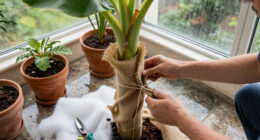
To use self-watering pots on your balcony, choose moisture-loving plants like herbs and leafy greens, ensuring they fit well in the containers. Fill the reservoir but avoid overfilling to prevent waterlogging, and check the water levels regularly. Position plants so their roots stay in contact with moist soil, not water. Group plants with similar water needs for easier care, and monitor soil moisture to prevent overwatering. Keep exploring for more tips to optimize your balcony garden!

Get the little things that make your day delivered free with Prime
- Fast, free delivery on millions of items
- Prime Video, Amazon Music and more included
- Member-only deals all year
Key Takeaways
- Select moisture-loving plants like herbs or leafy greens suitable for balcony environments.
- Fill the self-watering reservoir regularly, avoiding overfilling to prevent waterlogging.
- Position plants so roots contact moist soil without sitting directly in water.
- Monitor water levels and soil moisture frequently, adjusting watering as needed.
- Group plants with similar watering needs to simplify maintenance and ensure consistent moisture.

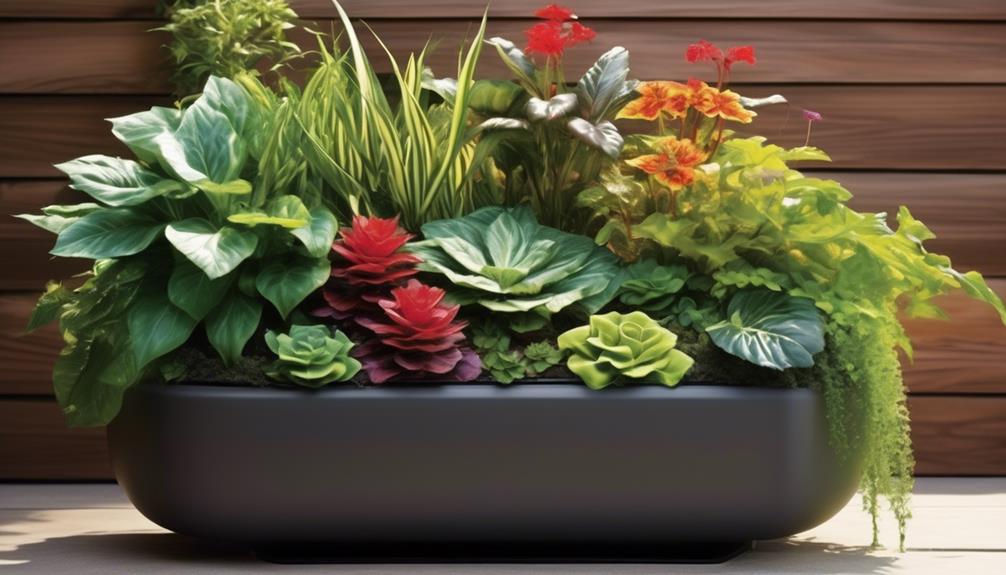
If you’re looking to make your balcony garden easier to maintain, self-watering pots are a game-changer. These containers help simplify water management, ensuring your plants stay healthy without constant attention. To get started, focus on plant selection. Choose plants that thrive in consistent moisture, such as herbs, leafy greens, or certain flowers. Avoid plants that prefer drier conditions or are sensitive to overwatering, like succulents or cacti. Picking the right plants ensures your self-watering system works efficiently and your garden flourishes.
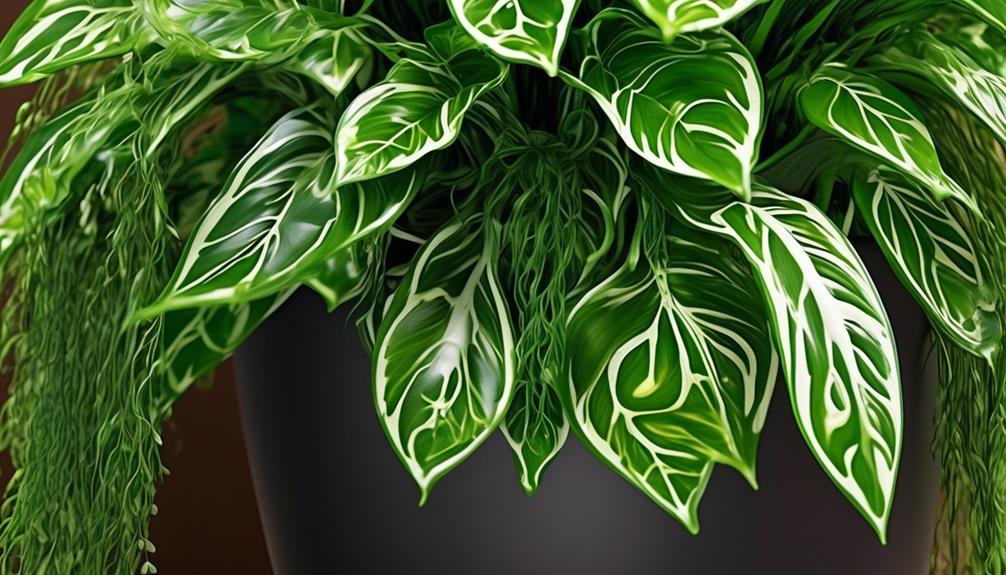
Choose moisture-loving plants like herbs and greens for low-maintenance balcony gardening.
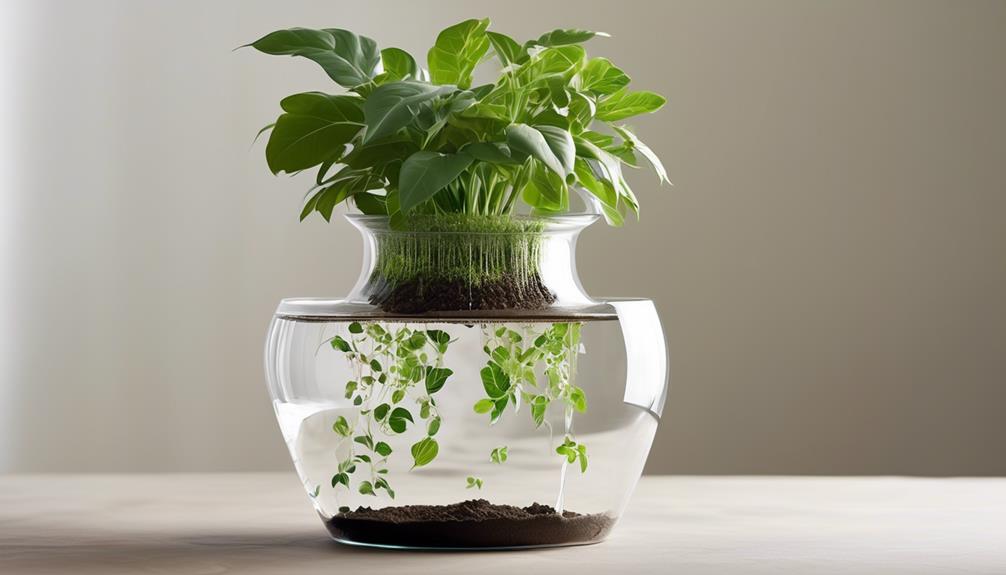
When it comes to water management, self-watering pots excel by providing a steady supply of moisture directly to the roots. These pots typically have a reservoir at the bottom that holds water, which is gradually pulled up through capillary action. To use them effectively, fill the reservoir with water regularly, but avoid overfilling to prevent waterlogging. Many self-watering pots come with a water level indicator, making it easier to monitor how much water your plants have. This feature helps you avoid both drought stress and root rot caused by excess moisture.
Position your plants thoughtfully within the pot. Ensure that the roots are not sitting directly in water but are in contact with the moist soil, which the system provides consistently. This setup promotes healthy root growth and prevents issues associated with fluctuating moisture levels. Remember to use high-quality, well-draining soil that retains moisture but doesn’t become waterlogged. This combination optimizes water management and keeps your plants happy.
Regularly check the water level in the reservoir, especially during hot weather or dry spells, when plants tend to transpire more and need extra moisture. Refill as needed, but keep an eye on the soil’s moisture level to prevent overwatering. Consider grouping plants with similar water needs in your balcony garden so you can manage water supply more effectively. If you notice your plants wilting or showing signs of overwatering—such as yellowing leaves—adjust your watering routine accordingly. Additionally, understanding watering techniques and how they relate to container gardening can help you optimize your plant care routine.
self-watering balcony plant pots
As an affiliate, we earn on qualifying purchases.
As an affiliate, we earn on qualifying purchases.
Frequently Asked Questions
Are Self-Watering Pots Suitable for All Plant Types?
Self-watering pots are suitable for many plant types, but you should consider plant compatibility and soil requirements. For instance, herbs and small vegetables thrive in these pots, while larger or deep-rooted plants may need more space and different soil. Always check each plant’s needs before planting, ensuring the soil stays moist but not waterlogged. This way, you optimize growth and maintain healthy plants on your balcony.
How Often Should I Refill the Water Reservoir?
Imagine you have a tomato plant in a self-watering pot. You check the water level indicator daily, and it shows low after three days. Typically, you should refill the reservoir every 2-4 days, depending on plant size and weather conditions. Regularly monitoring the water level indicator helps you determine the ideal refill frequency, ensuring your plants stay hydrated without overwatering.
Can These Pots Be Used Indoors as Well?
Yes, you can definitely use self-watering pots indoors. Just consider indoor humidity levels, as they affect your plants’ health, and guarantee proper plant placement for ideal light. These pots help maintain consistent moisture, reducing overwatering risks. Place them near windows or in well-lit areas, and monitor humidity to prevent issues like mold. With the right setup, they’re perfect for creating a thriving indoor garden.
Do Self-Watering Pots Prevent Overwatering?
Think of self-watering pots as gentle guardians, silently preventing overwatering and nurturing your plants. They work well with various plant compatibility, adjusting water supply based on your plant’s needs. These pots reduce the need for frequent watering, acting like a steady stream that only flows when necessary. By doing so, they help you maintain the right watering frequency, avoiding both drought and excess, and keeping your balcony garden thriving.
How Durable Are the Materials Used in These Pots?
Self-watering pots are generally quite durable, made from materials like high-quality plastics, ceramics, or composites that offer good material longevity. These materials resist cracking, warping, and fading over time, addressing durability concerns. However, the longevity depends on the specific material used and exposure to weather conditions. For balcony gardens, choose sturdy, weather-resistant options to guarantee your self-watering pots last through seasons, providing reliable plant support.
moisture-loving herbs in self-watering containers
As an affiliate, we earn on qualifying purchases.
As an affiliate, we earn on qualifying purchases.
Conclusion
With self-watering pots, your balcony garden becomes a lush oasis that breathes life effortlessly. Think of these pots as your garden’s loyal heartbeat, steadily nourishing your plants like a gentle rain from within. As you nurture your green sanctuary, let these pots be your trusty companions—watering, thriving, and turning your balcony into a vibrant paradise. Embrace this simple magic, and watch your garden flourish like a symphony of colors dancing in the sunlight.
self-watering pots with water level indicator
As an affiliate, we earn on qualifying purchases.
As an affiliate, we earn on qualifying purchases.
high-quality well-draining soil for self-watering pots
As an affiliate, we earn on qualifying purchases.
As an affiliate, we earn on qualifying purchases.
Fall Picks
fall essentials
As an affiliate, we earn on qualifying purchases.