
The best vertical indoor gardens combine a space-saving design with lighting and watering that suit the way you want to grow. My best overall pick is the Gardyn Home 4, which pairs a 30-plant capacity with a vertical hydroponic format; the MUFGA 12-Pod is a more approachable choice for a smaller planting setup, while the WooRoot Max is built for growers who want much higher capacity. The main tradeoff is between compact, simpler systems and larger towers that demand more room, setup, and upkeep. I compare all 14 options by capacity, lighting, watering, usability, and likely fit for different homes. Read on for the full breakdown and a buying guide to help narrow your choice.

Get the little things that make your day delivered free with Prime
- Fast, free delivery on millions of items
- Prime Video, Amazon Music and more included
- Member-only deals all year
Key Takeaways
- The Gardyn Home 4 leads for balanced capacity: its 30-plant format gives it more room to grow than the 12-pod countertop-style options without reaching the scale of the largest towers.
- Capacity changes the whole ownership experience: the WooRoot Max’s 148 pods and Growell’s 81 pods suit ambitious planting plans, but they call for more space and more attention than smaller systems.
- Small hydroponic units prioritize an easier starting point: the MUFGA 12-Pod and Ahopegarden 10- and 12-pod models keep plant counts modest, which can be more manageable for a first setup.
- Vertical planters and hydroponic towers are not interchangeable: the Smart Spring and Olaiti planters suit growers who want a tiered container format, while hydroponic models use water-based growing systems.
- Lighting and watering features matter as much as slot count: built-in grow lights or automatic watering can support indoor growing, but buyers still need to check system dimensions, maintenance needs, and the growing space they actually have.
| Gardyn Studio 2 Indoor Hydroponic Growing System, 16 Plants |  | Best for Low-Maintenance Vertical Growing | Plant capacity: 16 plants | Footprint: 1.4 sq ft | Dimensions: 54 x 17 x 12 inches | VIEW LATEST PRICE | See Our Full Breakdown |
| MUFGA 12-Pod Indoor Hydroponic Growing System with Adjustable LED Grow Light |  | Best Value Countertop Starter | Pod capacity: 12 | Grow light: 24W LED | Water system: Circulating pump | VIEW LATEST PRICE | See Our Full Breakdown |
| ALTO GARDEN GX Hydroponic Tower with LED Grow Lights, 24 Net Pots |  | Best for High-Capacity Vertical Growing | Plant capacity: 24 net pots | Levels: 6 | Dimensions: 20 x 20 x 66 inches | VIEW LATEST PRICE | See Our Full Breakdown |
| Ahopegarden 12-Pod Hydroponic Growing System with LCD Control Panel |  | Best for Guided Countertop Growing | Pod capacity: 12 | Water tank: 5 liters | Dimensions: 18 x 9 x 6 inches | VIEW LATEST PRICE | See Our Full Breakdown |
| Ahopegarden 10-Pod Indoor Hydroponic Growing System with LED Grow Light |  | Best for Compact Countertop Flexibility | Growing stations: 10 pods | Lighting: Full-spectrum LED with vegetable and flower/fruit modes | Maximum light height: 14.5 inches | VIEW LATEST PRICE | See Our Full Breakdown |
| Growell 81-Pod Hydroponic Growing System with Three Independent Water Pumps |  | Best for High-Capacity Growing | Plant capacity: 81 pods | Tiers: 3 | Water tanks: Three 14-liter tanks | VIEW LATEST PRICE | See Our Full Breakdown |
| Smart Spring 4-Tier Vertical Garden Planter, 16 Plants, Small, Midnight Black |  | Best for Soil-Based Growing | Plant capacity: 16 plants | Tiers: 4 | Soil capacity: 19.2 quarts | VIEW LATEST PRICE | See Our Full Breakdown |
| 14-Layer Hydroponic Tower Growing System with 70 Plant Slots |  | Best for Soil-Free Vertical Capacity | Planting slots: 70 | Layers: 14 | Water tank: 20 liters (5.3 gallons) | VIEW LATEST PRICE | See Our Full Breakdown |
| Gardyn Home 4 Vertical Hydroponic Growing System Kit, 30 Plants |  | Best for Guided, Ready-to-Grow Setup | Plant capacity: 30 plants | Footprint: 2 square feet | Produce yield: 8 to 10 lbs per month | VIEW LATEST PRICE | See Our Full Breakdown |
| OvyNewzly Indoor Hydroponic Tower Garden, 6 Levels |  | Best Compact Hydroponic Tower | Levels: 6 | Capacity: 10 liters | Dimensions: 10 × 7.5 × 33 inches | VIEW LATEST PRICE | See Our Full Breakdown |
| Olaiti 5-Tier Vertical Garden Planter with Drainage and Storage |  | Best for Soil-Based Balcony Gardening | Levels: 5 | Dimensions: 25.6 x 23.6 x 50.6 inches | Shape: Trapezoidal | VIEW LATEST PRICE | See Our Full Breakdown |
| WooRoot Max 148-Pod Vertical Hydroponic Growing System with LED Lights |  | Best for Maximum Indoor Growing Capacity | Tiers: 5 | Planting pods: 148 (76 seedling, 72 mature) | Lighting: 100W full-spectrum LED, 3000K/5000K | VIEW LATEST PRICE | See Our Full Breakdown |
| 10-Tier Hydroponic Tower with Trellis and Automatic Watering System, 40 Pods |  | Best for Climbing Plants and Flexible Placement | Tiers: 10 | Planting sites: 40 | Reservoir capacity: 8 gallons | VIEW LATEST PRICE | See Our Full Breakdown |
| SJZX Hydroponic Tower Growing System with Full-Spectrum Grow Lights, 25-Pod Capacity |  | Best Compact Pick for Low-Light Rooms | Planting capacity: 25 pods | Water tank capacity: 12 L | Grow lights: Full-spectrum, 360° | VIEW LATEST PRICE | See Our Full Breakdown |
| vertical indoor garden | Dimensions |
|---|---|
| Gardyn Studio 2 Indoor Hydropo | 54 x 17 x 12 inches |
| MUFGA 12-Pod Indoor Hydroponic | 14 x 9.4 x 6.7 inches |
| ALTO GARDEN GX Hydroponic Towe | 20 x 20 x 66 inches |
| Ahopegarden 12-Pod Hydroponic | 18 x 9 x 6 inches |
| Ahopegarden 10-Pod Indoor Hydr | — |
| Growell 81-Pod Hydroponic Grow | 11.96 × 25.98 × 64.37 inches |
| Smart Spring 4-Tier Vertical G | 12 × 12 × 5.5 inches |
| 14-Layer Hydroponic Tower Grow | 15.7 × 15.7 × 64.5 inches |
| Gardyn Home 4 Vertical Hydropo | — |
| OvyNewzly Indoor Hydroponic To | 10 × 7.5 × 33 inches |
| Olaiti 5-Tier Vertical Garden | 25.6 x 23.6 x 50.6 inches |
| WooRoot Max 148-Pod Vertical H | — |
| 10-Tier Hydroponic Tower with | 20.8 x 20.8 x 68 inches |
| SJZX Hydroponic Tower Growing | — |
More Details on Our Top Picks
Gardyn Studio 2 Indoor Hydroponic Growing System, 16 Plants
The Gardyn Studio 2 suits buyers who want a true vertical garden without managing a large tower or many separate controls. It grows 16 plants in a 1.4-square-foot footprint, while automatic watering, full-spectrum lighting, and environmental sensors handle much of the routine care. Ready-to-grow plants and plant food are included, and its built-in camera with AI guidance adds support for readers who are new to hydroponics. Compared with the ALTO GARDEN GX, it holds fewer plants but takes up less floor area and asks less of the owner’s setup routine. The tradeoff is its 54-inch height and indoor-only design; it also costs more in space than a countertop system, even if its footprint is compact. Its wood and aluminum finishes give it a more furniture-like presence.
Pros:- Fits 16 plants into a 1.4-square-foot footprint
- Automated watering and lighting reduce routine care
- Sensors, a 4K camera, and AI guidance offer plant-care support
- Includes 16 plants and plant food
Cons:- Requires 54 inches of vertical clearance
- Designed for indoor use only
Best for: Apartment dwellers who want an automated, ready-to-grow vertical garden and have room for a 54-inch indoor tower
Not ideal for: Buyers who need a short countertop unit, want to grow outdoors, or prefer choosing and starting every plant from seed
- Plant capacity:16 plants
- Footprint:1.4 sq ft
- Dimensions:54 x 17 x 12 inches
- Lighting:Full-spectrum LED with sunrise, sunset, and far-red modes
- Watering:Self-watering
- Sensors:Water level, humidity, and temperature
- Camera:Built-in 4K camera
- Materials:Brushed aluminum, real wood lid, and food-grade plastics
- Warranty:3-year limited warranty
Our verdict“Choose the Gardyn Studio 2 if you want a compact vertical tower with substantial automation and included plants, rather than the higher-capacity but more involved ALTO GARDEN GX.”
MUFGA 12-Pod Indoor Hydroponic Growing System with Adjustable LED Grow Light
The MUFGA 12-Pod is a straightforward entry point for growing herbs and greens indoors without giving up floor space to a tower. Its 14 x 9.4-inch footprint sits comfortably on a counter, and the adjustable 24W LED can be raised as plants grow. A circulating pump supports water movement, while the open, compact format is simpler than the six-level ALTO GARDEN GX, which is better suited to growers chasing larger harvests. That small scale is also the MUFGA’s limit: it is a countertop garden, not a room-height vertical system, and taller plants will have less room than they would in a full tower. Seeds are not included, so buyers need to source them separately. I’d pick it for a modest indoor herb setup, not for maximizing plant capacity.
Pros:- Holds up to 12 pods in a compact countertop footprint
- Adjustable light height accommodates changing plant growth
- Circulating pump moves water through the system
- Lightweight at 4.86 pounds
Cons:- Seeds must be purchased separately
- Countertop format offers less vertical growing room than a tower
- The supplied details do not specify water tank capacity or a light timer
Best for: First-time indoor growers who want a compact countertop unit for a rotating mix of herbs or small leafy greens
Not ideal for: Households seeking a high-capacity vertical tower or buyers who want seeds included with the system
- Pod capacity:12
- Grow light:24W LED
- Water system:Circulating pump
- Light adjustment:Adjustable height
- Dimensions:14 x 9.4 x 6.7 inches
- Weight:4.86 pounds
- Seeds included:No
Our verdict“Pick the MUFGA for an uncomplicated, space-saving start with indoor hydroponics, but choose the ALTO GARDEN GX if your priority is a much larger vertical harvest.”
ALTO GARDEN GX Hydroponic Tower with LED Grow Lights, 24 Net Pots
For growers who want vertical capacity above all else, the ALTO GARDEN GX makes a stronger case than the countertop gardens in this group: six levels hold up to 24 net pots within a 20 x 20-inch footprint. Its wheeled, 10-gallon reservoir is easier to reposition than a fixed tank, and the kit includes nutrients, rockwool, a pump, and water-monitoring tools. Adjustable LEDs and a separate germination light add flexibility, though they also bring more pieces to assemble and manage than the Gardyn Studio 2, which prioritizes automation and a simpler routine. At 66 inches tall, this tower needs substantial overhead clearance; the separate light and pump timers also make setup less hands-off. I’d favor it for a dedicated indoor growing area or balcony over a small kitchen counter.
Pros:- Six levels provide space for up to 24 plants
- 10-gallon wheeled reservoir supports the recirculating system and can be repositioned
- Adjustable LED grow lights have a built-in timer
- Includes nutrients, rockwool cubes, pump, and monitoring tools
Cons:- At 66 inches tall, it needs substantial vertical clearance
- Separate lighting and pump timers add setup and routine management
- The 20 x 20-inch base takes more floor space than countertop units
Best for: Experienced home growers who want room for many plants and can dedicate a tall indoor or balcony space to a tower
Not ideal for: Small-space buyers with limited headroom or beginners who want a compact, highly automated garden with minimal setup
- Plant capacity:24 net pots
- Levels:6
- Dimensions:20 x 20 x 66 inches
- Reservoir capacity:10 gallons
- Lighting:Adjustable LED grow lights with timer and 4-head germination light
- Included growing supplies:30 rockwool cubes and A + B plant nutrients, 10 oz each
- Included equipment:Wheeled reservoir, water pump, pump timer, digital pH test pen, and water gauge
- Tower wall thickness:2 mm
Our verdict“Choose the ALTO GARDEN GX when plant capacity matters more than compact dimensions or simple setup.”
Ahopegarden 12-Pod Hydroponic Growing System with LCD Control Panel
The Ahopegarden 12-Pod gives countertop growers more control cues than the simpler MUFGA: its LCD touchscreen pairs with two light modes, and the light adjusts to a maximum planting height of 17 inches. A 5-liter tank and quiet pump circulate water on a 30-minute cycle, while the kit includes baskets, sponges, seedling covers, and nutrient solution. That ready-to-start bundle makes it a more equipped choice than the MUFGA 12-Pod, which requires separately purchased seeds and offers fewer listed accessories. It still falls short of a true tower such as the ALTO GARDEN GX for vertical capacity, and its 18 x 9-inch base needs a clear countertop area. The listed long lighting schedule may also call for some planning around room use.
Pros:- 12 pods support a substantial countertop herb or leafy-green garden
- LCD touchscreen and two light modes provide direct controls
- Adjustable light accommodates plants up to 17 inches tall
- Includes planting baskets, sponges, seedling covers, and nutrient solution
Cons:- The 18 x 9-inch footprint may be large for a crowded counter
- A long lighting schedule may require careful placement and scheduling
- Countertop design cannot match a tower’s vertical plant capacity
Best for: Countertop growers who want a 12-pod setup with a control panel and included planting accessories
Not ideal for: Buyers with very limited counter space, those seeking a tall multi-level tower, or anyone who wants a shorter daily lighting schedule
- Pod capacity:12
- Water tank:5 liters
- Dimensions:18 x 9 x 6 inches
- Maximum planting height:17 inches
- Light modes:2
- Water pump cycle:30 minutes
- Included components:A&B nutrient solution, 12 planting baskets, 12 planting sponges, 6 hole covers, and 13 seedling covers
- Material:ABS
Our verdict“Choose this Ahopegarden if you want a well-equipped 12-pod countertop system with guided controls, rather than the larger harvest capacity of a vertical tower.”
Ahopegarden 10-Pod Indoor Hydroponic Growing System with LED Grow Light
Where the 12-pod Ahopegarden leans on a touchscreen and a larger tank, this 10-pod model keeps the setup focused on countertop growing with a water-level window and a timed circulation system. Its full-spectrum light offers vegetable and flower/fruit modes, and the 16-hour-on, 8-hour-off timer gives growers a predictable daily cycle. The adjustable light reaches 14.5 inches, so it can handle small crops but gives taller plants less room than the 17-inch Ahopegarden 12-Pod. One practical mismatch deserves attention: the system has 10 growing stations, but the included list names only eight baskets and eight sponges. That limits how many stations can be started with the supplied accessories. Compared with the larger ALTO GARDEN GX, it is far easier to place on a counter, but it is not a high-capacity vertical garden.
Pros:- Ten growing stations fit a countertop format
- Water-level window makes reservoir checks straightforward
- Full-spectrum light offers vegetable and flower/fruit modes
- Automatic 16-hour-on, 8-hour-off light timer
Cons:- Included accessories list has eight baskets and sponges for 10 pods
- Maximum light height of 14.5 inches limits taller crops
- Round countertop design offers less vertical capacity than a tower
Best for: Countertop growers who want a compact system with timed lighting, a visible water level, and multiple light modes
Not ideal for: Buyers who need accessories for all 10 growing stations out of the box or want enough height for larger plants
- Growing stations:10 pods
- Lighting:Full-spectrum LED with vegetable and flower/fruit modes
- Maximum light height:14.5 inches
- Light timer:16 hours on, 8 hours off
- Water reservoir:Includes level window and circulation system
- Included baskets and sponges:8 baskets and 8 sponges
- Shape and color:Round, black
- Included accessories:Tweezers, labels, covers, stickers, growth domes, shade papers, power adapter, and A & B fertilizer
Our verdict“Pick this model for a compact, timed countertop garden if eight included basket-and-sponge sets are enough to start, and skip it if you need all 10 stations ready at once.”
Growell 81-Pod Hydroponic Growing System with Three Independent Water Pumps
The Growell HS12 is the strongest choice here for growers who want substantial capacity without relying on one shared watering circuit. Its 81 pods across three tiers and separate 14-liter tanks and pumps let each level circulate water independently, while adjustable lights and Veg and Flower & Fruit modes give the setup more growing flexibility than the simpler OvyNewzly tower. Locking wheels help with repositioning, and detachable parts make cleaning more manageable. The tradeoff is scale: at 64.37 inches tall, it needs a dedicated floor-standing spot, and its capacity asks for more upkeep than Gardyn Home 4’s 30-plant system. Seeds are not included, so growing does not start straight out of the box.
Pros:- Three tiers accommodate up to 81 plants.
- Independent pumps and 14-liter tanks keep each tier’s water circulation separate.
- Adjustable full-spectrum lights offer two grow modes and programmable timing.
- Locking wheels and detachable components support repositioning and cleaning.
Cons:- Its 64.37-inch height calls for a dedicated space.
- Seeds are not included.
- The large plant capacity can mean more routine care than smaller systems.
Best for: Indoor growers who want room for many plants and prefer separate water circulation for each growing tier.
Not ideal for: Apartment dwellers with limited floor space or beginners seeking a complete ready-to-grow kit, since the unit is tall and seeds are not included.
- Plant capacity:81 pods
- Tiers:3
- Water tanks:Three 14-liter tanks
- Grow lights:26W full-spectrum LED per tier
- Grow modes:Veg; Flower & Fruit
- Dimensions:11.96 × 25.98 × 64.37 inches
- Materials:Aluminum and polypropylene
- Features:Digital timer and display, height-adjustable lights, locking wheels, detachable design
Our verdict“Choose the Growell if plant capacity and tier-by-tier water circulation matter more than a compact footprint or an included starter crop.”
Smart Spring 4-Tier Vertical Garden Planter, 16 Plants, Small, Midnight Black
The Smart Spring 4-Tier Planter suits buyers who want a vertical garden but would rather use soil than manage hydroponics. Its stackable, self-watering design holds up to 16 plants and 19.2 quarts of soil, making it a simpler alternative to pump-driven options such as the Growell 81-Pod system. Weather-resistant plastic also gives it indoor-and-outdoor flexibility, though its modest capacity is better for herbs or smaller plantings than a large harvest. This is the only choice in this group built around soil, which is a meaningful distinction for gardeners who already have a preferred growing mix. For indoor use, the missing tray adds a separate purchase and setup step; buyers should also check that its listed dimensions suit their intended space.
Pros:- Four stackable tiers use vertical space for up to 16 plants.
- Self-watering design distributes moisture through the tiers.
- Holds 19.2 quarts of soil for traditional planting.
- Weather-resistant plastic supports indoor or outdoor use.
Cons:- An indoor tray is required but not included.
- Capacity is limited compared with hydroponic towers such as the Growell.
- Soil-based growing is less suited to buyers seeking a soil-free setup.
Best for: Soil gardeners who want to grow herbs or a small selection of plants vertically indoors or outdoors.
Not ideal for: Hydroponic growers or anyone wanting a ready-to-place indoor setup, since it uses soil and an indoor tray is not included.
- Plant capacity:16 plants
- Tiers:4
- Soil capacity:19.2 quarts
- Dimensions:12 × 12 × 5.5 inches
- Material:Plastic
- Color:Midnight Black
- Use:Indoor and outdoor
- Features:Stackable; self-watering
Our verdict“Pick the Smart Spring if you want a small, self-watering soil garden and can supply a tray for indoor use.”
14-Layer Hydroponic Tower Growing System with 70 Plant Slots
This 14-layer tower packs 70 planting slots into a narrow, upright format, making it a strong fit for buyers who want many soil-free growing positions without the Growell’s three wide tiers. A 20-liter reservoir and timed pump circulate water and nutrients from the top down, which can cut down on frequent refills and keep the setup focused on hydroponics. Unlike the Gardyn Home 4, however, this tower does not include a complete indoor lighting setup: its listed light source is only 5 watts, so indoor growers should plan for a suitable grow light. The slots may also constrain plant size, making this a better match for smaller crops than large fruiting plants. Its plastic frame favors function over a more furnished look.
Pros:- Fourteen layers provide 70 planting slots in a vertical layout.
- Timed pump circulates water and nutrients from the top down.
- A 20-liter reservoir can reduce refill frequency.
- Soil-free design can help keep growing areas cleaner.
Cons:- Indoor growing requires a suitable grow light.
- Planting slots may restrict larger crops.
- The plastic frame offers a more utilitarian setup than the Gardyn Home 4’s brushed aluminum and wood details.
Best for: Growers who want many small-plant hydroponic positions in a compact tower and can provide appropriate indoor lighting.
Not ideal for: Buyers seeking an all-in-one indoor kit or space for large plants, since suitable grow lighting is not provided and slot size may limit crops.
- Planting slots:70
- Layers:14
- Water tank:20 liters (5.3 gallons)
- Dimensions:15.7 × 15.7 × 64.5 inches
- Frame material:Plastic
- Light source wattage:5 watts
- Included components:Water tank and pump
- Color:White
Our verdict“Choose this tower for high-density soil-free growing if you are prepared to add suitable indoor lighting and grow mainly smaller plants.”
Gardyn Home 4 Vertical Hydroponic Growing System Kit, 30 Plants
The Gardyn Home 4 is the most guided option in this group: it combines automated watering, full-spectrum lighting, environmental sensors, two cameras, and an AI plant coach with 30 ready-to-grow plants and plant food. That makes it easier to start than the Growell, which offers far more plant positions but does not include seeds, or the 70-slot tower, which calls for separate indoor lighting. Its two-square-foot footprint also suits growers who value a tidy, managed setup over maximum capacity. The tradeoff is that the water capacity is just 0.6 gallons, while the system is limited to 30 plants. Buyers who prefer a low-tech garden or want to choose every plant from seed may find its automated, guided approach less appealing.
Pros:- Includes 30 ready-to-grow non-GMO plants and plant food.
- Automated watering and full-spectrum lighting reduce routine manual steps.
- Sensors and two cameras support environmental monitoring and AI plant guidance.
- Fits a 30-plant garden into a two-square-foot footprint.
Cons:- The 0.6-gallon water capacity is modest.
- Capacity is limited to 30 plants, below the Growell and 70-slot tower.
- Lighting, sensors, and automation require electricity.
Best for: First-time indoor hydroponic growers who want included plants, automated care, and guidance in a compact footprint.
Not ideal for: Growers seeking very high capacity, a large water reservoir, or a low-tech system they can manage without electronics.
- Plant capacity:30 plants
- Footprint:2 square feet
- Produce yield:8 to 10 lbs per month
- Water capacity:0.6 gallons
- Lighting:Full-spectrum LED with far-red, sunrise, and sunset modes
- Sensors:Water level, humidity, and temperature
- Cameras:2
- Included components:30 ready-to-grow non-GMO plants and plant food
- Warranty:3-year limited warranty
Our verdict“Pick the Gardyn Home 4 if you want an assisted, ready-to-grow experience and value guidance over maximum capacity.”
OvyNewzly Indoor Hydroponic Tower Garden, 6 Levels
At 33 inches tall, the OvyNewzly is the most compact hydroponic tower in this selection, an advantage for kitchens and living areas where the 64-inch Growell and 14-layer tower could feel oversized. Its six-level, timed top-down watering design supports up to 30 types of plants and is described as taking about 15 minutes to set up. That makes it a more straightforward space-conscious choice than the higher-capacity Growell, though it does not provide the Growell’s independent tier pumps or specified grow lights. Its 10-liter capacity also means less room for water than the 20-liter tower reservoir. The system is intended for hydroponic growing rather than soil, so traditional gardeners will be better served by the Smart Spring planter.
Pros:- Compact 33-inch height fits spaces where taller towers may not.
- Timed top-down watering supports self-watering hydroponic growing.
- Designed for indoor or outdoor use.
- Listed capacity supports up to 30 types of fruits, vegetables, and flowers.
Cons:- The 10-liter capacity is smaller than the 20-liter reservoir in the 14-layer tower.
- Hydroponic growing does not suit buyers who want to use soil.
- The product data does not specify integrated grow-light details.
Best for: Apartment and kitchen growers who want a short, vertical hydroponic setup for a varied selection of smaller plants.
Not ideal for: Traditional soil gardeners or high-capacity growers, since it is hydroponic and has a 10-liter capacity.
- Levels:6
- Capacity:10 liters
- Dimensions:10 × 7.5 × 33 inches
- Color:Black
- Planter form:Vertical, round
- Use:Indoor and outdoor
- Setup time:About 15 minutes
- Special feature:Self-watering
Our verdict“Choose the OvyNewzly if you want a shorter hydroponic tower for a compact space and do not need a large reservoir or soil planting.”
Olaiti 5-Tier Vertical Garden Planter with Drainage and Storage
Removable boxes and useful storage make the Olaiti a practical choice for gardeners who want a vertical planter rather than a powered hydroponic system. Its five staggered tiers use a modest footprint, while cascading drainage helps excess water move downward between boxes. Unlike the WooRoot Max 148-Pod, this planter does not need lights, a pump, or nutrient-water management; it suits conventional planting mixes and hands-on care instead. The tradeoff is that it depends on suitable natural light and weather, so it is not a year-round indoor growing solution on its own. I also would not choose it for a spot where the planter needs frequent repositioning: there are no wheels, and the sealed bottom drainage knockouts must be opened when bottom drainage is wanted.
Pros:- Five staggered tiers make efficient use of floor space.
- Removable planting boxes simplify replanting and handling.
- Side drainage holes and cascading water flow help manage excess water.
- Mesh shelf and five S-hooks provide places for tools and supplies.
Cons:- No wheels, so moving the stand becomes difficult once it is planted.
- Bottom drainage requires opening the sealed knockouts.
- No grow lights or climate control for reliably growing without natural light.
Best for: Apartment gardeners with a balcony, patio, or bright indoor area who prefer soil-based planting and want removable boxes plus tool storage.
Not ideal for: Indoor growers seeking built-in lighting or automated growing, and anyone who needs to move a fully planted stand frequently.
- Levels:5
- Dimensions:25.6 x 23.6 x 50.6 inches
- Shape:Trapezoidal
- Frame material:Rust-resistant painted steel
- Planter material:Food-safe PP
- Drainage:3 side holes per tier; bottom holes have sealed knockouts
- Storage:Textilene mesh bottom shelf
- Included accessories:5 S-hooks
Our verdict“Choose the Olaiti for compact, soil-based gardening with handy storage, but pick a lit hydroponic tower if you need year-round indoor growing.”
WooRoot Max 148-Pod Vertical Hydroponic Growing System with LED Lights
For growers who want to fit a large number of plants into a dedicated indoor setup, the WooRoot Max’s 148 pods set it apart from smaller towers such as the SJZX 25-Pod Hydroponic Tower. Five tiers, a 100W full-spectrum LED, and independently controlled lighting schedules let growers tailor conditions by tier rather than treating every plant alike. NFT circulation, automated cycles, misting, and low-level alerts also reduce the need for constant manual checks; the listed system can run autonomous cycles for up to 30 days. That capacity brings real demands: the tower needs power, indoor floor space, and regular attention to its nutrient and misting supplies. Its overall dimensions are not provided, which makes it harder to judge whether it will fit a specific room.
Pros:- 148 planting pods offer substantially more capacity than the SJZX 25-Pod system.
- Independent lighting schedules allow tier-by-tier control.
- Automated irrigation, lighting, and misting cycles reduce routine intervention.
- Modular components support maintenance and replacement.
Cons:- Requires a powered indoor location for the lighting and pump.
- The overall tower dimensions are not specified, complicating room planning.
- Large capacity means managing many plants as well as nutrient and misting supplies.
Best for: Experienced indoor gardeners who want a high-capacity, multi-tier hydroponic setup and can reserve floor space and power for it.
Not ideal for: First-time growers or people with limited room who want a small, simple system with clearly stated dimensions.
- Tiers:5
- Planting pods:148 (76 seedling, 72 mature)
- Lighting:100W full-spectrum LED, 3000K/5000K
- Lighting schedule:0–24 hours per tier
- Growing method:Nutrient Film Technique (NFT)
- Nutrient reservoir:34 L
- Misting tank:9.5 L
- Floor space:3.8 sq ft
- Autonomous growing cycles:Up to 30 days
Our verdict“Pick the WooRoot Max when plant capacity and automated indoor growing matter more than a small footprint or simple setup.”
10-Tier Hydroponic Tower with Trellis and Automatic Watering System, 40 Pods
The standout here is the combination of a trellis, adjustable-flow pump, and rolling base, which gives this tower a different job from the compact, light-equipped SJZX 25-Pod Hydroponic Tower. Its 40 planting sites suit a mix of greens and climbing crops, while the trellis offers support that a basic tower may lack. An 8-gallon reservoir and intermittent watering add useful capacity without relying on the WooRoot Max’s much larger, more automated setup. The wheels also help when the tower needs to be repositioned, though they do not solve its main placement challenge: at 68 inches tall, it needs generous vertical clearance. Assembly is part of the setup, and the pump needs an outlet, so this is not a self-contained option for every corner.
Pros:- Trellis supports climbing plants alongside herbs and greens.
- Forty planting sites make good use of a narrow footprint.
- Adjustable intermittent watering lets growers control flow.
- Rolling base makes repositioning easier than with the stationary Olaiti planter.
Cons:- At 68 inches tall, it may not fit under shelves or in rooms with limited clearance.
- Requires assembly and access to power for the pump.
- Does not list integrated grow lights, unlike the SJZX tower.
Best for: Home growers who want to mix leafy crops with climbing plants and value a rolling base for moving the garden.
Not ideal for: People with low ceilings, little room for assembly, or no convenient outlet near the growing area.
- Tiers:10
- Planting sites:40
- Reservoir capacity:8 gallons
- Dimensions:20.8 x 20.8 x 68 inches
- Item weight:18 pounds
- Watering system:Intermittent pump with adjustable flow
- Included accessories:Trellis, 40 net pots, 128 grow sponges, rolling tray, seedling tray, timer, pump regulator, planting guide
- Warranty:1 year
Our verdict“Choose this tower for trellised crops and easier repositioning, provided you have the height and outlet it needs.”
SJZX Hydroponic Tower Growing System with Full-Spectrum Grow Lights, 25-Pod Capacity
The 25-pod capacity and integrated 360° full-spectrum lights make the SJZX a focused choice for indoor growers who cannot count on a sunny window. It is less demanding in scale than the WooRoot Max 148-Pod tower, which is better suited to growers managing a much larger crop, while the SJZX’s 12 L tank and timed pump cycles support a smaller garden with less frequent refilling. The listed refill interval is every two to three weeks, and weekly maintenance is under five minutes, making the routine approachable for a home setup. Its tradeoffs are that the hydroponic system still needs a steady water supply and a powered location, and the product is listed for indoor use only. Its stated weight is also unusually low, so I would verify the assembled unit’s stability before choosing a busy household spot.
Pros:- Integrated 360° full-spectrum lights support growing in low-light rooms.
- Twenty-five pods provide a smaller-scale alternative to the WooRoot Max.
- A 12 L tank is listed to reduce refill frequency to every two to three weeks.
- Includes smart plugs and planting accessories for setting up timed watering.
Cons:- Needs a reliable water supply and powered indoor location.
- Indoor-only listing limits placement options.
- The stated 16-ounce item weight raises questions about stability once assembled.
Best for: Apartment residents and newer hydroponic growers who need built-in lighting and a manageable number of planting sites.
Not ideal for: Growers seeking a high-capacity tower, outdoor use, or a system that can operate without power and regular water checks.
- Planting capacity:25 pods
- Water tank capacity:12 L
- Grow lights:Full-spectrum, 360°
- Watering:Pump with customizable 30-minute cycles
- Water refill interval:Every 2–3 weeks
- Water recycling:90%
- Maintenance:Less than 5 minutes weekly
- Material:BPA-free
- Indoor/outdoor use:Indoor
Our verdict“Choose the SJZX for a compact, lit indoor hydroponic garden; skip it if you need outdoor flexibility or substantially more growing capacity.”
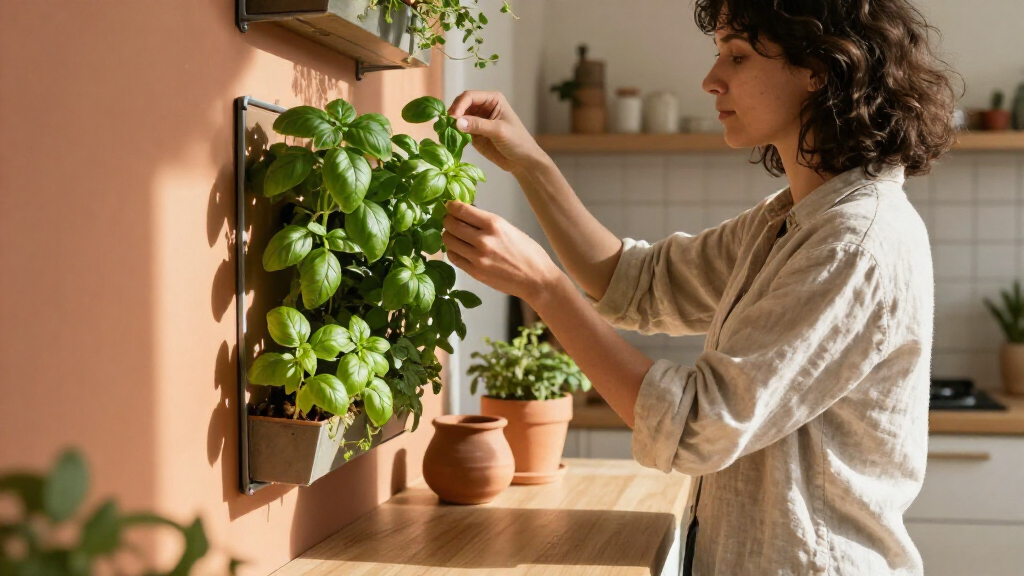
How We Picked
I ranked these gardens around the choices that shape day-to-day ownership: plant capacity, vertical footprint, lighting, watering design, and ease of upkeep. I also separated hydroponic systems from tiered soil-style planters, since a higher pod count does not make one format a direct substitute for the other. The product names and stated features provide a useful basis for comparison, but they do not establish details such as actual output, noise, or long-term durability.
The ranking favors options that appear to offer a practical balance of growing room and usability for indoor homes. Smaller, lower-capacity systems are stronger fits for beginners or limited spaces; large towers earn attention for ambitious planting plans, but their scale brings greater demands. I gave additional weight to clear, buyer-relevant features such as integrated lighting, independent pumps, drainage, and storage, while treating high capacity alone as insufficient for an overall recommendation.
Factors to Consider When Choosing Best Vertical Indoor Gardens
Before choosing a vertical garden, match its growing method and scale to your room, routine, and plants. These decisions can matter more than the largest number on the product listing.
Choose Hydroponic or Tiered Planter First
A hydroponic tower circulates water to plants held in net pots or similar openings, while a tiered planter is a container-based format that may use soil or another growing medium. They differ in setup, feeding, and watering routines, so compare systems by growing method rather than plant capacity alone. Hydroponics may suit someone who wants a purpose-built indoor growing system, while a conventional planter can be easier to understand for gardeners already comfortable with containers. Check whether the product listing explains the growing medium, nutrient requirements, and water handling before buying. A common mistake is assuming every vertical garden is hydroponic just because it has stacked levels.
Measure the Full Footprint, Not Just the Base
A tower’s footprint can understate the room it needs: leave access for refilling, harvesting, cleaning, and reaching plants near the back. Also check the full height and whether grow lights or trellises add to it. In a compact home, a smaller system with fewer planting positions may be easier to place than a high-capacity tower that crowds a walkway or blocks a window. Think through the route from the unit to a power outlet and water source as well. Measuring only the floor space is a common way to end up with a garden that technically fits but is awkward to maintain.
Match Plant Capacity to Your Routine
More planting slots make room for variety, but they also mean more seedlings, pruning, harvesting, and potential replacement plants to manage. If you are new to indoor growing, starting with a modest number of plants can help you learn the system before taking on a tower with dozens of positions. Experienced growers may value larger capacities, especially when they want a steady supply of herbs or leafy greens. Check whether the stated capacity means every slot can be used at once with the plants you intend to grow; mature foliage can crowd neighboring plants. Choose for the amount you expect to maintain, not the maximum number printed in the name.
Treat Grow Lights as Part of the Room Setup
Built-in LEDs can make a vertical garden more practical in rooms without strong natural light, but the light still needs to suit the plants and the available space. Check whether the lights are adjustable, how they are positioned, and whether their schedule can fit your household routine. An adjustable light can help accommodate different plant heights, while fixed lighting may limit how the garden develops. Consider where light will fall after hours and whether it could bother people sharing the room. Do not assume that the presence of a grow light by itself guarantees good growth; placement, plant choice, and care still matter.
Look Closely at Watering and Cleaning
Automatic watering and multiple pumps can reduce hands-on watering, but they add parts that may need cleaning or troubleshooting. Ask how easy it is to reach the reservoir and whether the product explains routine cleaning and water changes. Drainage and storage are useful features on planter-style systems, but buyers should still check where excess water goes and whether the setup protects nearby floors. A system that is harder to disassemble can turn routine maintenance into a chore, even if it has a large capacity. Favor clear maintenance instructions over assuming that automation means maintenance-free growing.
Pay for Features You Will Use
Additional plant slots, controls, lights, and pumps make sense when they address a real need, such as limited sunlight or a larger harvest plan. They add less value if you only want a few herbs near the kitchen or if you are not ready to manage a more involved setup. Before choosing a premium or high-capacity system, identify the feature that would change how you grow and confirm that it is included in the model you are considering. A simpler garden may be the better buy when it fits your space and routine without extra equipment. Compare ongoing supplies and replacement parts as well as the initial feature list.
Frequently Asked Questions
Should I choose a 12-pod system or a large tower?
Choose a 12-pod system if you want a modest indoor garden or are learning how much care your plants need. A large tower offers more planting positions, but it can require more room, more seedlings, and more time for harvesting and upkeep. Consider what you will actually grow and how often you can tend it before prioritizing capacity. If you are unsure, starting smaller can help you build a routine before expanding. Match the system to your expected harvest, not its maximum slot count.
Can I put a vertical indoor garden in a room without a sunny window?
A model with integrated grow lights is the more suitable choice when natural light is limited, but confirm that the lighting is positioned for the plants and fits your room. A garden without built-in lighting may need a separate grow light, adding equipment and setup. Think about where the unit can sit near an outlet and whether its lighting schedule will work for people using the space. Also check whether the light can be adjusted as plants grow. The presence of LEDs does not remove the need to choose suitable plants and provide routine care.
Are vertical planters a good substitute for hydroponic towers?
They can serve a similar space-saving purpose, but they are different growing formats. Hydroponic towers circulate water to plants held in dedicated openings, while tiered planters are containers that rely on their own growing medium and watering approach. Choose a planter if you prefer a familiar container setup or value features such as drainage and storage. Choose hydroponics if you want a water-based system and are prepared for its feeding and cleaning routine. Compare the care instructions before deciding that one format will be easier for you.
What should I check before buying a high-capacity tower?
Check the assembled height, floor footprint, access to the reservoir, and how the pump or watering system is maintained. Confirm that the advertised capacity suits the plants you intend to grow, since mature plants may need more room than seedlings. Ask how many pumps are included and whether the product explains cleaning or replacement-part needs. Make sure there is a practical place for the system near power and a suitable water-refill route. High capacity is only useful if you can comfortably reach and care for every level.
Is automatic watering enough to make an indoor garden low-maintenance?
Automatic watering can reduce manual watering, but it does not eliminate plant care. You may still need to refill or clean the reservoir, check the pump, manage nutrients, prune plants, and harvest them. The system’s instructions should explain which tasks remain and how often they are needed. A model with additional pumps or controls may offer more capability but can also introduce more components to maintain. If you want a simple routine, compare the full care process rather than relying on the word automatic.
Conclusion
For a balanced mix of indoor capacity and vertical growing, I recommend the Gardyn Home 4 as the best overall fit. The MUFGA 12-Pod is my best value-style choice for buyers who want a smaller hydroponic setup, while the Gardyn Studio 2 is the premium-leaning pick for shoppers drawn to a dedicated indoor system with 16 plant positions. Beginners may prefer the more manageable scale of the Ahopegarden 10-Pod or MUFGA 12-Pod over a large tower. For specific needs, the WooRoot Max and Growell 81-Pod suit high-capacity plans, while the Smart Spring and Olaiti are the choices to examine if you want a tiered planter rather than hydroponics. Choose the system whose method, footprint, and upkeep match your home—not simply the one with the most slots.