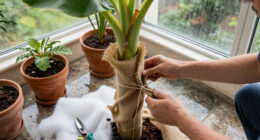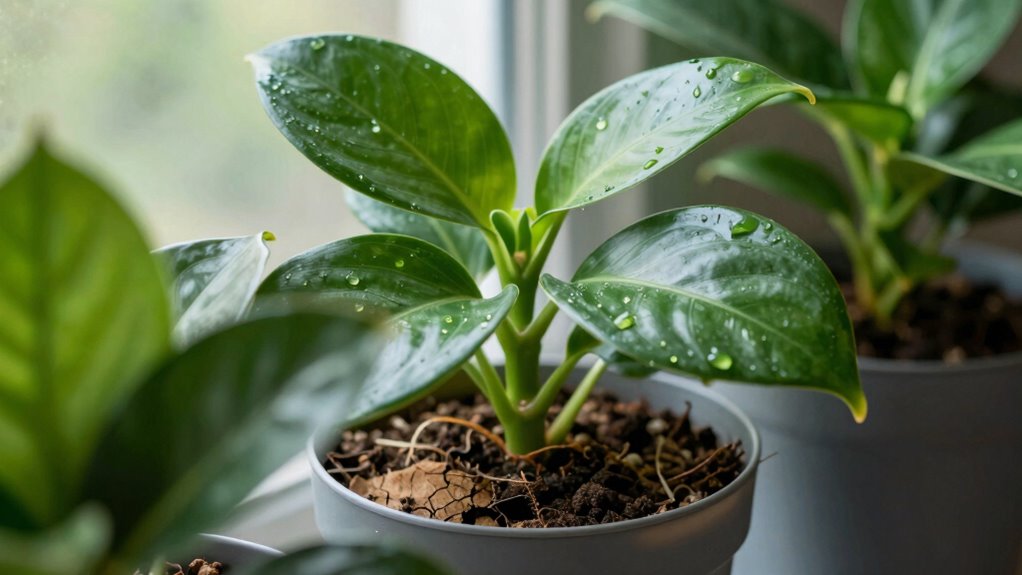

Some plants need a dry-down even in self-watering systems to prevent waterlogging and promote healthy roots. Consistently moist soil can lead to root rot and reduce oxygen flow, which harms plant health. Plants like succulents prefer dry conditions and thrive with occasional drying periods. By understanding your plants’ needs, you can guarantee they grow strong and resilient. Keep exploring to discover how to balance moisture for all types of plants.

Get the little things that make your day delivered free with Prime
- Fast, free delivery on millions of items
- Prime Video, Amazon Music and more included
- Member-only deals all year
Key Takeaways
- Some plants, like succulents, require dry periods to prevent overwatering and root rot.
- Dry-downs promote oxygen access to roots, essential for healthy plant respiration.
- Self-watering systems can retain excess moisture, so periodic dry-down prevents waterlogging.
- Certain plants thrive with natural moisture fluctuations, which improve resilience and nutrient uptake.
- Monitoring plant health helps determine optimal dry-down timing to avoid overhydration.
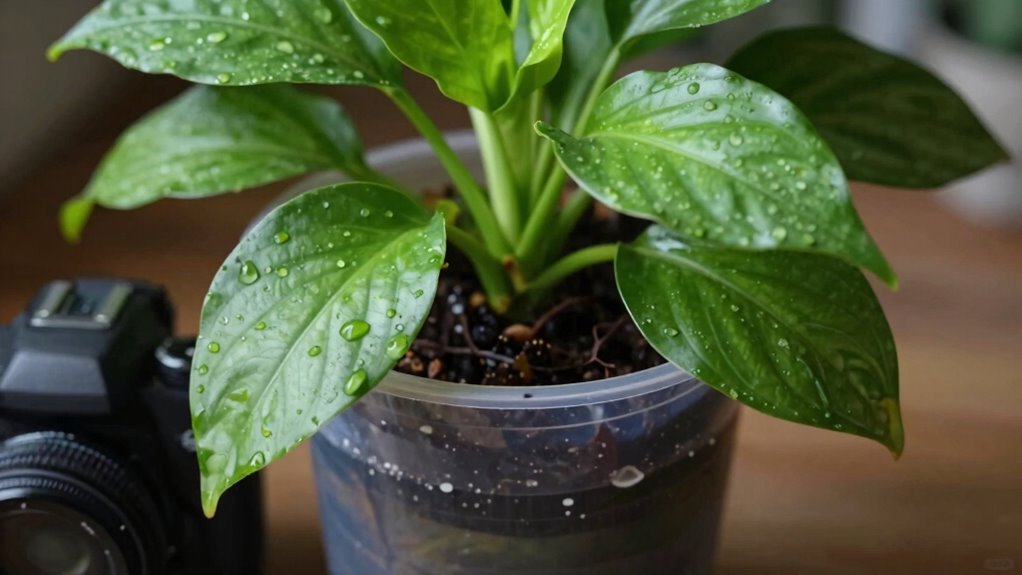
Self-watering systems are designed to keep plants consistently hydrated, but understanding how dry-down occurs is essential for maintaining healthy growth. Even with these systems, some plants benefit from periodic dry-downs, which help maintain the right balance of root moisture and promote ideal nutrient absorption. When the soil or growing medium remains perpetually moist, roots can become waterlogged, leading to oxygen deprivation and root rot. This creates a situation where roots struggle to absorb nutrients effectively, since excess moisture limits airflow and hampers their function.
Consistent moisture can cause root rot; periodic dry-downs foster healthy roots and better nutrient absorption.
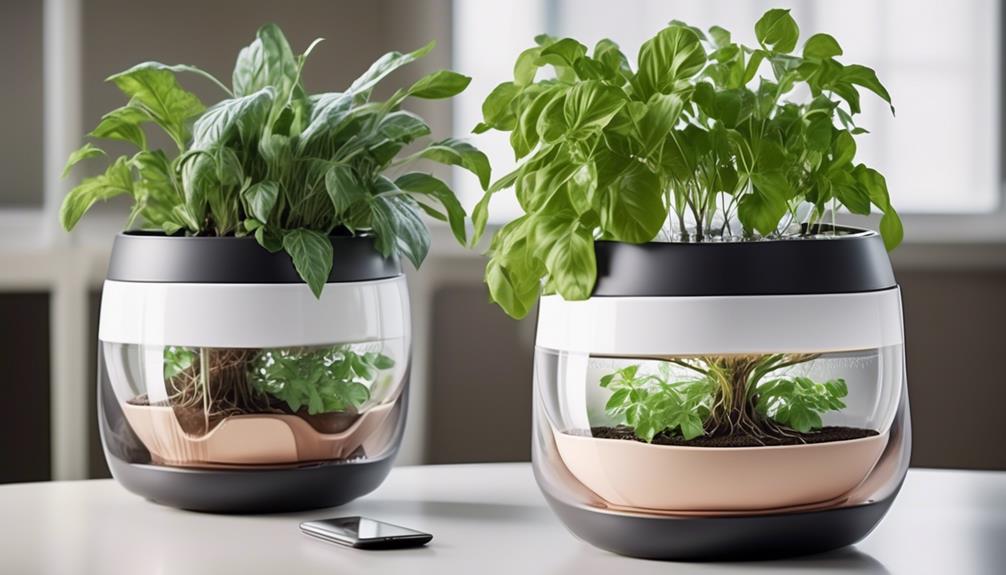
In a self-watering setup, water is typically supplied from a reservoir that slowly wicks into the soil, creating a controlled environment. However, not all plants thrive under constant saturation. Many varieties, especially those native to well-drained soils or adapted to drier conditions, require periods of dry-down to prevent overhydration. During these dry periods, roots can recover from excess moisture, allowing oxygen to penetrate the root zone. This process keeps root moisture at an ideal level—sufficient to support growth without drowning the roots—and ensures that roots stay healthy and active. Additionally, soil aeration during dry-down periods enhances oxygen availability, which is vital for root health.
Understanding the water retention capacity of different soils helps in planning effective dry-down periods tailored to specific plant needs. You should also consider the specific needs of your plants. Some prefer consistently moist conditions, while others thrive with periodic dry-downs. For example, succulents and cacti naturally require drier soil, so a constant wet environment would hinder their growth. On the other hand, leafy greens or herbs may need more frequent watering, but even they benefit from occasional dry-downs to prevent issues like mold or disease. Adjusting the watering schedule to include dry-down periods helps mimic natural conditions, fostering stronger, healthier plants. It’s also beneficial to observe the plant response to watering changes to fine-tune your care routine effectively.
Additionally, understanding the role of contrast ratio in related systems can help optimize your plant care setup by ensuring proper lighting conditions that complement watering schedules. Ultimately, understanding the balance between water supply and dry-down in self-watering systems allows you to tailor care to each plant’s needs. By managing root moisture levels and encouraging healthy nutrient absorption, you ensure your plants remain vigorous and resilient. Recognizing when to let the soil dry out slightly can make all the difference between a thriving garden and one plagued by root problems or nutrient deficiencies.
self-watering plant pots for succulents
As an affiliate, we earn on qualifying purchases.
As an affiliate, we earn on qualifying purchases.
Frequently Asked Questions
How Can I Tell if My Plant Needs More or Less Water?
To tell if your plant needs more or less water, check the soil moisture regularly. If the soil feels dry several inches below the surface, it’s time to water again. Conversely, if it’s consistently wet or soggy, you’re overwatering. Adjust your watering frequency accordingly. Remember, even self-watering systems can lead to overwatering if the soil stays too moist, so monitor and adapt to your plant’s needs.
Are There Specific Plants That Never Require a Dry-Down Period?
Some plant species, like succulents and cacti, typically don’t require a dry-down period because they thrive in infrequent watering, storing water in their tissues. You can usually set a longer watering frequency for these plants in self-watering systems, as they’re adapted to dry conditions. However, even these plants benefit from occasional dry-downs to prevent root rot and maintain healthy growth.
Does the Size of the Self-Watering Container Affect Dry-Down Needs?
Container size definitely influences dry-down needs. Larger containers provide more soil volume, encouraging healthy root growth and moisture retention, so your plants may need less frequent dry-downs. Smaller containers, however, dry out faster, requiring more regular dry-down periods to prevent overwatering and root rot. Balancing container size with your plant’s root growth habits ensures ideal moisture levels, helping your plants stay healthy and thrive in their self-watering systems.
How Often Should I Check the Moisture Levels in My System?
You should check your moisture levels daily, especially during hot or dry weather. Soil evaporation and humidity impact how quickly the soil dries out, so monitoring guarantees your plant doesn’t stay too wet or dry. Keep an eye on the moisture indicator or gently feel the soil. Adjust watering as needed, particularly if humidity drops or rises, to maintain consistent moisture levels and prevent overwatering or underwatering.
Can Overwatering Occur in Self-Watering Systems During Dry-Down?
Overwatering can happen even during dry-down, like a flood in a drought. When you don’t allow the soil to dry properly, it hampers plant root oxygenation, leading to root rot. Self-watering systems use moisture retention strategies that can trap excess water, risking overwatering if you don’t monitor closely. To prevent this, check moisture levels regularly and guarantee the system allows for periodic drying, promoting healthy roots and ideal growth.
soil moisture meter for indoor plants
As an affiliate, we earn on qualifying purchases.
As an affiliate, we earn on qualifying purchases.
Conclusion
In self-watering systems, allowing plants to dry down periodically prevents root rot and promotes healthy growth. For instance, imagine a tomato plant that’s constantly soaked; it could develop fungal issues despite the system’s design. By ensuring the soil dries out between watering cycles, you help your plants breathe and stay resilient. Remember, even with self-watering setups, giving your plants a dry-down phase is key to keeping them happy and thriving long-term.
drainage systems for potted plants
As an affiliate, we earn on qualifying purchases.
As an affiliate, we earn on qualifying purchases.
automatic watering systems with dry-down feature
As an affiliate, we earn on qualifying purchases.
As an affiliate, we earn on qualifying purchases.
Columbus Day / Indigenous Peoples' Day Picks
long weekend sales
As an affiliate, we earn on qualifying purchases.