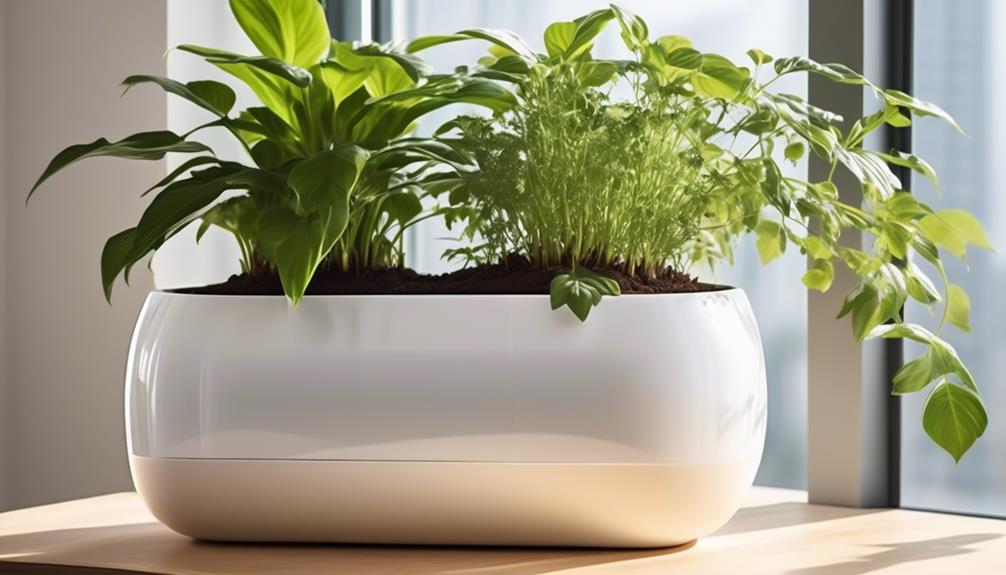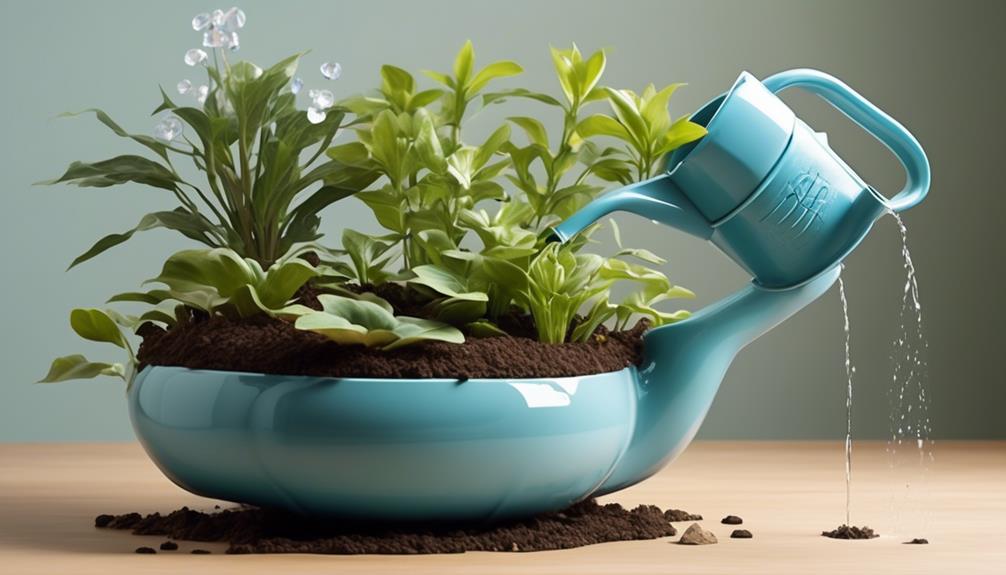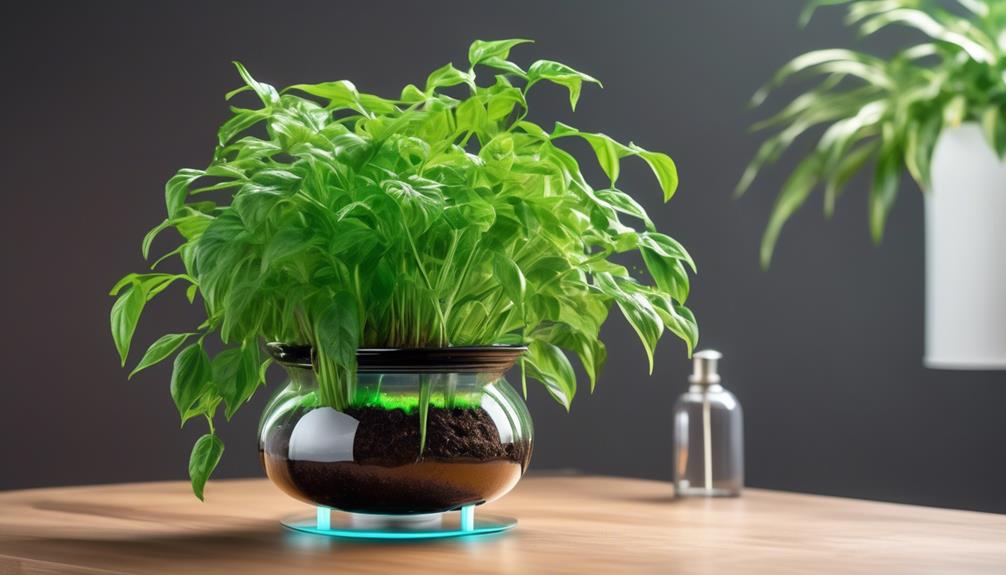
To design a DIY self-watering planter with recycled materials, start with containers like plastic bottles or old buckets. Cut or modify them to form a water reservoir and soil holder, inserting a wick or capillary material to draw water upward. Use recycled items to customize size and shape, drill small holes for water regulation, and make certain the reservoir sits below the soil for proper watering. Keep exploring these tips to create a sustainable, eco-friendly planter that’s easy to maintain.
Key Takeaways
- Select suitable recycled containers like plastic bottles or old pots for both soil and water reservoir components.
- Cut and invert plastic bottles to create a water reservoir with small holes to control water flow.
- Connect the reservoir to soil using wicks or absorbent materials for capillary water supply.
- Ensure the reservoir is positioned below soil level and regularly refill to maintain consistent moisture.
- Use layered or customized recycled setups for efficient, eco-friendly, self-watering plant systems.

Creating a DIY self-watering planter is a simple way to keep your plants healthy and watered consistently without daily attention. To do this effectively, you need to design a reliable watering system that can supply moisture gradually and evenly. The best part? You can build this system using recycled materials, making your project eco-friendly and budget-friendly. Start by gathering items like plastic bottles, old buckets, or used containers—anything that can hold soil and water comfortably. These recycled materials form the foundation of your planter and help reduce waste.
Create an eco-friendly self-watering planter using recycled bottles, buckets, or containers for easy, sustainable plant care.
The core idea behind a self-watering system is to create a reservoir that supplies water to the plant’s roots as needed. For example, you might cut a plastic bottle in half and invert the top into the bottom to create a simple water reservoir. This inverted top acts as a wick, drawing water upward into the soil through capillary action. When building your watering system, ensure that the opening is wide enough to allow water to flow but not so large that soil leaks out. You can also drill small holes in the bottle cap or base to regulate water flow and prevent overwatering.
Using recycled materials for your watering system not only reduces waste but also allows you to customize your planter’s size and shape. For instance, an old pot with drainage holes can be repurposed by adding a water reservoir underneath, connected via a wick or capillary mat. If you prefer a more straightforward approach, a large recycled container, like a milk crate or a wooden box lined with a plastic sheet, can serve as the outer structure, housing a smaller container or pot filled with soil and plants. This layered setup ensures excess water stays in the reservoir while providing a steady supply to your plants.
To make sure your watering system is effective, position the water reservoir below the soil level, and add a wick or absorbent material that connects the water source to the soil. This setup allows water to move upward naturally, maintaining consistent moisture levels. Check your DIY self-watering planter regularly, especially during hot or dry periods, and refill the reservoir as needed. By selecting recycled materials, you not only save money but also create a sustainable, functional planter that keeps your plants thriving with minimal effort. With a little creativity and resourcefulness, you can craft a durable, eco-friendly watering system that makes plant care easier and more sustainable.

Dexceder 15x14 Self Watering Planter with Wheels Indoor Outdoor, Inner Pot Design, Thickened Large Floor Standing Flower Plant Pot with Water Level Indicator (White Matte)
SELF WATERING & NO MORE ROOT ROT - The smart unique sub-irrigation system is one of the most...
As an affiliate, we earn on qualifying purchases.
Frequently Asked Questions
Can I Use Any Type of Plastic for the Planter?
You can’t use any type of plastic for your planter, as some plastics, like certain PVC or plastics containing BPA, may be toxic to plants. Opt for food-grade plastics or recycled containers labeled as safe. Using the right plastic type helps maintain proper watering frequency without leaching chemicals that could harm your plants. Always choose durable, UV-resistant plastics to ensure your self-watering planter lasts outdoors.
How Often Should I Refill the Water Reservoir?
You should refill the water reservoir every few days, especially when you notice the soil moisture dropping. Ironically, it’s like giving your plants a tiny, daily sip of water, much like a personal hydration routine. Keep an eye on the soil moisture levels—if it feels dry, it’s time to replenish. Frequent watering ensures your plants stay happy and healthy without overwatering or underwatering.
Is This Planter Suitable for All Plant Types?
This planter is suitable for many plant types, but you should consider plant compatibility and watering frequency. Succulents and cacti, for example, prefer less water, so you’ll need to monitor the moisture levels carefully. For most other plants, it works well, but you may need to adjust the watering schedule. Always check your plant’s specific needs to prevent overwatering or underwatering, ensuring healthy growth.
What Safety Precautions Are Needed When Handling Recycled Materials?
When handling recycled materials, you should wear safety gloves to protect your skin from sharp edges or contaminants. Guarantee proper ventilation precautions by working in a well-ventilated area, especially if you’re cutting or sanding materials that may release dust or fumes. Always wash your hands afterward, and double-check that recycled components are clean and safe for contact with plants and soil. These steps keep your project safe and enjoyable.
Can I Customize the Size of the Planter?
Yes, you can customize the planter size easily with DIY resizing techniques. To adjust the size, simply cut recycled materials like plastic bottles or cans to your desired dimensions, ensuring to smooth edges for safety. You can also add or remove layers or sections to make it larger or smaller. This flexibility allows you to tailor your self-watering planter to fit your space and plant needs perfectly.

montresor 12/10/8 Inch Self Watering Pots for Indoor Plants Plastic Large Plant Pots for Outdoor Plants, Water Level Window & Spacious Reservoir Flower Pots Decorative Planter with Drainage and Tray
【Self Watering Planter for Busy Plant Parents】8/10/12-inch self-watering pots with cotton wicks auto-feed plants from the detachable reservoir....
As an affiliate, we earn on qualifying purchases.
Conclusion
By creating your own self-watering planter from recycled materials, you’re not only saving money but also helping the environment. Did you know that over 8 million tons of plastic waste end up in our oceans each year? Imagine how much of that could be repurposed into sustainable planters. With just a few items and some creativity, you can grow healthy plants while reducing waste. It’s a simple step toward a greener, more eco-friendly lifestyle you can be proud of.
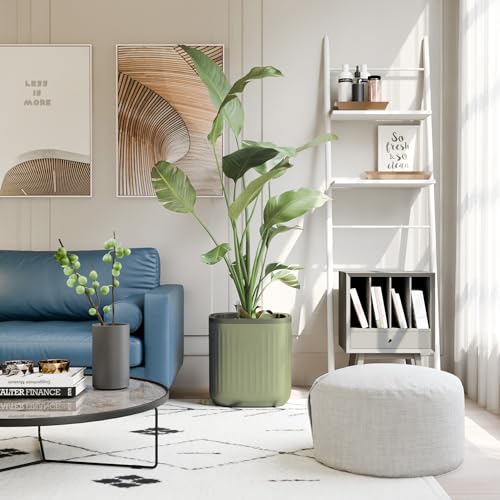
15 Inch Self-Watering Planter for Indoor Plants – Large Modern Plant Pot with Built-In Water Reservoir, Ideal for Monstera, Fiddle Leaf Fig, Palms & Peace Lily, Without Trellis, Sage Green
🌿Designed for Large Indoor Plants: Perfect for popular houseplants like Monstera, Fiddle Leaf Fig, Areca Palm, Peace Lily,...
As an affiliate, we earn on qualifying purchases.

YNNICO Indoor Self Watering Planters with Drainage Holes and Saucers, 8, 7, 6.5, 6, 5.5, 5 Inches, Black, 6 Pots
【Practical Size Combo】-These plastic planters indoor combines with 6 different sizes, 8 inch 7inch 6.5 inch 6 inch...
As an affiliate, we earn on qualifying purchases.