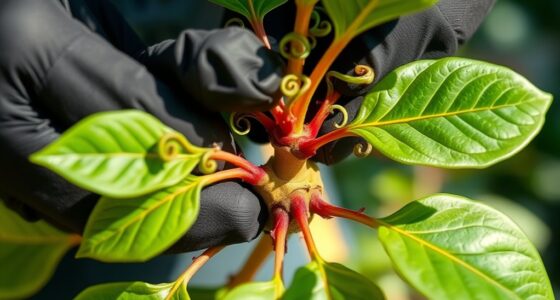

Yes, there’s hope for saving Torreya taxifolia, despite its status as America’s rarest conifer. Conservation efforts focus on protecting existing populations, establishing protected habitats, and using seed banks as insurance. Scientists are working on developing disease-resistant trees and increasing genetic diversity through seed collection and research. While challenges remain, ongoing strategies aim to restore and preserve this ancient species. If you want to understand how these efforts might succeed, keep exploring the actions behind this critical conservation work.
Key Takeaways
- Conservation efforts like habitat protection and seed banking aim to prevent extinction of Torreya taxifolia.
- Genetic diversity is crucial; collecting seeds from various trees helps increase resilience.
- Scientific research focuses on disease-resistant strains and innovative propagation techniques.
- Reintroduction of genetically diverse trees into wild populations is key to recovery.
- A multifaceted approach combining habitat preservation, genetic management, and research offers hope for saving the species.
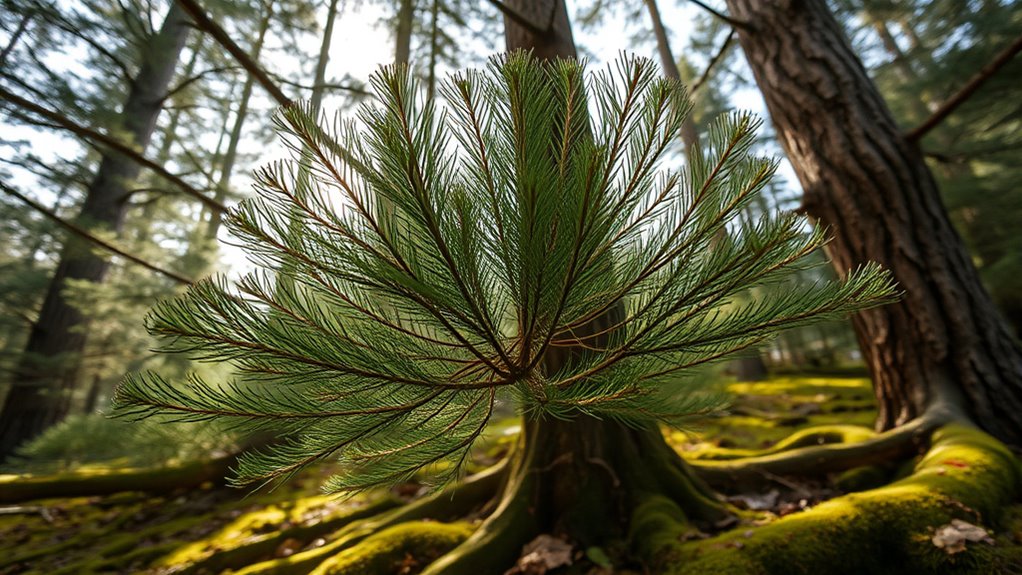
Torreya taxifolia, commonly known as Florida torreya, is a rare and endangered conifer native to a small region in northern Florida and southwestern Georgia. Its numbers have plummeted over recent decades due to disease, habitat loss, and environmental changes. As someone concerned with conservation, you might wonder how this majestic tree can be saved. The key lies in effective conservation strategies that prioritize increasing genetic diversity, which is vital for the species’ resilience and long-term survival.
Conservation strategies for Florida torreya focus on protecting existing populations and restoring habitat. This includes safeguarding remaining trees from logging, disease, and development, while also establishing protected areas where the species naturally occurs. Ex-situ conservation efforts, such as cultivating torreya in botanical gardens and seed banks, act as insurance policies against total extinction. These measures help guarantee that genetic material is preserved and available for future restoration projects. You should also support and participate in research initiatives aimed at understanding the disease affecting torreya, which is believed to be a fungal pathogen called *Fusarium*. Developing resistant strains becomes possible when you promote a scientific approach that incorporates genetic diversity.
Protect Florida torreya through habitat preservation, seed banking, and research to combat disease and boost genetic diversity.
Genetic diversity plays a pivotal role in the conservation of Florida torreya. When populations are genetically diverse, they possess a broader range of traits, increasing their ability to adapt to changing environments and resist diseases. Unfortunately, the current populations are genetically limited, making them more vulnerable to threats. You can contribute to enhancing genetic diversity by supporting programs that collect and plant seeds from different individual trees across the species’ range. This approach helps prevent inbreeding and boosts the genetic health of the species. Additionally, scientists are exploring techniques like controlled cross-breeding and tissue culture to create genetically diverse individuals that can be reintroduced into the wild. Promoting genetic diversity is essential for building a resilient and adaptable population.
As someone invested in the future of this rare conifer, you should recognize that conservation isn’t just about protecting trees—it’s about safeguarding genetic diversity, which underpins the species’ ability to survive and adapt. Every action, from supporting research to advocating for habitat protection and participating in seed collection efforts, contributes to the bigger picture. Restoring Florida torreya’s population demands a multifaceted approach that combines conservation strategies with a focus on maintaining and enhancing genetic diversity. Only then can you help guarantee that this ancient tree, once abundant in its native range, doesn’t disappear forever. With concerted effort and scientific innovation, there’s hope that America’s rarest conifer can be saved for future generations to admire and study.
Frequently Asked Questions
How Does Torreya Taxifolia Reproduce Naturally?
Torreya taxifolia reproduces naturally through pollination mechanisms involving wind, which carries pollen to female cones. Once pollinated, seed dispersal processes come into play as the mature cones release seeds that fall nearby or are dispersed by animals or gravity. You can observe this cycle in its natural habitat, where wind and animal interactions help spread the seeds, ensuring the species continues to grow and reproduce naturally.
Are There Any Existing Conservation Programs for Torreya Taxifolia?
You’ll be interested to know that several conservation initiatives are actively working to save torreya taxifolia. These efforts focus on genetic preservation, ensuring the species’ unique traits are maintained for future generations. Programs involve cultivating the tree in botanical gardens and protecting its natural habitat. By supporting these initiatives, you help foster the survival of this rare conifer, which has fewer than 300 mature individuals left in the wild.
What Is the Current Population Estimate of Torreya Taxifolia?
You should know that the current population estimate of Torreya taxifolia is fewer than 200 mature trees remaining in the wild. This sharp population decline has markedly reduced genetic diversity, making the species more vulnerable to disease and environmental changes. Conservation efforts aim to preserve and restore this rare conifer, but understanding its small population size highlights the urgent need to protect its remaining genetic resources.
How Can Individuals Help Protect Torreya Taxifolia?
You can help protect Torreya taxifolia by participating in seed collection efforts to support its genetic diversity. Volunteer for habitat restoration projects to restore and expand its natural environment. Spread awareness about its endangered status, encouraging others to get involved. Your actions, like planting seedlings or donating to conservation groups, make a difference. Every effort counts in ensuring this rare conifer survives for future generations.
Has Torreya Taxifolia Been Successfully Cultivated Outside Its Native Habitat?
Torreya taxifolia has seen limited success in cultivation outside its native habitat due to significant horticultural efforts and cultivation challenges. You might find some cultivated specimens in botanical gardens or specialized nurseries, but replicating its natural environment remains difficult. While these efforts help preserve the species, ongoing research and improved horticultural techniques are vital to increase success and guarantee its survival beyond its native range.
Conclusion
You might be surprised to learn that fewer than 50 mature Torreya taxifolia trees remain today. This rare conifer’s survival depends on urgent conservation efforts. By supporting initiatives to protect and restore its habitat, you can help prevent the complete loss of this unique species. Every action counts—your involvement could be the key to ensuring that America’s rarest conifer continues to thrive for generations to come.