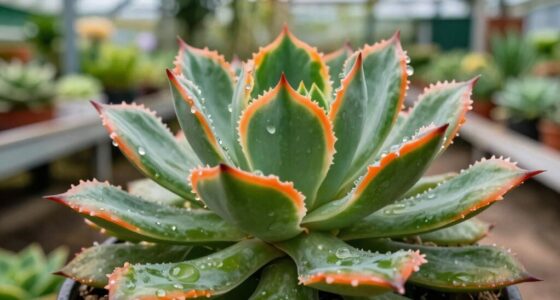
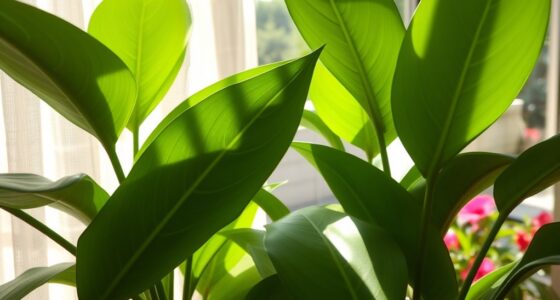
Custom substrates let you craft soil mixes that perfectly match the specific needs of rare and unusual plants. By selecting components like organic matter, mineral materials, or unique amendments, you can optimize root development, moisture control, and nutrient availability. Tailoring your soil helps mimic native habitats and reduces disease risks, boosting plant health. Keep exploring to discover the key components and methods for creating effective, personalized soil environments that your plants will thrive in.
Listen free for 30 days with Audible
Thousands of audiobooks and originals — cancel anytime.
As an affiliate, we earn on qualifying purchases.
Key Takeaways
- Custom substrates provide tailored nutrient, moisture, and aeration conditions to meet the unique needs of rare and unusual plants.
- Selecting specific components like organic matter, mineral additives, or aeration materials optimizes growth and health for specialized species.
- Tailoring soil mixes enhances propagation success by promoting healthy root development and reducing disease risks.
- Precise control over pH, mineral content, and texture helps mimic native habitats, improving plant adaptation and vitality.
- Understanding the plant’s natural environment guides the creation of effective, customized soil substrates for optimal performance.
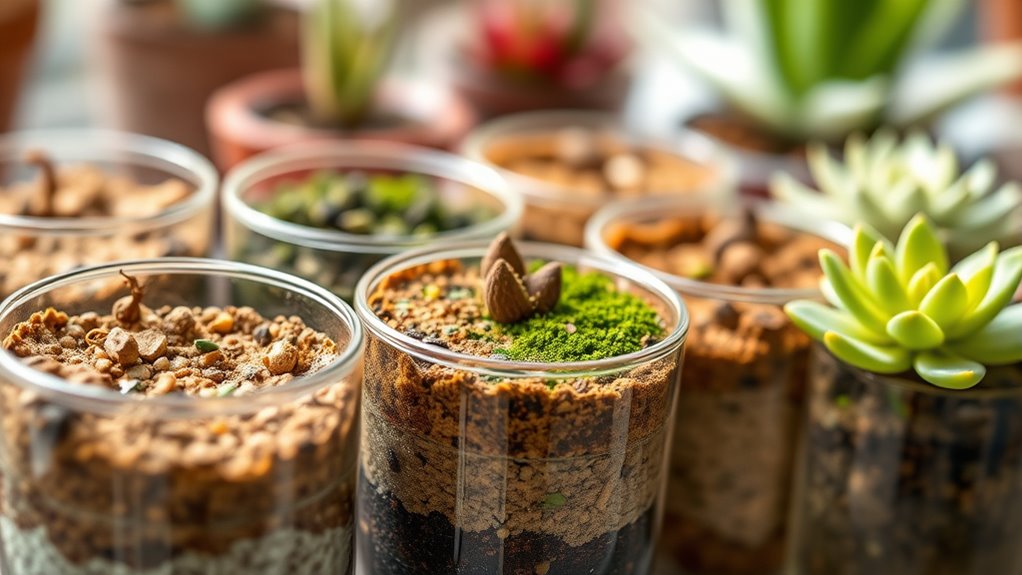
Custom substrates are increasingly essential in various industries because they provide tailored solutions that meet specific performance requirements. When it comes to cultivating rare and unusual plants, this is especially true. These plants often have unique needs that standard soil mixes can’t fulfill, making custom substrates vital for successful growth. If you’re involved in plant propagation or soil nutrient management, understanding how to craft these specialized mixes can significantly improve your results.
Custom substrates are essential for growing rare and unusual plants successfully.
When you’re propagating rare plants, you need a substrate that encourages healthy root development while maintaining the right moisture levels. Custom substrates allow you to fine-tune the texture, aeration, and water retention, ensuring that every stage of propagation is optimized. For example, you might incorporate specific organic materials or mineral components that promote faster rooting or reduce disease susceptibility. By customizing the soil mix, you give your new plants the best start possible, increasing the likelihood of healthy, vigorous growth.
Soil nutrient management is equally crucial when working with unusual plants. Many of these species thrive in environments with precise nutrient balances that are difficult to replicate with generic soils. Custom substrates enable you to control nutrient levels closely, incorporating specific fertilizers or amendments that match the plant’s natural habitat or growth phase. This targeted approach prevents deficiencies or excesses that could hinder development or cause stress. You can also adjust pH levels and mineral content to match the plant’s native conditions, which is often essential for maintaining its health over the long term.
Creating a custom substrate involves understanding the plant’s particular needs and selecting components accordingly. For instance, some rare orchids prefer a coarse, well-draining mix with specific mineral content, while certain tropical plants may require high organic matter to mimic their native soil. You might also include elements like activated charcoal to improve aeration or specific clay particles to regulate moisture. This level of customization ensures that the plant’s environment closely resembles its natural habitat, promoting better adaptation and growth.
Ultimately, customizing soil mixes isn’t just about mixing ingredients; it’s about applying your knowledge of plant propagation and soil nutrient management to craft an environment where rare and unusual plants can thrive. When you pay attention to their specific requirements and tailor your substrates accordingly, you set your plants up for success. Whether you’re propagating new specimens or maintaining mature ones, using custom substrates gives you a powerful tool to optimize growth, health, and vitality of these unique species. Additionally, understanding the importance of quality components in soil mixes can greatly influence the success of your cultivation efforts.
custom soil substrate for rare plants
As an affiliate, we earn on qualifying purchases.
As an affiliate, we earn on qualifying purchases.
Frequently Asked Questions
How Do I Test Soil Ph Before Customizing a Substrate?
To test soil pH, start with soil testing using a reliable pH measurement kit or a digital pH meter. Collect a soil sample from different spots around your plant area, then follow the instructions for your testing method. For accurate results, mix the sample with distilled water, and then read the pH level on your device or test strip. This helps you determine whether your soil needs adjustment before customizing your substrate.
What Are the Best Organic Amendments for Rare Plant Substrates?
You should choose organic composts like aged manure or composted bark to enrich your plant substrates with nutrients. Incorporate mineral supplements such as rock phosphate or kelp meal to boost trace minerals. These amendments improve soil fertility and promote healthy growth, especially for rare plants. Always mix thoroughly and adjust based on your plant’s specific needs, ensuring ideal conditions for thriving, unique specimens.
How Often Should I Repot Plants With Custom Soil Mixes?
Think of repotting as giving your plant a fresh start; it’s essential for thriving. You should repot when your plant outgrows its container size or shows signs of root crowding. Generally, do a root health check every 1-2 years, and repot if roots are circling or the soil has broken down. Keeping an eye on these signs guarantees your plant stays healthy and happy in its custom soil mix.
Can I Use Homemade Compost in Specialized Substrates?
You can use homemade compost in specialized substrates, but it’s essential to consider the compost quality. Make sure your homemade fertilizer is well-decomposed, free of pests, and balanced in nutrients. High-quality compost adds valuable organic matter, enhancing soil structure and fertility. However, avoid using compost with weed seeds or pathogens, as these can harm your plants. Always test your homemade compost before mixing it into your specialized substrate.
How Do I Identify Nutrient Deficiencies in Custom Soil Mixes?
To identify nutrient deficiencies, you should use diagnostic techniques like observing deficiency symptoms, such as yellowing leaves or stunted growth. Regularly check your plants for these signs, and consider soil testing to analyze nutrient levels. Keep an eye on plant vigor and color, and compare symptoms to known deficiency indicators. This proactive approach helps you adjust your soil mix effectively, ensuring your plants receive the nutrients they need to thrive.
orchid potting mix organic mineral
As an affiliate, we earn on qualifying purchases.
As an affiliate, we earn on qualifying purchases.
Conclusion
By crafting custom substrates, you’re the gardener shaping a hidden sanctuary, where each soil blend becomes a secret recipe for rare plants to thrive. Think of your soil mix as a key opening their full potential, nurturing their unique roots and delicate needs. As you tailor these soils, you’re not just planting—you’re creating a living symbol of patience and precision, turning your garden into a sanctuary where uncommon beauty can flourish against all odds.
soil amendments for tropical plants
As an affiliate, we earn on qualifying purchases.
As an affiliate, we earn on qualifying purchases.
drainage and aeration soil components
As an affiliate, we earn on qualifying purchases.
As an affiliate, we earn on qualifying purchases.
Flea & tick season Picks
flea and tick prevention
As an affiliate, we earn on qualifying purchases.