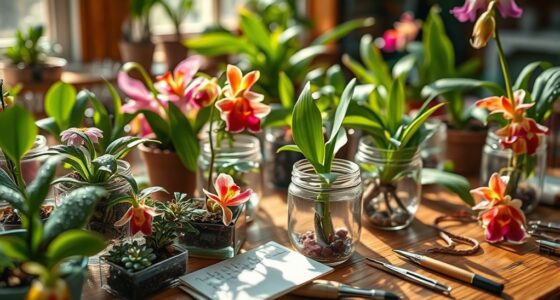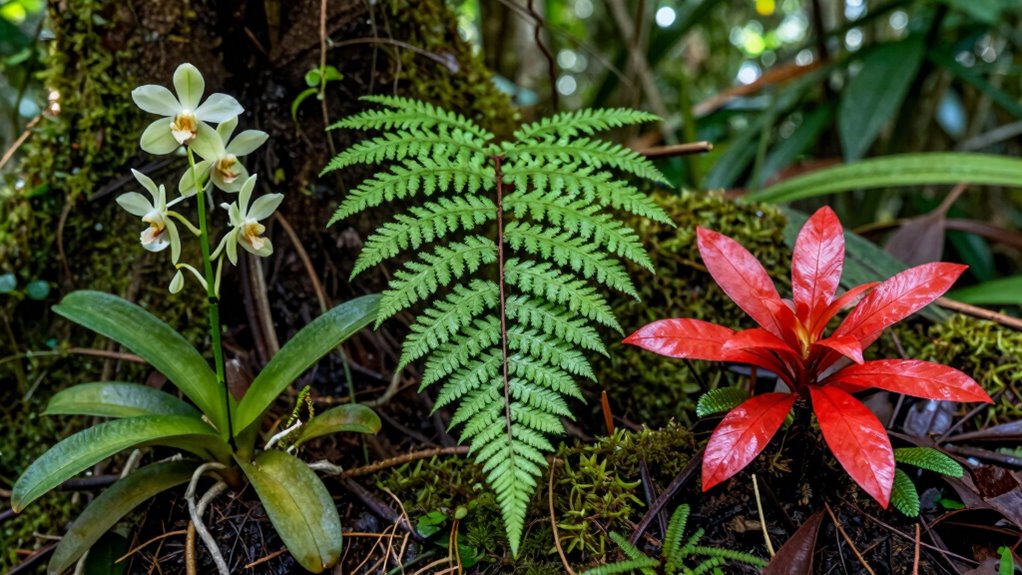

Rare plants have a small distribution or limited population but aren’t always at risk of extinction. Uncommon plants are less frequently seen but aren’t necessarily endangered. Endangered plants face a high risk of extinction, often needing urgent conservation efforts. Understanding these differences helps you see why protecting habitats and supporting conservation actions matter. If you continue exploring, you’ll discover ways to help preserve these important species and their ecosystems.

Get the little things that make your day delivered free with Prime
- Fast, free delivery on millions of items
- Prime Video, Amazon Music and more included
- Member-only deals all year
Key Takeaways
- Rare plants have a limited distribution or small population but are not necessarily at immediate risk of extinction.
- Uncommon plants are infrequently observed or collected, often due to natural scarcity or remote habitats, without critical threat status.
- Endangered plants face a high risk of extinction, with critically low populations and shrinking habitats requiring urgent conservation.
- Conservation efforts for rare and uncommon plants focus on habitat preservation and maintaining genetic diversity, while endangered plants need immediate protective actions.
- The classification reflects different levels of abundance and threat, with rare and uncommon plants less threatened than those classified as endangered.
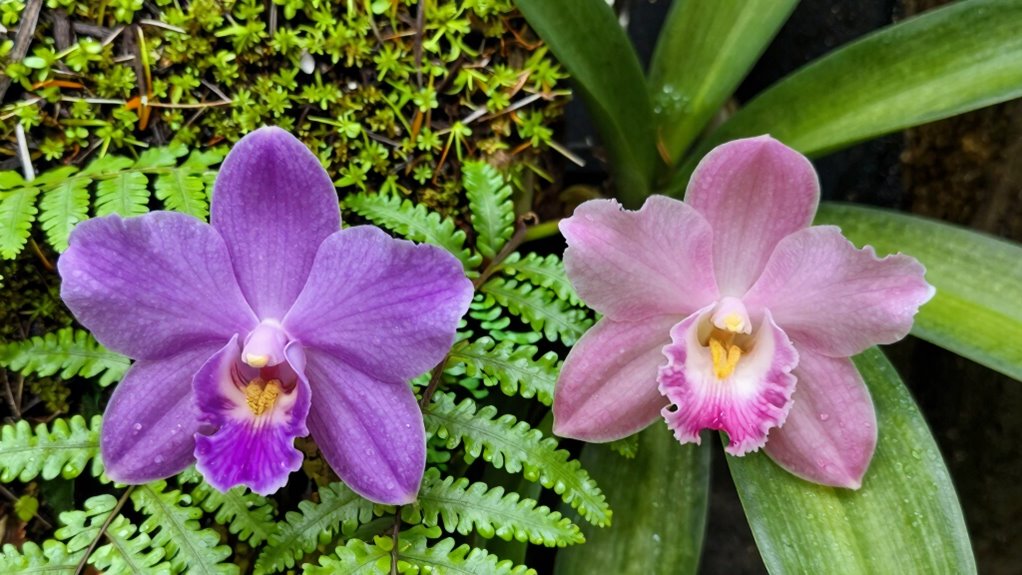
Understanding the distinctions between rare, uncommon, and endangered plants is essential for appreciating their conservation status and importance. These terms help us grasp how plant species are categorized within botanical classification systems and why certain species need urgent attention. When it comes to plant conservation, knowing the differences allows you to better understand which plants require immediate action versus those that are simply less frequently encountered. It also helps clarify how scientists track plant populations and assess risks to their survival.
Understanding plant categories helps prioritize conservation efforts and track species’ survival risks effectively.
A rare plant typically has a small distribution range or limited population size but isn’t necessarily on the brink of extinction. You might find rare plants in specific habitats or confined to particular geographic areas. Because they’re not widespread, they can be vulnerable to habitat disturbance or environmental changes, but they aren’t automatically classified as endangered. In botanical classification, rarity indicates a species’ limited occurrence but doesn’t always imply a critical threat to its survival. Protecting rare plants is a key part of plant conservation efforts, as maintaining their populations helps preserve genetic diversity and ecological balance. Recognizing the importance of native plants in supporting local ecosystems highlights the need for targeted conservation strategies.
Uncommon plants are slightly different. They’re simply less frequently seen or collected, which might be due to their natural scarcity or remote habitats. These plants aren’t necessarily at immediate risk, but their infrequent appearance can make them seem more mysterious or harder to study. As part of botanical classification, “uncommon” suggests a lower abundance but doesn’t imply a high risk of extinction. Conservation strategies for these species often focus on understanding their ecological roles and ensuring their habitats remain intact, preventing them from slipping toward true endangerment. Their limited distribution can sometimes be a sign of ecological specialization that requires careful habitat management.
Endangered plants, on the other hand, face a significant risk of extinction in the wild. Their populations are critically low, and they often have shrinking habitats or face threats like invasive species, climate change, or human development. From a plant conservation perspective, protecting endangered species is urgent because losing them would mean irreversible loss of genetic diversity and ecological function. In botanical classification, endangered status is a formal designation, often backed by organizations like the IUCN, which assess the severity of threats. Efforts to conserve endangered plants include habitat restoration, legal protection, and cultivating them in botanical gardens. These measures are vital to prevent the extinction of species that play unique roles in their ecosystems.
As an affiliate, we earn on qualifying purchases.
Frequently Asked Questions
How Do Conservation Efforts Impact Plant Classifications?
Conservation efforts directly impact plant classifications by helping to protect and restore habitats, which can prevent plants from becoming endangered. You support habitat restoration projects to maintain healthy environments, ensuring plants thrive and retain genetic diversity. These efforts can also elevate a plant’s status from rare or uncommon to more stable, reducing the risk of extinction. Your actions contribute to the long-term survival and classification of plant species.
Can Plants Transition Between Rare, Uncommon, and Endangered Statuses?
In the delicate dance of nature, plants can shift between rare, uncommon, and endangered statuses. Habitat loss and decreasing genetic diversity weaken their resilience, pushing them toward more vulnerable categories. Though they may recover with habitat restoration and conservation efforts, ongoing threats can cause their status to fluctuate. Your awareness and action help preserve these plants, ensuring they don’t slip further into danger or, conversely, fade from sight entirely.
What Role Do Botanical Gardens Play in Plant Preservation?
Botanical gardens play a crucial role in plant preservation by actively cultivating rare, uncommon, and endangered plants. Through botanical garden cultivation, you help safeguard genetic diversity and guarantee species survival. Additionally, these gardens promote public education initiatives, raising awareness about conservation issues. By visiting and supporting botanical gardens, you contribute to ongoing efforts to protect vulnerable plant species, making sure they thrive for future generations.
How Are Plant Populations Monitored Internationally?
You can see how plant populations are monitored internationally through organizations like the IUCN, which tracks genetic diversity and habitat fragmentation. They gather data from countries worldwide, evaluating threats and population trends. By conducting field surveys and analyzing genetic samples, they identify vulnerable species and monitor their status over time. This global effort helps prioritize conservation actions and guarantees plants are preserved for future generations.
What Are the Economic Impacts of Plant Rarity Classifications?
You might find it surprising, but rare plant classifications can boost local economies by attracting eco-tourists seeking unique species. The plant trade flourishes when rare plants become highly sought after, increasing profits for collectors and nurseries. Meanwhile, ecotourism opportunities grow as travelers visit protected areas to see rare species in their natural habitat. However, these classifications can also drive illegal harvesting, risking the very plants that fuel economic benefits.
endangered plant preservation kit
As an affiliate, we earn on qualifying purchases.
As an affiliate, we earn on qualifying purchases.
Conclusion
Understanding the subtle distinctions between rare, uncommon, and endangered plants helps you appreciate their hidden stories. While some may be quietly disappearing from our view, others continue to grace our world with resilience. By paying attention and caring, you can play a gentle role in their ongoing story. Remember, every small act of kindness toward these delicate lifeforms nurtures hope for their future, ensuring their silent beauty remains part of our shared natural tapestry.
As an affiliate, we earn on qualifying purchases.
rare and uncommon plant identification guide
As an affiliate, we earn on qualifying purchases.
As an affiliate, we earn on qualifying purchases.
NFL season / tailgating Picks
team gear
As an affiliate, we earn on qualifying purchases.