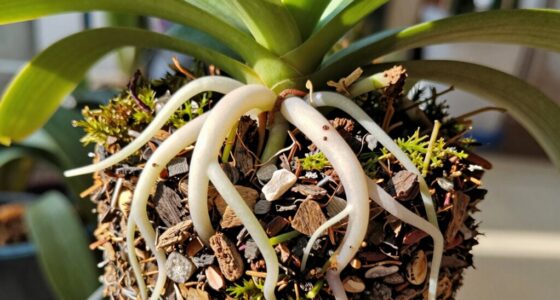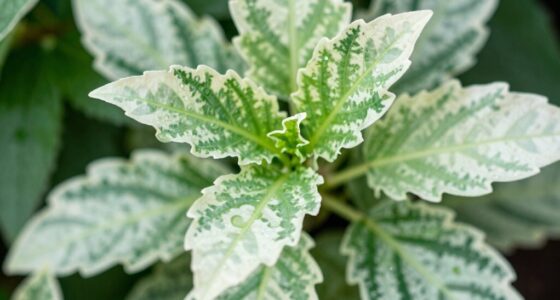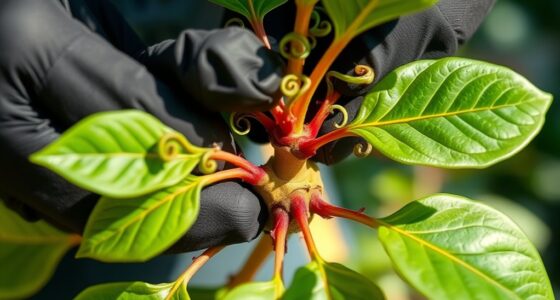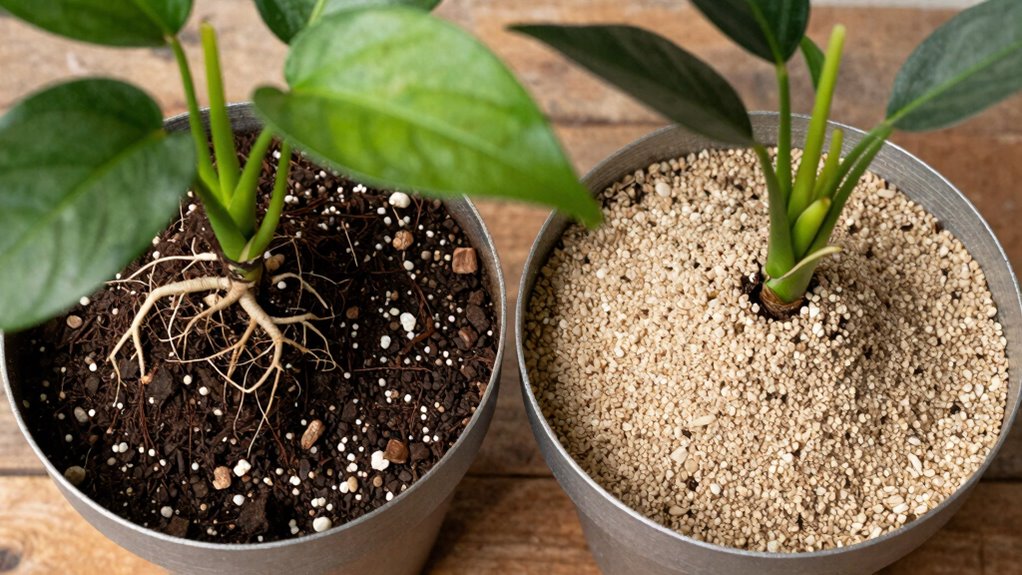

Aroid potting mixes differ from standard indoor mixes because they’re specially designed to meet the moisture retention and aeration needs of tropical plants like philodendrons and pothos. They include ingredients like orchid bark, peat moss, or coconut coir that hold moisture without waterlogging the roots. These mixes support steady watering and nutrient uptake, mimicking natural environments. If you want to understand how to choose the best mix for your plants, keep exploring the details.

Get the little things that make your day delivered free with Prime
- Fast, free delivery on millions of items
- Prime Video, Amazon Music and more included
- Member-only deals all year
Key Takeaways
- Aroid mixes prioritize water retention and aeration with ingredients like orchid bark, peat moss, or coconut coir, unlike faster-draining standard mixes.
- They are formulated to support consistently moist conditions, ideal for tropical, moisture-loving plants, whereas standard mixes may dry out too quickly.
- Aroid mixes are lightly fertilized or compatible with regular feeding, providing sustained nutrients, unlike pre-mixed standard mixes.
- They mimic natural tropical soils, promoting healthy root development and reducing risks of root rot.
- Aroid mixes are tailored for the specific moisture and nutrient needs of plants in the Araceae family, offering better long-term health.
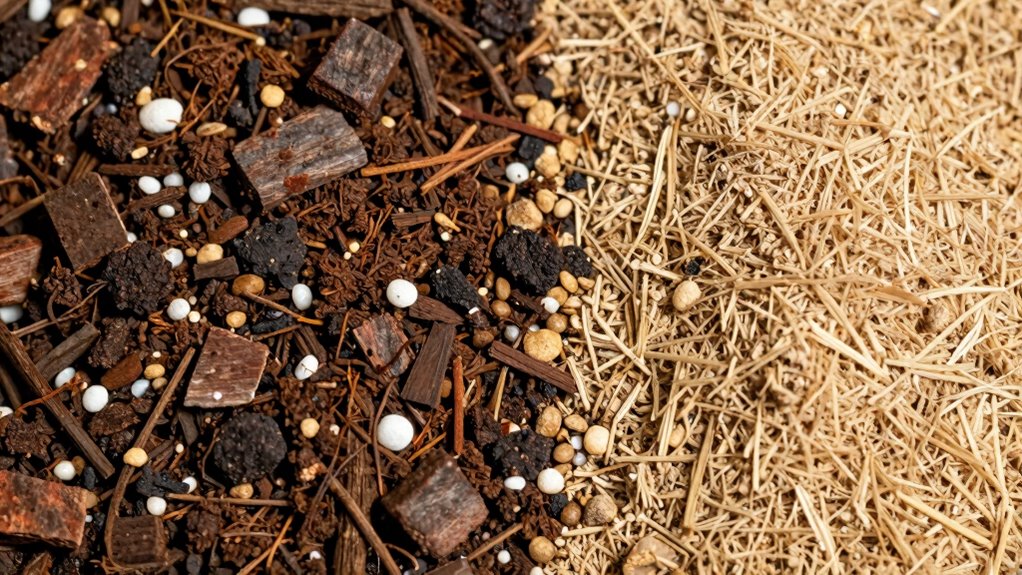
When choosing the right potting mix for your plants, it’s important to understand the differences between aroid potting mixes and general indoor mixes. Aroid mixes are specially formulated to meet the unique needs of plants in the Araceae family, such as philodendrons, pothos, and monsteras. Unlike standard indoor mixes, which aim for broad compatibility across a variety of houseplants, aroid mixes prioritize specific features like water retention and aeration. This focus guarantees your aroids thrive, with their roots receiving the right balance of moisture and airflow.
Water retention is a key aspect that sets aroid mixes apart. These mixes typically contain ingredients like orchid bark, peat moss, or coconut coir, which hold moisture without becoming waterlogged. This helps prevent root rot, a common problem when plants sit in overly damp soil. On the other hand, general indoor mixes often aim for a more balanced approach, sometimes leaning toward faster-draining compositions that suit a wide range of houseplants. However, this can lead to the soil drying out too quickly for moisture-loving aroids, which prefer a consistently moist environment. By using an aroid mix, you give your plants a steady moisture supply that mimics their natural habitat, helping to promote healthy, vigorous growth. Moisture management is essential for maintaining optimal root health in these tropical plants.
Additionally, understanding emerging trends in digital publishing can help you stay updated on the latest research, tips, and products related to plant care and gardening. Fertilizer content is another critical difference. Aroid mixes are usually lightly fertilized or designed to work well with regular feeding schedules, since these plants are often native to tropical regions with rich, organic soils. The mix’s formulation supports ongoing nutrient uptake, especially when paired with liquid or slow-release fertilizers. Standard indoor mixes, however, often contain pre-mixed fertilizers that are intended to provide a quick nutrient boost for a variety of plants. These may not supply enough nutrients over time for aroids, which can lead to deficiencies if not supplemented properly. When you use an aroid-specific mix, you’re better equipped to maintain the ideal fertilizer levels, reducing the risk of overfeeding or underfeeding your plants.
Aroid potting mix for tropical plants
As an affiliate, we earn on qualifying purchases.
As an affiliate, we earn on qualifying purchases.
Frequently Asked Questions
Can I Use Aroid Potting Mix for Non-Aroid Plants?
Yes, you can use aroid potting mix for non-aroid plants, but be cautious. Aroid mixes often contain ingredients that can cause toxicity if ingested, so keep non-aroids away from pets and children. Also, consider that non-aroid plants may not adapt well to the high moisture and drainage levels of these mixes. Adjust watering accordingly to prevent root rot and guarantee your plants thrive.
How Often Should I Repot Aroids Using Specialized Mixes?
You should repot your aroids every 1-2 years, balancing watering frequency with soil drainage. When the plant outgrows its pot or shows signs of sluggish growth, it’s time to refresh the soil. Despite their preference for well-draining mixes, overwatering can still cause issues, so check the soil regularly. Repotting keeps your aroid healthy, ensuring it gets fresh nutrients and prevents root rot from poor drainage.
Are There Specific Fertilizers Suited for Aroid Mixes?
Yes, there are specific fertilizers suited for aroid mixes. You should look for fertilizers that provide aroid-specific nutrients like nitrogen, phosphorus, and potassium, along with trace minerals. During fertilizer application, use a balanced or slightly higher nitrogen formula to promote healthy foliage. Apply fertilizer every 4-6 weeks during the growing season, ensuring you avoid overfeeding, which can harm your plant. Always follow the manufacturer’s instructions for best results.
Do Aroid Mixes Retain Moisture Longer Than Standard Mixes?
Yes, aroid mixes generally retain moisture longer than standard mixes. They contain higher amounts of organic components like peat moss, coconut coir, and compost, which boost water retention. This helps keep your plant’s roots consistently moist without overwatering. By using these organic materials, you create an environment that supports healthy root growth and minimizes water stress, making your aroids happier and easier to care for.
Can I Customize Indoor Mixes for Better Aroid Growth?
Yes, you can customize indoor mixes for better aroid growth. Investigating soil aeration and nutrient balance reveals that tailored mixes promote healthier roots and vibrant foliage. By adjusting components—adding perlite for aeration or organic matter for nutrients—you optimize conditions. Your efforts guarantee your aroids thrive, with improved root development and overall vigor. Customizing mixes helps create an ideal environment, boosting growth and making your plants more resilient.
orchid bark and coconut coir soil mix
As an affiliate, we earn on qualifying purchases.
As an affiliate, we earn on qualifying purchases.
Conclusion
In the end, understanding the difference between aroid potting mixes and standard indoor mixes helps you give your plants the perfect environment to thrive. While some believe aroids need specialized soil to flourish, others think all indoor plants can share the same base. But the truth is, tailored mixes often boost growth and health. By choosing the right mix, you’re not just planting—you’re nurturing a living, growing masterpiece.
moisture-retentive indoor plant soil
As an affiliate, we earn on qualifying purchases.
As an affiliate, we earn on qualifying purchases.
lightly fertilized potting mix for philodendrons
As an affiliate, we earn on qualifying purchases.
As an affiliate, we earn on qualifying purchases.
NFL season / tailgating Picks
team gear
As an affiliate, we earn on qualifying purchases.