Roots circle inside containers when they outgrow the space and can’t access enough air or water. Poor soil aeration, compacted soil, and small container size cause roots to twist as they search for better conditions. Overwatering and non-porous containers can make things worse, encouraging root circling and crowding. Choosing the right container, using well-draining soil, and proper transplanting techniques help prevent this problem. If you want to uncover more tips, keep exploring how to keep roots healthy and free.
Key Takeaways
- Roots circle when they outgrow the container, pressing against sides, and lack space to grow outward.
- Poor soil aeration and compacted soil cause roots to twist in search of oxygen.
- Small containers limit root expansion, leading to circling patterns.
- Non-porous container materials retain moisture, encouraging roots to spiral in search of better conditions.
- Insufficient repotting or soil renewal causes root congestion, prompting circling behavior.

When roots start circling inside containers, it’s a clear sign that your plant has become root-bound. This happens when the roots outgrow the space available, pressing against the container’s sides and spiraling in tight circles. As the roots attempt to expand, they often get trapped, which limits the plant’s ability to absorb water and nutrients effectively. Understanding why roots circle inside containers can help you prevent or address this issue before it harms your plant’s health.
One of the main reasons roots circle is due to insufficient soil aeration. When the soil becomes compacted or overly dense, it restricts airflow around the roots. Without proper oxygen exchange, roots struggle to grow outward and instead start to twist around in search of better conditions. Improving soil aeration involves choosing a well-draining mix with organic matter that stays loose and breathable. Regularly loosening or replacing the soil can also ensure roots have enough oxygen to grow naturally, reducing the tendency to circle. Additionally, selecting containers made from porous materials allows for better moisture regulation and promotes healthier root growth.
Container materials also play a significant role in root circling. Rigid, non-porous containers like plastic or glazed ceramic often prevent excess moisture from escaping, causing the soil to stay saturated and compacted. This environment discourages healthy root growth and encourages circling. Conversely, containers made from porous materials like clay or terracotta allow excess moisture to evaporate and promote better soil aeration. These materials help maintain a balance of moisture and air around the roots, encouraging outward growth rather than circling. Choosing the right container material can make a big difference in preventing root-bound conditions. Furthermore, understanding the properties of different container materials can help you select the best option for your plant’s specific needs. To further support healthy root development, it’s also important to consider the proper planting techniques, including how you position the plant within the container.
Your choice of container size is equally important. When a plant is placed in a container that’s too small, the roots quickly become crowded, and circling is almost inevitable. Upgrading to a larger pot with ample space for root expansion can alleviate this problem. Additionally, regular repotting prevents roots from becoming too congested, giving your plant fresh soil and room to grow in a healthy direction. Ensuring proper planting techniques can also make a significant difference in root development. An important aspect is proper watering, as overwatering can contribute to poor aeration and promote circling roots. To further support healthy root development, consider incorporating aeration methods like adding coarse materials to the soil or using a pot with drainage holes.
To avoid root circling altogether, you should also consider the way you plant. Use a container with drainage holes to prevent water from pooling and compacting the soil. When transplanting, gently tease the roots to encourage outward growth instead of letting them continue to spiral. By paying attention to soil aeration, selecting appropriate container materials, and giving your plant sufficient room, you can keep roots healthy and avoid the problems associated with circling roots. With these steps, you’ll ensure your plant remains vigorous, with roots that grow outward freely, supporting overall plant health and vitality.

Miracle-Gro Potting Mix – For Container Plants, Flowers, Vegetables, Shrubs, Annuals, Perennials, Potting Soil Mix, Feeds up to 6 Months, 8 qt. (2-Pack)
FEEDS UP TO 6 MONTHS: Miracle-Gro Potting Mix is a gardening soil for outdoor containers that feeds all…
As an affiliate, we earn on qualifying purchases.
As an affiliate, we earn on qualifying purchases.
Frequently Asked Questions
Can Roots Circle in Any Type of Container?
Yes, roots can circle in any type of container. Container materials like plastic, ceramic, or fabric influence root growth, but circling can happen in all. To prevent this, you should regularly root prune, which encourages healthy, outward growth. Proper container size and drainage also help reduce circling. By monitoring and maintaining your plants, you can keep roots healthy and prevent them from circling inside any container.
How Can I Prevent Root Circling?
You can prevent root circling by regularly checking your plant’s roots and gently loosening them if they start to spiral. Imagine the roots as tiny dancers, seeking soil aeration and nutrient absorption—encourage this by pruning or using containers with proper drainage. Using a root pruning method helps roots grow outward instead of circling, ensuring healthy growth and better access to nutrients and oxygen, keeping your plant vibrant and strong.
Does Root Circling Harm the Plant?
Root circling can harm your plant by causing root stress, which limits its ability to absorb nutrients and water effectively. When roots circle inside containers, they often become dense and tangled, restricting soil aeration. This poor airflow can lead to root rot and other health issues, stunting growth. To prevent this, you should regularly check the roots and consider repotting or trimming to promote healthy, well-aerated root systems.
When Should I Repot to Avoid Circling Roots?
You should repot your plant when you notice roots circling the container’s edges, especially if the plant shows signs of being root-bound. Doing this helps maintain soil health by preventing root stress and guarantees proper watering practices, as tightly packed roots can hinder water absorption. Repotting encourages healthy growth, improves nutrient uptake, and reduces the risk of root damage, keeping your plant thriving in its container.
Are There Specific Plants Prone to Root Circling?
Did you know that over 60% of container-grown plants develop circling roots? Certain plants, like potted citrus, ficus, and junipers, are more prone to root circling due to their rapid growth and root structure. To promote healthy plant growth, choose container designs with adequate drainage and consider regular repotting. Proper container design and timely repotting help prevent roots from circling, ensuring your plants stay healthy and vibrant.

vancasso Ceramic Plant Pots, 3 Piece Planters for Indoor Plants, 4.25+5.25+6.25 Inch Flower Pots with Drainage, Plant Pots Indoor for Succulent, Pothos, Snake Plant and Money Tree, Etc (White)
【Multiple Size】Ceramic flower pots for indoor plants, come in three sizes, Large – 6.25" diameter, 6.25"" height ;…
As an affiliate, we earn on qualifying purchases.
As an affiliate, we earn on qualifying purchases.
Conclusion
Understanding why roots circle inside containers helps you care for your plants better. When roots grow in circles, it’s often a sign they’re restricted and need more space or repotting. Did you know that over 70% of container plants show root circling by their first year? By paying attention and providing proper root space, you guarantee your plants stay healthy and vibrant. Keep an eye on those roots, and your plants will thank you with lush growth!
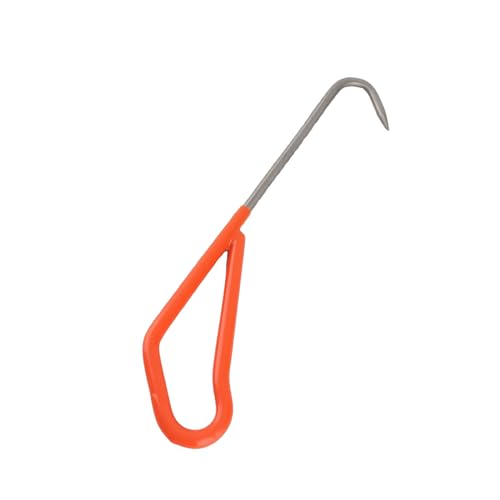
Bonsai Root Hook Tool, Soil Loosener and Root Stretcher for Potted Plant Care, 8.5 Inch Metal Gardening Tool for Bonsai Enthusiasts
Gentle Root & Soil Care: This bonsai root hook effectively loosens compacted soil and carefully separates plant roots…
As an affiliate, we earn on qualifying purchases.
As an affiliate, we earn on qualifying purchases.

Quarut Large Plastic 3 Pack16 inch Plant Pots,Whiskey Barrel Planters with Drainage Holes & Saucer.Flower Pots Imitation Wine Barrel Design for Indoor & Outdoor Garden Balcony Plants.7 Gallons(Brown)
【Retro Design】Engage a retro style to match home decors,rugged appearance and imitation wine barrel design of complements many…
As an affiliate, we earn on qualifying purchases.
As an affiliate, we earn on qualifying purchases.