Corking on stems and succulents mainly happens as part of natural aging, signaling that your plant is maturing and becoming more resilient. However, it can also develop due to environmental stress, such as extreme temperatures or water issues, or from pest damage that triggers a protective response. Proper care reduces unnecessary corking, but knowing what causes it helps you tell healthy growth from stress signs. If you want to understand more about these causes, keep exploring further.

Get the little things that make your day delivered free with Prime
- Fast, free delivery on millions of items
- Prime Video, Amazon Music and more included
- Member-only deals all year
Key Takeaways
- Corking naturally occurs as succulents mature, indicating age and increased resilience.
- Stress from dehydration or overwatering triggers protective corking as a response to water scarcity or excess.
- Pest infestations damage tissues, prompting plants to develop corking as a defense mechanism.
- Extreme temperature fluctuations and environmental stressors induce corking to protect plant tissues.
- Sudden or excessive corking may signal underlying issues like dehydration, pests, or environmental instability.
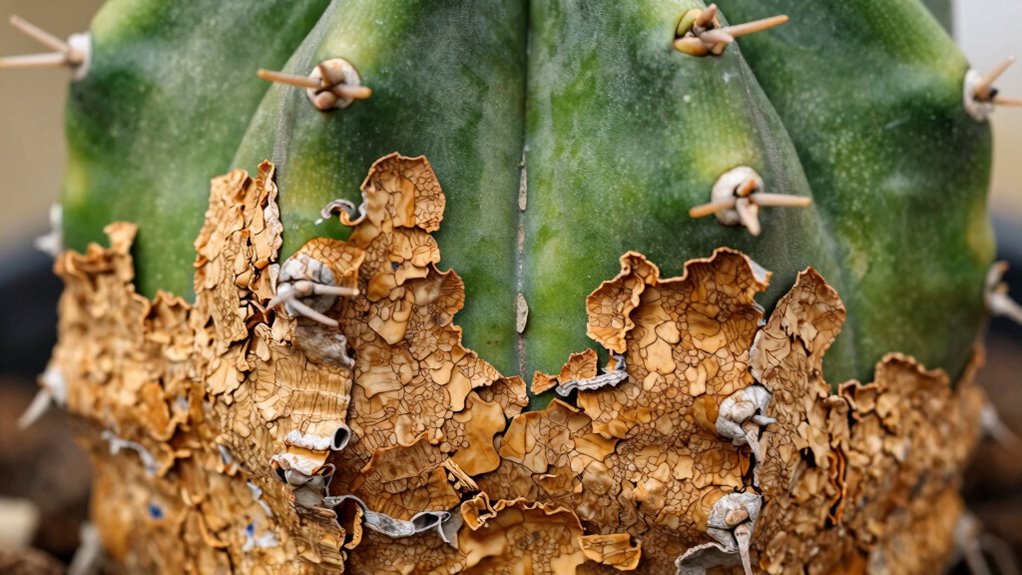
Have you ever noticed a rough, bark-like texture developing on the stems of your succulents or other plants? That’s often a sign of corking, a natural process where the plant’s stem develops a protective, woody layer. While corking can be a sign of maturity and adaptation, it can also sometimes signal underlying issues if it appears prematurely or excessively. Understanding what causes corking helps you manage your plants better and ensures they stay healthy.
One common reason for corking is age. As succulents and other plants mature, their stems naturally thicken and develop a tougher, corky exterior. This transformation helps protect the plant from environmental stressors and pests. In this case, corking isn’t harmful but a sign that your plant is growing and reaching a stage of resilience. However, if corking appears suddenly or in young plants, it might be a response to stressors like water stress or pest infestations. Water stress occurs when the plant isn’t receiving enough moisture, leading to dehydration. In response, the plant may attempt to conserve resources by thickening and corking its stems, which can sometimes look like a defensive adaptation. Overwatering can also cause issues, such as root rot, which stresses the plant and triggers corking as a stress response. Conversely, underwatering leads to dehydration, prompting similar protective changes in the plant’s tissue. Additionally, understanding the plant’s natural growth stages can help distinguish between healthy corking and stress responses. Proper watering practices are crucial to prevent these stress-induced changes, especially in susceptible plants. Maintaining optimal watering habits helps reduce the likelihood of water-related stress and the subsequent corking response.
Corking often signals maturity, but sudden or excessive corking may indicate water stress or pest issues.
Pest infestations can also play a significant role in triggering corking. Certain pests, like scale insects or mealybugs, can damage plant tissues, prompting the plant to respond defensively by forming a protective, corky layer around affected areas. This is a natural response to prevent further pest damage. If you notice pests on your plant, it’s critical to address the infestation promptly to prevent widespread damage that could lead to excessive corking or other health issues. Additionally, environmental factors such as extreme temperature fluctuations may contribute to stress-induced corking, emphasizing the importance of proper plant care practices. Maintaining a stable environment can greatly reduce stress-related responses and promote healthy growth. While corking is often a normal part of a plant’s growth, it’s essential to observe the context. If your succulent starts corking prematurely or excessively, check your watering schedule and inspect for pests. Proper watering—allowing soil to dry out between waterings—helps prevent water stress. Regularly inspecting your plants for pests and treating infestations early can reduce unnecessary stress and prevent excessive corking. Remember, corking can be a good sign of a mature, resilient plant, but understanding the causes helps you distinguish between healthy growth and stress-related changes. Taking appropriate measures to reduce environmental stresses can support healthier, more balanced development in your succulents.
As an affiliate, we earn on qualifying purchases.
Frequently Asked Questions
Can Corking Be Reversed or Repaired on Succulents?
Corking on succulents can’t be fully reversed or repaired, but you can promote succulent rejuvenation by removing damaged parts and providing ideal care. Focus on gentle pruning to improve overall health, and guarantee your plant gets adequate light, water, and nutrients. While corking is natural and signals maturity, maintaining healthy growing conditions helps your succulent look its best and can slow further corking development.
Is Corking a Sign of Plant Maturity or Aging?
Imagine your succulent’s stem developing a rough, corky texture over time—that’s a clear sign of plant aging. Corking often indicates maturity signs, showing your plant has reached a mature stage. In most cases, corking isn’t a sign of distress but a natural part of plant aging. It’s a visual cue that your succulent is healthy and growing older, not necessarily a problem to fix.
Do Specific Succulent Species Develop Corking More Than Others?
Yes, certain succulent species develop corking more than others due to genetic predisposition and species variation. You’ll notice that some succulents, like certain Agave or Aloe varieties, naturally form corking as they mature, while others rarely do. This variation occurs because of their genetic makeup, influencing how they respond to aging and environmental factors. So, if you see corking, it’s often a species-specific trait, not necessarily a sign of poor health.
How Does Environmental Stress Influence Corking Development?
Environmental stress triggers your succulents’ natural stress response, leading to corking on stems. Factors like intense sunlight, cold temperatures, or drought conditions push the plant to adapt by producing protective corky layers. This process helps prevent moisture loss and damage. So, when your succulents face harsh environmental triggers, corking develops as a resilience mechanism, showcasing their ability to survive tough conditions.
Are There Preventative Measures to Avoid Corking in Succulents?
To prevent corking in succulents, focus on proper succulent care and corking prevention strategies. Guarantee your plants get the right amount of sunlight, avoiding excessive direct sun that can stress them. Water them appropriately, allowing soil to dry between watering, and use well-draining soil. Avoid sudden temperature changes and over-fertilizing. Consistent, mindful succulent care helps minimize stress, reducing the likelihood of corking developing naturally as a part of aging or environmental adaptation.
plant pest control for succulents
As an affiliate, we earn on qualifying purchases.
As an affiliate, we earn on qualifying purchases.
Conclusion
Understanding corking helps you care for your succulents better. It’s a natural process that indicates maturity rather than harm, often occurring in 70% of aging plants. Recognizing this, you can avoid unnecessary worry and focus on proper care. Remember, corking adds character and signals your plant’s resilience. So, embrace these changes—they’re a sign your succulent’s living its best life, thriving and growing stronger with age.
As an affiliate, we earn on qualifying purchases.
As an affiliate, we earn on qualifying purchases.
Halloween Picks
halloween
As an affiliate, we earn on qualifying purchases.