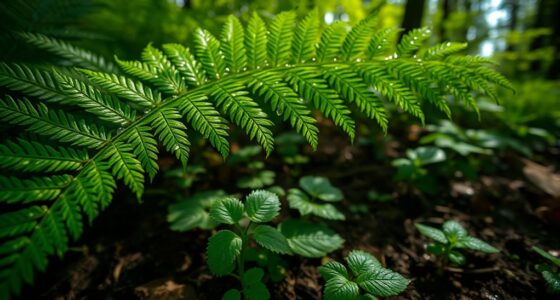
You’ll notice some leaves feel thick and leathery because they have a dense structure with tightly packed cells and a thick, waxy cuticle that helps reduce water loss. These leaves often have reinforced tissues like sclerenchyma, which make them tough and rigid. They also might feature surface adaptations like a shiny or rough texture to reflect sunlight and keep the plant cool. If you keep exploring, you’ll discover more about how these features help plants survive harsh conditions.
Key Takeaways
- Thick, leathery leaves have dense cell structures that provide durability and rigidity.
- A thick cuticle layer reduces water loss and reflects sunlight, contributing to a tough texture.
- High levels of sclerenchyma or collenchyma tissues reinforce leaf strength.
- Surface features like waxes or trichomes enhance protective and water-conserving properties.
- Adaptations for harsh environments cause leaves to develop a firm, resistant texture.

Some leaves feel thick and leathery because they have developed specialized features to survive harsh environments or deter herbivores. This characteristic, known as leaf texture, is a direct result of specific plant adaptations that help the plant conserve water, resist damage, or avoid being eaten. When you touch such leaves, you notice a firm, sometimes waxy surface that feels different from the softer, more delicate leaves of plants thriving in more humid environments. This texture isn’t accidental; it’s a carefully evolved trait that offers advantages in tough conditions.
The thick and leathery feel comes from a combination of structural features within the leaf. Many of these leaves have a dense composition, with tightly packed cells and a thick cuticle—an outer waxy layer—that minimizes water loss. The cuticle acts as a barrier, reflecting sunlight and reducing transpiration, which is essential in arid climates. You might also notice that these leaves tend to have a tough, sometimes rigid texture because of high levels of sclerenchyma or collenchyma tissues. These specialized supportive tissues reinforce the leaf, giving it that leathery, durable feel. Such plant adaptations are indispensable for survival in environments where water is scarce or where physical damage from wind, herbivores, or intense sunlight is common. Additionally, the structure of the leaf plays a crucial role in how effectively these adaptations function. Understanding the structural features of these leaves can help botanists and ecologists better comprehend plant resilience.
In addition to their physical toughness, these leaves often have a rough or sometimes glossy surface, which can help reflect excess sunlight and reduce heat absorption. This adaptation is especially useful in desert or Mediterranean climates, where high temperatures can quickly dehydrate a softer leaf. The presence of trichomes—tiny hair-like structures—on some leathery leaves can also provide a layer of protection, creating a microclimate that reduces water loss and shields against herbivores. These adaptations work together to make the leaf less appealing or less accessible to animals that might want to feed on them, effectively deterring herbivores. Additionally, leaf texture is a key factor that influences how plants adapt to their environment and survive under challenging conditions, as demonstrated by the variety of plant adaptations seen across different species. Furthermore, understanding these features can offer insights into how plants have evolved to thrive in diverse ecosystems.
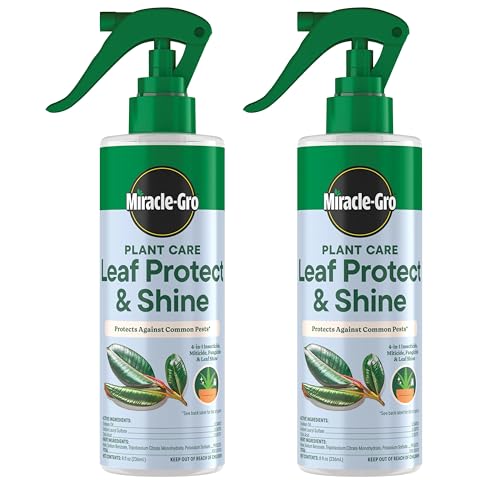
Miracle-Gro Plant Care Leaf Protect and Shine, 4-in-1 Insecticide, Miticide, Fungicide and Leaf Shine Spray for Indoor Plants, 8 fl. oz., 2-Pack
Multi-purpose plant spray: Miracle-Gro Plant Care Leaf Protect & Shine helps plants in four ways by protecting against…
As an affiliate, we earn on qualifying purchases.
As an affiliate, we earn on qualifying purchases.
Frequently Asked Questions
Do Thick Leaves Help Plants Conserve Water?
Yes, thick leaves help plants conserve water. Their leaf texture, being leathery and robust, reduces moisture loss through evaporation. These adaptations increase moisture retention, especially in dry environments. You’ll notice that plants with thick, leathery leaves are often drought-tolerant, as their leaf structure minimizes water loss and helps them survive tough conditions. This feature is a crucial strategy for conserving water and thriving in arid or challenging habitats.
How Do Thick Leaves Impact Photosynthesis Efficiency?
Thick leaves can reduce photosynthesis efficiency by limiting light penetration due to their dense structure. Their leaf structure often includes thicker cell walls and fewer stomata, which can restrict gas exchange. While these adaptations help conserve water and protect against harsh environments, they may decrease the rate of photosynthesis. You’ll find that plants with thick, leathery leaves balance water retention with photosynthetic activity, often thriving in dry, intense sunlight conditions.
Are Thick Leaves More Resistant to Pests?
Absolutely, thick leaves are like armored tanks against pests. Their tough surface acts as a natural barrier, making it harder for insects to pierce or chew through. With increased pest resistance, these leaves save the plant energy and resources, avoiding constant pest battles. So, if you’re seeking a plant that’s less likely to fall prey to bugs, go for those with a robust, leathery leaf surface—nature’s own pest-proof shield.
Can Thick Leaves Survive in Cold Climates?
Thick leaves can survive in cold climates because their texture offers excellent cold adaptation. Their leathery, dense structure helps retain moisture and insulate against freezing temperatures. You’ll notice plants in colder regions often have such tough, thick leaves, which protect essential tissues from cold damage. So, if you encounter plants with thick, leathery leaves, expect them to be well-equipped for cold environments, thanks to their specialized leaf texture.
What Is the Role of Leaf Thickness in Plant Survival?
You might be surprised to learn that thick leaves, like those of desert plants, can be up to 10 times more resistant to water loss. Leaf structure plays a vital role in plant survival, especially in harsh environments. The adaptive significance of thick, leathery leaves is that they reduce water loss and protect against damage from intense sunlight. This resilience helps plants thrive where other species might struggle to survive.

1G Silverado Sage Plant, Shrubs Live in Planters for Outdoor Plants Live, Live Plants Gardening Gifts, Live Plant Front Porch Decor, Sage Plants Edging for Landscaping, Garden Decor By Plants for Pets
COLD HARDY PERENNIAL PLANTS: Indulge in Silverado Texas sage bushes ready to plant upon arrival. Our winter plants…
As an affiliate, we earn on qualifying purchases.
As an affiliate, we earn on qualifying purchases.
Conclusion
So, next time you’re marveling at those tough, leathery leaves, remember—they’re not just trying to be difficult. It’s nature’s way of helping plants survive harsh conditions, shielding them from damage and dehydration. Ironically, their thick, leathery feel might make you think they’re fragile, but in reality, they’re built to endure. Sometimes, it’s the tough exterior that proves how resilient life can be—proof that strength often comes from the most unexpected places.

Mighty Mint Peppermint Oil Plant Protection Spray – Insect & Pest Control for Gnats, Spider Mites & Aphids – Plant-Based, Easy-to-Use with Microfiber Cloth- 32 oz
Plant-Based Pest Protection: Helps protect plants from common pests including gnats, spider mites, aphids, fungus issues, and other…
As an affiliate, we earn on qualifying purchases.
As an affiliate, we earn on qualifying purchases.

Live Succulents 'Turtle Vine' (4-inch), Succulent Plants Fully Rooted in Pots with Soil, Easy-Care House Plant for DIY, Home Office Decor, Wedding Party Favor
Distinctive Purple & Green Foliage: Turtle Vine features compact green leaves with purple tones underneath. In bright light,…
As an affiliate, we earn on qualifying purchases.
As an affiliate, we earn on qualifying purchases.