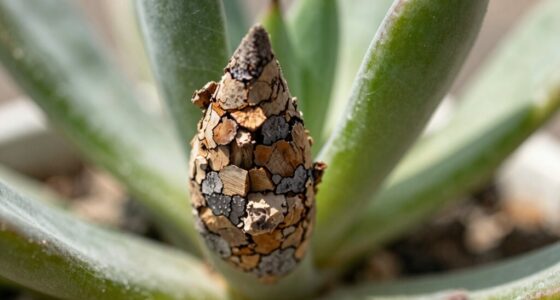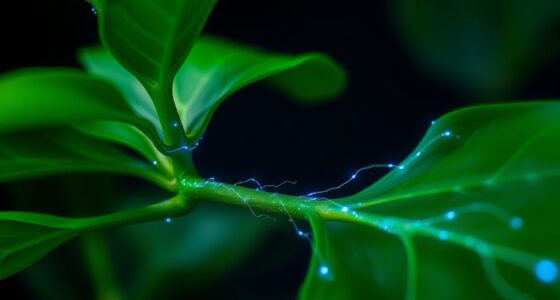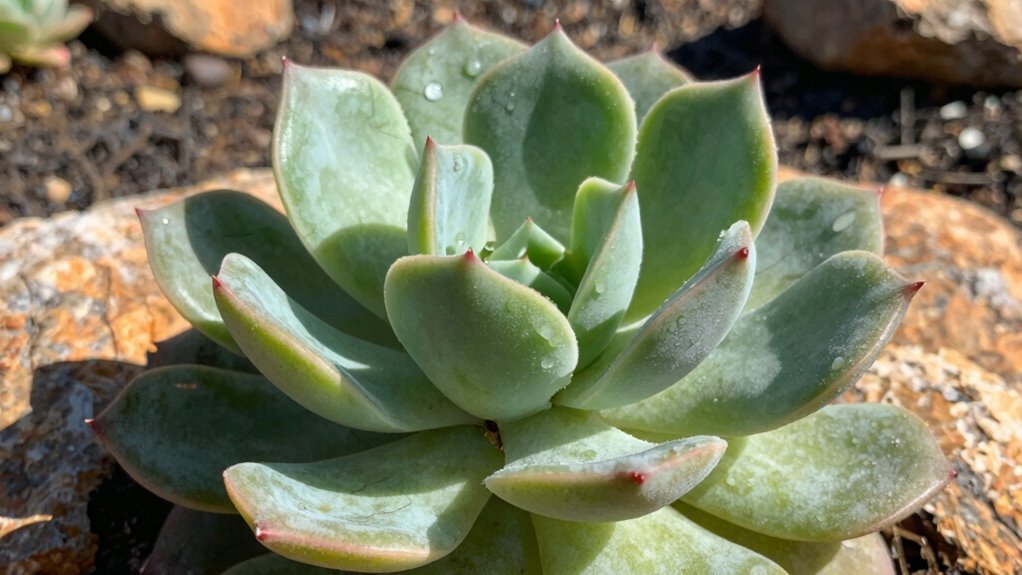

When sudden temperature swings occur, plants adapt by adjusting their photosynthesis, reducing activity to prevent damage from freezing or heat stress. They enter dormancy to conserve energy, produce antifreeze compounds, and modify cell structures for protection. Stomata close during heat, and chlorophyll levels change to optimize light use. These quick responses help plants survive harsh changes, and understanding these mechanisms lets you better care for them when weather shifts unexpectedly. Keep exploring to learn more about these fascinating processes.
Open a free Amazon Business account
Business pricing, bulk buying and tax-exempt orders.
As an affiliate, we earn on qualifying purchases.
Key Takeaways
- Plants adjust chlorophyll levels to optimize light absorption during temperature fluctuations.
- Dormancy slows metabolic processes, conserving energy until conditions improve.
- Production of antifreeze proteins and solutes prevents ice crystal formation inside cells.
- Stomatal regulation reduces water loss during heatwaves or cold stress.
- Cellular modifications maintain membrane integrity and enzyme function amid temperature changes.

Plants often face temperature swings that can challenge their growth and survival. When the weather suddenly shifts from warm to cold or vice versa, your plants need quick and effective ways to cope. One key survival strategy involves their ability to modify photosynthesis adaptation processes, allowing them to optimize energy production despite changing conditions. For instance, some plants reduce their photosynthetic activity during cold snaps to prevent damage from ice formation or enzyme malfunction. Others adjust their chlorophyll content to maximize light absorption when sunlight is limited or intense. These adjustments help maintain a balance between energy intake and environmental stress, ensuring the plant’s essential functions continue without overexerting itself.
Beyond photosynthesis adaptation, plants also employ dormancy mechanisms to weather abrupt temperature changes. When conditions become too harsh, many species enter a state of dormancy—a kind of metabolic pause that conserves energy and resources. You might notice deciduous trees shedding their leaves in fall, entering dormancy to survive winter cold. During this period, the plant slows down cellular activity, reduces water loss, and minimizes metabolic processes, effectively riding out the unfavorable season until conditions improve. This dormancy isn’t just a passive state; it’s a highly regulated process involving hormonal signals like abscisic acid, which helps plants prepare for and endure stress. When temperatures rise again, the plant gradually resumes growth and photosynthesis, emerging from dormancy ready to thrive.
Plants enter dormancy, slowing growth and conserving resources to survive harsh conditions until the environment improves.
Temperature swings also influence how plants regulate their water status and cell structure to prevent damage. In cold conditions, their cell membranes become more rigid, risking cracking or malfunction. To counter this, some plants produce antifreeze proteins or accumulate solutes like sugars and amino acids, which serve as natural antifreeze agents. These compounds lower the freezing point of water inside cells, preventing ice crystals from forming and damaging tissues. Conversely, during heatwaves, plants might close their stomata more tightly to reduce water loss, which can temporarily limit photosynthesis but protects the plant from dehydration.
In essence, your plants’ ability to adapt to temperature swings hinges on a suite of physiological and biochemical responses. From adjusting photosynthesis to entering dormancy and synthesizing protective compounds, they have evolved a complex toolkit for survival. Recognizing these mechanisms underscores how resilient plants are, even when faced with unpredictable weather. By understanding and supporting these natural adaptations—such as ensuring proper watering and avoiding disturbance during dormancy—you can help your plants endure and flourish despite the challenges posed by sudden temperature changes.
plant antifreeze protection products
As an affiliate, we earn on qualifying purchases.
As an affiliate, we earn on qualifying purchases.
Frequently Asked Questions
How Quickly Can Plants Recover From Temperature Shock?
Plants can recover from temperature shock within days to weeks, depending on their plant hardiness and the severity of the shock. If you help them by providing proper temperature acclimation, they adapt faster. You should monitor their recovery closely, ensuring they’re protected from further stress. Generally, hardy plants bounce back quicker, while less hardy ones may take longer. Patience and proper care are essential for a full recovery.
Do All Plants Respond the Same to Temperature Fluctuations?
Not all plants respond the same to temperature fluctuations. Your plant’s genetic makeup plays a key role, influencing its resilience and adaptation strategies. Some plants have root adaptations that help them survive sudden temperature changes, like deeper roots to access stable moisture or insulating root layers. Others may struggle more, showing signs of stress. Understanding your plant’s specific genetic traits and root adaptations can help you manage its exposure to temperature swings effectively.
Can Indoor Plants Handle Sudden Outdoor Temperature Drops?
Think of your indoor plants as delicate glass ornaments—they can handle some bumps but not a sudden drop. Outdoor temperature drops can shock them, especially if indoor humidity is off or light levels aren’t adjusted. To help, bring them inside quickly, increase humidity, and provide proper light. This way, you shield your plants from the cold, allowing them to adjust gradually and stay healthy despite the temperature surprise.
Are There Specific Signs Indicating Plant Stress From Temperature Swings?
You’ll notice signs of plant stress from temperature swings through leaf discoloration, wilting, and drooping. When temperatures fluctuate rapidly, leaves may turn yellow or brown, indicating damage. Wilting and drooping are common as plants struggle to maintain water balance. Keep an eye out for these symptoms, and if you see them, consider adjusting your plant’s environment or watering schedule to help it recover from the stress caused by sudden temperature changes.
How Do Seasonal Changes Affect Plant Adaptation to Temperature?
Your plants face a rollercoaster of seasonal changes, forcing them to adapt or perish. Seasonal shifts trigger genetic adaptations, helping plants develop mechanisms like dormancy to survive harsh conditions. During colder months, they enter a state of plant dormancy, conserving energy and protecting essential tissues. This natural adaptation guarantees they endure temperature fluctuations, allowing them to bloom again when conditions improve. Your plants’ survival hinges on their ability to adapt to seasonal changes.
As an affiliate, we earn on qualifying purchases.
Conclusion
As you watch your plants through changing temperatures, you might wonder what secrets they hold. Will they adapt in time, or will the sudden swings prove too much? Their resilience is remarkable, but the next cold snap could reveal just how far they can go. So, keep an eye out—your garden’s survival story isn’t over yet. The true test is still looming, and only time will tell if they’ll thrive or falter.
As an affiliate, we earn on qualifying purchases.
As an affiliate, we earn on qualifying purchases.
Fall Picks
fall essentials
As an affiliate, we earn on qualifying purchases.