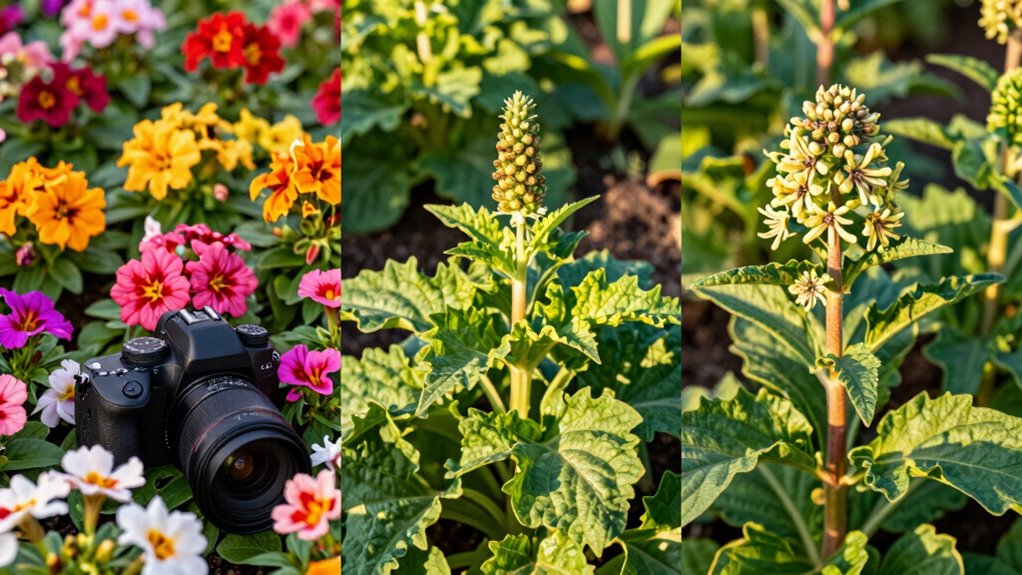

You can tell if a plant is annual, biennial, or perennial by how long it lives and reproduces. Annuals complete their life cycle in just one season, sprouting, flowering, and dying within a year. Biennials grow leaves first, then flower and seed in their second year. Perennials live for several years, regrowing each season from deep roots. Understanding these differences helps you choose the right plants for your garden—keep exploring to learn more about caring for each type.
Key Takeaways
- Annuals complete their entire life cycle—from seed to seed—in one growing season.
- Biennials grow foliage in the first year and flower in the second, completing their cycle over two years.
- Perennials live for multiple years, returning annually with established root systems.
- Their classification depends on their growth duration and reproductive cycle.
- Soil preparation and pest management differ based on whether a plant is annual, biennial, or perennial.
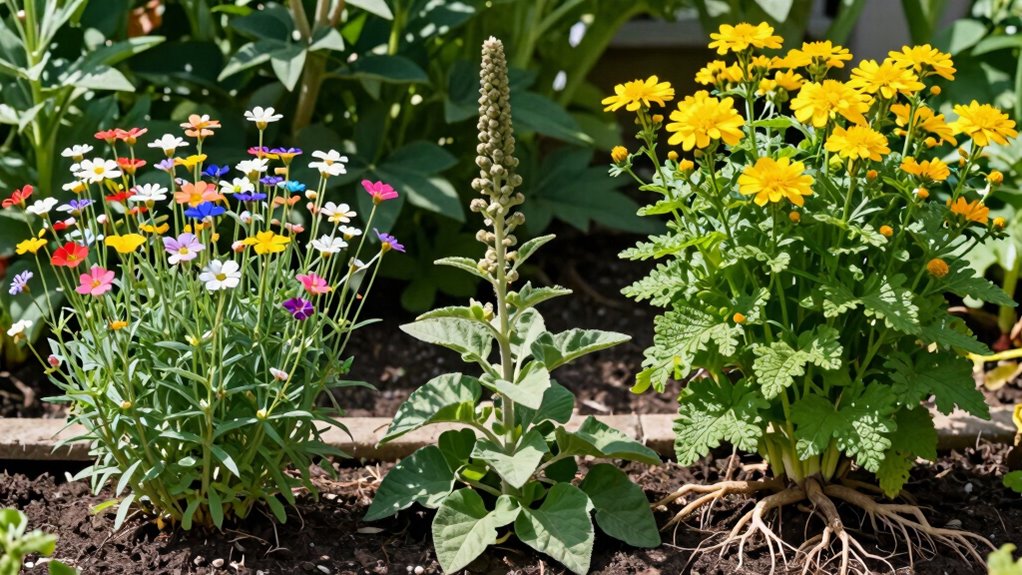
Have you ever wondered how different plants survive and grow over the seasons? It all comes down to their classification as annuals, biennials, or perennials, which determines how long they live and how they grow. Understanding these categories helps you decide what to plant and when, and it influences how you care for them. Each type has unique needs, especially when it comes to soil preparation and pest management, which are essential for healthy growth.
Understanding plant life cycles guides your planting choices and care routines for thriving gardens.
If you’re growing annuals, you’re working with plants that complete their life cycle within a single growing season. These plants sprout from seeds, grow, flower, produce seeds, and then die all in one year. To give annuals the best chance, you need to prepare the soil carefully. Loosen the soil and enrich it with compost or organic matter to guarantee they get the nutrients they need. Since annuals grow quickly, they’re especially vulnerable to pests and diseases, so pest management becomes a key part of your routine. Use natural repellents or introduce beneficial insects to keep harmful pests at bay, and regularly inspect your plants for signs of trouble.
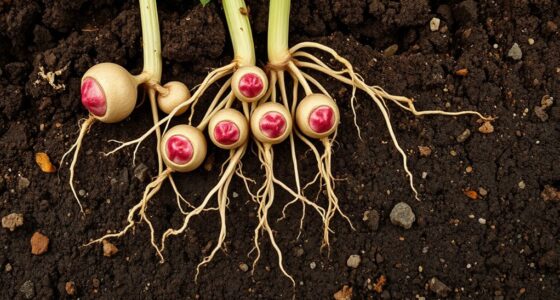
Biennials follow a two-year cycle. In their first year, they focus on developing a strong root system and leafy growth, often remaining dormant underground during winter. It’s important to prepare the soil well before planting biennials, ensuring it’s well-drained and rich in nutrients to support their initial growth. Pest management during this stage is vital, especially since pests can damage the developing foliage and roots. In the second year, these plants bloom, produce seeds, and then die. To support this process, you might need to protect them from pests that are attracted to their flowers or seeds, which can include insects or small animals. Additionally, understanding plant life cycles can help you plan your garden more effectively.
Perennials are the longest-living plants, returning year after year. They often have deep root systems that allow them to survive harsh weather and pest attacks. When preparing soil for perennials, focus on creating a stable, nutrient-rich environment that promotes healthy root growth over many seasons. Pest management for perennials involves regular monitoring because pests can cause ongoing damage, especially to the foliage or roots. Mulching around these plants helps conserve moisture, suppress weeds, and protect roots, making them more resilient over the years.

Sow Right Seeds – Annual Flower Seed Garden Collection for Planting – 5 Packets Includes Marigold, Zinnia, China Aster, Sunflower, and Cosmos – Grow in Pots or Outside, Raised Beds – Variety Pack
Beautiful – Full color seed packets of popular flowers including Crackerjack Marigold (Tagetes erecta), Envy Zinnia (Zinnia elegans),…
As an affiliate, we earn on qualifying purchases.
As an affiliate, we earn on qualifying purchases.
Frequently Asked Questions
Can a Plant Change Its Classification From Annual to Perennial?
A plant generally can’t change its classification from annual to perennial because its lifecycle is genetically determined. The classification criteria depend on how long it takes to complete its lifecycle—annuals grow, flower, and die within a year, while perennials live multiple years. However, environmental factors like climate can influence a plant’s behavior, making some behave more like perennials in favorable conditions, but their fundamental lifecycle remains unchanged.
How Do Climate Conditions Affect a Plant’s Classification?
Imagine climate conditions as the weather’s mood swings, shaping a plant’s destiny. You see, climate adaptation influences whether a plant sticks around for years or just a fleeting season. A longer growing season lets perennials dance through multiple years, while harsh winters might turn a perennial into an annual. So, the climate’s temper can turn a plant into a seasonal visitor or a loyal year-round resident.
Are There Plants That Are Both Biennial and Perennial?
Yes, you can find plants that are both biennial and perennial, depending on their growth habits and flower longevity. Some plants start as biennials, completing their lifecycle in two years, but can act as perennials if conditions allow, regrowing annually. These plants often adapt their growth habits based on climate, enabling them to survive and bloom across multiple seasons, showcasing their versatile flower longevity and survival strategies.
What Are Common Mistakes in Identifying Plant Life Cycles?
You might mistake a plant’s life cycle by ignoring its flowering habits and seed dispersal patterns. For example, some plants may bloom once and then die, seeming like annuals, but actually are biennials or perennials that regenerate through root systems or seed banks. Pay attention to how often they flower and how they spread seeds, as these clues reveal whether a plant is truly annual, biennial, or perennial.
How Long Does It Typically Take for a Perennial to Bloom?
Imagine a quiet garden springing to life—your perennial begins to bloom after its first full growing season, typically within 2 to 3 years. The flowering timeline varies depending on the species, but generally, you’ll see flowers once the plant’s growth duration matures. Patience is key; these plants dedicate years to establishing roots before revealing their colorful display, rewarding you with years of vibrant blooms.

Indoor Daisy Garden Starter Kit with Gardening Tools – Jute Bags, Markers, Soil Disks and Shears, Home Gardening Gifts for Women Men Plant Lovers
FLOWER GROWING KIT: Package comes with 5 jute bags, 5 plant markers, 5 soil disks, 1 mini shears,…
As an affiliate, we earn on qualifying purchases.
As an affiliate, we earn on qualifying purchases.
Conclusion
As you tend to your garden, you’ll notice that understanding these plant types isn’t just about classification—it’s about patience and timing. Like life’s seasons, each plant has its own rhythm, blossoming when the moment feels right. Sometimes, a plant’s journey surprises you, just as unexpected moments shape our own growth. Embrace these cycles, knowing that whether annual, biennial, or perennial, every plant teaches you the beauty of patience and the value of timing.

170+ Mix Hosta Seeds for Planting – Perennial Shade Garden Plant Seeds
Use: Hostas are primarily used for landscaping and are ideal for filling areas under trees, on the north…
As an affiliate, we earn on qualifying purchases.
As an affiliate, we earn on qualifying purchases.
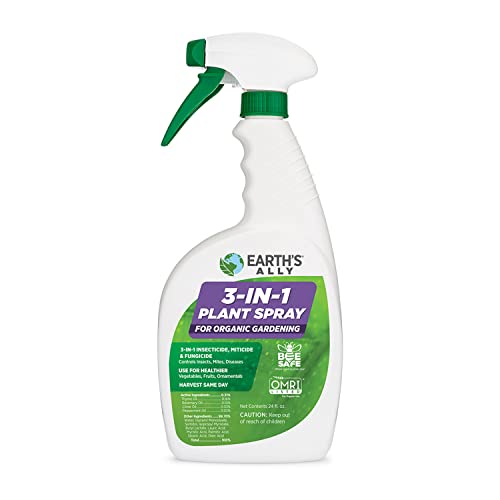
Earth's Ally 3-in-1 Plant Spray for Pests and Disease – Organic Insecticide, Fungicide and Spider Mite Control – OMRI Listed Indoor Outdoor Garden Spray – Safe for Pollinators, Kids and Pets – 24 oz
READY-TO-USE NATURAL SOLUTION – Earth's Ally 3 in 1 Plant Spray is a multi-purpose pest and fungus spray…
As an affiliate, we earn on qualifying purchases.
As an affiliate, we earn on qualifying purchases.