
To keep indoor plants healthy near heating vents, you should move them away from direct airflow or create barriers like screens to disperse the hot air. Increase humidity with trays of water and pebbles, mist plants regularly, or use a humidifier to prevent drying out. Make sure good air circulation and inspect for pests often, as dry, hot environments can weaken plants and invite pests. If you’re interested, you’ll find tips to maintain a stable environment for thriving plants.

Get the little things that make your day delivered free — and shop member deals
- Fast, free delivery on millions of items
- Access to Prime Big Deal Days deals on October 6–7
- Prime Video, Amazon Music and more included
Key Takeaways
- Move plants away from direct airflow or create barriers to disperse hot air.
- Maintain higher humidity levels with trays, misting, or humidifiers to prevent drying out.
- Regularly inspect plants for pests and ensure good air circulation to reduce stress.
- Use natural remedies like neem oil to protect plants from pests caused by dry conditions.
- Monitor indoor conditions and adjust plant placement or humidity to create a stable environment.
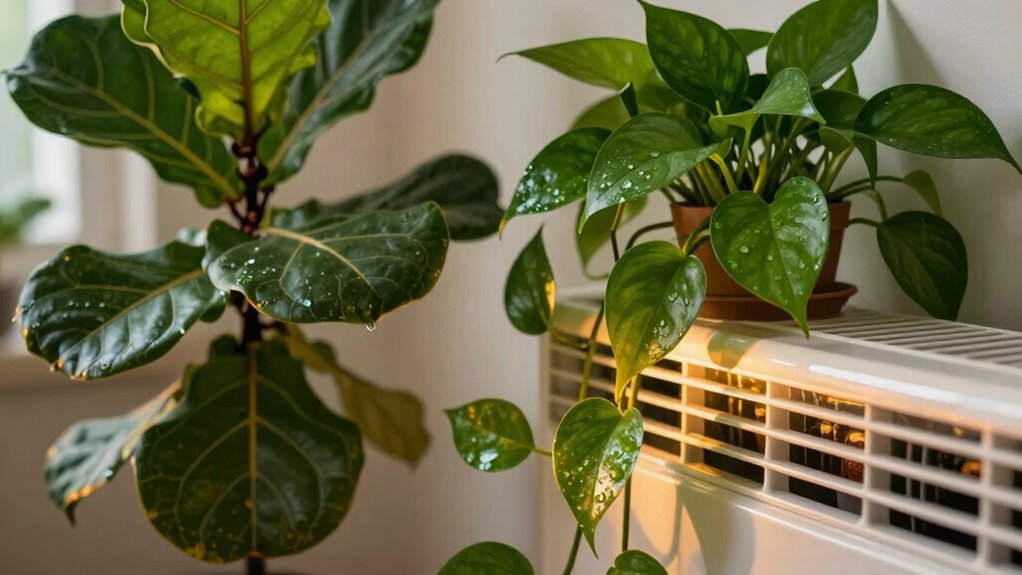
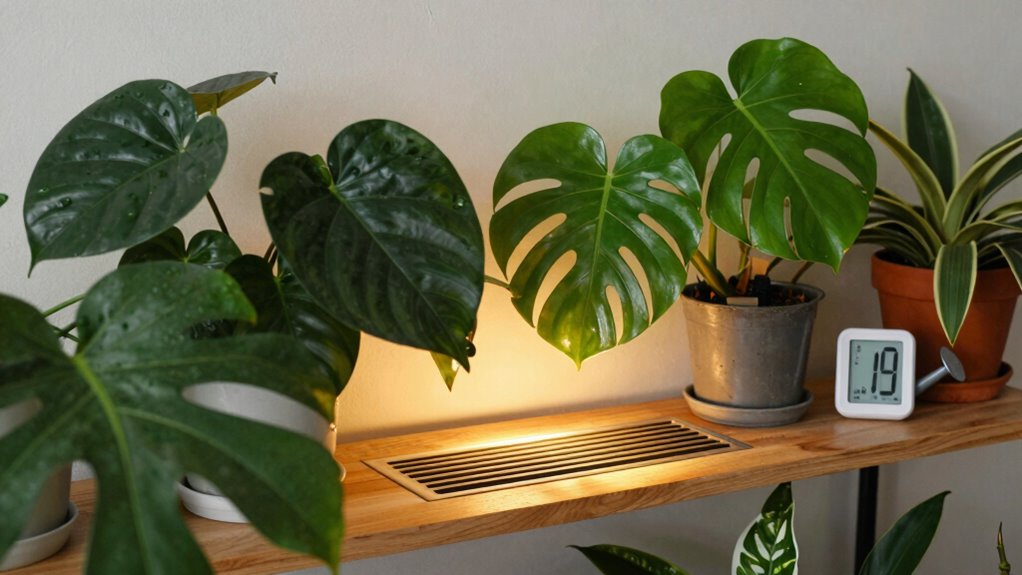
Have you ever wondered if placing indoor plants near heating vents is a good idea? It’s a common question, especially when you want to keep your plants thriving while also staying warm during colder months. The truth is, heating vents can create a challenging environment for plants if you’re not careful. The key is understanding how to manage humidity levels and prevent pests, both of which can be affected by the heat source. When vents blow hot air directly onto your plants, they can dry out quickly, leading to wilting or browning leaves. To counter this, you should consider moving your plants slightly away from the vents or creating a barrier, like a decorative screen or plant stand, that disperses the airflow. This subtle adjustment helps maintain a more stable humidity level around your plants, preventing them from getting too dry. Additionally, consistent monitoring of environmental conditions can help you quickly address any issues that arise.
Maintaining proper humidity levels is crucial because many indoor plants, especially tropical ones, thrive in environments with higher humidity. Heating vents tend to lower humidity, which can stress your plants and make them more susceptible to pests and diseases. To keep humidity levels in check, you can use a humidity tray filled with water and pebbles placed underneath your plants, or regularly mist the foliage with water. If you own a few plants that are particularly sensitive, investing in a small humidifier nearby can be a game-changer. This not only helps your plants stay hydrated but also creates a more comfortable environment overall. Proper humidity is key to thriving plants near heat sources, and understanding how to maintain it can make a big difference. Monitoring ambient conditions and adjusting as needed helps create an optimal environment, especially when using humidifiers.
Pest prevention is another important aspect when placing plants near heating vents. Hot, dry conditions can weaken plant defenses, making them more vulnerable to pests like spider mites or aphids. Regularly inspecting your plants for signs of pests, such as sticky residue or tiny webs, can catch problems early. Ensuring good air circulation around your plants also helps prevent pest infestations by reducing stagnant, humid spots where pests thrive. Additionally, keeping the area clean and removing fallen leaves or debris minimizes hiding spots for pests. If you notice pests, act quickly with natural remedies like neem oil or insecticidal soap to prevent infestations from spreading. Being aware of environmental stressors like heat and dry conditions can also help you better protect your plants. Properly managing these factors reduces the likelihood of pest issues developing over time.
indoor plant humidity tray with pebbles
As an affiliate, we earn on qualifying purchases.
As an affiliate, we earn on qualifying purchases.
Frequently Asked Questions
Can Heating Vents Cause Pests to Infest Indoor Plants?
Heating vents themselves don’t directly cause pests to infest indoor plants, but poor ventilation issues can create a humid environment that attracts pests like fungus gnats or aphids. To prevent pests, you should regularly check your plants for signs of infestation and guarantee proper ventilation to reduce excess humidity. Good pest prevention practices, like isolating new plants and keeping leaves clean, will also help keep pests away from your indoor garden.
What Are the Best Plants to Place Near Heating Vents?
You should place hardy, heat-tolerant plants near heating vents, such as succulents, cacti, or snake plants. For plant placement, keep them slightly away from direct blast zones to prevent heat stress. Use ventilation techniques like adjusting vents or adding barriers to control airflow and temperature. This helps your plants thrive while avoiding damage from heat fluctuations, ensuring they stay healthy and vibrant near heating sources.
How Often Should I Water Plants Near Heating Vents?
You should water your plants near heating vents when their soil moisture drops to a level that feels dry to the touch, usually every 5 to 7 days. Think of soil moisture as a reservoir that slowly drains, so stay attentive to its level. Adjust watering frequency based on the plant’s needs, the humidity, and airflow from the vent, ensuring they stay hydrated without drowning.
Do Different Types of Heating Vents Affect Plant Health Differently?
Yes, different types of heating vents can affect your plant health differently. Some vents promote better air circulation, which helps prevent mold and pests, while others may disrupt humidity regulation, causing your plants to dry out or become too damp. You should monitor how each vent impacts your plants and adjust their placement accordingly. Ensuring consistent humidity and good air flow helps your indoor plants thrive regardless of the vent type.
Can Adjusting Vent Temperature Improve Plant Growth?
Yes, adjusting vent temperature can dramatically boost your plant growth—think of it as turning a tiny switch that releases a wave of lush greenery! When you fine-tune the temperature, you improve air circulation, preventing hot spots that stress plants. Plus, it helps with humidity control, keeping the air just right for your plants’ roots to thrive. Don’t underestimate small tweaks; they can transform your indoor jungle into a botanical paradise!
small ultrasonic humidifier for plants
As an affiliate, we earn on qualifying purchases.
As an affiliate, we earn on qualifying purchases.
Conclusion
Just like a lighthouse guides ships safely to shore, keeping your indoor plants healthy near heating vents requires attention and care. By adjusting their placement, maintaining proper humidity, and monitoring the heat, you create a sanctuary where your plants can thrive despite the warm gusts. Think of your plants as delicate sailors, relying on your steady hand and mindful approach to navigate the cozy yet challenging environment. With this care, your indoor garden will flourish all year round.
plant barrier screens for indoor plants
As an affiliate, we earn on qualifying purchases.
As an affiliate, we earn on qualifying purchases.
pest inspection tools for houseplants
As an affiliate, we earn on qualifying purchases.
As an affiliate, we earn on qualifying purchases.
Halloween Picks
halloween
As an affiliate, we earn on qualifying purchases.