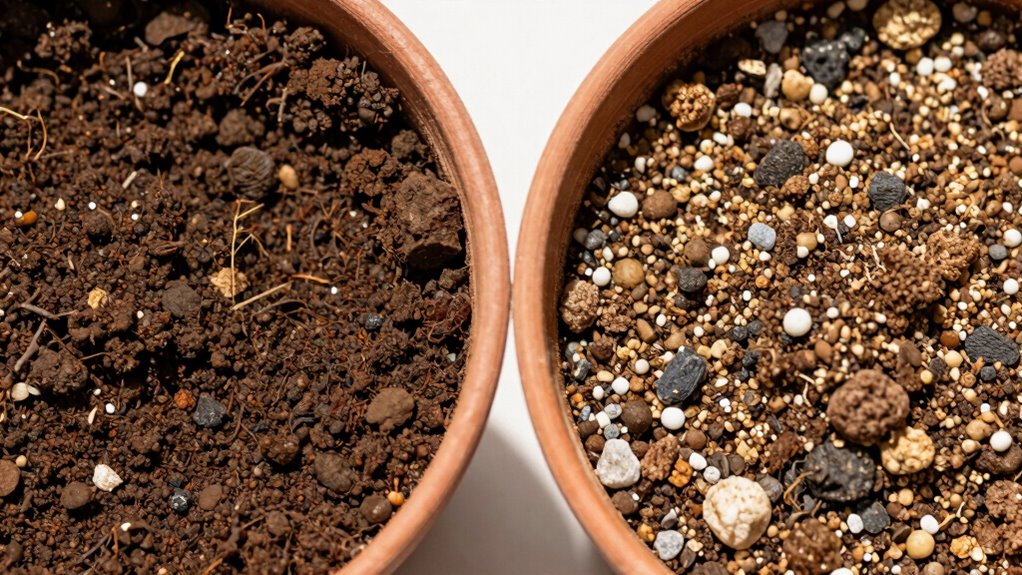
Adding drainage additives to your potting mix improves water flow and prevents waterlogging, which helps your plants’ roots stay healthy. These additives create tiny air pockets that promote better aeration and faster drainage, reducing the risk of root rot. They also support nutrient retention by preventing leaching, ensuring your plants get the essential minerals they need. To discover how different additives can optimize your soil’s performance, keep exploring this topic further.
Listen free for 30 days with Audible
Thousands of audiobooks and originals — cancel anytime.
As an affiliate, we earn on qualifying purchases.
Key Takeaways
- Drainage additives create air pockets that enhance water escape, preventing waterlogging in potting mixes.
- They reduce soil compaction, maintaining loose structure for better root growth and aeration.
- Additives like perlite or pumice decrease water retention, promoting faster drainage and preventing root rot.
- They improve nutrient retention by minimizing leaching, making essential minerals more available to plants.
- Integration with water management practices creates a balanced environment for healthier, resilient plants.
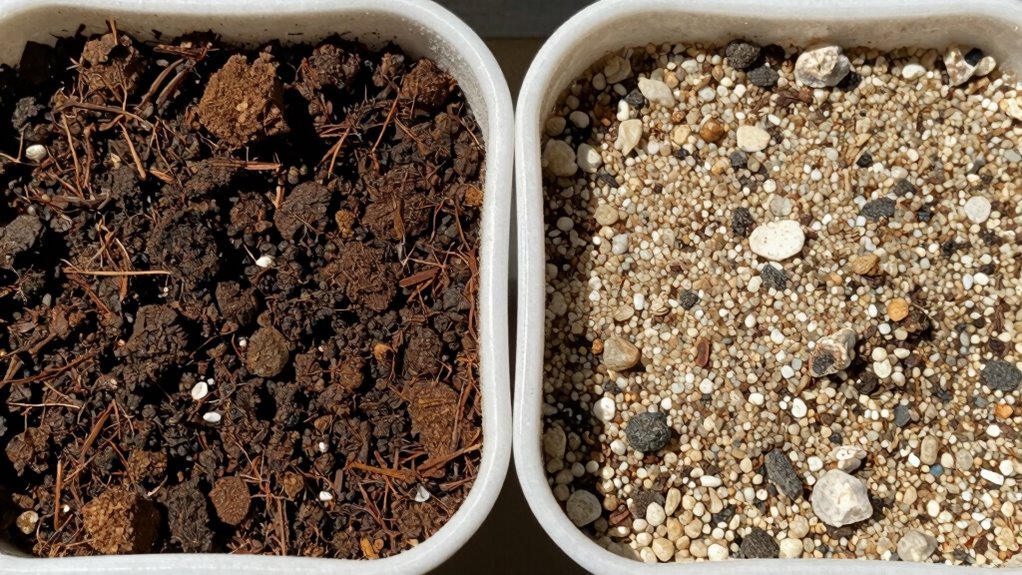
Good drainage is essential for healthy plant growth, especially in container gardening where excess water can quickly lead to root rot and other problems. When you add drainage additives to your potting mix, you’re actively improving how well the soil manages water. These additives create tiny air pockets that help excess moisture escape, preventing waterlogging. As a result, your plants won’t sit in soggy soil, which is critical because waterlogged roots can’t access oxygen properly, leading to decay and poor growth.
One of the key benefits of drainage additives is their influence on water retention. While it might seem counterintuitive, adding materials like pumice, perlite, or coarse sand actually reduces the amount of water the soil holds. Instead of trapping water around the roots, these additives allow for faster drainage, which means less risk of overwatering. This balance is essential because it ensures your plants receive enough moisture without becoming waterlogged. Proper drainage helps maintain consistent moisture levels, so your plants don’t suffer from drought stress or root rot caused by standing water.
Drainage additives also greatly impact nutrient absorption. When excess water drains away efficiently, nutrients aren’t washed out of the soil as quickly. In poorly draining soil, nutrients tend to leach away before plants can absorb them, leading to deficiencies. By improving drainage, these additives help retain nutrients within reach of the roots, making fertilization more effective. Your plants can absorb vital minerals and elements more easily, promoting healthier growth and stronger development.
Another advantage is that drainage additives help maintain soil structure. Over time, regular watering and fertilization can cause soil to compact, which reduces pore space and hampers water movement. Additives like bark or expanded clay help keep the soil loose, ensuring consistent water flow and oxygen exchange. This improved structure supports a more balanced environment where roots can grow freely, and water and nutrients reach where they need to go. Additionally, using water management techniques in conjunction with drainage additives enhances overall soil health and sustainability. Proper aeration is also crucial for preventing issues like soil compaction, which can hinder plant growth. Incorporating soil aeration practices can further improve the soil environment, ensuring optimal conditions for healthy plant development. Implementing these combined strategies creates a more resilient and healthy growing environment for your plants.
As an affiliate, we earn on qualifying purchases.
Frequently Asked Questions
Do Drainage Additives Affect Nutrient Availability in Potting Mixes?
Drainage additives can impact nutrient availability in your potting mix by increasing nutrient leaching, which washes away essential nutrients before plants can absorb them. However, they also influence additive interactions, potentially affecting how nutrients bind with the soil particles. To prevent nutrient loss, consider balancing drainage with proper fertilization, ensuring your plants get the nutrients they need without excessive leaching caused by these additives.
Are Drainage Additives Suitable for All Types of Container Plants?
Drainage additives aren’t suitable for all container plants, especially those needing high water retention. They work best with plants that prefer well-draining soil, reducing waterlogging risks. Consider organic compatibility; some additives may not blend well with organic materials or sensitive plants. You should evaluate your plant’s specific needs, balancing drainage and moisture retention, to determine if additives will support healthy growth without compromising water availability or organic compatibility.
How Do Drainage Additives Impact Soil pH Levels?
Many believe drainage additives considerably alter soil pH, but that’s not entirely true. They generally don’t change pH directly; instead, they support pH stability by improving soil aeration and drainage. This enhances soil buffering capacity, helping plants resist pH fluctuations. So, while drainage additives don’t drastically shift soil pH, they promote a healthier environment where pH remains more stable, benefiting plant growth in container gardening.
Can Drainage Additives Be Reused or Recycled?
You can often reuse drainage additives, but their longevity varies depending on the type and conditions. Recycling methods like washing or drying help extend their life, making them more sustainable. Keep in mind, additives may lose effectiveness over time, so regularly checking their performance is essential. Proper maintenance and recycling can save you money while maintaining peak drainage, ensuring your potting mix remains healthy and well-drained.
What Are the Environmental Impacts of Drainage Additives?
Ever wondered about the environmental impact of drainage additives? They can pose risks like environmental toxicity and water contamination if not used properly. Many additives contain chemicals that seep into soil and water sources, harming aquatic life and ecosystems. It’s essential to select eco-friendly options and handle them responsibly. Are you doing your part to minimize environmental harm when improving your plant’s drainage? Conscious choices can make a big difference.
As an affiliate, we earn on qualifying purchases.
Conclusion
By adding drainage additives, you can transform your potting mix into a well-draining, airy environment—much like a sponge that wicks away excess water effortlessly. This not only prevents root rot but also promotes healthy plant growth. Think of it as giving your plants the perfect bed to thrive in. So, next time you’re preparing your mix, remember: a little drainage aid can make a world of difference, ensuring your plants stay happy and healthy.
expanded clay aggregate for plants
As an affiliate, we earn on qualifying purchases.
As an affiliate, we earn on qualifying purchases.
As an affiliate, we earn on qualifying purchases.
Flea & tick season Picks
flea and tick prevention
As an affiliate, we earn on qualifying purchases.