TL;DR
Houseplants may drop leaves in November as shorter days reduce available light and indoor temperatures fluctuate with drafts and heating. Moving plants to brighter, steadier conditions, checking their individual temperature needs and avoiding overwatering may help; pests and other care problems can also cause leaf loss.
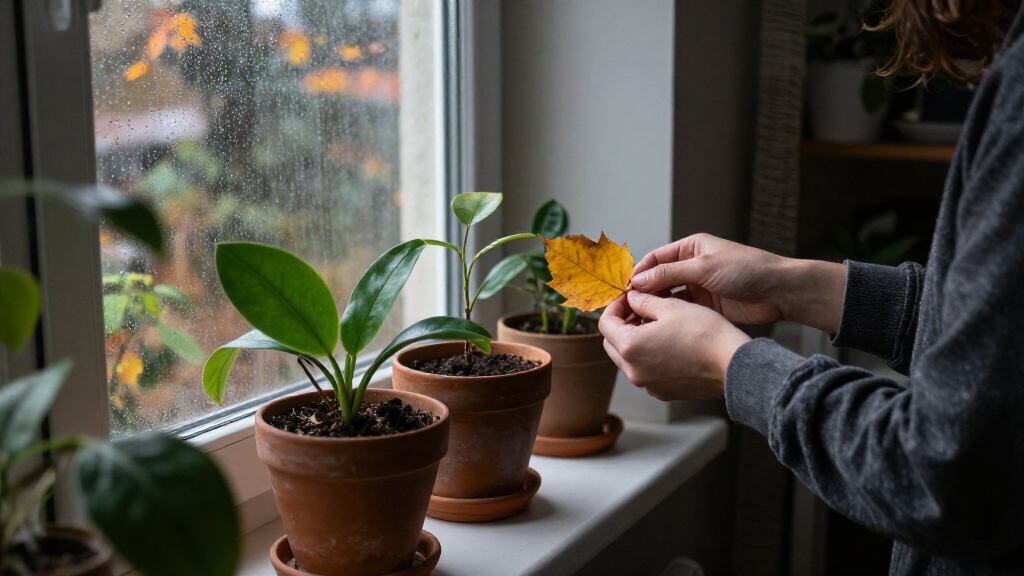
Shorter daylight hours and changing indoor temperatures can leave houseplants vulnerable to leaf drop in November, according to seasonal guidance from Homes & Gardens. The report recommends checking light, drafts and heat exposure before changing care, since leaf loss can also have other causes, including pests and common growing mistakes.

Get the little things that make your day delivered free with Prime
- Fast, free delivery on millions of items
- Prime Video, Amazon Music and more included
- Member-only deals all year
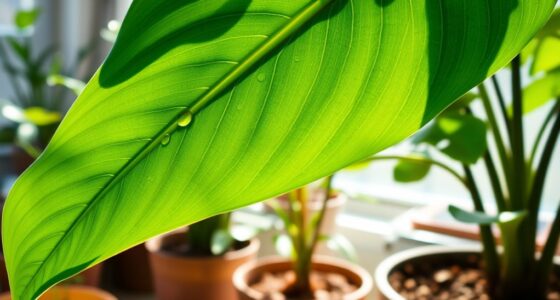
As days shorten, many homes provide less natural light for indoor plants. The report says some houseplants need at least eight hours of bright light, though requirements vary and some species tolerate lower-light conditions. With less light, plants may have less energy for photosynthesis and maintaining foliage, and growth can slow.
Temperature swings can add stress. Cold drafts and heat from indoor heaters may disturb tropical plants that do better in consistent warmth. The report links these conditions with discoloration, drooping and eventual leaf drop, while also noting that pests and other care errors can produce similar symptoms. Leaf loss alone does not identify the cause.
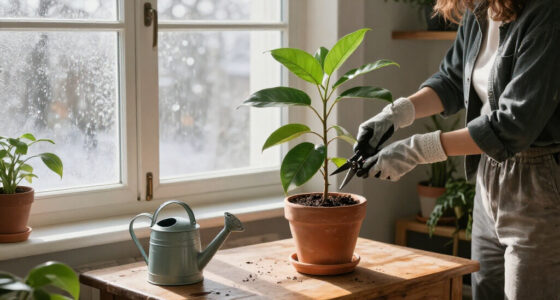
Suggested steps include moving plants closer to a bright window or using a grow light when daylight is insufficient, while turning plants periodically to distribute light exposure. Dusting leaves and cleaning windows may also help make the most of available daylight. For temperature, check the needs of each plant; the report gives 65–75°F as a general range, not a universal requirement. Keep plants away from heaters and cold drafts, and avoid overwatering. Remove dead leaves if needed, but do not prune more than a third of the plant, the guidance advises.
Why leaves drop in November and how to help
Shorter days and changing indoor temperatures can stress houseplants. Check their conditions and individual needs before changing care.
What can stress plants
Leaf drop has several possible causes, so assess the plant and its location before acting.
Shorter days
Less daylight can slow growth and make it harder to maintain foliage.
Drafts and heaters
Cold drafts and direct heat can disturb plants that need steady warmth.
Check beyond the season
Pests, overwatering and other care mistakes can also cause leaf loss.
Make gradual adjustments
Match changes to the plant’s specific light and temperature needs.
Look for low light, cold windows, drafts and nearby heaters.
Try a brighter window or suitable grow light; clean windows and dusty leaves.
Avoid overwatering, inspect for pests and reassess care if leaves keep falling.
Keep pruning modest
Remove dead leaves if needed, while limiting additional stress.
- Follow the plant’s own care requirements.
- Do not prune more than one-third of the plant.
- Watch for continued or worsening leaf loss.
Keeping Plants Stable Through Winter
Leaf drop can be an early sign that an indoor plant is struggling with its environment. Addressing the likely stressors—especially low light and temperature fluctuations—may help protect remaining foliage as winter approaches. The advice also cautions against treating every case the same: a plant’s species and its particular growing conditions matter.
Small adjustments, such as relocating a plant away from a draft or heater, can make its surroundings more consistent. Better light access may help, too, but adding a grow light is not a substitute for identifying other problems. If leaves continue to fall after conditions improve, growers may need to check for pests or review watering and other care practices.
Products Worth Considering

Blackstone 2350 On-the-Go 22-Inch Omnivore Griddle with Hood

Weber Lumin Portable Electric Grill, Black

Husqvarna ST 124 212cc Two-Stage Snow Blower, 24-Inch
As an affiliate, we earn on qualifying purchases.
Why November Changes Indoor Conditions
Seasonal changes affect plants even when they remain indoors. Shorter days mean less daylight reaches rooms, while heating systems and cooler outdoor conditions can create new temperature differences around windows, doors and radiators. Plants near those spots may face drafts or direct heat that differs from the conditions elsewhere in a home.
The Homes & Gardens report describes this combination as a common fall challenge, not the sole explanation for leaf loss. It recommends assessing a plant’s location and care before acting, and researching the particular needs of the plant rather than assuming every houseplant needs identical light or warmth.
““65-75°F is generally the sweet spot.””
— Homes & Gardens report
The Cause May Not Be Light
The available guidance does not identify a single cause for any particular plant’s leaf drop. Pests, watering problems and other care mistakes may also be involved, and the report does not provide species-by-species light or temperature recommendations. Its 65–75°F range is a general reference, not a diagnosis or guarantee that a plant will recover.
It is also unclear how quickly a plant might respond to changes or whether leaf loss will stop after its conditions are adjusted. Continued or worsening symptoms may require closer inspection of the plant and its care routine.
Check Conditions and Monitor Leaves
Start by checking how much light the plant receives and whether it sits near a draft, cold window or heater. Make gradual adjustments, follow the plant’s specific care needs and monitor its leaves for further changes. Keep watering in check, since the seasonal guidance warns against overwatering, and inspect foliage regularly for pests.
Where daylight remains limited, consider a suitable grow light; cleaning windows and dusty leaves may also improve access to available light. If leaf drop continues despite more stable conditions, reassess possible pests and other care issues rather than assuming the season is the only cause.
Source: rss
Key Questions
Why might houseplants drop leaves in November?
Shorter days and cooler or fluctuating indoor temperatures can stress some plants and contribute to leaf loss. Pests and other care problems are also possible causes.
Should I move a plant closer to a window?
Moving it closer to a bright window may help if it is not getting enough daylight. Check the plant’s light needs, and avoid placing it where cold drafts or temperature swings could cause additional stress.
What temperature should I keep houseplants at?
The report gives 65–75°F as a general range, but says needs vary by plant. Check the requirements of the specific species and keep it away from heaters and drafts.
Should I prune leaves that are falling?
Dead leaves can be removed, but the guidance advises against pruning more than one-third of the plant, as heavy pruning could add stress.
What if the leaves keep falling after I make changes?
Check for pests and review watering and other care conditions. Leaf drop has several possible causes, so improved light or temperature alone may not resolve every case.
Source: homesandgardens.com