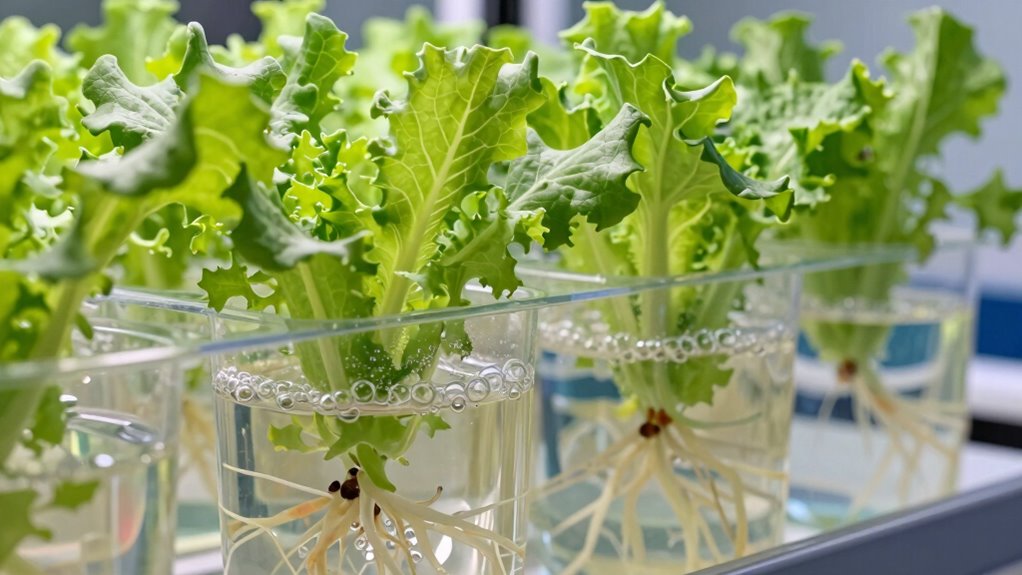

pH drift in your hydroponic system happens mainly because of uneven nutrient absorption, water quality issues, temperature changes, and biological activity. When plants take up nutrients like nitrate or ammonium, the pH can rise or fall. Poor water quality or contaminants can cause unpredictable shifts, while warmer temperatures speed up chemical reactions and microbial growth that produce acids, lowering pH. Managing these factors helps keep your system stable, and you’ll discover more ways to control pH fluctuations as you go along.

Get the little things that make your day delivered free — and shop member deals
- Fast, free delivery on millions of items
- Access to Prime Big Deal Days deals on October 6–7
- Prime Video, Amazon Music and more included
Key Takeaways
- Uneven nutrient uptake by plants alters water pH over time.
- Water quality, including mineral content and contaminants, impacts pH stability.
- Nutrient interactions and byproducts, like organic acids, cause pH fluctuations.
- Higher temperatures and microbial activity accelerate pH changes.
- Regular monitoring and adjustments are essential to prevent pH drift.
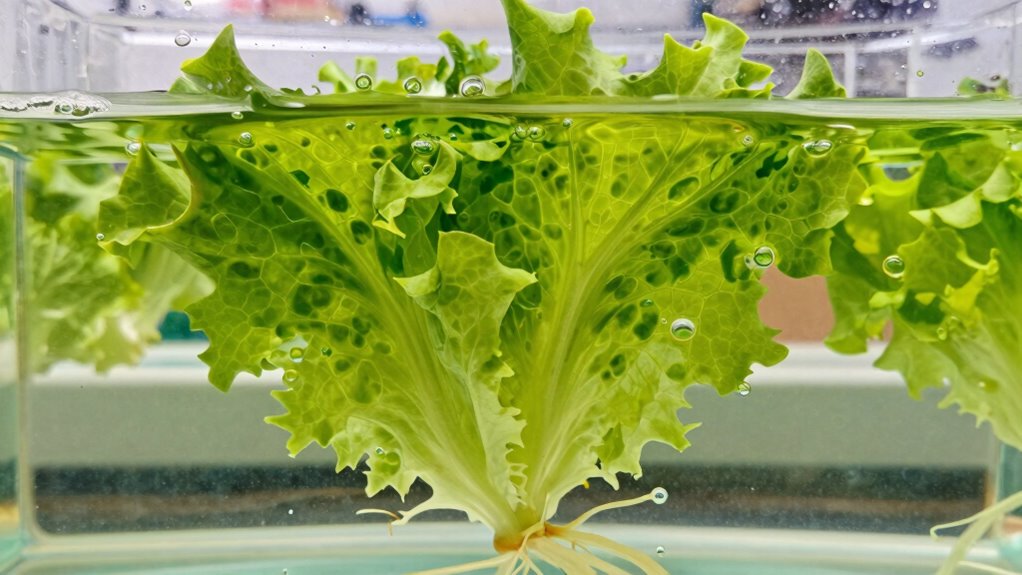
Have you ever noticed your hydroponic system’s pH changing unpredictably over time? If you have, you’re not alone. pH drift is a common challenge in hydroponics, and understanding what causes it can help you maintain a stable environment for your plants. One of the main culprits behind pH fluctuations is nutrient imbalance. As plants absorb nutrients from the water, they tend to take up certain ions more than others. For example, when plants absorb more ammonium or nitrate, it can cause the pH to rise or fall, depending on which ions are being taken up. Over time, these shifts in nutrient uptake can lead to significant pH changes if you don’t monitor and adjust regularly. Nutrient imbalance isn’t just about the nutrients your plants need; it’s also about how those nutrients interact with each other and with the water. If your nutrient solution isn’t well-balanced initially, or if it becomes imbalanced as plants grow, you’ll notice the pH drifting away from your target range. Additionally, nutrient interactions can exacerbate pH instability by producing byproducts that alter water chemistry. These byproducts can include organic acids or other compounds that influence the pH levels. Proper nutrient management, including maintaining a balanced nutrient solution, is essential for preventing these fluctuations. Water quality plays an essential role in pH stability as well. Tap water, for instance, can have a high or variable pH, depending on local mineral content and treatment processes. Hard water contains minerals like calcium and magnesium, which can buffer changes in pH but may also cause unpredictable shifts when combined with nutrients. Conversely, soft water or water with high levels of dissolved organic material can lead to rapid pH swings. The presence of contaminants, such as heavy metals or organic compounds, can further destabilize the pH. When you start with poor water quality, maintaining a stable pH becomes more challenging because these impurities can react with nutrients or the pH buffering agents in your system, causing unexpected changes. Water chemistry is a key factor in overall pH stability, especially when dealing with varying source water qualities. Temperature also influences pH drift indirectly through its impact on water chemistry. Higher temperatures accelerate chemical reactions, which can cause the pH to shift more quickly. For instance, warmer water can increase microbial activity, leading to the production of organic acids that lower pH. Conversely, cooler water might slow these processes but can still be affected by the initial water quality and nutrient levels. Additionally, biological activity can contribute to pH variation through the production of organic acids and other compounds, making it essential to manage biological processes effectively. Ultimately, pH drift results from a complex interplay between nutrient uptake, water quality, temperature, and biological activity. By keeping an eye on these factors, regularly testing your water, and making adjustments as needed, you can minimize pH fluctuations and keep your hydroponic system stable and productive.
As an affiliate, we earn on qualifying purchases.
Frequently Asked Questions
How Often Should I Check pH Levels in My Hydroponic System?
You should check your pH levels at least once a day in your hydroponic system. Regular testing helps you catch pH drift early, allowing for timely pH adjustment to maintain proper nutrient balance. Consistent monitoring guarantees your plants receive the right nutrients and prevents issues caused by imbalanced pH. Make it a daily habit, especially during early growth stages, to keep your system stable and your plants healthy.
Can Specific Plant Types Influence pH Drift Rates?
Imagine a ship sailing through unpredictable waters—that’s what plant types do to your pH levels. Certain plants, with their unique nutrient uptake and root zone interactions, can accelerate or slow pH drift. For example, acid-loving plants may lower pH quickly, while others stabilize it. You need to monitor how your specific plants influence these processes, ensuring your hydroponic system stays balanced and healthy.
Does Water Temperature Affect pH Stability in Hydroponics?
Yes, water temperature affects pH stability in hydroponics. When water warms, its chemistry changes, often causing pH levels to rise or fall unpredictably. Temperature effects influence the solubility of minerals and nutrients, which can alter pH. Maintaining water at a stable temperature helps sustain consistent water chemistry, reducing pH drift. Regular monitoring and adjusting pH as needed ensures your plants grow healthily without pH fluctuations disrupting nutrient uptake.
Are Certain Nutrients More Likely to Cause pH Fluctuations?
Certain nutrients, especially those causing nutrient imbalances, are more likely to trigger pH fluctuations. You’ll notice that adding nutrients like ammonium-based fertilizers or phosphates can lower pH, while calcium or magnesium can raise it. These effects occur because nutrients influence pH buffering capacity, which stabilizes pH levels. When nutrient levels are uneven, pH drifts happen more frequently, making it essential to monitor and adjust your nutrient solution regularly.
How Does Light Exposure Impact pH Levels in Hydroponic Setups?
Light exposure impacts pH levels through light-induced alkalinity and photosynthesis effects. When your plants receive ample light, photosynthesis speeds up, consuming CO₂ and raising the pH, making the solution more alkaline. Conversely, limited light can slow this process, causing pH to drop. So, maintaining consistent light exposure helps stabilize pH levels, preventing drift and ensuring your plants stay healthy and productive.
hydroponic nutrient solution tester
As an affiliate, we earn on qualifying purchases.
As an affiliate, we earn on qualifying purchases.
Conclusion
So, next time your hydroponic pH decides to play hide and seek, just remember—nature’s way of reminding you that control is an illusion. Embrace the drift, or try to tame it, and learn that even in tech-savvy setups, the plants still have the final say. After all, if your pH stayed perfectly steady, it’d be too boring. Sometimes, a little chaos is exactly what keeps your garden lively—and you on your toes.
As an affiliate, we earn on qualifying purchases.
water quality test kit for hydroponics
As an affiliate, we earn on qualifying purchases.
As an affiliate, we earn on qualifying purchases.
Fall Picks
fall essentials
As an affiliate, we earn on qualifying purchases.