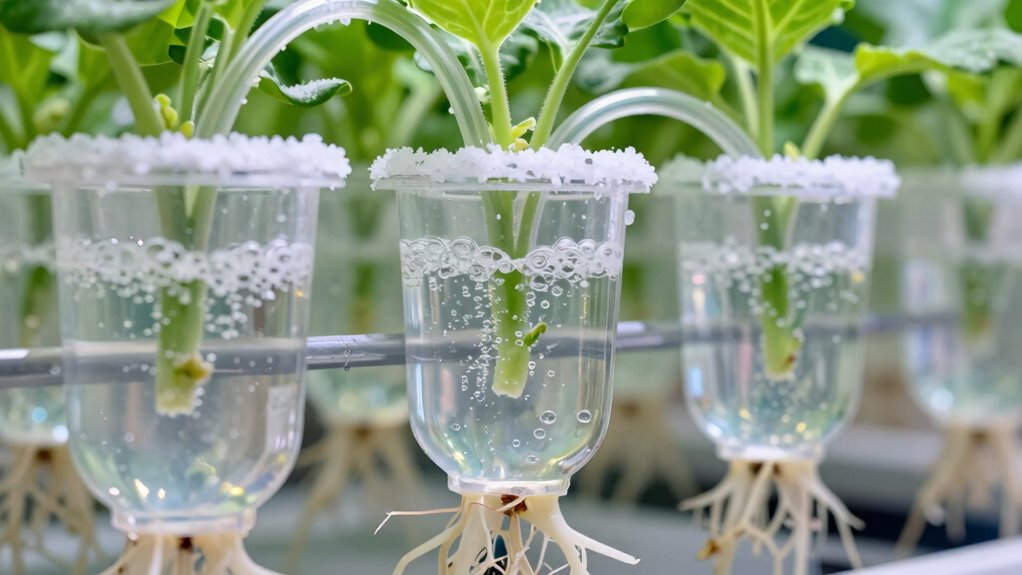

To prevent salt buildup in your hydroponic system, you should regularly monitor EC levels with a meter and keep nutrient concentrations within ideal ranges. Use high-quality, low-mineral water and treat it if needed. Schedule flushing with clean, low-nutrient water at least once a month to remove salt residues. Maintaining proper pH, balancing nutrients, and employing effective water management practices helps keep your system healthy. Keep going to discover more effective strategies for long-term system health.

Get the little things that make your day delivered free — and shop member deals
- Fast, free delivery on millions of items
- Access to Prime Big Deal Days deals on October 6–7
- Prime Video, Amazon Music and more included
Key Takeaways
- Regularly flush the system with low-nutrient water to remove accumulated salts.
- Monitor and maintain EC levels within the optimal range to prevent salt buildup.
- Use high-quality, low-mineral water sources like rainwater or filtered water.
- Adjust nutrient concentrations carefully to avoid overfeeding and salt accumulation.
- Conduct routine water testing for pH and mineral content to detect and address issues early.
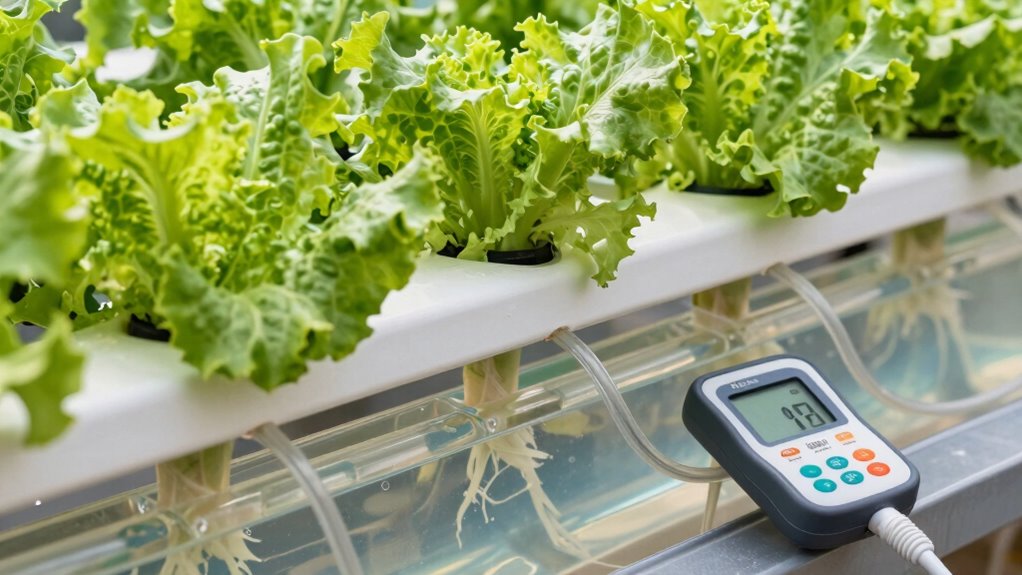
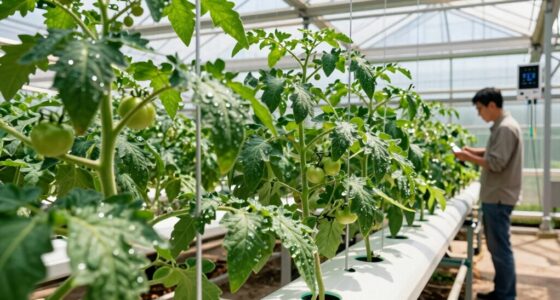
Maintaining a healthy hydroponic system requires more than just providing plants with nutrients; it also involves preventing salt accumulation that can harm root health and reduce yields. When salts build up in your system, they can create a toxic environment for your plants, making it harder for roots to absorb water and nutrients effectively. To prevent this, you need to pay close attention to nutrient balance and water quality, which are key factors in managing salt levels.
First, guarantee you’re maintaining the right nutrient balance. Excess nutrients, especially when not properly managed, can lead to salt buildup over time. Use a balanced nutrient solution formulated specifically for hydroponics, and avoid overfeeding your plants. Regularly monitor your nutrient concentrations with a reliable EC (electrical conductivity) meter. Keeping EC levels within the ideal range prevents unnecessary salt accumulation. When you notice rising EC values, consider flushing your system with clean water to remove excess salts and restore the proper balance. Nutrient management is essential to avoid overfeeding and salt buildup.
Maintain proper nutrient balance and monitor EC levels to prevent salt buildup and ensure healthy hydroponic growth.
Water quality plays a critical role in controlling salt buildup. Using high-quality water with low mineral content minimizes the risk of introducing additional salts into your system. If your water source contains high levels of dissolved minerals, it may be necessary to treat it through reverse osmosis or other filtration methods. This ensures you’re not adding more salts with your water supply, which could accelerate accumulation. Consistently testing your water’s pH and mineral content helps you catch any issues early and adjust your water treatment practices accordingly. Additionally, understanding water mineral content can help you make more informed decisions about your water source.
Another effective strategy involves regular flushing of your hydroponic system with clean water. Flushing helps remove accumulated salts that can otherwise sit in the root zone and cause damage. Depending on your crop type and system size, schedule flushing at least once a month or when EC readings spike unexpectedly. During flushing, use water with a lower nutrient concentration to help wash away excess salts without depriving your plants of essential nutrients.
Lastly, consider implementing a rainfall or rainwater collection system if possible. Rainwater is typically low in dissolved salts, making it an excellent resource for diluting and flushing your system. When combined with careful nutrient management and water quality control, these practices considerably reduce the risk of salt buildup, promoting healthier roots and higher yields. Staying vigilant about these factors ensures your hydroponic system remains balanced and productive over time.
As an affiliate, we earn on qualifying purchases.
Frequently Asked Questions
Can Salt Buildup Harm Specific Hydroponic Crops More Than Others?
Yes, salt buildup can harm certain hydroponic crops more than others. You’ll notice that crops with low salt tolerance or high sensitivity to salt, like lettuce or strawberries, suffer more from salt accumulation. To protect your sensitive crops, monitor salt levels regularly, adjust nutrient solutions accordingly, and maintain proper flushing routines. This helps prevent salt stress, ensuring your sensitive plants thrive while less sensitive crops handle higher salt concentrations better.
What Are Natural Methods to Reduce Salt Accumulation?
Think of your system as a garden pond, where natural methods keep water clear and balanced. You can reduce salt accumulation through organic filtration—adding compost or biofilters that naturally absorb excess salts. Additionally, selecting salt-tolerant plants helps manage buildup, as they thrive in higher salt conditions. Regularly flushing your system with freshwater and maintaining proper pH levels also prevents salt buildup naturally, ensuring your hydroponic crops stay healthy and productive.
How Often Should I Test Nutrient Solution Salinity Levels?
You should test your nutrient solution salinity levels at least once a week to maintain ideal nutrient balance. Regular pH monitoring is also essential, as pH fluctuations can affect salt buildup. Adjust your nutrient concentration based on these tests to prevent excess salts from accumulating. Consistent testing helps you catch imbalances early, ensuring healthy plant growth and minimizing issues related to salt buildup in your hydroponic system.
Are There Specific Hydroponic System Types Resistant to Salt Buildup?
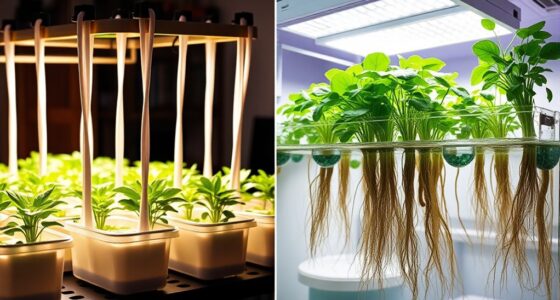
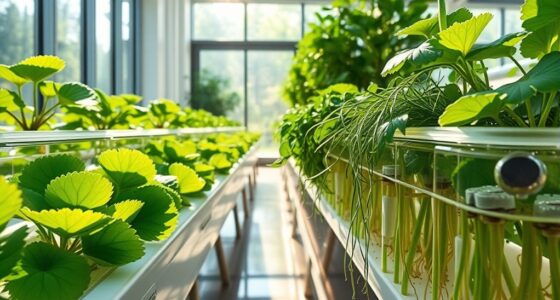
While no hydroponic system is completely immune to salt buildup, systems like NFT and deep water culture tend to resist it better with proper maintenance. You can incorporate alternative filtration methods and regular system upkeep to reduce salt accumulation. By consistently monitoring and cleaning components, you prevent salts from concentrating, ensuring healthier plants. Proper system design and diligent maintenance act as your first line of defense against salt buildup, keeping your hydroponic setup thriving.
How Does Water Quality Affect Salt Accumulation in Hydroponics?
Your water quality greatly impacts salt accumulation in hydroponics. By using water filtration, you remove impurities and excess minerals that can contribute to salt buildup. Maintaining proper pH balance guarantees nutrients are absorbed efficiently, reducing the risk of salt deposits. Regularly testing and adjusting water parameters helps prevent salt accumulation, ensuring your plants receive ideal nutrients without the negative effects of excess salts.
As an affiliate, we earn on qualifying purchases.
Conclusion
To keep your hydroponic system running smoothly, stay vigilant, stay consistent, and stay proactive. Regularly check your nutrient levels, flush your system when needed, and monitor your water quality. By maintaining clean equipment, balancing your nutrients, and promptly addressing buildup, you prevent salt deposits from taking over. With these simple steps, you create a healthy environment for your plants to thrive, ensuring a bountiful harvest and a thriving hydroponic garden that remains clear, clean, and productive.
hydroponic water filtration system
As an affiliate, we earn on qualifying purchases.
As an affiliate, we earn on qualifying purchases.
As an affiliate, we earn on qualifying purchases.
NFL season / tailgating Picks
team gear
As an affiliate, we earn on qualifying purchases.