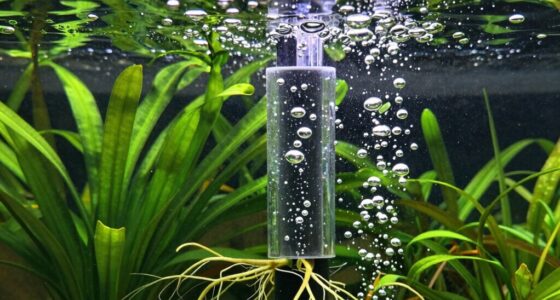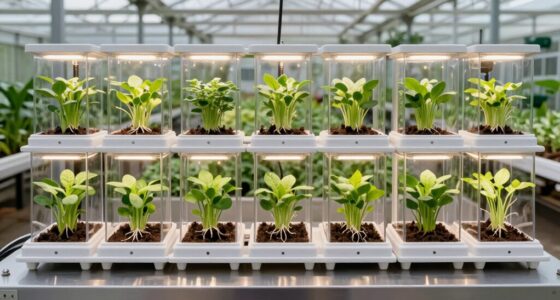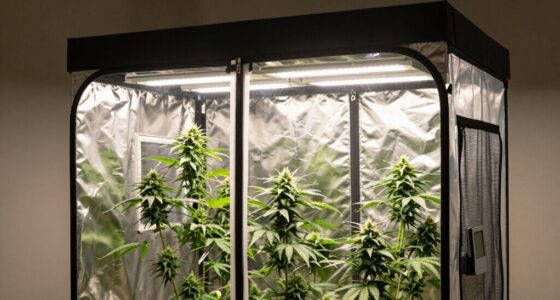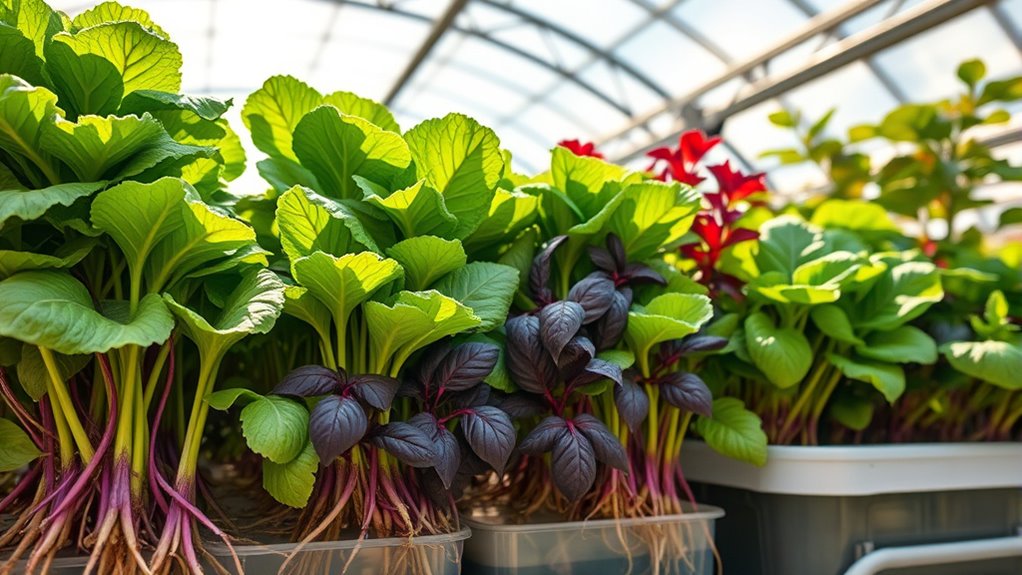

Intercropping in hydroponics can work well if you choose compatible crops that utilize resources without competing too much. Plants with different growth habits and nutrient needs can thrive together, boosting yields and making better use of space. Proper planning, monitoring, and adjusting environment conditions are essential for success. When done correctly, intercropping can make your hydroponic setup more productive and resilient. Keep exploring to discover how to optimize your mixed crop system effectively.

Get the little things that make your day delivered free with Prime
- Fast, free delivery on millions of items
- Prime Video, Amazon Music and more included
- Member-only deals all year
Key Takeaways
- Intercropping in hydroponics can increase yields and optimize space by carefully selecting compatible plant combinations.
- Proper planning, including understanding each crop’s growth habits, is essential for successful mixed cropping.
- Managing nutrient solutions and light conditions separately helps prevent competition and supports diverse plants.
- Vertical systems and staggered planting improve resource sharing and reduce growth interference among crops.
- When well-executed, hydroponic intercropping enhances farm resilience, resource efficiency, and crop diversity.
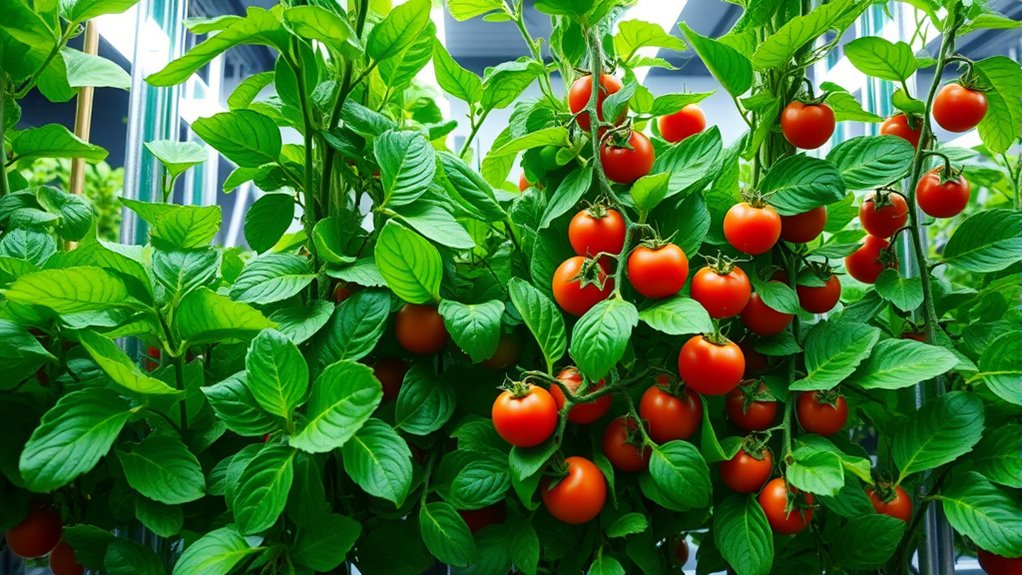
Have you ever considered how intercropping in hydroponic systems can boost your crop yields and improve resource efficiency? If you’re looking to maximize space, reduce waste, and diversify your harvest, mixing different crops within a single hydro setup might be the solution. Unlike traditional soil farming, hydroponics gives you precise control over nutrients, water, and environmental conditions, making it easier to manage multiple crops simultaneously. The key question is whether different plants can coexist without competing excessively or hindering each other’s growth.
In theory, intercropping in hydroponics offers a lot of advantages. When you grow compatible plants together, they can utilize resources more efficiently, leading to increased overall productivity. For example, fast-growing leafy greens can be paired with slower-maturing fruiting plants, allowing each to thrive without overshadowing the other. This diversity can also reduce the risk of pests and diseases, as a monoculture often attracts specific pests that can wipe out an entire crop. With mixed cropping, pests are less likely to spread quickly, providing a natural form of pest management.
However, successfully implementing intercropping in a hydroponic system requires understanding each crop’s specific needs. Different plants have varying light requirements, nutrient uptake rates, and growth habits. For instance, root-heavy crops like herbs or lettuce might compete with vining plants like cucumbers if they share the same nutrient solution or space. You need to carefully plan your setup, perhaps by using separate nutrient lines or adjusting lighting to accommodate each crop’s needs. Vertical growing systems can help maximize space and reduce competition by giving each plant its own designated area.
Another consideration is maintaining the balance of nutrients. Some plants may deplete certain elements faster, so you’ll need to monitor and adjust your nutrient solution regularly. This ongoing management ensures that no crop suffers from deficiencies or excesses, keeping all plants healthy and productive. Also, consider the timing of planting; staggered schedules can help prevent overcrowding and allow each crop to reach maturity without interfering with others.
While intercropping in hydroponics isn’t without challenges, it’s certainly feasible with proper planning. It encourages resource sharing, diversifies your harvest, and can even extend your growing season. By selecting compatible crops and tailoring your system to their needs, you can turn your hydroponic setup into a more resilient and productive farm. Ultimately, mixed cropping can be a game-changer, allowing you to make the most of limited space while growing a variety of nutritious and profitable crops. Additionally, understanding the Refrigeration Cycle can help optimize the environmental conditions in your grow room, ensuring consistent temperature and humidity levels for healthy plant development.
As an affiliate, we earn on qualifying purchases.
Frequently Asked Questions
What Are the Main Benefits of Intercropping in Hydro Systems?
You gain several benefits from intercropping in hydro systems. It boosts your crop diversity, making your system more resilient to pests and diseases. It also optimizes space and nutrient use, leading to higher yields. Intercropping can improve water efficiency and reduce the need for chemical inputs. Plus, it creates a more sustainable environment, helping you maintain a balanced ecosystem and potentially lowering your overall production costs.
How Do Different Crop Combinations Affect Water and Nutrient Use?
You might be surprised to learn that certain crop combinations boost water efficiency by up to 30%. When you mix crops like leafy greens with deep-rooted herbs, they complement each other’s nutrient uptake, reducing the need for extra fertilizers. You’ll notice that some pairings optimize nutrient cycling, leading to healthier plants and less waste. By choosing the right combinations, you maximize resource use, making your hydro system more sustainable and productive.
What Are Common Challenges Faced When Intercropping in Hydroponics?
You might face challenges like managing different nutrient needs, which can lead to imbalances or deficiencies. Controlling pests and diseases becomes trickier with multiple crops, increasing the risk of spread. Root competition is another issue, as plants vie for limited space and resources. Additionally, maintaining ideal environmental conditions for diverse species can be complex, requiring constant monitoring and adjustment to guarantee all crops thrive together.
Can Intercropping Improve Pest and Disease Management?
Yes, intercropping can improve pest and disease management in hydroponics. By diversifying plant species, you create a less favorable environment for pests and pathogens to spread. Some crops naturally repel pests or attract beneficial insects that help control pests. Additionally, intercropping can reduce the risk of disease outbreaks by limiting the spread of pathogens between plants, promoting healthier growth overall.
What Are the Cost Implications of Adopting Intercropping in Hydro Setups?
Adopting intercropping in hydro setups can initially increase your costs due to the need for additional equipment, more complex management, and potential adjustments in nutrient delivery. However, over time, you might save money through improved yields, reduced pest and disease control expenses, and more efficient use of resources. While the upfront investment is higher, the long-term benefits can offset costs, making it a worthwhile approach if managed properly.
As an affiliate, we earn on qualifying purchases.
Conclusion
So, can mixed crops really thrive together in hydroponic systems? Absolutely. Studies show that intercropping can boost yields by up to 30% while reducing pest issues and resource use. Imagine harvesting more with less water and fewer chemicals—that’s a game-changer. If you’re looking to maximize your hydro setup’s potential, embracing intercropping might just be the innovation you need. Now’s the time to experiment and see the benefits firsthand!
nutrient solution tester for hydroponics
As an affiliate, we earn on qualifying purchases.
As an affiliate, we earn on qualifying purchases.
hydroponic plant supports for mixed crops
As an affiliate, we earn on qualifying purchases.
As an affiliate, we earn on qualifying purchases.
NFL season / tailgating Picks
team gear
As an affiliate, we earn on qualifying purchases.