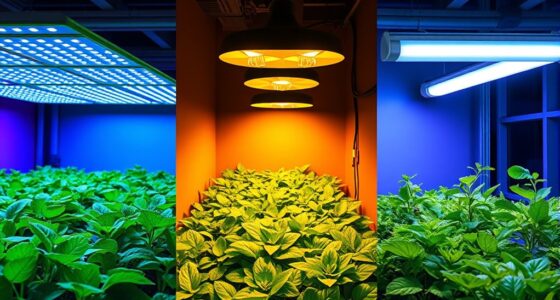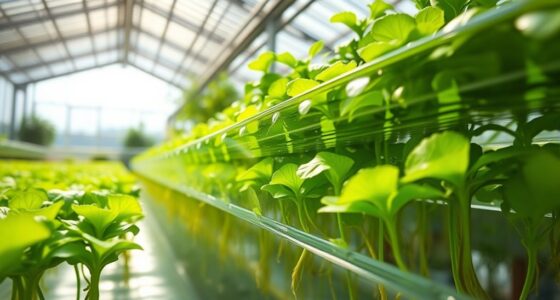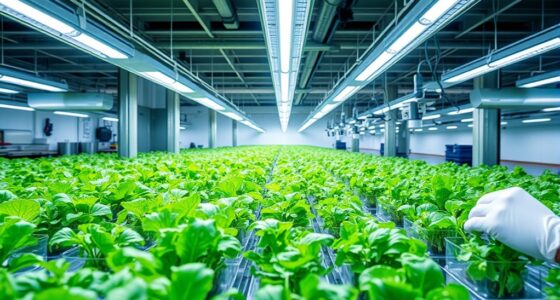
If you’re interested in hydroponics, start with leafy greens like lettuce and spinach for quick, easy growth. Herbs such as basil, mint, and cilantro thrive in small spaces and are simple to maintain. For fruit, strawberries grow well vertically and provide sweet yields, while vegetables like tomatoes produce abundant, healthy fruit. Keep exploring different plants to discover the best options for your setup—more tips are just a step away.
Key Takeaways
- Leafy greens like lettuce and spinach grow quickly and are ideal for small hydroponic systems.
- Herbs such as basil, mint, and cilantro thrive with minimal maintenance and high yields.
- Fruit crops like strawberries produce sweet berries and can be grown vertically to save space.
- Tomatoes are vigorous growers that benefit from controlled environments for abundant, uniform fruit.
- Vegetables like cucumbers and peppers adapt well to hydroponic setups, offering high productivity and easy pest control.
Hydroponics offers an efficient way to grow a variety of plants without soil, making it ideal for both beginners and experienced gardeners. If you’re interested in urban farming, hydroponics allows you to maximize limited space while producing fresh, healthy crops. Since soil isn’t involved, pest management becomes easier, reducing the need for chemical pesticides and making your garden safer and more sustainable. With proper setup, you can grow a diverse range of plants indoors or in small outdoor spaces, providing fresh produce year-round.
When choosing the best plants for hydroponics, leafy greens like lettuce and spinach are top contenders. They grow quickly, require minimal space, and thrive in nutrient-rich water systems. These crops are perfect for urban farmers who need fast yields and want a continuous supply of fresh greens. Herbs such as basil, mint, and cilantro also perform well, adding flavor to your dishes while flourishing in hydroponic setups. Their compact size and high growth rate make them ideal for small-scale growers, and they’re easy to keep pest-free compared to soil-based gardening, which often invites pests and diseases.
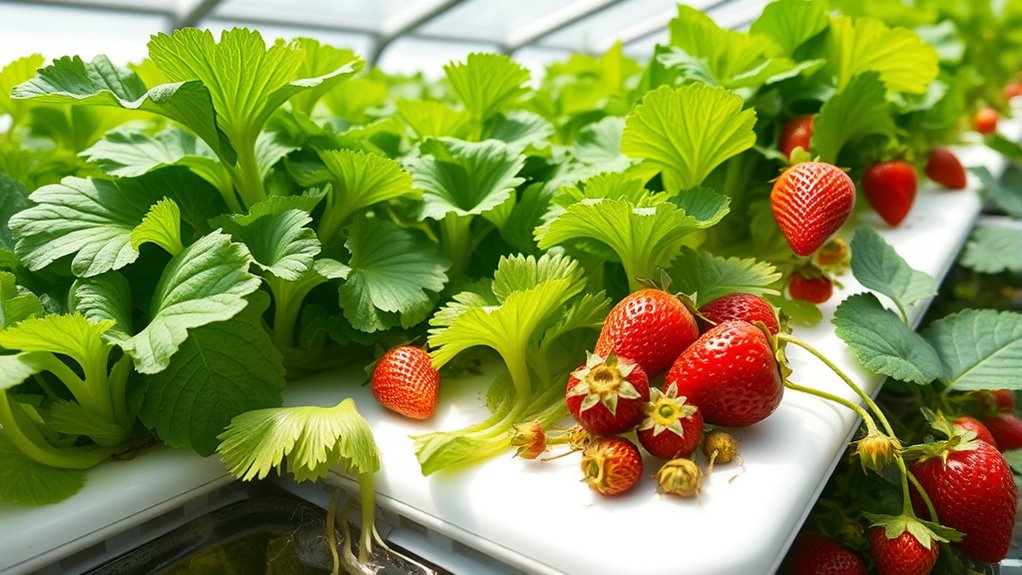
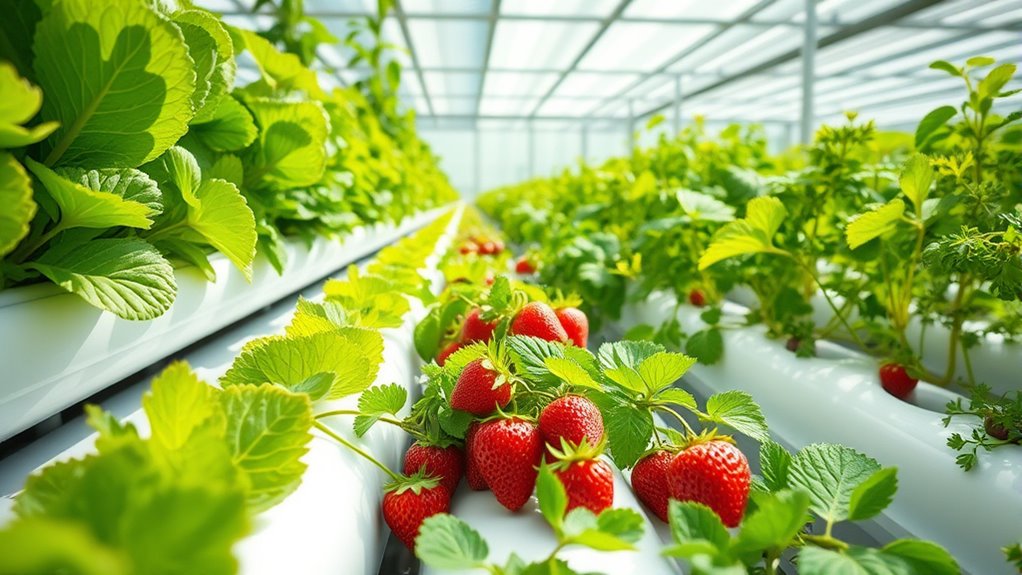
Fruits like strawberries are another excellent choice for hydroponic cultivation. They produce sweet, juicy berries with proper care and a well-maintained system. Strawberries can be grown vertically or in hanging containers, making them suitable for urban environments where space is limited. They also benefit from pest management practices that keep common pests like aphids and spider mites at bay without chemical interventions. Growing strawberries hydroponically allows you to control the environment more precisely, reducing pest issues and promoting healthy fruit development.
Tomatoes are also highly compatible with hydroponic systems. They grow vigorously and yield abundant fruit, especially in controlled environments. With hydroponics, you can manage pests more effectively by maintaining optimal conditions and monitoring for issues early. This is particularly advantageous in urban farming settings, where managing pests can be more challenging outdoors. Additionally, hydroponic tomatoes tend to be cleaner and more uniform in size and flavor, making them popular among home growers and small urban farms.
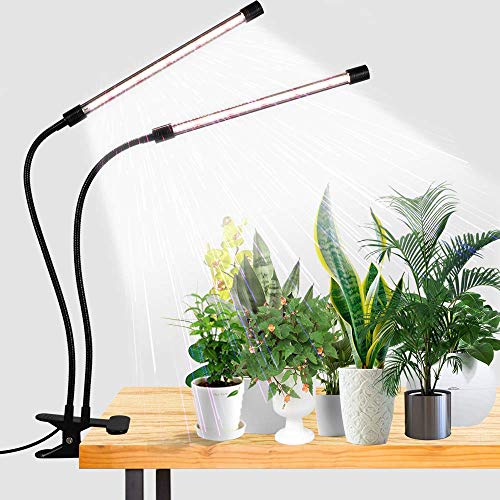
GooingTop LED Grow Light,6000K Full Spectrum Clip Plant Growing Lamp with White Red LEDs for Indoor Plants,5-Level Dimmable,Auto On Off Timing 4 8 12Hrs
6000K White Light - equipped with 10 Red + 74 White LEDs, this growing Lamp is similar to...
As an affiliate, we earn on qualifying purchases.
Frequently Asked Questions
What Are the Most Pest-Resistant Hydroponic Plants?
You should choose pest-resistant varieties like basil, mint, and oregano for your hydroponic system. These herbs naturally deter pests, reducing the need for chemical controls. Incorporate natural pest control methods such as introducing beneficial insects or using organic sprays to keep pests at bay. By selecting resilient plants and practicing natural pest control, you can enjoy a healthier, more productive hydroponic garden with minimal pest issues.
How Does Plant Size Affect Hydroponic System Choice?
Your plant size dramatically influences your hydroponic system choice. Larger plants with expansive canopies and complex root systems need spacious, sturdy setups like deep water culture or NFT systems. Smaller plants fit well in compact, simple systems such as tray or vertical setups. Think of it like fitting a skyscraper versus a cottage—you need the right foundation to support the plant’s canopy and roots without chaos or collapse.
Can Hydroponics Grow Perennial Plants Effectively?
Yes, hydroponics can effectively grow perennial plants. You’ll need to focus on perennial plant maintenance and hydroponic perennial care to guarantee healthy growth year-round. Regularly monitor nutrient levels, provide proper lighting, and manage root health. With proper care, your perennial plants will thrive in a hydroponic setup, offering continuous harvests and reducing the need for replanting each season. This method maximizes space and efficiency for long-term gardening success.
What Are the Signs of Nutrient Deficiencies in Hydroponic Crops?
Imagine your hydroponic garden as a delicate symphony, where each plant relies on perfect harmony. When nutrient deficiencies occur, you’ll notice symptom identification like yellowing leaves, stunted growth, or leaf curling. Regular nutrient monitoring helps catch these signs early, so you can adjust your solution. Recognizing these visual cues allows you to restore balance, ensuring your crops thrive and produce a lush, vibrant harvest.
How Do Hydroponic Plants Handle Temperature Fluctuations?
Hydroponic plants handle temperature fluctuations through effective temperature regulation, which helps maintain ideal growth conditions. You should monitor your system closely and adjust environmental controls, like heaters or fans, to support plant resilience. Consistent temperatures prevent stress and nutrient uptake issues. By actively managing temperature swings, you guarantee your plants stay healthy and productive, even during unexpected fluctuations. This proactive approach maximizes yield and promotes strong, resilient growth.

ZOYOYES Indoor Greenhouse 6-Tier Plant Rack with Cover, 5 T8 Grow Lights, Thermometer & Timer – Seedlings, Flowering, Herbs & Vegetables, Indoor Gardening, Easy Assembly 30" W x 14" D x 72" H
1. ZOYOYES Plant Growth System Suite – Patented Design for Consumer Protection
As an affiliate, we earn on qualifying purchases.
Conclusion
Think of your hydroponic garden as a vibrant jungle, each plant a brave explorer discovering new growth. With the right choices, you’ll guide these explorers to flourish, turning your setup into a lush, bountiful paradise. Just like a skilled captain steering a ship through calm and storm, your care and attention will help your plants thrive. Embrace the adventure, and watch your garden become a thriving, living masterpiece.

Bstrip Indoor Greenhouse Cabinet with Pegboard, Indoor Greenhouse with 4 Pack 96W Full Spectrum Grow Light for Indoor Plant, Foliage Plants, 29.5"x13.8"x59"
Creative Indoor Greenhouse with Pegboards - Upgraded from traditional mini greenhouse, this green house features 2 removable pegboards...
As an affiliate, we earn on qualifying purchases.

Aokrean Plant Grow Light, 48 LEDs Full Spectrum Grow Lights for Indoor Plants, Height Adjustable Small Halo Grow Light with Base, 3 Optional Spectrums, Auto Timer 3/9/12Hrs, 10 Brightness, 3 Pack
NOTE: The product stand needs to be pressed down by the flower pot to be stable. Not wireless...
As an affiliate, we earn on qualifying purchases.