To avoid a pest meltdown when introducing a new plant, isolate it in a separate space for at least 2 to 4 weeks. Regularly inspect for pests like aphids or spider mites, and treat any issues promptly with insecticidal soap or neem oil. Keep the area clean and avoid contact with your other plants during quarantine. Following these steps helps protect your collection—learn more to guarantee your plants stay healthy and pest-free.

Get the little things that make your day delivered free — and shop member deals
- Fast, free delivery on millions of items
- Access to Prime Big Deal Days deals on October 6–7
- Prime Video, Amazon Music and more included
Key Takeaways
- Isolate new plants in a separate space for at least 2-4 weeks to prevent pest spread.
- Inspect thoroughly for pests and signs of disease, using a magnifying glass if needed.
- Treat suspicious plants with insecticidal soap, neem oil, or manual removal methods.
- Monitor regularly for new pests or symptoms and act immediately if detected.
- Gradually reintroduce the plant to existing collections, continuing to observe for issues.
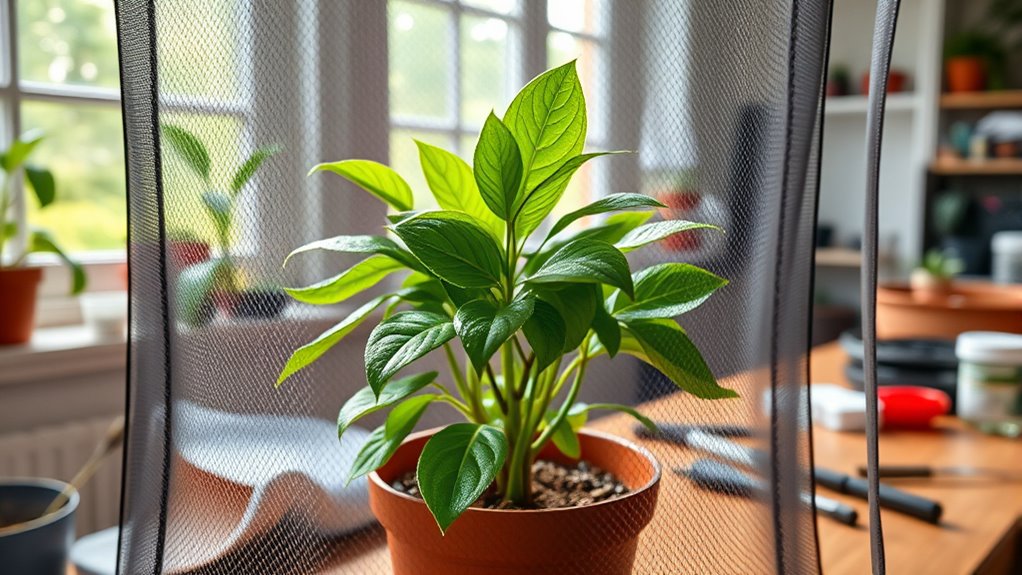
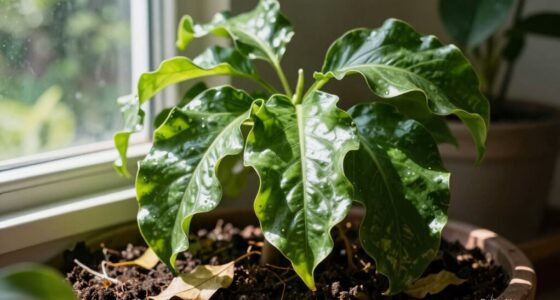
Bringing new plants into your home or garden can introduce pests and diseases, so quarantining them is a crucial step to protect your existing plants. When you bring a new plant home, it’s easy to overlook potential threats hiding on its leaves, stems, or soil. But skipping quarantine can lead to infestations that spread quickly, causing damage to your healthy plants. Taking a few simple precautions can save you time, effort, and frustration down the line.
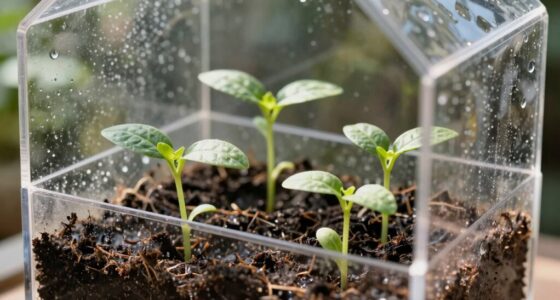
Start by isolating your new plant in a separate room or a designated area away from your established plants. Keep it away from any other greenery for at least two to four weeks. During this period, you become the detective, inspecting the plant thoroughly for signs of pests like aphids, spider mites, or mealybugs. Look under leaves, along stems, and around the soil surface. Use a magnifying glass if needed. Check for sticky residue, webbing, or discolored spots, which can be signs of pests or disease. If you notice anything suspicious, treat the plant accordingly before introducing it to your main collection.
Maintain a strict routine of monitoring the quarantined plant. Keep an eye out for any new pests or symptoms that develop. If you spot pests, isolate the plant immediately to prevent any accidental spread. You can manually remove pests with a gentle spray of water or wipe them off with a soft cloth. For more stubborn infestations, consider using insecticidal soap or neem oil, but always follow the product instructions carefully. Remember, the goal is to eliminate pests without harming your plant or risking contamination of others.
Water your quarantine plant carefully. Overwatering can encourage fungal issues or root rot, especially if the plant is stressed or suffering from pests. Use well-draining soil and avoid watering excessively during the quarantine period. Proper humidity and air circulation also help reduce the likelihood of fungal problems. Keep the quarantine area clean, removing fallen leaves or debris that might harbor pests or pathogens. This keeps the environment less inviting to pests and minimizes the chance of infection spreading.
Additionally, understanding plant pests and diseases can help you identify and address issues more effectively during quarantine. Once the quarantine period is over and you’re confident there are no pests or diseases, you can gradually introduce the new plant to your main collection. Be cautious and continue monitoring for a few weeks afterward to catch any issues early. Quarantining your new plants might seem like an extra step, but it’s an essential one to safeguard your entire plant collection. A little effort upfront prevents larger problems later, ensuring your plants stay healthy and thriving.
As an affiliate, we earn on qualifying purchases.
Frequently Asked Questions
How Long Should I Quarantine a New Plant?
You should quarantine a new plant for at least two to four weeks. During this period, closely monitor it for signs of pests or diseases, and avoid contact with your other plants. Keep it in a separate space, inspect regularly, and don’t forget to wash your hands after handling. Quarantining helps prevent any potential infestations from spreading, protecting your entire plant collection.
Can I Quarantine Multiple Plants Together?
You can quarantine multiple plants together, but it’s like playing with fire — pests can easily jump from one to another. To keep everyone safe, place each plant in a separate container or space, and inspect them regularly. If one shows signs of pests, isolate it immediately. This way, you minimize the risk of a pest meltdown spreading across your entire plant collection, keeping your green oasis healthy and thriving.
What Signs Indicate Pests During Quarantine?
You’ll notice pests during quarantine if you see tiny insects crawling on the plant, webbing, or sticky residue on the leaves. Look for discolored, chewed, or wilting leaves, and check the undersides for eggs or larvae. If you spot any of these signs, act quickly by isolating the plant further and treating it with appropriate solutions to prevent pests from spreading to your other plants.
Is Quarantine Necessary for All Plant Types?
Yes, quarantine is necessary for most plant types, especially if they come from unfamiliar sources. You should isolate new plants for at least two weeks to monitor for pests or diseases. This prevents potential infestations from spreading to your other plants. Even healthy-looking plants can hide pests, so quarantine acts as a safeguard. It’s a simple, effective step to protect your entire garden or indoor plant collection.
How Do I Prevent Cross-Contamination During Quarantine?
You prevent cross-contamination by being extra cautious—ironic, isn’t it? Wash your hands thoroughly before touching your new plant, and disinfect tools and pots after use. Keep the quarantined plant separate from others, and avoid sharing watering cans or fertilizers. Regularly check for pests, and if you spot any, isolate the plant immediately. These simple steps save you from a full-blown pest invasion—because prevention is better than cure.
plant pest inspection magnifying glass
As an affiliate, we earn on qualifying purchases.
As an affiliate, we earn on qualifying purchases.
Conclusion
By quarantining your new plant, you’re fundamentally creating a fortress against an invasion of pests that could wipe out your entire collection overnight. Think of it as your plant’s personal bodyguard, standing guard against tiny invaders plotting destruction. Skip this vital step, and your lush green paradise could turn into a pest-ridden nightmare faster than you can say “infestation.” So, quarantine wisely—your plants’ survival depends on it, and trust me, no one wants a pest meltdown!
As an affiliate, we earn on qualifying purchases.
As an affiliate, we earn on qualifying purchases.
Fall Picks
fall essentials
As an affiliate, we earn on qualifying purchases.