To propagate rare plants at home using in-vitro tissue culture, you’ll need to start by selecting healthy plant tissues like stems or leaves and thoroughly sterilizing them with disinfectants such as diluted bleach. Then, place the explants in a sterile, nutrient-rich medium with plant hormones to encourage growth. Keep everything in a clean, controlled environment, using sterile tools and gloves to prevent contamination. If you continue, you’ll discover how to create your own mini laboratory for successful plant propagation.
Key Takeaways
- Set up a clean, sterile workspace using disinfected tools and surfaces to prevent contamination.
- Select healthy plant tissue (explants), thoroughly wash, and disinfect with diluted bleach or hydrogen peroxide.
- Prepare a nutrient-rich, hormone-infused culture medium in sterile conditions for explant placement.
- Transfer explants to the medium carefully using sterile techniques, preferably in a laminar flow hood or sanitized area.
- Maintain controlled environmental conditions and practice strict sterile procedures to ensure successful in-vitro propagation at home.
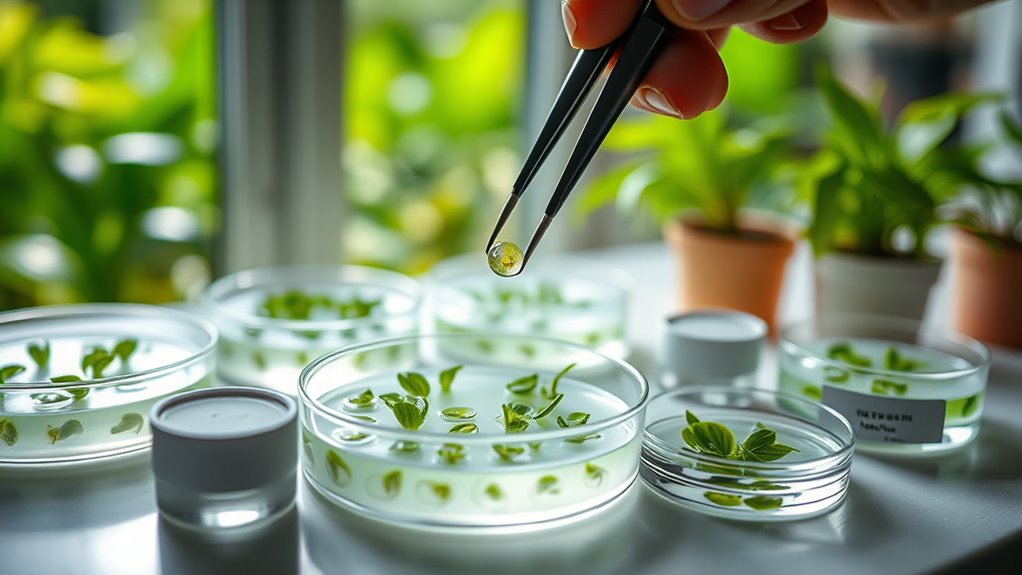
Ever wondered how to grow plants faster and healthier right in your own home? Tissue culture at home offers an exciting way to achieve this, especially when it comes to propagating rare plants using in-vitro techniques. The process begins with understanding plant propagation—how you can produce new plants from a small section of the parent plant. Unlike traditional methods, tissue culture allows you to multiply plants rapidly, producing numerous healthy specimens in a relatively short period. To succeed, however, you need to master sterile techniques, which are essential for preventing contamination and guaranteeing the growth of healthy, disease-free plants.
Discover how tissue culture accelerates healthy plant growth from small plant sections at home.
When starting tissue culture at home, your first step is to prepare a clean environment. This means sterilizing all tools and materials, such as scissors, forceps, and containers, to eliminate bacteria, fungi, and viruses. You’ll also need to work in a sanitized space, like a dedicated corner with minimal airflow, to maintain a sterile environment. Using a disinfectant solution to wipe down surfaces and sterilizing your tools with alcohol or boiling water forms the foundation of sterile techniques. These precautions are critical because even a small contamination can ruin your entire batch of plant tissue.
Next, you’ll select the plant tissue to propagate. Usually, a small piece of the stem, leaf, or root—called explants—is sufficient. Before placing the explants into culture media, they must be carefully washed and surface sterilized. This involves briefly soaking them in a mild disinfectant solution, such as diluted bleach or hydrogen peroxide, then rinsing thoroughly with sterile water. This step helps eliminate surface microbes without damaging the tissue. Once sterilized, you can transfer the explants into a nutrient-rich, sterile medium designed for tissue culture, typically containing plant hormones to promote growth.
Maintaining sterile techniques throughout the process is essential. You should work in a laminar flow hood or a similarly controlled environment to prevent airborne contaminants from settling on your culture. Always wear gloves and a mask, and handle your explants and media with sterilized instruments. Keeping your workspace clean, using sterile containers, and regularly disinfecting surfaces help maintain the integrity of your tissue culture environment. By diligently following these sterile techniques, you give your rare plants the best chance to thrive, multiplying your collection and potentially saving species that are hard to propagate through traditional methods.
Additionally, understanding relationships between plant tissue health and contamination control can help improve success rates. With patience and careful attention to sterile procedures, tissue culture at home becomes a practical, rewarding way to propagate plants that are otherwise difficult to grow. This method not only accelerates plant propagation but also guarantees healthier, more vigorous plants that can enhance your home garden or plant collection.
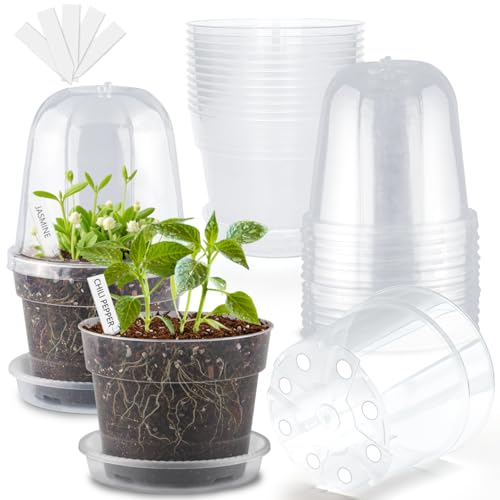
BTPLASTIK 6 Inch Clear Nursery Pots with Humidity Domes 15 Pack, Transparent Plastic Plant Pot with Drainage Holes and Saucers, Seed Starter Pots with 15 Pcs Plant Labels and 15 Pcs Soil Screens
What You Will Get: You can get 15 pack clear plant pots with humidity domes, saucers, mesh pad,...
As an affiliate, we earn on qualifying purchases.
Frequently Asked Questions
What Are the Legal Considerations for Propagating Rare Plants at Home?
When propagating rare plants at home, you need to consider legal compliance and intellectual property rights. Make sure you’re not violating plant patents or trademarks, which protect unique varieties. It is important to research local laws and regulations, as unauthorized propagation could lead to legal issues. Respect for intellectual property encourages innovation, so always seek permission or licensing if necessary, ensuring your efforts stay lawful and ethical.
How Much Does Setting up a Tissue Culture Lab Cost Initially?
Setting up a tissue culture lab might seem like building a spaceship—costs can skyrocket fast. For a basic setup, expect equipment costs to range from $500 to $2,000, including sterilizers, microscopes, and growth media. Your total cost estimation depends on the quality and scale of your setup. Starting small with essential tools keeps expenses manageable, but be prepared for significant investment if you want a fully functional lab.
Are There Any Safety Concerns When Handling In-Vitro Plant Materials?
When handling in-vitro plant materials, safety concerns mainly involve proper sterile techniques to prevent contamination and awareness of chemical hazards from disinfectants or growth media. You should always wear gloves and work in a clean environment to reduce risks. Avoid inhaling fumes from chemicals, and dispose of waste properly. Following these safety precautions helps guarantee both your safety and the health of your cultures.
Can Tissue Culture Techniques Be Used for Invasive Plant Species?
You can use tissue culture techniques for invasive species management, but you should carefully consider the ecological impacts. Propagating invasive plants via in-vitro methods might help control their spread or remove them from ecosystems. However, if not managed properly, it could unintentionally promote their growth or introduce new issues. Always assess potential ecological risks and follow local guidelines when applying these techniques to invasive species.
What Are Common Troubleshooting Issues in Home Tissue Culture?
Like a delicate dance, home tissue culture can sometimes stumble. Common issues include contamination issues, where unwanted microbes invade your precious explants, and nutrient deficiencies, leaving your plants pale and weak. You might notice cloudiness or foul smells signaling contamination, or stunted growth indicating poor nutrition. To keep your green symphony harmonious, guarantee sterile conditions and provide balanced nutrients, transforming your mini greenhouse into a thriving sanctuary of life.

Bluepro 36 Packs 5/4/3.5 Inch Clear Plant Pot Humidity Domes, Transparent Seedling Domes Compatible with 5/4/3.5 Inch Reinforced Nursery Pots
【Multi-Size Humidity Dome Kit】Complete 36-pack set includes 12 humidity domes each for 3.5/4/5 inch nursery pots, offering flexible...
As an affiliate, we earn on qualifying purchases.
Conclusion
Now that you’ve revealed the secrets of tissue culture, you’re like a gardener wielding a magic wand, turning tiny miracles into thriving plants right in your home. With patience and a steady hand, you can nurture rare species from delicate whispers of life into lush, vibrant realities. Think of your workspace as a secret garden—where science and passion bloom side by side—proving that even the tiniest seed of knowledge can grow into a garden of wonders.
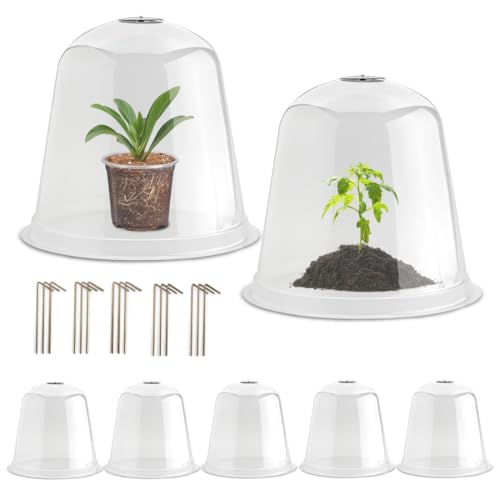
RooTrimmer 13 Inch Humidity Domes Garden Cloches for Plant Protection, Protectors from Animals, Garden Clear Plant Cover with Ventilation Holes 5 Pack
Crystal Clear Design: Our garden cloche is made from high-quality transparent plastic; it offers 99.9% light transmission to...
As an affiliate, we earn on qualifying purchases.

YoleShy 5 Packs Seed Starter Tray with Dome Reusable Plastic Plant Growing Trays with Humidity Domes Thickened Sturdy for Seed Starting Germination Growing Seedling Propagation,14.5"x9"
Thickened Plastic Seed Trays: YoleShy plant tray with dome package contains 5 plant growing trays (without holes) with...
As an affiliate, we earn on qualifying purchases.