TL;DR
Winter’s shorter days, lower light and indoor heating can change how quickly houseplants grow and how much water they use. Plant needs vary, so check soil moisture and conditions rather than following a fixed winter schedule; adjust light, temperature and humidity for each species.
A winter houseplant care guide advises growers to adjust light, watering and indoor conditions as days shorten and homes are heated, while avoiding a single care schedule for every species. The guide notes that reduced light can slow growth, while drier indoor air and temperature changes may affect how quickly potting mix dries. It recommends checking each plant’s conditions rather than relying on a calendar.

Get the little things that make your day delivered free with Prime
- Fast, free delivery on millions of items
- Prime Video, Amazon Music and more included
- Member-only deals all year
The guide says many plants receive less natural light and grow more slowly in winter. It lists smaller leaves, elongated stems, yellowing or dropped older leaves, and reduced flowering as possible signs that light may be limited, while cautioning that these symptoms can have other causes. If they appear or worsen as daylight declines, the guide suggests reviewing light levels as one factor.
To make the most of daylight, the guide recommends moving plants closer to the brightest suitable windows, cleaning the glass and opening curtains. It notes that in much of Canada and the United States, south-facing windows generally receive the most winter sun, but that light preferences differ by species. It advises keeping foliage from touching cold window glass. For plants that need continued growth, the guide suggests supplementing daylight with an LED grow light, using about 12 to 14 hours daily as a starting point and adjusting placement to the fixture’s output and design.
On watering, the guide recommends checking potting mix rather than following a fixed weekly routine. Slower growth often means lower water use, but warmth, dry air, plant type, pot size and growing medium also affect drying time. It suggests checking moisture with a finger or by lifting the pot. When watering is due, the guidance is to wet the root ball thoroughly and let excess water drain. It warns against leaving drained water in a saucer or decorative outer pot, since persistently saturated mix can deprive roots of oxygen.
Winter Houseplant Care Adjust to each plant
Shorter days and indoor heating can change growth and how quickly potting mix dries. Check each plant’s conditions instead of relying on one winter schedule.
Make the most of winter light
Light needs differ by species, and plant symptoms can have several causes.
Improve window exposure
Move plants closer to a suitable bright window, clean the glass and open curtains. Keep foliage from touching cold glass.
Consider a grow light
For continued growth, use the suggested hours as a starting point and adjust placement for the fixture and plant.
Review possible signs
Smaller leaves, stretched stems, yellowing or reduced flowering may relate to low light, but can have other causes.
Water by checking the mix
Slower growth may mean lower water use, while warmth, dry air and grow lights can affect drying time.
Use a finger or lift the pot before deciding whether watering is due.
Wet the root ball and let excess water drain.
Empty saucers or outer pots so the mix does not stay saturated.
Reassess as conditions change
Heating, plant moves and added lighting can affect growth and drying time.
- Light exposure and plant growth
- How quickly the potting mix dries
- Recheck after moving a plant
- Review conditions after heating or lighting changes
Winter Changes Plant Care Needs
The guide says the same watering routine can produce different results as light and household conditions change. A plant growing slowly in a dim room may use less water, while one kept warm, exposed to dry air or supported by a grow light may continue to grow and dry its mix sooner.
According to the guidance, using soil moisture and plant condition as guides can help growers avoid unnecessary watering while also preventing a plant that remains active from becoming too dry. The guide cautions against treating familiar signs such as yellow leaves as proof of a single cause. It recommends checking light, moisture and temperature together when deciding what to change.
Products Worth Considering

Husqvarna ST 124 212cc Two-Stage Snow Blower, 24-Inch

Orbit B-hyve XR 16-Zone Indoor/Outdoor Smart Sprinkler Controller
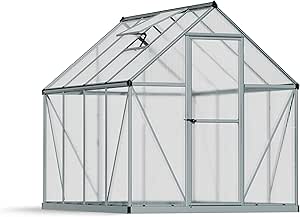
Palram Canopia Mythos 6' x 8' Polycarbonate Greenhouse, Silver
As an affiliate, we earn on qualifying purchases.
Shorter Days and Indoor Conditions
As an example of seasonal daylight changes, the guide gives Montreal, where daylight falls from about 15 hours and 40 minutes in June to 8 hours and 45 minutes in December. It also notes that the winter sun is lower in the sky and its light is less intense, particularly at northern latitudes.
The guide adds that home heating can make indoor air drier and temperatures may fluctuate. These conditions do not affect all plants in the same way. Its central point is that species, growth patterns and household conditions vary, so growers should reassess individual plants rather than apply one universal formula.
Plant Symptoms Have Multiple Causes
The guide does not identify any particular plant or household as having a confirmed winter-care problem. It says symptoms such as yellowing leaves, stretched stems and reduced flowering may have causes other than low light, and does not provide a diagnostic method that can establish the cause from symptoms alone.
The guidance also does not prescribe one watering frequency or grow-light distance for every plant. It presents the suggested light duration as a starting point, noting that suitable placement depends on the fixture and plant. Individual needs, potting mix, temperature and humidity also affect the outcome.
Recheck Conditions as Winter Progresses
The guide recommends reassessing each plant’s light exposure and checking potting mix before watering as indoor conditions change. It suggests repeating those checks after moving a plant, adjusting home heating or adding a grow light, since each change can affect growth and drying time. It also advises keeping drainage clear and removing excess water from saucers or cachepots.
The guidance calls for ongoing observation rather than a fixed seasonal schedule: note whether a plant is growing, how quickly its mix dries and whether new symptoms appear. Adjust care to the species and the conditions it is actually experiencing.
Key Questions
Should I water houseplants less often in winter?
Often, but not always. The guide says many plants grow more slowly and use less water in lower light, but a warm, dry home or continued growth can change how fast the mix dries. It recommends checking the potting mix before watering instead of following a calendar.
How can I tell if a plant needs more winter light?
The guide lists smaller leaves, stretched stems, yellowing or dropped older leaves, and reduced flowering as possible signs of insufficient light, but notes that they can also have other causes. Review light levels alongside the plant’s other conditions.
Do houseplants need a grow light in winter?
Not necessarily. The guide says a grow light can supplement limited daylight, especially if you want a plant to keep growing, but some growers may accept slower growth or reduced vigour over winter.
How long should a grow light stay on?
The guide suggests about 12 to 14 hours a day as a starting point. It says the right placement and effectiveness depend on the fixture’s output and design, so duration alone may not compensate for a light positioned too far away.
Why should I empty a plant saucer or cachepot?
The guide warns that water left around the pot can keep the potting mix saturated. For most houseplants, persistently wet mix can deprive roots of oxygen; check and remove standing water after it drains.
Source: laidbackgardener.blog