TL;DR
Horticulture specialists say a Christmas cactus is most likely to develop healthy foliage and holiday blooms in bright, indirect light and a steady indoor climate. Long, uninterrupted nights can support bud formation, while drafts, heating vents and moving a plant after buds appear may put flowering at risk.
A seasonal plant-care guide recommends placing a Christmas cactus in bright, indirect light and keeping its surroundings steady during November, when buds develop ahead of the holidays. Horticulture specialists cited in the guide say light, nighttime darkness and protection from drafts can affect whether the plant produces flowers.

Get the little things that make your day delivered free with Prime
- Fast, free delivery on millions of items
- Prime Video, Amazon Music and more included
- Member-only deals all year
Justin Hancock, a horticulturist with Costa Farms, recommends a position about three feet from an east- or west-facing window in many homes. He says the plant should cast a medium or strong shadow for several hours a day, a practical indication that it is receiving enough light to support flowering. Laura Coggan, a horticulture specialist, also favors an east-facing window. She says a south- or west-facing window can work if a sheer curtain filters intense midday sun, which may scorch the plant’s flattened stem sections.
The guide says Christmas cactus, unlike desert cacti, are tropical rainforest plants and prefer humidity above roughly 40% to 45%. Hancock describes a comfortable daytime temperature range of about 65°F to 80°F, with a nighttime drop of around five to 10 degrees. The source also says long nights—about 12 to 14 hours of darkness for six to eight weeks—and cooler conditions can prompt bud formation. These are care recommendations in the source, not a guarantee that any plant will flower on a set date.
Plant expert Paris Lalicata advises avoiding sudden environmental changes, including moving the cactus between locations. Once buds appear, she says, gardeners should avoid rotating the plant because doing so may contribute to bud drop. The guide also warns against positioning it beside heating vents or drafty windows, where air temperature can change quickly. It links low light, drafts, low humidity and watering problems with weaker growth or a failure to form buds.
Where to place a Christmas cactus for holiday blooms
Bright, indirect light and steady conditions can support healthy foliage and bud formation. Choose its spot before buds appear, then keep it there.
Find a bright, gentle spot
Several hours of bright, indirect light can help provide energy for flowering.
- About three feet from an east- or west-facing window
- Use a sheer curtain to filter strong midday sun
- Direct intense sun that may scorch stem sections
- Drafty windows and nearby heating vents
Keep its climate steady
This tropical rainforest plant benefits from humidity and protection from abrupt temperature changes.
Aim above 40–45%
The guide describes humidity above roughly 40% to 45% as preferred.
Allow a cooler night
A nighttime drop of about 5 to 10 degrees may support bud formation.
Protect developing buds
Once buds appear, avoid changes that can stress the plant.
Check light, drafts and nearby heat before buds develop.
Avoid moving or rotating the cactus after buds appear.
Monitor light and room conditions as buds develop.
Placement Can Affect Holiday Buds
For people hoping to keep a Christmas cactus flowering through the holiday season, its position can be as relevant as watering. A bright location helps provide the energy Hancock says the plant needs to bloom, while long, dark nights support the seasonal conditions associated with bud production. This makes November placement a timely consideration for owners whose plants have yet to set buds.
The advice also offers a way to reduce avoidable stress: choose a suitable spot before buds develop, then keep conditions consistent. Avoiding a heater, a cold window or repeated repositioning may help protect both glossy, healthy-looking stems and developing flowers. The recommendations are general; individual results can vary with the plant’s health and home conditions.
Products Worth Considering
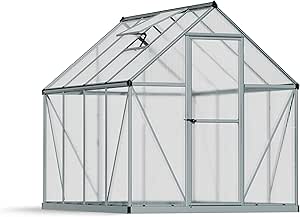
Palram Canopia Mythos 6' x 8' Polycarbonate Greenhouse, Silver
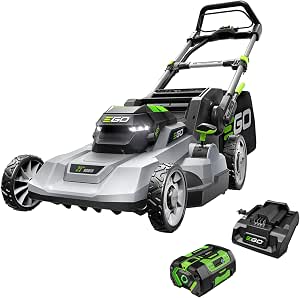
EGO POWER+ LM2114 21-Inch Cordless Electric Lawn Mower with Battery and Charger

Rachio 3 Smart Sprinkler Controller, 16-Zone
As an affiliate, we earn on qualifying purchases.
A Tropical Cactus, Not a Desert One
The guide distinguishes a true Christmas cactus from a Thanksgiving cactus, Schlumbergera truncata. It describes the Christmas cactus as having smooth, curved stem segments, without the small pointed projections associated with the Thanksgiving type. Both are holiday-season houseplants, but the article’s placement advice is directed at Christmas cactus.
Although the plant is commonly associated with dry-climate cacti, the source explains that holiday cacti are native to tropical rainforests. That background helps explain why the guide emphasizes humidity and protection from abrupt temperature changes rather than treating the plant like a desert species. It does not provide a detailed watering schedule, so readers should not infer one from the placement recommendations alone.
“Bright light is best; a spot within about 3 feet or so of an east- or west-facing window in most areas is ideal.”
— Justin Hancock, Costa Farms horticulturist
Bloom Timing Depends on Conditions
The source gives general care ranges, but it does not establish that every Christmas cactus needs identical light, humidity or temperature to flower. It also does not say how quickly a plant will respond to a change in placement, or whether a particular plant will bloom in time for a holiday. Its description of long nights and cool temperatures is guidance, not a controlled test or a promise of results.
The guide does not provide a complete care plan for diagnosing a plant that has already dropped buds or is not flowering. It mentions watering problems as one possible factor but gives no specific watering instructions, and it does not cite research or explain how the recommendations differ by cultivar or indoor climate.
Check Conditions as Buds Develop
Owners can begin by checking whether the plant receives several hours of bright, indirect light, and whether it sits near a draft, heating vent or other source of abrupt temperature change. A sheer curtain may soften strong sun at a south- or west-facing window. The source suggests using a light-meter app or a room thermometer and humidity gauge to monitor conditions, though it does not report comparative testing of those products.
After selecting a suitable location, the guide recommends keeping the cactus there, particularly once buds are visible. Gardeners can watch for developing buds over the following weeks while maintaining consistent light and temperature patterns. The source does not give a specific forecast for when flowers should open; timing will depend on the plant and its growing conditions.
Key Questions
Where should I put a Christmas cactus?
The guide recommends bright, indirect light, often near an east- or west-facing window. A south- or west-facing window may need a sheer curtain to reduce strong midday sun.
How dark should nights be for a Christmas cactus to form buds?
The source describes roughly 12 to 14 hours of darkness nightly for six to eight weeks as a condition that can prompt bud formation. It does not guarantee flowering by a particular date.
Should I move or rotate the plant after buds appear?
Plant expert Paris Lalicata advises keeping it in place and avoiding rotation once buds form, because changes in orientation may contribute to premature bud drop.
Can a Christmas cactus sit beside a heater or drafty window?
The guide advises against both. Heating vents and drafty windows can expose the plant to sudden temperature changes, which may stress it.
Source: homesandgardens.com