
To match a pump to your hydroponic setup, first measure the total water volume in reservoirs, channels, and trays. Choose a pump with a flow rate that can achieve 4-6 turnovers per hour, calculated by multiplying your total volume by 4 to 6. Consider your plant types and root structures, as they influence water and oxygen needs. Guarantee the pump’s specifications fit your system’s height and complexity. To discover how to optimize this balance for healthy growth, keep exploring the key factors involved.
Key Takeaways
- Calculate total system water volume and aim for a flow rate of 4-6 times per hour.
- Choose a pump with a GPH rating matching your calculated flow needs.
- Consider plant root size and type to adjust flow rate for optimal oxygenation and circulation.
- Check pump specifications for maximum head height and setup flexibility.
- Balance pump size to ensure energy efficiency and prevent stress or waste.

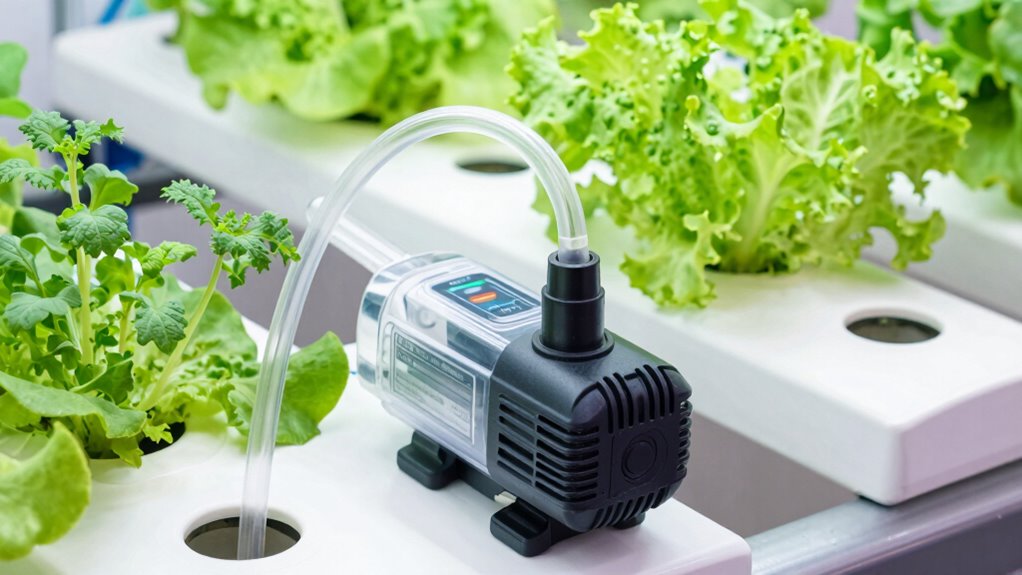
Choosing the right pump size for your hydroponic setup is vital to guarantee your plants receive adequate nutrient flow without wasting energy or resources. The key to successful water circulation and nutrient delivery lies in selecting a pump that matches your system’s size and flow requirements. If the pump is too powerful, it can cause water to flow too quickly, leading to splashing, oxygen loss, or even damage to delicate roots. Conversely, a pump that’s too small might not circulate water effectively, resulting in stagnant zones where nutrients stagnate or oxygen levels drop, hampering plant growth.
Start by evaluating the volume of your hydroponic system. Measure the total water capacity, including reservoirs, channels, or trays. Once you have this number, you want a pump capable of turning over the entire volume multiple times per hour. Typically, a good rule of thumb is to aim for a water turnover rate of about 4 to 6 times per hour. For example, if your system holds 10 gallons, you’ll want a pump that can handle at least 40 to 60 gallons per hour (GPH). This ensures consistent water circulation, which is vital for uniform nutrient delivery and oxygenation.
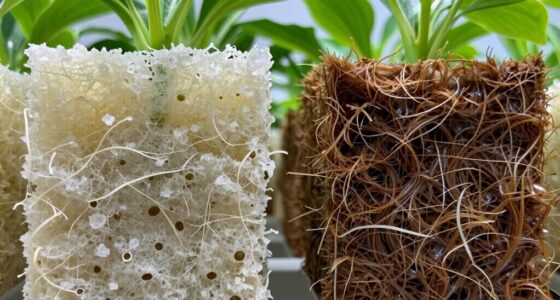
Next, consider the plant type and root structure. Plants with extensive root systems or those demanding higher oxygen levels may require increased circulation speeds to prevent stagnation and promote healthy root development. If you’re growing delicate seedlings or small plants, a gentler flow might be better to avoid root damage. Always check the pump’s specifications for flow rate and head height, which indicates how well it can push water vertically. A pump with a high head height capacity allows for more flexibility in your setup, especially if you have taller grow beds or multiple levels.
Another factor is energy efficiency. An appropriately sized pump that runs at an ideal flow rate consumes less energy, reducing operational costs. Oversized pumps waste electricity, generate unnecessary heat, and can cause excessive water movement, stressing your plants. On the other hand, undersized pumps strain to meet circulation needs, potentially leading to uneven nutrient distribution and poor plant health.
In the end, matching your pump size to your hydroponic setup boils down to understanding your system’s volume, plant needs, and flow requirements. Prioritize water circulation that guarantees consistent nutrient delivery without overworking your pump. This balance promotes healthy growth, efficient resource use, and a thriving hydroponic garden.

Active Aqua Submersible Water Pump High Performance Magnetic Drive Pump for Hydroponics Aquariums and Fountains Reliable Water Flow and Oxygenation in Multiple Gallons Per Hour Sizes
- Powerful Water Flow: Ensures consistent water movement for aeration
- Durable Ceramic Shaft: Resistant to corrosion for long-lasting use
- Versatile Fitting Options: Multiple nozzles for easy connection
As an affiliate, we earn on qualifying purchases.
As an affiliate, we earn on qualifying purchases.
Frequently Asked Questions
Can I Upgrade My Pump Later if I Expand My Setup?
Yes, you can upgrade your pump later if you expand your setup. Just make certain the new pump’s capacity aligns with your system’s scalability needs. When expanding, consider the increased flow rate and pressure requirements, so your pump capacity matches the larger setup. Upgrading is straightforward, but double-check that the new pump fits your existing plumbing and power supply to keep your hydroponic system running smoothly.
How Does Water Temperature Affect Pump Performance?
Water temperature can make your pump feel like it’s working with the strength of a thousand suns or freezing cold. When water gets too hot, it can cause pump overheating, leading to decreased performance or failure. Water cooling and temperature regulation are essential to keep your pump running smoothly. Maintaining ideal water temperature ensures efficient circulation, prolongs pump lifespan, and keeps your hydroponic system thriving without risking damage from temperature extremes.
What Safety Precautions Should I Take With High-Capacity Pumps?
When working with high-capacity pumps, you should prioritize safety by wearing proper safety gear like gloves and eye protection. Regular pump maintenance is essential to prevent malfunctions or leaks. Always disconnect the power before servicing, and make certain your workspace is dry to avoid electrical hazards. Keep clear of moving parts and follow manufacturer instructions carefully. These precautions help protect you and keep your hydroponic system running smoothly.
Are Energy-Efficient Pumps Suitable for Large Hydroponic Systems?
Like the steady flow of a river shapes the landscape, energy-efficient pumps suit large hydroponic systems by reducing energy consumption and promoting sustainability. They’re designed for long-term pump maintenance, ensuring reliable performance over time. While they might have a lower initial power, their efficiency helps you cut costs and keep your system running smoothly. In the end, choosing energy-efficient pumps supports both your crop yield and environmental goals.
How Do I Troubleshoot Low Flow Issues in My Pump?
To troubleshoot low flow issues, start by checking for pump noise, which can indicate blockages or air leaks. Inspect your installation tips—make certain the pump is properly submerged and fittings are tight. Clean any debris or clogs in the intake and outlet. Verify that the tubing isn’t kinked or blocked. If problems persist, consider upgrading to a higher capacity pump suited to your system’s size, and make sure it’s installed correctly.
Active Aqua Submersible Water Pump High Performance Magnetic Drive Pump for Hydroponics Aquariums and Fountains Reliable Water Flow and Oxygenation in Multiple Gallons Per Hour Sizes
- Powerful Water Flow: Ensures consistent water movement for aeration
- Durable Ceramic Shaft: Resistant to corrosion for long-lasting use
- Versatile Fitting Options: Multiple nozzles for easy connection
As an affiliate, we earn on qualifying purchases.
As an affiliate, we earn on qualifying purchases.
Conclusion
Choosing the right pump size is vital for a thriving hydroponic system. When you match your pump correctly, you guarantee ideal nutrient flow and healthy plant growth. Did you know that improper pump sizing can lead to up to 30% nutrient wastage or insufficient water circulation? By paying attention to your setup’s specific needs, you’ll maximize efficiency and yield. So, take the time to select the perfect pump—you’ll see better results and healthier plants in the long run.

GROWNEER 550GPH Submersible Pump 30W Fountain Water Pump, 2000L/H, with 7.2ft High Lift, 3 Nozzles for Aquarium, Fish Tank, Pond, Hydroponics, Statuary, Pool
- Flow Control: Adjustable water flow with control knob
- High Lift Height: Maximum lift of 7.2 feet
- Powerful Motor: 30W energy-efficient motor
As an affiliate, we earn on qualifying purchases.
As an affiliate, we earn on qualifying purchases.

PULACO 2Pcs Mini Fountain Pump (50GPH 3W), Ultra Quiet Submersible Water Pump for Aquarium, Small Fish Tank, Pet Water Fountain, Tabletop Fountains, Water gardens and Hydroponic Systems
- Quiet Operation: Ultra quiet, reliable motor for peaceful environment
- Adjustable Flow: Flow rate up to 50 GPH with adjustable knob
- Easy to Clean: Detachable design for simple cleaning
As an affiliate, we earn on qualifying purchases.
As an affiliate, we earn on qualifying purchases.