
To prevent light leaks into nutrient reservoirs, focus on properly sealing and shading them. Wrap reservoirs with opaque materials like black plastic or foam, ensuring covers fit snugly to block light. Position LED grow lights carefully, directing them away from the reservoirs, and use shields or reflectors to contain stray light. Regularly inspect your setup for cracks or gaps and seal leaks with waterproof, opaque sealants. Keep your system dark and healthy—there’s more to discover for ideal results.

Get the little things that make your day delivered free — and shop member deals
- Fast, free delivery on millions of items
- Access to Prime Big Deal Days deals on October 6–7
- Prime Video, Amazon Music and more included
Key Takeaways
- Use opaque, light-proof covers or lids specifically designed for nutrient reservoirs.
- Wrap reservoirs with blackout materials like black plastic or foam to block light entry.
- Position LED grow lights to focus only on plants, avoiding direct illumination of reservoirs.
- Seal cracks, gaps, and loose fittings around reservoirs with waterproof, opaque sealants.
- Enclose reservoirs within light-tight cabinets or boxes lined with reflective, non-transparent materials.
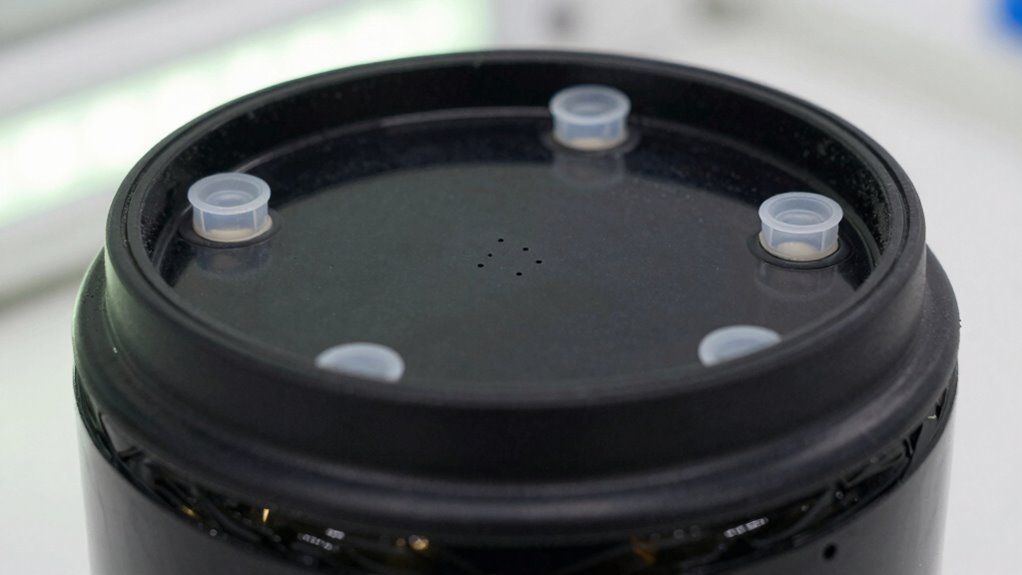
Light leaks into nutrient reservoirs can cause algae growth and disrupt the nutrient balance, ultimately jeopardizing your hydroponic system’s efficiency. When light penetrates into the reservoir, it creates an environment perfect for algae to thrive, which can clog filters, clog roots, and interfere with nutrient uptake. To prevent this, you need to understand how LED light interference and reservoir shading techniques play vital roles in safeguarding your setup.
Prevent algae and nutrient imbalances by blocking light leaks into your hydroponic reservoirs.
LED lights are popular in hydroponics because they’re efficient and customizable, but they can unintentionally shine into your nutrient reservoirs if not properly managed. Even small leaks of LED light can encourage algae growth, so it’s essential to minimize or block this light. Make sure to position LED grow lights carefully, keeping them directed at the plants and away from the reservoirs. Using light shields or reflectors can help redirect or contain the light, preventing spillover into the nutrient containers.
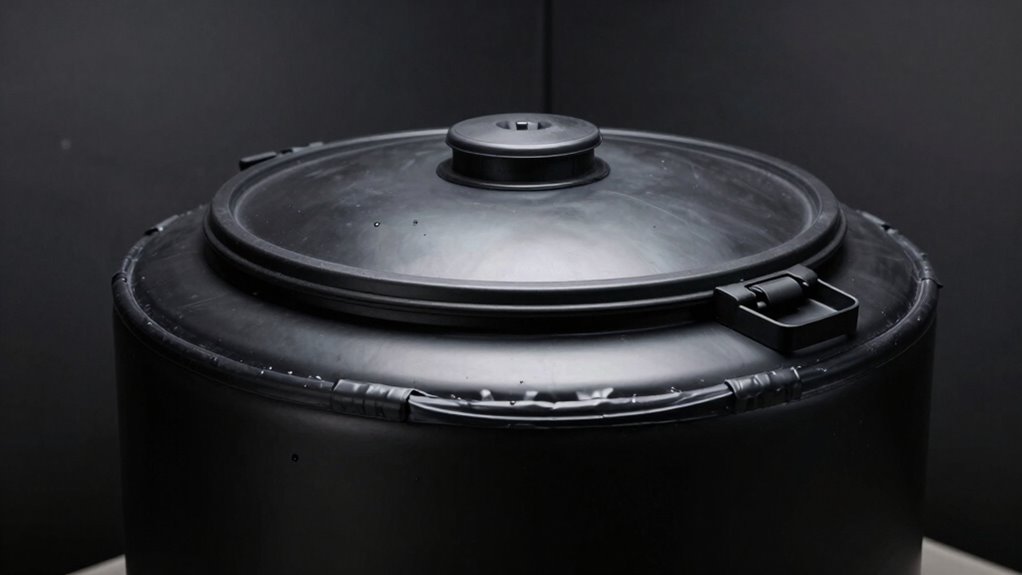
Reservoir shading techniques are your best defense against light leaks. One effective approach is to wrap your nutrient reservoirs with opaque, light-blocking materials such as black plastic or foam insulation. This creates a physical barrier that prevents any ambient or stray LED light from reaching the nutrient solution. You can also enclose the reservoirs in dedicated boxes or cabinets lined with reflective, non-transparent materials. This not only blocks light but also helps maintain a consistent temperature and reduces evaporation. Additionally, understanding the environmental impact of tissue paper can inspire eco-friendly choices in materials you select for shading. Incorporating light-tight enclosures further ensures that stray light does not infiltrate your system.
Another method involves using opaque lids or covers designed specifically for hydroponic reservoirs. These covers fit snugly over your containers, sealing out light and preventing algae from taking hold. When selecting reservoir covers, ensure they’re made from non-porous, light-proof materials. If your system is more modular, you might consider adding additional layers of shading, such as dark cloth or blackout fabric, around the entire setup.
It’s also beneficial to regularly inspect and maintain your reservoirs. Any cracks, gaps, or loose fittings can allow light to seep in. Sealing these with waterproof, opaque sealants will help keep your nutrient solution in darkness. Proper light management is crucial because light leaks can significantly increase the risk of algae proliferation. Remember, consistent shading and light management are key to preventing algae and ensuring your hydroponic system operates smoothly. By combining proper LED light management with effective reservoir shading techniques, you’ll create a controlled environment where your plants can thrive without the interference of unwanted algae or nutrient imbalances.
hydroponic nutrient reservoir light-proof cover
As an affiliate, we earn on qualifying purchases.
As an affiliate, we earn on qualifying purchases.
Frequently Asked Questions
What Types of Lights Are Most Likely to Cause Leaks?
LED lights and UV exposure are most likely to cause leaks. LED contamination can occur if the LEDs emit light outside the targeted spectrum, creating unwanted illumination. UV exposure, from certain bulbs, can penetrate reservoir covers and promote algae growth. To prevent this, you should choose lights with proper shielding, avoid UV lights near reservoirs, and make certain your setup minimizes any stray light that could lead to contamination or leaks.
How Often Should I Inspect for Light Leaks?
You should inspect your nutrient reservoirs regularly to keep everything in check. Typically, a weekly inspection using simple techniques like visual checks and light-proofing tests is enough to catch potential leaks early. Adjust the timing frequency based on your setup’s sensitivity—more frequent inspections might be needed if you notice any changes. Consistent monitoring guarantees your plants stay healthy, and light leaks don’t compromise your nutrient environment.
Are There Any DIY Solutions for Sealing Leaks?
Yes, you can use DIY remedies for sealing leaks. Start with sealing techniques like applying black electrical tape or aluminum foil around vulnerable edges to block light. You might also use silicone sealant or weatherproofing tape for a more durable fix. These DIY solutions are affordable, easy to implement, and effective in preventing light leaks into nutrient reservoirs, ensuring your system stays dark and light-proof.
Can Light Leaks Affect Nutrient Quality?
Yes, light leaks can affect nutrient quality. Light contamination exposes nutrients to unwanted light, leading to nutrient degradation over time. This process reduces the potency and effectiveness of your nutrients, potentially harming plant growth. To prevent this, make sure your reservoirs are well-sealed and opaque. Regularly check for leaks and consider using lightproof covers or DIY solutions like blackout tape to keep light out and preserve nutrient integrity.
What’s the Best Material for Reservoir Light-Proofing?
Opaque, sturdy materials like black PVC or thick, UV-resistant rubber work best for reservoir light-proofing. They offer excellent material durability, ensuring long-term protection against light leaks, while being cost-effective options for most setups. Imagine a fortress guarding precious nutrients—these materials create a seamless barrier that blocks out light effectively. You’ll prevent algae growth and nutrient degradation, maintaining ideal quality without breaking the bank.
blackout material for hydroponic reservoirs
As an affiliate, we earn on qualifying purchases.
As an affiliate, we earn on qualifying purchases.
Conclusion
To keep your nutrient reservoir dark and free from light leaks, always double-check seals and covers, and consider using opaque materials or light-proof tape. Properly managing light prevents algae growth and maintains nutrient quality, ensuring healthy plant roots. Isn’t it worth taking a few extra minutes to protect your setup? By staying vigilant and sealing all openings, you’ll create a ideal environment for your plants to thrive—because a little effort now saves you trouble later.
As an affiliate, we earn on qualifying purchases.
waterproof opaque sealant for reservoirs
As an affiliate, we earn on qualifying purchases.
As an affiliate, we earn on qualifying purchases.
Fall Picks
fall essentials
As an affiliate, we earn on qualifying purchases.