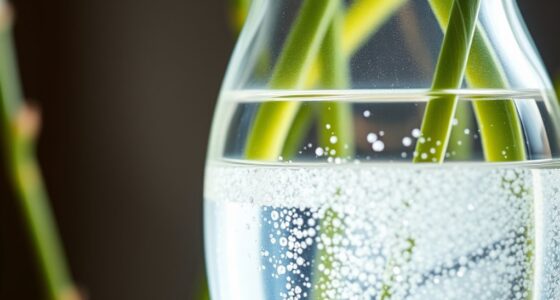

Some hydroponic systems need more oxygen because their roots are submerged or exposed to stagnant water, which limits airflow and risks suffocation or root rot. Systems like deep water culture or nutrient film technique require active aeration to keep roots healthy, while aeroponics naturally provide high oxygen levels through misting. Understanding your system’s design helps you optimize oxygen delivery, and more details can help you improve plant health and yields effectively.

Get the little things that make your day delivered free — and shop member deals
- Fast, free delivery on millions of items
- Access to Prime Big Deal Days deals on October 6–7
- Prime Video, Amazon Music and more included
Key Takeaways
- Systems with submerged or stagnant water, like deep water culture, require higher oxygen levels to prevent root suffocation.
- Aeroponic systems naturally have high oxygen exposure due to roots hanging in air and misting, needing less additional aeration.
- Nutrient Film Technique (NFT) relies on steady flow to maintain oxygen; irregular flow reduces oxygen availability.
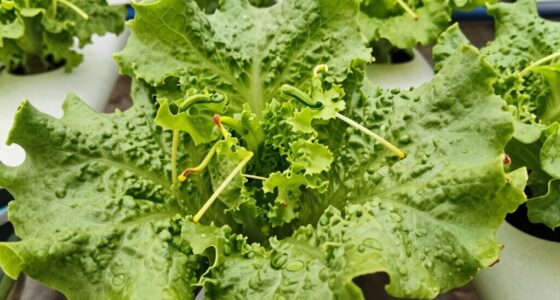
- Root health and nutrient absorption decline in systems with poor oxygenation, especially in waterlogged or low-flow setups.
- Different system designs influence oxygen demand, with more enclosed or submerged systems needing enhanced aeration methods.
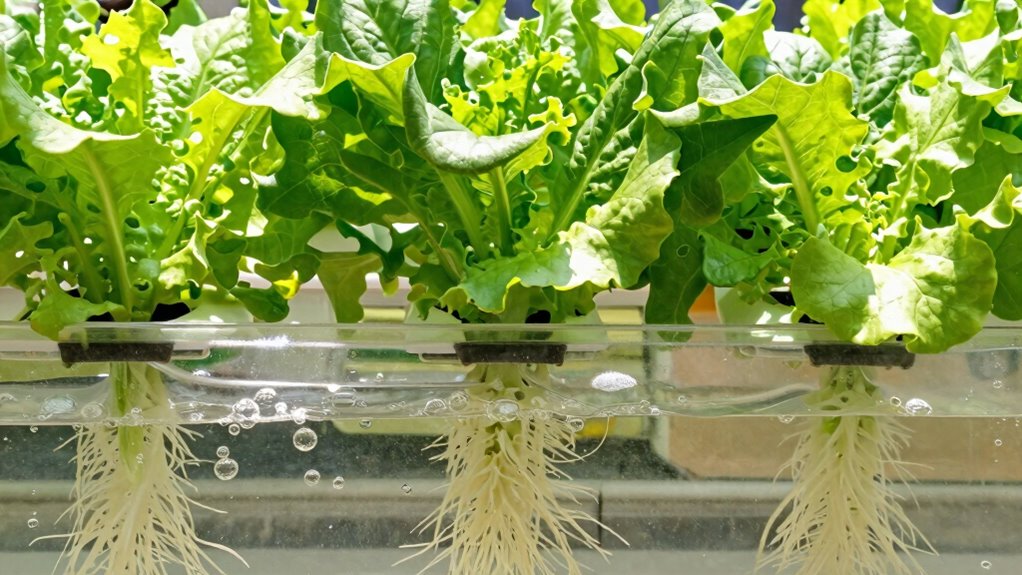
Hydroponic systems rely heavily on oxygen to keep plant roots healthy and promote vigorous growth. Without enough oxygen, roots can become suffocated, leading to poor nutrient absorption and sluggish development. Root oxygenation is essential because it directly influences how efficiently your plants absorb nutrients from the solution. When roots are well-oxygenated, they stay healthy, allowing nutrients to move freely into plant tissues. Conversely, insufficient oxygen causes roots to become stressed, which hampers nutrient uptake and stunts growth.
Healthy roots need ample oxygen to absorb nutrients effectively and promote vigorous plant growth.
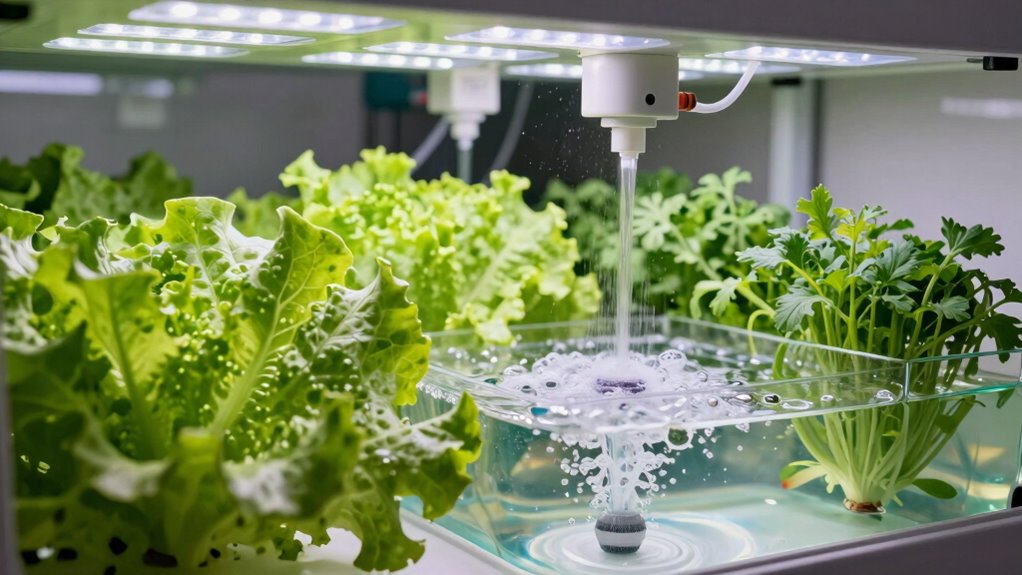
Different hydroponic setups demand varying levels of oxygen depending on their design and the plants’ needs. For instance, deep water culture systems, where roots are submerged in nutrient-rich water, require high oxygen levels since roots are constantly in water. Aeration becomes necessary here; using air stones or diffusers injects oxygen into the water, ensuring roots don’t drown or rot. Without proper oxygenation, these systems can quickly become breeding grounds for pathogens, leading to root diseases that compromise plant health. Ensuring consistent oxygen levels can also help prevent common problems like root rot and promote healthier root development.
On the other hand, nutrient film technique (NFT) systems have a thin film of nutrient solution flowing over roots, which allows for better oxygen exposure. Still, even these setups benefit from supplemental aeration because stagnant water can reduce oxygen levels over time. The key is maintaining a steady flow that maximizes root oxygenation, ensuring nutrients remain accessible while roots stay oxygen-rich. In such systems, oxygen availability directly impacts nutrient uptake efficiency, so optimizing flow rates and oxygen levels becomes essential.
In aeroponic systems, where roots hang in a closed environment and are misted with nutrient solutions, oxygen levels are naturally high because roots are exposed to the air. These systems inherently promote excellent oxygenation, supporting rapid growth and nutrient absorption. However, maintaining consistent misting and avoiding blockages in the delivery system are critical to keep oxygen levels stable.
Ultimately, the oxygen needs of your hydroponic system hinge on its design and the plants you grow. Systems with roots submerged in water or stagnant solutions require more active oxygen delivery methods. Ensuring adequate root oxygenation enhances nutrient uptake, directly translating to healthier plants and better yields. Recognizing these differences helps you tailor your aeration strategies, making sure your plants always have enough oxygen to thrive. Additionally, incorporating proper aeration techniques can prevent common issues like root rot and promote overall plant health.
hydroponic air stones for oxygenation
As an affiliate, we earn on qualifying purchases.
As an affiliate, we earn on qualifying purchases.
Frequently Asked Questions
How Does Water Temperature Affect Oxygen Levels in Hydroponic Systems?
Water temperature directly impacts oxygen levels in your hydroponic system because warmer water holds less oxygen, reducing oxygen solubility. You should guarantee proper water circulation to maintain consistent oxygen levels, especially in warmer conditions. When water heats up, oxygen dissolves less, so increasing circulation helps aerate the solution and keeps roots healthy. Monitoring temperature and promoting good circulation are key to providing the oxygen your plants need for ideal growth.
Can Over-Oxygenation Harm Plant Roots in Hydroponic Setups?
Over-oxygenation can harm your plant roots through oxygen toxicity, leading to root damage or decay. Too much oxygen increases the risk of root rot, as excess oxygen can upset the delicate balance in your hydroponic system. Keep an eye on oxygen levels to prevent this, ensuring your roots get enough without overwhelming them, which protects your plants from both root rot and oxygen toxicity.
What Are the Signs of Oxygen Deficiency in Hydroponic Plants?
Ever noticed your hydroponic plants showing sluggish growth? That’s a sign of oxygen deficiency. You’ll observe poor root respiration, which hampers nutrient uptake, leading to yellowing leaves and weak stems. Roots need oxygen to function properly; without it, they can’t absorb nutrients efficiently. If you see these symptoms, check your oxygen levels—adequate oxygen sustains healthy root respiration and guarantees your plants thrive.
How Often Should Oxygen Levels Be Monitored in Hydroponic Systems?
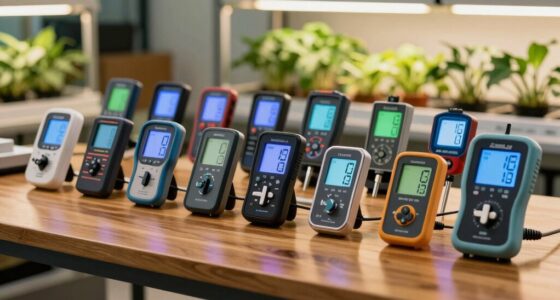
You should monitor oxygen levels daily in your hydroponic system, especially if you’re using aeration techniques or relying on natural oxygen diffusion. Regular checks guarantee your plants receive enough oxygen, preventing deficiencies. Use a dissolved oxygen meter for accuracy, and adjust aeration techniques like air stones or diffusers if levels drop. Consistent monitoring helps maintain ideal root health and promotes vigorous plant growth.
Do Different Plant Species Require Varying Oxygen Concentrations?
Think of plant roots as tiny lungs, each craving different amounts of oxygen for ideal respiration. Some species, like leafy greens, thrive with higher oxygen diffusion rates, while others, such as root vegetables, need less. You can’t treat them all the same, because their root respiration demands vary. By understanding these differences, you guarantee your hydroponic system supplies the perfect oxygen levels, helping each plant reach its full potential.
As an affiliate, we earn on qualifying purchases.
Conclusion
Understanding why some hydroponic systems need more oxygen helps you optimize your setup and boost plant health. Think of oxygen as the breath of life for your roots—without enough, they struggle to thrive, like a plant gasping for air. By tailoring oxygen levels to your system’s needs, you create a lush, thriving garden beneath the surface. Remember, providing the right amount of oxygen is the secret ingredient that turns your hydroponic dream into a flourishing reality.
nutrient film technique NFT flow pump
As an affiliate, we earn on qualifying purchases.
As an affiliate, we earn on qualifying purchases.
As an affiliate, we earn on qualifying purchases.
Halloween Picks
halloween
As an affiliate, we earn on qualifying purchases.