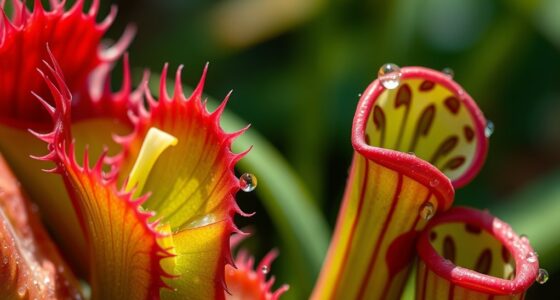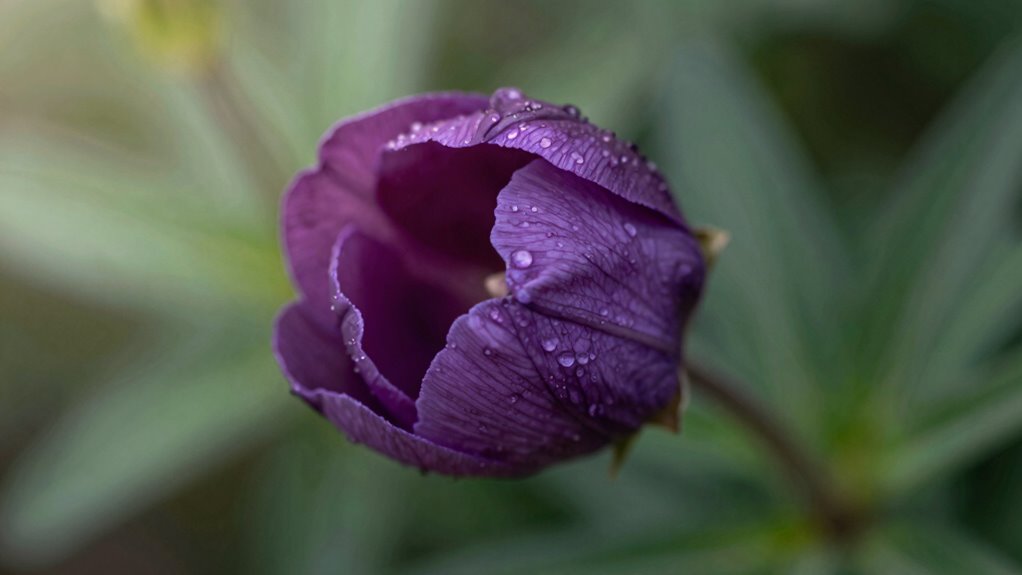

You’ll notice some flowers only opening in the morning or evening because they’ve evolved to match the activity times of their preferred pollinators. Morning bloomers attract daytime insects like bees, while evening ones target nocturnal pollinators such as moths or bats. This timing helps guarantee pollination success and protects reproductive parts from harsh conditions. If you keep exploring, you’ll discover more about the fascinating ways flowers adapt to their environment and pollinators.
Listen free for 30 days with Audible
Thousands of audiobooks and originals — cancel anytime.
As an affiliate, we earn on qualifying purchases.
Key Takeaways
- Flowers open at specific times to align with the activity periods of their preferred pollinators, increasing pollination success.
- Bright colors and pale hues are used to attract daytime or nocturnal pollinators, respectively, depending on opening time.
- Environmental cues like temperature and light influence the timing of flower opening to optimize reproductive chances.
- Timing adaptations protect reproductive structures from harsh weather or predators, enhancing reproductive success.
- Hormonal and physiological signals precisely regulate flower opening times based on internal and external environmental cues.
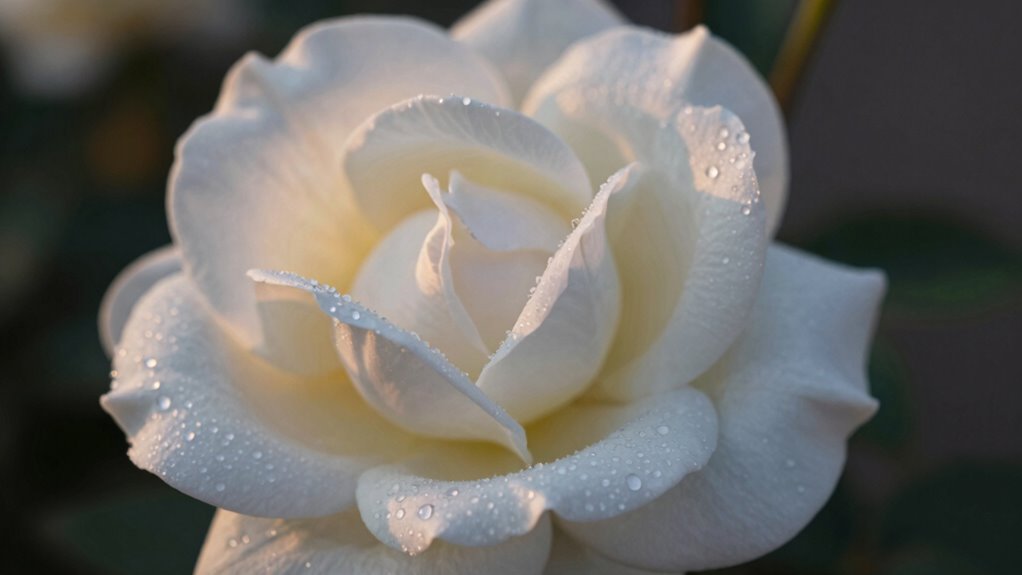
Have you ever wondered why some flowers open in the morning while others bloom in the evening? It’s a fascinating adaptation that helps flowers maximize their chances of reproduction. The timing of when a flower opens isn’t random; it’s carefully tuned to match pollination strategies that suit each plant’s environment and pollinator activity. Morning bloomers often open at dawn, aligning their display with daytime pollinators like bees and butterflies, which are most active then. Conversely, evening bloomers tend to open at dusk or night to attract pollinators such as moths or bats that are active after sunset. So, by opening at different times, flowers can effectively target their most reliable pollinators, increasing their chances of successful pollination.
Pollination strategies play a vital role in this timing. Some flowers rely on visual cues to attract pollinators, and their flower color significance helps determine the best time to open. Bright, vibrant colors like yellow and white are often associated with daytime blooms, as they stand out in the sunlight and attract bees and other daylight pollinators. On the other hand, flowers that bloom in the evening or at night may have pale or white colors, which are more visible in low light and help attract nocturnal pollinators like moths. The flower’s color, combined with its opening time, acts as a visual signal that guides pollinators to the flower when they’re most likely to visit, ensuring efficient pollination. Additionally, the flower opening timing is influenced by environmental cues like temperature and light, which further optimize pollination success. Understanding flower physiology can help explain how certain species precisely regulate their opening times to adapt to their specific environments. This precise regulation can also be linked to iconic plant adaptations, which enhance the plant’s reproductive success against environmental challenges. Some plants also utilize specialized adaptations to protect their reproductive structures from harsh weather or predators during vulnerable times, increasing their reproductive success. Moreover, the ability of flowers to open at specific times is often governed by complex hormonal signals, which respond to environmental stimuli and internal cues.
As an affiliate, we earn on qualifying purchases.
Frequently Asked Questions
Do Flowers Open at Different Times in Different Climates?
Yes, flowers open at different times in different climates. You’ll notice that in warmer climates, some flowers open earlier or stay open longer, influenced by temperature and daylight. Flower color can also change with the time of day, attracting specific pollinators. Nectar production peaks when flowers are open, encouraging pollination. These adaptations help flowers optimize pollination success depending on their environment, climate, and the activity patterns of local pollinators.
Can Flower Opening Times Be Influenced by Environmental Changes?
Yes, flower opening times can be influenced by environmental changes, thanks to their circadian rhythms. You might think these patterns are fixed, but environmental cues like light, temperature, and humidity can trigger shifts in when flowers bloom. By understanding how these cues affect their circadian rhythms, you can appreciate how plants adapt to changing conditions, ensuring they maximize pollination and survival in different environments.
Are There Flowers That Open Only at Night?
Yes, some flowers are night blooming, opening only at night. You’ll notice these flowers, like moonflowers and night-blooming jasmine, bloom specifically during evening hours to attract nocturnal pollinators like moths. Their flower blooming schedule is adapted to cooler temperatures and reduced competition from daytime flowers. If you observe a flower that opens only at night, it’s likely a night-blooming variety designed to maximize pollination success during dark hours.
How Do Flowers Know When to Open or Close?
Flowers know when to open or close through their flower circadian rhythms, which are internal biological clocks synchronized with day and night cycles. These rhythms regulate hormonal signals, like auxins and ethylene, prompting flowers to bloom at specific times. As light levels change, these hormonal signals trigger opening or closing, ensuring flowers attract pollinators when needed and conserve energy during rest periods.
Do Pollinators Prefer Flowers That Open at Specific Times?
Flowers opening at specific times attract pollinator preferences that align with their activity patterns, making flower timing evolution a clever survival tactic. You’ll find that bees prefer morning blooms, while moths favor evening ones. This synchronization boosts pollination success. By opening at particular times, flowers guarantee they’re visited by the right pollinators, maximizing their chances of reproduction—an elegant dance of nature’s timing and pollinator preferences.
As an affiliate, we earn on qualifying purchases.
Conclusion
So, isn’t it fun to think that some flowers just happen to open when we’re most likely to see them? It’s almost like nature’s little coincidence—designed perfectly for our curiosity and admiration. Whether they bloom in the morning or evening, these floral habits remind us that sometimes, timing is everything. Next time you notice a flower, it’s a tiny miracle that it chose just the right moment for you to enjoy its beauty.
pollinator attracting garden lights
As an affiliate, we earn on qualifying purchases.
As an affiliate, we earn on qualifying purchases.
As an affiliate, we earn on qualifying purchases.
NFL season / tailgating Picks
team gear
As an affiliate, we earn on qualifying purchases.