
Young plants need different care than mature ones because their delicate roots and tender tissues are more vulnerable to damage and stress. You should provide gentle, nutrient-rich soil and avoid over-fertilizing, which can burn roots. Maintaining a stable environment with proper humidity and temperature helps them thrive. Regular inspections and pest prevention are vital at this stage. If you want to guarantee healthy growth from the start, understanding these key differences will guide your care strategies.
Key Takeaways
- Young plants have delicate, developing root systems that require gentle, balanced nutrients to avoid damage.
- They are more vulnerable to pests and need preventive organic controls and regular inspections.
- Stable humidity and temperature are crucial to support their fragile growth stage.
- Care routines must be tailored to their specific needs, unlike the more resilient mature plants.
- Proper early care establishes a foundation for healthy, vigorous growth in later stages.

Caring for young plants requires a different approach than tending to mature ones, as their needs are more delicate and specific. When you’re starting with seedlings or newly transplanted plants, you need to pay close attention to soil nutrition. Young plants are particularly vulnerable to nutrient deficiencies because their root systems are still developing. You should guarantee the soil provides a balanced mix of essential nutrients, like nitrogen, phosphorus, and potassium, which support healthy growth. Using a gentle, nutrient-rich compost or a diluted liquid fertilizer can give your young plants a boost without overwhelming them. It’s important not to over-fertilize, as too much can cause root burn or inhibit proper development. Regularly monitoring soil moisture and nutrient levels helps you maintain an ideal environment, encouraging strong, resilient growth from the start. Maintaining proper soil nutrition is crucial during this stage, as it directly impacts the overall health and vigor of your young plants. Pest management is another essential factor in caring for young plants. Seedlings and young plants are more susceptible to pests because their defenses aren’t fully established yet. You might notice tiny insects like aphids or spider mites targeting the tender leaves or stems. To protect your young plants, you should implement preventive measures such as introducing natural predators or using organic pest control methods. Avoid harsh chemicals that could damage delicate tissues or hinder growth. Regular inspection of your plants is critical; early detection allows you to remove pests before they multiply and cause significant harm. Covering plants with fine mesh or row covers can also help prevent pests from reaching your seedlings in the first place. Remember, healthy plants are more resistant to pests, so maintaining proper soil nutrition and avoiding stressors helps bolster their defenses. Additionally, understanding plant vulnerability can help you tailor your care routines more effectively to prevent common issues. Recognizing the specific needs of young plants enables you to adapt your watering, light, and nutrient strategies accordingly. Providing a stable environment that supports their initial development is vital, including proper humidity and temperature control. Young plants thrive when you provide a stable environment that supports their initial development. This means paying close attention to soil nutrition and pest management, especially during their vulnerable early stages. You can’t treat them the same way you do mature plants, which are more resilient and better equipped to handle challenges. Instead, you act proactively, adjusting your care routines to suit their delicate needs. Providing the right balance of nutrients and keeping pests at bay helps guarantee your young plants grow strong and healthy. Understanding plant growth stages can help you better tailor your gardening techniques to each phase of development. Over time, with consistent care, they will develop into mature, vigorous plants capable of thriving in their environment. Your early efforts lay the foundation for a healthy, productive garden, making it worth the extra attention and care during this indispensable phase.

Brut Cow Compost – Nutrient-Rich Composted Cow Manure Organic Soil Amendment – 100% Pure Compost, Additive-Free Fertilizer for Vegetable Gardens, Flowers, Lawns & Indoor Plants – 10 Quart
- Nutrient-Rich Composition: Contains nitrogen, calcium, and iron
- Pure Compost Material: Made from thoroughly composted cow manure
- Odor-Free and Safe: No odor, gentle on plant roots
As an affiliate, we earn on qualifying purchases.
As an affiliate, we earn on qualifying purchases.
Frequently Asked Questions
How Often Should Young Plants Be Watered Compared to Mature Plants?
You should water young plants more frequently than mature ones, typically every 1-3 days, to support root development and prevent drying out. Young plants need consistent moisture to establish strong roots, which also benefits soil aeration by avoiding compacted, waterlogged soil. As they grow, you can gradually reduce watering frequency. Always check soil moisture to guarantee you’re providing the right amount without overwatering, which can hinder root growth.
What Specific Nutrients Do Young Plants Require for Healthy Growth?
You should provide young plants with nitrogen, phosphorus, and potassium for healthy growth. These nutrients support root development and overall vigor. Notably, soil amendments rich in organic matter boost nutrient absorption, promoting strong roots. Young plants need more phosphorus to develop sturdy root systems, helping them withstand stress. Ensuring they get the right nutrients encourages vigorous growth and sets a solid foundation for mature plants.
Can Young Plants Tolerate the Same Sunlight Levels as Mature Plants?
Young plants are usually more sensitive to sunlight, so they can’t tolerate the same levels as mature plants. Their sunlight sensitivity means too much direct sunlight can cause stress or damage. You should provide them with filtered or partial sunlight to support their photosynthesis requirements without overwhelming them. As they grow stronger, gradually increase their exposure, allowing them to adapt and thrive under full sunlight conditions.
When Should I Start Pruning Young Plants?
You should start pruning your young plants once they develop sturdy root systems and healthy leaves. Imagine their roots anchoring deep into the soil, ready to support new growth. Carefully prune leaves to encourage airflow and prevent disease, but avoid over-pruning early on. This balance helps shape the plant without stressing it, fostering strong development as roots grow and leaves mature. Patience now guarantees a thriving, resilient plant later.
How Do I Protect Young Plants From Pests Effectively?
You can protect young plants from pests by choosing pest-resistant varieties and applying natural pest deterrents like neem oil or insecticidal soap. Regularly inspect your plants for early signs of pests, and remove any affected leaves promptly. Keep your garden clean to reduce hiding spots. Using companion planting can also help deter pests naturally, creating a healthier environment for your young plants to grow strong and resilient.
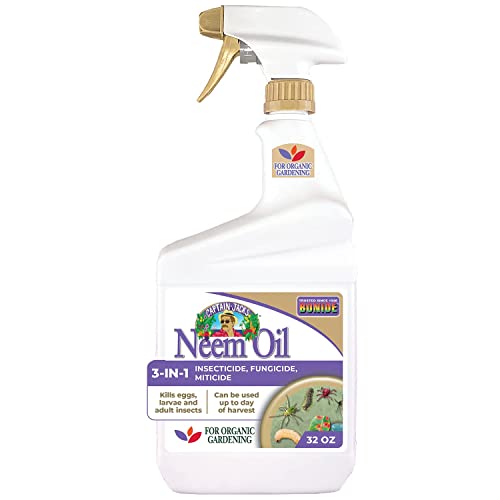
Bonide Captain Jack's Neem Oil, 32 oz Ready-to-Use Spray, Multi-Purpose Fungicide, Insecticide and Miticide for Organic Gardening
- Multi-Purpose Pest Control: Fungicide, miticide, and insecticide
- Ready-to-Use Spray: Convenient, easy to apply, harvest-ready
- Kills All Insect Stages: Eggs, larvae, and adults
As an affiliate, we earn on qualifying purchases.
As an affiliate, we earn on qualifying purchases.
Conclusion
So, next time you’re tempted to treat your young plants like their mature counterparts, remember: they’re basically the plant version of teenagers—demanding, unpredictable, and in dire need of special attention. Skip the extra care, and they’ll probably throw a fit or grow up all wonky. But give them what they need now, and they’ll thank you with lush, healthy growth—proving that even plants know the value of a little TLC in their awkward phase.

Antonki 2 Pack Room Thermometer Indoor Hygrometer
- Pack of Two for Monitoring: Includes two hygrometer thermometers
- Wide Temperature Range: -58°F to 158°F (-50°C to 70°C)
- High Humidity Range: 10% to 99% RH
As an affiliate, we earn on qualifying purchases.
As an affiliate, we earn on qualifying purchases.

Ultra Fine Garden Netting, 4'x10' Plant Netting Pest Barrier for Garden Protection Row Cover Raised Bed Screen Mesh Greenhouse Mosquito Net, Protecting Tree Plants Vegetable Flowers Fruits
- Garden Pest Barrier: Protects plants from insects and birds
- Versatile Garden Use: Suitable for raised beds, greenhouses, and outdoor gardens
- Mosquito Protection: Prevents mosquito bites while enjoying your garden
As an affiliate, we earn on qualifying purchases.
As an affiliate, we earn on qualifying purchases.