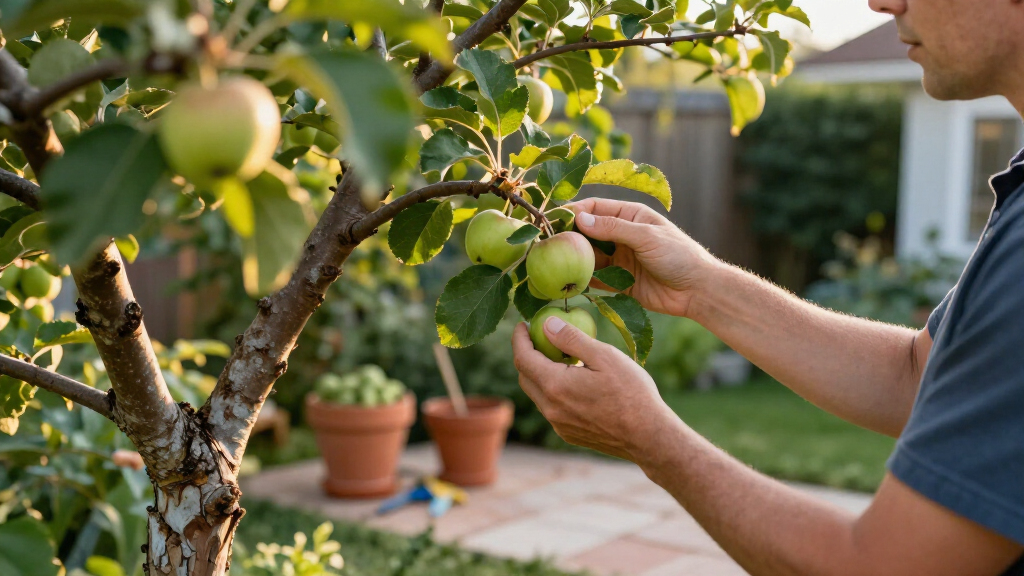

The best fruit trees for gardens depend on your space, climate, and willingness to grow from seed. My best overall pick is Mixrug 1,502 Mixed Organic Fruit Seeds for gardeners who want the broadest variety to experiment with, while 30 Heirloom Meyer Lemon Seeds stand out for warm, sunny spaces and Grow a Little Fruit Tree offers practical help for keeping established trees small. The main tradeoff is that seeds offer variety but can take years to fruit and may not grow true to the parent, while a gardening book helps with planning but cannot supply a tree. Read on for how these options compare and which makes sense for your garden.

Get the little things that make your day delivered free with Prime
- Fast, free delivery on millions of items
- Prime Video, Amazon Music and more included
- Member-only deals all year
Key Takeaways
- The broadest seed mix is not the fastest route to fruit. Mixrug’s 1,502-seed assortment offers variety, but seed-grown trees can take years to mature and may differ from the parent plant.
- Specialized choices make more sense when the growing conditions fit. Meyer lemon seeds suit gardeners with warmth, sun, and a plan for cold weather; they are less forgiving outdoors in chilly regions.
- Small gardens need pruning knowledge as much as tree choices. Grow a Little Fruit Tree focuses on size management and harvest access, filling a gap the seed packs do not address.
- Seed counts do not tell the whole value story. The 430-plus and 160-piece mixed packs differ in count and stated fruit selection, but neither count guarantees viable seedlings or mature fruit.
- Books and seeds solve different problems. Texas Fruit & Vegetable Gardening supports region-specific planning, while the product seed packs provide planting material without the same local guidance.
| Mixrug 1,502 Mixed Organic Fruit Seeds, 6 Varieties |  | Best for Variety in a Small Garden | Brand: Mixrug | Total seed count: 1,502+ | Varieties: Strawberries, mulberries, cranberries, blueberries, cherries, and raspberries | VIEW LATEST PRICE | See Our Full Breakdown |
| 35+ Common Pear Tree Seeds for Outdoor Planting |  | Best for Pear-Focused Gardeners | Seed count: 35+ | Plant type: Common pear tree | Intended use: Outdoor planting | VIEW LATEST PRICE | See Our Full Breakdown |
| 30 Heirloom Meyer Lemon Seeds |  | Best for Warm-Climate Citrus Growers | Quantity: 30 seeds | Brand: BULBORIUM | Manufacturer: AMERICAN GROWN SEED CO INC | VIEW LATEST PRICE | See Our Full Breakdown |
| Grow a Little Fruit Tree: Simple Pruning Techniques for Small-Space, Easy-Harvest Fruit Trees |  | Best for Small-Space Tree Planning | Format: Book | Subject: Pruning fruit trees | Focus: Small-space growing and easier harvest | VIEW LATEST PRICE | See Our Full Breakdown |
| Mixrug Mixed Fruit Seeds Variety Pack, 430+ Seeds |  | Best for Unusual Fruit Variety | Brand: Mixrug | Seed count: 430+ | Seed varieties: Grape, apple, kiwi, jackfruit, mulberry, and cherry | VIEW LATEST PRICE | See Our Full Breakdown |
| Mixrug Dwarf Bonsai Fruit Tree Seeds, 5 Varieties, 180+ Seeds |  | Best for Indoor Variety | Seed varieties: Apple, lemon, orange, blueberry, and cherry | Seed quantity: 180+ total | Quantity by variety: 40+ apple, 40+ lemon, 40+ orange, 20+ blueberry, and 40+ cherry | VIEW LATEST PRICE | See Our Full Breakdown |
| Texas Fruit & Vegetable Gardening, 2nd Edition |  | Best Regional Growing Guide | Edition: 2nd Edition | Subject: Fruit and vegetable gardening | Regional focus: Texas | VIEW LATEST PRICE | See Our Full Breakdown |
| Mix Fruit Seeds Pack for Planting – 160 pcs Lemon, Orange, Apple, Blueberry & Cherry – Non-GMO Heirloom Sweet Edible Fruit Trees |  | Best for Small-Garden Variety | Seed count: 160 | Seed varieties: Lemon, orange, apple, blueberry, and cherry | Indoor/outdoor use: Indoor and outdoor | VIEW LATEST PRICE | See Our Full Breakdown |
| Mixrug Organic Peach Tree Seeds, 5 Count |  | Best for Patient Peach Growers | Seed count: 5 | USDA hardiness zones: 5–7 | Germination rate: 50–70% | VIEW LATEST PRICE | See Our Full Breakdown |
| fruit trees for garden | Sunlight |
|---|---|
| Mixrug 1,502 Mixed Organic Fru | Full sun |
| 35+ Common Pear Tree Seeds for | Full sun |
| 30 Heirloom Meyer Lemon Seeds | Full sun |
| Grow a Little Fruit Tree: Simp | — |
| Mixrug Mixed Fruit Seeds Varie | Full sun |
| Mixrug Dwarf Bonsai Fruit Tree | Full sun |
| Texas Fruit & Vegetable Garden | — |
| Mix Fruit Seeds Pack for Plant | Full sun |
| Mixrug Organic Peach Tree Seed | Full sun |
More Details on Our Top Picks
Mixrug 1,502 Mixed Organic Fruit Seeds, 6 Varieties
I’d choose this pack for gardeners who want to experiment with several kinds of fruit rather than commit to one tree. Its six separately packed varieties—strawberries, mulberries, cranberries, blueberries, cherries, and raspberries—offer more range than the Mixrug Mixed Fruit Seeds Variety Pack, 430+ Seeds, which swaps in grape, apple, kiwi, and jackfruit. Container and indoor/outdoor use are listed, giving growers options where a conventional orchard tree would be impractical. The tradeoff is that seed counts are uneven: there are only 20 cherry seeds, while the other packets contain 200 to 400 each. I’d also treat the zone guidance cautiously because the description says zones 3–9 while product information lists zone 10. This is a varied starting point, not a predictable harvest plan.
Pros:- Six fruit varieties arrive in separate packets.
- Listed for indoor, outdoor, and container growing.
- Includes a wide range of seed counts across berry varieties.
- Product information identifies the seeds as certified organic, non-GMO, and heirloom.
Cons:- Hardiness information conflicts between zones 3–9 and zone 10.
- The cherry packet contains only 20 seeds, far fewer than most other varieties.
- Growing needs and harvest timing will differ across the six varieties.
Best for: Gardeners with room for several small fruit-growing experiments, including container growers who want a mix of berry and fruit varieties.
Not ideal for: Buyers seeking a specific tree variety, reliable harvest timing, or clear hardiness guidance; the zone information conflicts and the cherry packet is relatively small.
- Brand:Mixrug
- Total seed count:1,502+
- Varieties:Strawberries, mulberries, cranberries, blueberries, cherries, and raspberries
- Seed quantities:400 strawberry, 300 mulberry, 200 cranberry, 200 blueberry, 20 cherry, 300 raspberry
- Growing use:Indoor and outdoor; containers listed
- USDA hardiness zones:Description: 3–9; product information: 10
- Sunlight:Full sun
- Seed features:Certified organic, non-GMO, heirloom
Our verdict“Choose this pack if variety matters more than uniform seed counts or a straightforward, single-tree growing plan.”
35+ Common Pear Tree Seeds for Outdoor Planting
This is the most focused option in the group: rather than scattering effort across many species, it gives pear growers 35+ seeds and basic outdoor care guidance. The instructions point to full sun, fertile well-drained soil, steady moisture, and late-winter pruning, which makes the growing plan clearer than the broad Mixrug seed assortments. The central tradeoff is pollination. The listing recommends a compatible partner such as LeConte or Orient for strong fruit production, so a single planting may not meet a buyer’s goal. Seeds also require more patience and uncertainty than starting with an established tree. I’d pick this over the 30 Heirloom Meyer Lemon Seeds only for someone committed to pears and able to plan for pollination; it is not the better fit for a compact, warm-climate citrus project.
Pros:- Provides 35+ seeds for a pear-focused planting.
- Includes outdoor guidance for sun, soil, moisture, and pruning.
- GMO-free seed feature is listed.
- Names compatible pollinator examples, LeConte and Orient.
Cons:- A compatible pollinator is recommended for optimal fruit production.
- Seed-grown trees require patience and may not offer predictable results.
- No USDA hardiness range or specific harvest timeline is provided.
Best for: Outdoor gardeners who specifically want to grow pears and can make room for a compatible pollinator.
Not ideal for: Growers with space for only one tree, or buyers who want a quicker, simpler route to fruit without managing pollination.
- Seed count:35+
- Plant type:Common pear tree
- Intended use:Outdoor planting
- Sunlight:Full sun
- Soil preference:Well-drained, loamy soil
- Material feature:GMO-free
- Pollination:Compatible pollinator recommended, such as LeConte or Orient
Our verdict“Pick these seeds if pears are your priority and your garden can accommodate a compatible pollinator.”
30 Heirloom Meyer Lemon Seeds
I’d shortlist these seeds for gardeners who want Meyer lemons and live in a warm growing region. The listed range of USDA Zones 8–11 gives this pick a clearer climate target than the common pear seeds, which provide no hardiness range. It also includes a specific germination sequence: soak for 24 hours, cold stratify for two months, then sow in moist soil at 75°F. That detail helps a careful seed starter follow a plan, but the preparation is a real commitment, and warmth and humidity are needed. The option is described as suitable for bonsai, a different goal from the larger fruit assortment in the Mixrug 1,502 Mixed Organic Fruit Seeds. I’d choose it for a focused citrus project, not for an easy, immediate fruit harvest.
Pros:- Lists a specific outdoor range of USDA Zones 8–11.
- Provides a step-by-step germination procedure.
- Can also be grown as a bonsai plant.
- Includes 30 seeds for a dedicated Meyer lemon project.
Cons:- Germination preparation includes two months of cold stratification.
- Warmth and humidity are required for the recommended process.
- Outdoor suitability is limited to the listed warm-climate zones.
Best for: Warm-climate gardeners who want to raise Meyer lemon plants from seed and are comfortable following a staged germination process.
Not ideal for: Gardeners outside the listed zones who cannot provide warmth and humidity, or anyone seeking a low-preparation path to fruit.
- Quantity:30 seeds
- Brand:BULBORIUM
- Manufacturer:AMERICAN GROWN SEED CO INC
- Growing zones:USDA Zones 8–11
- Sunlight:Full sun
- Growing use:Outdoor; bonsai cultivation also described
- Germination guidance:Soak 24 hours, cold stratify two months, sow ¼ inch deep at 75°F
- Expected germination time:2–3 weeks after sowing
Our verdict“Choose these if you want a warm-climate Meyer lemon project and are willing to invest time in seed preparation.”
Grow a Little Fruit Tree: Simple Pruning Techniques for Small-Space, Easy-Harvest Fruit Trees
This book takes a different route from the seed packs: instead of supplying plants, it focuses on pruning fruit trees for small spaces and easier harvesting. That makes it the most relevant choice here for someone who already has a tree—or plans to buy one—and wants to manage its size and access to fruit. Compared with the Mixrug 1,502 Mixed Organic Fruit Seeds, it offers no assortment to sow, but its subject is more directly tied to keeping fruit trees workable in a compact garden. The limitation is the sparse product information provided: there are no details on edition contents, tree types covered, or specific pruning methods. I’d treat it as a practical gardening guide, not a substitute for selecting a species suited to local climate and garden conditions.
Pros:- Focuses on pruning fruit trees for small spaces.
- Addresses easier access to fruit at harvest.
- Useful as a planning companion rather than another mixed-seed assortment.
Cons:- Does not include seeds or a live tree.
- Available product information does not identify the tree species or pruning methods covered.
- No edition or other detailed contents information is provided.
Best for: Gardeners with a small yard or an existing fruit tree who want guidance on pruning for manageable size and easier harvesting.
Not ideal for: Buyers looking for seeds, a live tree, or confirmed guidance for a particular fruit species; the supplied product details do not specify its coverage.
- Format:Book
- Subject:Pruning fruit trees
- Focus:Small-space growing and easier harvest
- ASIN:1612120547
- Seeds or plant included:No planting material specified
- Specific species coverage:Not provided in the available product details
Our verdict“Choose this guide if your main challenge is keeping a fruit tree compact and accessible, rather than sourcing planting material.”
Mixrug Mixed Fruit Seeds Variety Pack, 430+ Seeds
This pack suits gardeners who want to experiment with a broad, less conventional mix: grape, apple, kiwi, jackfruit, mulberry, and cherry. Its 430+ seeds give it a larger stated total than the Meyer lemon pack, while the Mixrug 1,502-seed assortment offers more seeds overall and leans more heavily on berries. The zone range of USDA 3–8 gives buyers a useful starting point, but the inclusion of several different fruit types means one set of care assumptions will not suit every packet. The description provides no variety-specific germination rates or growing instructions, so I’d expect to research each crop separately rather than follow a single reliable schedule. This is an exploratory assortment, not a simple route to a coordinated home orchard.
Pros:- Includes six fruit varieties, including grape, apple, kiwi, and jackfruit.
- Provides 430+ seeds in one assortment.
- Lists indoor and outdoor planting use.
- Specifies a planting period from spring to fall and USDA Zones 3–8.
Cons:- Growing conditions differ across the included fruit varieties.
- No germination rates or variety-specific care instructions are provided.
- The assortment does not give a clear harvest timeline for its different seeds.
Best for: Curious gardeners who want to try several fruit types, have room to research different growing needs, and are comfortable with variable results.
Not ideal for: Beginners who want clear, variety-specific care directions or buyers who need predictable outcomes from every packet.
- Brand:Mixrug
- Seed count:430+
- Seed varieties:Grape, apple, kiwi, jackfruit, mulberry, and cherry
- Sunlight:Full sun
- Growing use:Indoor and outdoor
- Planting period:Spring to fall
- USDA hardiness zones:3–8
- Material features:GMO-free, heirloom
Our verdict“Pick this pack if you value unusual variety and are prepared to research each fruit type’s growing needs.”
Mixrug Dwarf Bonsai Fruit Tree Seeds, 5 Varieties, 180+ Seeds
I’d choose this pack for gardeners who want to experiment with several fruit types in containers rather than commit to one tree. It includes five varieties—apple, lemon, orange, blueberry, and cherry—with 180+ seeds split into separate packs, giving beginners more chances to try different starts. Compared with Mix Fruit Seeds Pack for Planting, this listing specifies the quantities for each variety and calls out organic, non-GMO heirloom seeds. The tradeoff is that a mixed seed collection isn’t a ready-made bonsai or a promise of compact mature trees; each kind can have distinct climate and care needs. Full sun and regular watering also mean indoor growing still requires a bright spot and attentive care. I’d skip it if you want a single, clearly tailored tree with predictable fruiting.
Pros:- Five separate fruit varieties provide a broad starting selection
- 180+ seeds with listed quantities for each variety
- Organic, non-GMO, heirloom material
- Intended for indoor or outdoor container growing
Cons:- Different fruit varieties can require different growing conditions and care
- Regular watering and full sun call for ongoing attention
- Growing from seed does not guarantee compact size or a quick harvest
Best for: Container gardeners who want to try several fruit varieties from seed and can give them a sunny, regularly watered growing area
Not ideal for: Buyers seeking a guaranteed dwarf tree, a single variety with straightforward care, or fruit soon after planting
- Seed varieties:Apple, lemon, orange, blueberry, and cherry
- Seed quantity:180+ total
- Quantity by variety:40+ apple, 40+ lemon, 40+ orange, 20+ blueberry, and 40+ cherry
- Growing use:Indoor and outdoor
- Sunlight:Full sun
- Planting period:Summer
- Listed USDA hardiness zone:8
- Material features:Organic, non-GMO, heirloom
Our verdict“Pick this pack if you want a sunny container-growing project with five fruit varieties, not a predictable, ready-to-fruit bonsai tree.”
Texas Fruit & Vegetable Gardening, 2nd Edition
For a Texas gardener choosing fruit trees, local growing guidance can be more useful than another packet of seeds. This book focuses on Texas conditions and covers planting, growing, and harvesting edible crops, so it serves as a planning companion rather than a direct source of trees. Compared with the seed collections in this roundup, such as Mixrug Dwarf Bonsai Fruit Tree Seeds, it offers regional context instead of multiple varieties to sow. That distinction makes it a sensible pick for readers who want help shaping a garden plan around their location. The limitation is equally clear: the available details don’t specify which fruit trees, techniques, or regional subareas receive the most attention. Gardeners outside Texas may find the geographic focus less useful, and anyone seeking seeds or a compact-tree pruning manual should choose another kind of product.
Pros:- Focused on Texas gardening conditions
- Covers planting, growing, and harvesting
- Can support garden planning across edible crops rather than a single seed variety
Cons:- Does not provide seeds or a live fruit tree
- Regional focus may be less relevant outside Texas
- Available product details do not identify specific fruit-tree topics or techniques
Best for: Texas gardeners planning edible plantings who want a regional guide covering crop growing from planting through harvest
Not ideal for: Gardeners outside Texas, or buyers who need fruit tree seeds, a tree itself, or detailed small-space pruning instruction
- Edition:2nd Edition
- Subject:Fruit and vegetable gardening
- Regional focus:Texas
- Coverage:Planting, growing, and harvesting edible crops
Our verdict“Choose this guide if you garden in Texas and want regional edible-crop advice rather than seeds or a live tree.”
Mix Fruit Seeds Pack for Planting – 160 pcs Lemon, Orange, Apple, Blueberry & Cherry – Non-GMO Heirloom Sweet Edible Fruit Trees
This is the more compactly specified choice for gardeners who want a five-fruit mix and a stated total of 160 seeds. Lemon, orange, apple, blueberry, and cherry cover a wider range of fruit types than the focused Mixrug Organic Peach Tree Seeds, while the listing identifies indoor and outdoor use and full-sun exposure. Its stated USDA zones 3–8 offer a useful starting point for matching the pack to a garden, though that range does not mean every included variety will suit every site within it. The listing also describes the trees as dwarf and container-friendly, but starting from seed still asks for patience: trees may take several years to produce harvestable fruit. I’d favor this over the 180+ seed Mixrug pack when a defined 160-seed count and a stated zone range matter more than a larger total.
Pros:- Five fruit varieties in one pack
- Stated 160-seed count
- Listed for indoor and outdoor growing with container use described
- Heirloom and GMO-free material
Cons:- Seed-grown trees may take several years to produce fruit
- The listed USDA zone range excludes gardens outside zones 3–8
- Varieties in a mixed pack may not share identical growing needs
Best for: Small-garden and patio growers who want to start several fruit varieties in containers and can wait for seed-grown plants to mature
Not ideal for: Gardeners needing fruit quickly, those outside the listed USDA zones 3–8, or buyers who want a single variety with one care routine
- Seed count:160
- Seed varieties:Lemon, orange, apple, blueberry, and cherry
- Indoor/outdoor use:Indoor and outdoor
- Sunlight:Full sun
- Planting period:Spring to fall
- Listed USDA hardiness zones:3–8
- Material features:GMO-free, heirloom
- Brand:Mixrug
Our verdict“Choose this pack for a defined-count, five-variety container project if you can match the seeds to your climate and wait for fruit.”
Mixrug Organic Peach Tree Seeds, 5 Count
Unlike the mixed packs elsewhere in this roundup, this option keeps the project focused on peach trees. The five organic, non-GMO heirloom seeds suit gardeners in the listed USDA zones 5–7 who want to grow one fruit type and can follow a deliberate seed-preparation schedule. Each seed needs a 24-hour soak followed by 90–120 days of cold stratification before sowing, making this a more involved start than the mixed Mixrug packs, which don’t list that preparation requirement. The stated germination rate of 50–70% also means five seeds may yield fewer than five seedlings. Full sun and well-drained soil give buyers clear growing preferences, but the zone range narrows its fit. I’d pass if you want a fast, low-effort start or a broader selection of fruit.
Pros:- Focused on edible peach trees
- Organic, non-GMO, heirloom seeds
- Includes seed preparation and sowing guidance
- Peach blossoms are listed as attractive to pollinators
Cons:- Requires 90–120 days of cold stratification after soaking
- Listed germination rate is 50–70%, so not every seed may sprout
- Listed hardiness range is limited to USDA zones 5–7
Best for: Gardeners in USDA zones 5–7 who specifically want to grow peaches from seed and are prepared to stratify them before planting
Not ideal for: Impatient growers, gardeners outside zones 5–7, or buyers who want an easier mixed-variety seed pack
- Seed count:5
- USDA hardiness zones:5–7
- Germination rate:50–70%
- Sunlight:Full sun
- Soil:Well-drained; sandy soil listed
- Seed preparation:Soak for 24 hours; cold stratify for 90–120 days
- Sowing depth:1 inch
- Features:Organic, non-GMO, heirloom; attracts pollinators
Our verdict“Choose these seeds if peaches are your priority and you can handle the lengthy stratification process within the listed zones.”

How We Picked
I compared these nine options by how directly they help a gardener establish productive fruit trees: what they provide, how clearly they fit a garden type, and what knowledge or follow-up work they require. For seed products, I weighed stated variety, quantity, and specialization against the long timeline and uncertainty associated with seed-grown fruit. For the two books, I considered whether their focus helps with practical choices such as regional growing and managing tree size.
The ranking favors usefulness to a broad range of garden owners, not seed count alone. Mixrug’s 1,502-seed assortment leads for its breadth, while the Meyer lemon seeds rank as a stronger targeted pick for suitable climates. The pruning book earns a place near the top because small-space management is a real constraint, even though it is not planting stock. The remaining options rank lower when their narrower focus, less detailed stated selection, or mismatch between a general garden goal and their format limits their usefulness. These are seed packs and books, not established nursery trees; I treat that distinction as a central buying factor.
Factors to Consider When Choosing Best Fruit Trees For Gardens
Before choosing from this list, decide whether you want planting material, a plan, or both. A seed packet can be an affordable way to experiment, but it is not equivalent to a named, established fruit-tree variety. Use these checks to match the product format to your garden and expectations.
Decide Whether Seeds Fit Your Timeline
Seed-grown fruit trees often take several years to reach fruiting age, and some may never produce fruit that matches what you expect from the named type. If you want a reliable harvest sooner, compare seed packs with grafted nursery trees suited to your region. Seeds make more sense when you enjoy raising plants, can accept uncertainty, or want to test several kinds without committing garden space to every seedling. A common mistake is to sow every seed before learning how many seedlings can be grown on. Start a manageable number and keep only the healthiest plants as they develop. Treat a packet’s stated count as planting opportunity, not a promise of mature trees or fruit.
Match the Tree to Your Climate and Season
Winter lows, summer heat, humidity, and the length of your growing season all affect fruit-tree success. A Meyer lemon is a different proposition from a pear or peach: citrus may need frost protection or an indoor winter plan in colder areas. Check local extension guidance for chill-hour needs, heat tolerance, and disease pressure before sowing or buying. Do not assume a seed labeled for outdoor planting will thrive in every outdoor garden. Your microclimate matters too; a sheltered sunny wall can help, while a low spot that collects frost can set a tree back. If your climate falls outside a plant’s usual range, plan for containers or choose a better-adapted species.
Measure the Mature Canopy, Not Just the Seedling
A young fruit tree may look easy to fit, but its mature roots, branches, and need for sunlight shape where it belongs. Measure the planting area and check recommended spacing before starting seeds that could become large trees. Dwarfing rootstocks and trained forms can make fruit growing more practical in small gardens, but these are usually choices made when purchasing nursery stock rather than a predictable outcome of seed growing. Consider nearby fences, paths, utilities, and other trees, as well as room to reach fruit for pruning and harvest. Crowding trees to fit more varieties often reduces airflow and light, raising maintenance and disease challenges. For a tight space, prioritize a deliberately compact tree or a training plan over a large mixed seed assortment.
Look Beyond the Number of Seeds
Seed counts can make mixed packs appear easy to compare, but they do not indicate germination rates, the eventual size of the trees, or how much of each fruit type is included. Read the stated variety list and packet details carefully, especially when a product combines several fruits. Ask whether the seller provides clear sowing instructions, storage guidance, or information about seed origin; missing detail means you may need to research each species separately. Mixed assortments can be fun for experimentation, but they may leave you with seedlings that need different temperatures, seasons, or care. If you want a particular harvest, a focused option is easier to plan around than an assortment with uncertain results. Buy for the plants you can actually grow, not just the largest number on the label.
Budget for Pollination and Ongoing Care
Some fruit trees set better crops with a compatible pollinating partner, while others can produce fruit on their own; requirements vary by species and cultivar. Before planting, check whether a tree needs another variety blooming at the same time and whether a nearby garden can provide one. Also plan for pruning, watering during establishment, pest monitoring, and seasonal cleanup. These jobs are easy to overlook when choosing a seed pack, yet they can determine whether a tree remains healthy and accessible. A pruning guide can help you understand training choices, but it does not replace advice specific to a species or local climate. Factor in the space and time for care before committing to several seedlings.
Choose Between Planting Stock and Garden Guidance
Seeds provide a starting point, while books provide information; neither format does both jobs on its own. A regional gardening guide can help you shortlist fruit types and plan around local conditions, but a Texas-focused book may be less useful elsewhere. A small-tree pruning book addresses management and harvest access, but it will not tell you that every seed-grown tree can be kept compact. If you are new to fruit growing, pair reliable local guidance with a carefully selected plant rather than relying on a broad seed mix to answer every question. Gardeners who already know their climate and have room to experiment may prefer the seed assortments. Spend more on guidance when local conditions or limited space make a poor planting decision costly.
Frequently Asked Questions
Will fruit trees grown from these seeds produce fruit like the fruit listed on the packet?
Not necessarily. Seed-grown trees can differ from the parent plant, especially when the original variety was selected or maintained through grafting. They may also take several years to fruit, so a seed label should not be treated as a guarantee of a specific harvest. If matching a named variety matters, look for a grafted tree from a nursery and confirm its pollination needs. Seeds are a better fit when you are comfortable with variation and enjoy the growing process.
Which option makes the most sense for a small garden or patio?
For limited space, start with a plan for mature size rather than choosing by seed count. Grow a Little Fruit Tree can help with pruning and keeping an established tree manageable, but it does not turn an unspecified seedling into a dwarf tree. A container-grown, appropriately compact nursery tree is often more predictable for a patio than a seed-grown tree. Check the plant’s mature dimensions, rootstock, pollination needs, and container requirements before buying. Leave room for sunlight and access so pruning and harvesting remain practical.
Should I choose a mixed fruit seed pack or a single-fruit pack?
A mixed pack suits gardeners who want to experiment and have enough room to raise multiple seedlings with different care needs. A focused pack, such as the Meyer lemon or peach seeds, is easier to plan around when you already know which fruit fits your climate and garden. Neither format guarantees that every seed will sprout or produce fruit true to type. Check the stated contents, sowing instructions, and whether you can meet the needs of each species. If garden space is tight, a focused selection can prevent more seedlings than you can keep.
Can I grow Meyer lemon trees outdoors year-round?
That depends on your local winter temperatures and the protection available in your garden. Meyer lemons are cold-sensitive compared with many temperate fruit trees, so gardeners in frost-prone areas may need to grow them in containers and move them under cover. A warm, sunny outdoor location can suit them in mild climates, but strong sun, drainage, and watering still matter. Check local citrus guidance before sowing, since seedlings can take time to mature and may not match a selected cultivar. If you cannot provide winter protection where needed, a hardier fruit choice may be a better fit.
Are these books enough to plan a fruit garden without local advice?
They can help with general skills, but local recommendations still matter because climate, soil, pests, and pollination conditions vary. Texas Fruit & Vegetable Gardening is geared toward Texas conditions, so readers elsewhere should pair it with guidance from a local extension service or experienced regional nursery. Grow a Little Fruit Tree focuses on pruning and small-tree management rather than every part of fruit-garden planning. Use books to understand methods and questions to ask, then check local planting windows and variety suitability. That approach is more reliable than treating any single guide as a universal planting plan.
Conclusion
My best overall pick is Mixrug 1,502 Mixed Organic Fruit Seeds for gardeners who want breadth and accept the uncertainty of seed-grown trees. For a best value-style choice, the 430-plus-seed Mixrug variety pack offers a broad assortment, though its count alone does not promise better germination or fruit. The best premium choice for a specific climate is the Meyer lemon seed pack for gardeners able to provide warmth and winter protection. For beginners with limited space, Grow a Little Fruit Tree offers useful pruning guidance, while Texas Fruit & Vegetable Gardening is more relevant to gardeners planning in Texas. Choose the peach or pear seed options when those fruits fit your climate and you are willing to wait; choose a nursery-grown tree instead if a dependable, earlier harvest matters most.