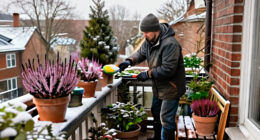
The best winter-hardy potted plants pair cold-season interest with a realistic chance of surviving in a container, where roots face colder temperatures than they would in the ground. My best overall pick is Helleborus ‘Ivory Prince’ for evergreen foliage and winter-to-spring flowers; wintergreen stands out for compact evergreen color and berries, while Dwarf Alberta Spruce offers a tidy, year-round shape. The tradeoff is that hardiness varies by plant, pot exposure, and local climate, so a plant that survives outdoors in a garden bed may need extra root protection in a pot. Flowering options also differ in timing, light needs, and maintenance. Read on for the full comparison and guidance on choosing a plant suited to your space.

Get the little things that make your day delivered free with Prime
- Fast, free delivery on millions of items
- Prime Video, Amazon Music and more included
- Member-only deals all year
Key Takeaways
- Helleborus ‘Ivory Prince’ leads for broad seasonal interest: it combines evergreen foliage with winter-to-spring blooms, while the mixed Lenten rose set offers more plants but less cultivar-specific certainty.
- Wintergreen and Dwarf Alberta Spruce suit compact displays: both have a defined, relatively small footprint; wintergreen adds berries, while the spruce provides a lasting conical form.
- The two Frostproof Gardenias are not equivalent buys: the one-gallon potted plant gives an established start, while the small bare-root plant calls for more patience and careful planting.
- Nandina offers foliage structure, not the same winter bloom appeal as hellebores or camellias: the one-gallon and two-gallon Obsession options mainly differ in starting size and the space available for establishment.
- Some plants in the lineup need a climate check before purchase: windmill palm, eucalyptus, and gardenia may suit milder or sheltered settings better than exposed cold-winter containers.
| Helleborus ‘Ivory Prince’ Christmas Rose Live Perennial Plant, 1-Gallon |  | Best for Shady Winter Containers | Plant type: Perennial hellebore | Container size: 1 gallon | Mature height: 12–18 inches | VIEW LATEST PRICE | See Our Full Breakdown |
| Perfect Plants Obsession Nandina Shrub, 1 Gallon Live Plant |  | Best for Seasonal Foliage Color | Plant type: Nandina shrub | Container size: 1 gallon | Mature height: 3–4 feet | VIEW LATEST PRICE | See Our Full Breakdown |
| Perfect Plants Frostproof Gardenia Live Plant, 1-Gallon Pot |  | Best for Fragrant Flowers | Plant type: Gardenia shrub | Pot size: 1 gallon | Mature height: About 5 feet | VIEW LATEST PRICE | See Our Full Breakdown |
| Frostproof Gardenia Jasminoides Bare-Root Plant, 4–5 Inches Tall |  | Best for Gardeners Who Want a Small Start | Plant type: Evergreen flowering shrub | Form: Bare root | Plant height: 4–5 inches | VIEW LATEST PRICE | See Our Full Breakdown |
| Dwarf Alberta Spruce (Picea glauca ‘Conica’), #2 Container |  | Best for Cold-Climate Evergreen Structure | Plant type: Dwarf Alberta spruce (Picea glauca ‘Conica’) | Container size: #2 container | Growth habit: Compact, pyramidal, slow-growing | VIEW LATEST PRICE | See Our Full Breakdown |
| Gaultheria procumbens (Wintergreen) Evergreen Plant, #1 Container |  | Best for Low-Maintenance Winter Ground Cover | Mature size: 3–6 in. H × 6–12 in. W | Container size: #1 | USDA hardiness zones: 3–8 | VIEW LATEST PRICE | See Our Full Breakdown |
| Grower’s Choice Assorted Pansies, 4-Pack |  | Best for Colorful Winter Containers | Plant type: Live annual flower | Color: Assorted | Quantity: 4 plants | VIEW LATEST PRICE | See Our Full Breakdown |
| Southern Living Obsession Nandina Shrub, 2 Gallons |  | Best for Colorful, Low-Maintenance Shrubs | Plant size: 2 gallons | USDA hardiness zones: 6–10 | Light requirements: Sun to part shade | VIEW LATEST PRICE | See Our Full Breakdown |
| Pink Viburnum Bush Live Plant, 4–6 Inches Tall |  | Best for Spring Showy Blooms and Landscape Accents | Plant type: Flowering shrub | Plant size: 4–6 inches tall | Mature size: 3–8 feet tall and wide | VIEW LATEST PRICE | See Our Full Breakdown |
| Windmill Palm Tree in a 3-Gallon Grower’s Pot |  | Best for Cold-Hardy, Drought-Resistant Palms | Pot size: 3 gallons | USDA hardiness zones: 8–11 | Mature height: 25–30 feet | VIEW LATEST PRICE | See Our Full Breakdown |
| Mixed Lenten Rose (Hellebore) Plants, 3 Pots |  | Best for Shady Winter Color | Quantity: 3 plants | Pot size: 2.5 inches | Hardiness zones: 4–9 | VIEW LATEST PRICE | See Our Full Breakdown |
| Perfect Plants Yuletide Sasanqua Camellia, 3-Gallon Live Plant |  | Best Established Shrub for Mild-Winter Patios | Plant type: Sasanqua camellia shrub | Container size: 3 gallons | Mature size: Up to 10 ft tall and 8 ft wide | VIEW LATEST PRICE | See Our Full Breakdown |
| Live Viburnum Snowball Bush, 4-Inch Pot |  | Best for Seasonal Spring Blooms | Plant type: Flowering shrub | Pot size: 4 inches | Sunlight: Full sun or partial shade | VIEW LATEST PRICE | See Our Full Breakdown |
| Baby Blue Eucalyptus Live Starter Plant, 2–5 Inches Tall |  | Best Compact Fragrant Starter | Plant type: Baby Blue Eucalyptus | Quantity: 1 starter plant | Plant height: 2–5 inches | VIEW LATEST PRICE | See Our Full Breakdown |
| winter-hardy potted plant | Plant type | USDA hardiness zones | Flower color |
|---|---|---|---|
| Helleborus ‘Ivory Prince’ Chri | Perennial hellebore | 5–8 | Creamy white, flushed with pink and green |
| Perfect Plants Obsession Nandi | Nandina shrub | 6–10 | — |
| Perfect Plants Frostproof Gard | Gardenia shrub | — | White |
| Frostproof Gardenia Jasminoide | Evergreen flowering shrub | 7–10 | White |
| Dwarf Alberta Spruce | Dwarf Alberta spruce (Picea glauca ‘Conica’) | 3–8 | — |
| Gaultheria procumbens | — | 3–8 | White |
| Grower’s Choice Assorted Pansi | Live annual flower | — | — |
| Southern Living Obsession Nand | — | 6–10 | — |
| Pink Viburnum Bush Live Plant | Flowering shrub | — | — |
| Windmill Palm Tree in a 3-Gall | — | 8–11 | — |
| Mixed Lenten Rose | — | — | Mixed; colors vary |
| Perfect Plants Yuletide Sasanq | Sasanqua camellia shrub | 7–10 | Red with yellow center |
| Live Viburnum Snowball Bush | Flowering shrub | 5–9 | White |
| Baby Blue Eucalyptus Live Star | Baby Blue Eucalyptus | 8–11 | — |
More Details on Our Top Picks
Helleborus ‘Ivory Prince’ Christmas Rose Live Perennial Plant, 1-Gallon
Ivory Prince is the shade specialist in this group: its evergreen, silver-veined leaves keep a container looking planted when many flowering options are out of season, and reddish-pink buds open to creamy flowers in mid-spring. The rooted 1-gallon plant is ready to plant, while its 12–18-inch height and wider spread suit a pot, shaded border, or rock garden. Unlike the Dwarf Alberta Spruce, it brings seasonal flowers rather than a permanent conical silhouette; it also stays far smaller than the Obsession Nandina. The tradeoff is placement: it needs partial to full shade and soil that drains well, so it is a poor fit for a hot, exposed patio or a pot that stays waterlogged. Its listed hardiness is zones 5–8, so match local winter conditions before choosing it.
Pros:- Rooted in a 1-gallon container and ready to plant
- Evergreen foliage with distinctive silver veining
- Creamy spring flowers add seasonal interest to shade
- Works in containers, borders, and rock gardens
Cons:- Needs partial to full shade, limiting sunny-site placement
- Requires rich, well-drained soil
- Hardiness is listed for zones 5–8, narrower than the Dwarf Alberta Spruce’s zones 3–8
Best for: Gardeners in zones 5–8 who want an evergreen, flowering focal plant for a shaded patio, porch, or border.
Not ideal for: Buyers with a sunny, exposed container spot or poorly draining soil; this hellebore is best in shade and can suffer in soggy conditions.
- Plant type:Perennial hellebore
- Container size:1 gallon
- Mature height:12–18 inches
- Recommended spread:18–24 inches
- Bloom period:Mid-spring
- Flower color:Creamy white, flushed with pink and green
- Sunlight:Partial to full shade
- USDA hardiness zones:5–8
- Soil:Organically rich, humusy, well-drained
Our verdict“Choose Ivory Prince for a rooted, flowering evergreen in a well-drained shaded container, not for a sunny or persistently wet spot.”
Perfect Plants Obsession Nandina Shrub, 1 Gallon Live Plant
Obsession Nandina earns its place through changing foliage, rather than flowers that carry the display: spring leaves are fiery red, summer growth turns green, and fall brings red, yellow, and bronze tones. At 3–4 feet tall and wide, this 1-gallon shrub makes a substantial container feature, but it needs more room than the compact Ivory Prince. It also offers a broader seasonal color show than the Dwarf Alberta Spruce, whose appeal is its steady evergreen shape. Once established, Nandina is drought tolerant and needs moderate watering, a useful advantage for gardeners who do not want constant attention. Its winter-hardiness range is zones 6–10, so it is less suited to colder gardens than the spruce. It also requires well-drained soil and cannot be shipped to California or Arizona.
Pros:- Red, green, yellow, and bronze foliage provides changing seasonal interest
- Compact shrub dimensions suit larger patio containers and small landscape beds
- Drought tolerant once established
- Summer white flowers provide pollen for pollinators
Cons:- Cannot be shipped to California or Arizona
- Listed hardiness begins at zone 6, making it less suitable for colder climates than the Dwarf Alberta Spruce
- Needs well-draining soil and room to reach 3–4 feet wide
Best for: Container gardeners in zones 6–10 who want a medium-sized shrub with foliage color that changes from spring through fall.
Not ideal for: Buyers in California or Arizona, gardeners in zones colder than 6, or anyone without space for a shrub that can reach 3–4 feet in both height and width.
- Plant type:Nandina shrub
- Container size:1 gallon
- Mature height:3–4 feet
- Mature width:3–4 feet
- USDA hardiness zones:6–10
- Sunlight:Full sun or partial shade
- Foliage color:Red, green, yellow, and bronze
- Watering:Moderate; drought tolerant once established
- Shipping restrictions:Does not ship to California or Arizona
Our verdict“Pick Obsession Nandina for seasonal foliage and moderate care in zones 6–10, provided its mature size and shipping limits work for you.”
Perfect Plants Frostproof Gardenia Live Plant, 1-Gallon Pot
This Frostproof Gardenia is the fragrance-first pick: white blooms arrive in spring and summer, set against deep green foliage, and the plant is described as deer-resistant. Its 5-foot mature height gives it more presence than the Frostproof Gardenia bare-root plant, which arrives just 4–5 inches tall, and its 1-gallon pot offers a rooted starting point. Compared with Ivory Prince, it favors sunnier conditions and scented blooms over a shade-friendly, silver-veined foliage display. The tradeoff is that the listing provides no USDA hardiness zone, so the “Frostproof” name alone does not tell buyers which winter temperatures it can handle. It also needs a full-sun to partial-shade site and cannot be shipped to California or Arizona. Consider the bare-root gardenia instead if a small starting plant is acceptable and you want its stated zone range.
Pros:- Fragrant white flowers bloom in spring and summer
- Deep green foliage provides structure between flowering periods
- Rooted in a 1-gallon pot, unlike the 4–5-inch bare-root gardenia
- Described as deer-resistant and low-maintenance
Cons:- No USDA hardiness zone is provided, making winter suitability harder to judge
- Does not ship to California or Arizona
- Mature size of about 5 feet tall and 4 feet wide is too large for many small containers
Best for: Gardeners seeking a rooted, fragrant flowering shrub for a sunny-to-partly-shaded outdoor container or border, in an eligible shipping location.
Not ideal for: Buyers who need a clearly specified hardiness zone, live in California or Arizona, or want a compact plant for a small pot.
- Plant type:Gardenia shrub
- Pot size:1 gallon
- Mature height:About 5 feet
- Mature width:About 4 feet
- Sunlight:Full sun to partial shade
- Bloom season:Spring to summer
- Flower color:White
- Special features:Fragrant, deer-resistant
- Shipping restrictions:Does not ship to California or Arizona
Our verdict“Choose this gardenia for fragrant flowers and a rooted start, but only if its unspecified hardiness and 5-foot mature height suit your site.”
Frostproof Gardenia Jasminoides Bare-Root Plant, 4–5 Inches Tall
This bare-root gardenia is the smallest starting point among the two gardenias here: it arrives 4–5 inches tall, with glossy green evergreen foliage and the prospect of fragrant white spring and summer blooms. Its stated USDA zones 7–10 give winter-conscious buyers more useful guidance than the potted Frostproof Gardenia, whose listing does not provide a hardiness range. The tradeoff is that this is a bare-root plant, not a rooted 1-gallon shrub, so it begins much smaller and needs suitable planting conditions and moderate watering as it establishes. It is listed for full sun, while the potted gardenia allows partial shade, giving that alternative more placement flexibility. This option can suit a patio container, hedge, or foundation planting, but its zone range makes it a poor match for colder winters than the Dwarf Alberta Spruce can handle.
Pros:- Listed hardiness zones 7–10 help clarify its winter range
- Fragrant white flowers and glossy evergreen foliage
- Small bare-root form is easy to fit into a planting plan
- Can be used in containers, hedges, and foundation planting
Cons:- Arrives only 4–5 inches tall as a bare-root plant
- Full-sun listing limits placement compared with the potted Frostproof Gardenia
- Requires moderate watering and moist, well-draining loamy soil
Best for: Patient gardeners in zones 7–10 who want a compact bare-root gardenia to establish in a sunny patio container, hedge, or foundation bed.
Not ideal for: Gardeners in zones colder than 7, buyers wanting an immediately substantial potted shrub, or those with only a partly shaded site.
- Plant type:Evergreen flowering shrub
- Form:Bare root
- Plant height:4–5 inches
- USDA hardiness zones:7–10
- Bloom period:Spring to summer
- Sunlight:Full sun
- Flower color:White
- Soil:Loamy, moist, well-draining
- Moisture needs:Moderate watering
Our verdict“Choose this bare-root gardenia if you are in zones 7–10 and can wait for a small sunny planting to establish.”
Dwarf Alberta Spruce (Picea glauca ‘Conica’), #2 Container
Dwarf Alberta Spruce is the broadest cold-climate choice in this group, with a listed range of zones 3–8 and a slow-growing, pyramidal form that stays evergreen through winter. It arrives fully rooted in a #2 container, so it offers more established structure than the 4–5-inch bare-root Frostproof Gardenia. Compared with Ivory Prince, it tolerates a wider range of sun exposure and gives a year-round conifer silhouette rather than spring flowers. Its drawback is scale: the eventual 6–8-foot height and 3–4-foot spread demand a large pot or room to plant it out, unlike the compact hellebore. The listing calls for moderate watering and spring planting, and specifies clay soil, so buyers should check that those conditions suit their site rather than assuming any container mix will work.
Pros:- Hardy in zones 3–8, extending into colder climates than the gardenias and Nandina
- Slow-growing pyramidal habit provides lasting evergreen structure
- Fully rooted in a #2 container and ready to plant when conditions allow
- Grows in full sun or partial shade
Cons:- Mature height of 6–8 feet and spread of 3–4 feet require substantial space
- Moderate watering is still needed
- Spring is the stated planting period, so timing can limit immediate planting
Best for: Gardeners in zones 3–8 who want a slow-growing, rooted evergreen for a large outdoor container or a permanent landscape accent.
Not ideal for: Owners of small patios or compact pots, and gardeners seeking scented or seasonal flowers rather than a long-term conical evergreen.
- Plant type:Dwarf Alberta spruce (Picea glauca ‘Conica’)
- Container size:#2 container
- Growth habit:Compact, pyramidal, slow-growing
- Mature height:6–8 feet
- Mature spread:3–4 feet
- USDA hardiness zones:3–8
- Sun exposure:Full sun or partial shade
- Soil type:Clay
- Watering needs:Moderate
Our verdict“Pick Dwarf Alberta Spruce for durable evergreen structure in a cold-climate garden, provided you have room for its eventual size.”
Gaultheria procumbens (Wintergreen) Evergreen Plant, #1 Container
This wintergreen ground cover stands out for its low-maintenance nature and edible red berries, making it a practical choice for shaded areas that need winter interest. Compared to the more showy but less hardy Pink Viburnum Bush, its subtle evergreen foliage provides year-round greenery with minimal effort. However, its compact height of 3–6 inches limits its use where taller ground cover is needed. Its requirement for moderate watering means it’s best for gardeners who can keep an eye on moisture levels. The persistent berries add a splash of color and food value during winter, but its small size may not satisfy those seeking more dramatic landscape features. Overall, this pick makes the most sense for those wanting a reliable, low-maintenance evergreen for shaded, cooler zones.
Pros:- Low-maintenance and hardy evergreen ground cover
- Produces persistent, edible red berries
- Suitable for partial sun to full shade
Cons:- Small mature height of 3–6 inches limits visual impact
- Requires moderate watering, which may be inconvenient in dry climates
Best for: Gardeners seeking a hardy, evergreen ground cover that thrives in shade and needs minimal care
Not ideal for: Those wanting taller, more visually striking winter plants or a ground cover that grows in full sun
- Mature size:3–6 in. H × 6–12 in. W
- Container size:#1
- USDA hardiness zones:3–8
- Sunlight exposure:Full shade to partial sun
- Soil type:Loam
- Soil moisture:Moderate
- Blooming period:Winter
- Flower color:White
- Fruit color:Red
Our verdict“This wintergreen is ideal for shade gardens where low effort and winter interest are priorities.”
Grower’s Choice Assorted Pansies, 4-Pack
This 4-pack of pansies adds vibrant, multi-colored blooms to containers during cooler months, providing instant seasonal color. Compared with the more evergreen-focused Gaultheria, pansies bloom prolifically and can brighten up garden beds and planters from fall through winter. However, their need for consistent moisture and well-draining soil makes them less suitable for gardeners who prefer low-maintenance plants. Their height of 6–9 inches makes them versatile for containers and borders, but they are annuals, so they need replanting each season. Despite their short-lived nature, their edible flowers and broad color palette make them a favorite for lively winter displays. This choice is perfect for gardeners wanting seasonal color in cool weather, willing to provide regular care.
Pros:- Assorted colors provide variety and vibrancy
- Suitable for outdoor containers and garden beds
- Blooms across multiple seasons, including winter
Cons:- Requires consistent moisture and care
- Annual growth means replanting needed each year
Best for: Homeowners looking to add bright, seasonal blooms to containers and garden beds during winter
Not ideal for: Those seeking long-term, perennial plants or low-maintenance options
- Plant type:Live annual flower
- Color:Assorted
- Quantity:4 plants
- Expected plant height:9 inches
- Sunlight exposure:Full to partial sun
- Soil type:Well-draining
- Watering:Moderate
- USDA hardiness zone:6+
- Expected blooming period:Spring, summer, fall, winter
Our verdict“This pack of pansies is best for gardeners who prioritize colorful winter displays and are prepared for regular watering and replanting.”
Southern Living Obsession Nandina Shrub, 2 Gallons
This Nandina shrub offers year-round foliage interest with minimal effort, thriving in USDA zones 6–10. Compared to the more delicate Pink Viburnum, its low-maintenance nature and adaptable sun-to-part-shade preference make it a versatile addition to landscape borders. Its compact size in a 2-gallon container is suitable for smaller gardens or as an accent, but it may need pruning to maintain shape. The plant’s colorful foliage—red, orange, and green—shines through all seasons, adding visual appeal without much fuss. However, it’s not as showy in terms of flowers or berries and can be prone to leaf scorch in very hot, dry conditions. Overall, this shrub suits those wanting dependable, colorful foliage with little maintenance.
Pros:- Colorful foliage year-round
- Low maintenance and adaptable to sun or part shade
- Suitable for smaller gardens or as an accent plant
Cons:- May require pruning to keep a tidy shape
- Less showy in flowers or berries compared to other shrubs
Best for: Gardeners seeking a colorful, low-effort shrub for mixed borders or landscape accents
Not ideal for: Those wanting large, highly flowering shrubs or plants with intense seasonal blooms
- Plant size:2 gallons
- USDA hardiness zones:6–10
- Light requirements:Sun to part shade
- Watering:Twice per week until established, then once per week
- Maintenance:Low
Our verdict“This Nandina is a reliable choice for adding seasonal color with minimal care in various garden settings.”
Pink Viburnum Bush Live Plant, 4–6 Inches Tall
The Pink Viburnum produces stunning clusters of pink or white flowers in spring, making it a striking choice for borders and landscape features. Unlike the evergreen ground cover Gaultheria, it offers a dramatic display of blooms, although it is dormant during winter, limiting its usefulness for year-round interest. This shrub grows 3–8 feet tall and wide, providing substantial coverage once established. It prefers full sun and well-drained soil, with regular watering during establishment, but once mature, it requires minimal care. Its versatility for borders, hedges, and accents makes it a favorite for seasonal landscapes. This plant is best for those wanting a show-stopping spring display that can also serve as a landscape backbone but not for winter-only planting.
Pros:- Produces abundant spring flower clusters
- Suitable for borders, hedges, and landscape accents
- Hardy across USDA Zones 3–9
Cons:- Requires regular watering while establishing
- Dormant in winter, offering no winter interest
Best for: Gardeners wanting a flowering shrub with spectacular spring blooms for landscape focal points
Not ideal for: Those needing winter interest or low-maintenance, year-round greenery
- Plant type:Flowering shrub
- Plant size:4–6 inches tall
- Mature size:3–8 feet tall and wide
- USDA hardiness zone:3–9
- Sunlight exposure:Full sun
- Moisture needs:Moderate watering
Our verdict“This viburnum is ideal for adding a burst of spring color but should be combined with evergreen plants for winter appeal.”
Windmill Palm Tree in a 3-Gallon Grower’s Pot
The Windmill Palm offers a striking, slow-growing palm that withstands cold climates in zones 8–11, making it a rare find among palms. Compared with the more delicate tropical palms, its drought and salt tolerance make it suitable for challenging environments, including coastal or drought-prone areas. Its mature height of 25–30 feet provides a dramatic vertical element, but this also means it requires ample clearance and space. While low in maintenance once established, it’s not suitable for very cold zones or small gardens due to its eventual size. This palm is best for those wanting a distinctive, evergreen statement tree that can handle cold winters and tough conditions, but it’s not suitable for gardeners in zones below 8 or limited space.
Pros:- Cold hardy for a palm, tolerates drought and salt
- Low maintenance once established
- Ships potted, continuing growth after planting
Cons:- Can grow up to 25–30 feet tall, requiring space and clearance
- Not shipped to California or Arizona, limiting availability
Best for: Homeowners in zones 8–11 seeking a hardy, drought-tolerant palm for landscape focal points
Not ideal for: Gardeners in colder zones or with limited space, due to its large mature size
- Pot size:3 gallons
- USDA hardiness zones:8–11
- Mature height:25–30 feet
- Mature width:6–10 feet
- Growth rate:Up to 8 inches per year
- Sunlight exposure:Full sun
Our verdict“This Windmill Palm is perfect for large, resilient landscapes in suitable zones, but not for small gardens or colder areas.”
Mixed Lenten Rose (Hellebore) Plants, 3 Pots
For a shady spot where winter interest matters, this three-plant hellebore mix offers more than evergreen structure: it can flower as early as midwinter, when many patio plants are dormant. Its glossy foliage stays green year-round, and its zone 4–9 range suits colder gardens better than the Yuletide Sasanqua Camellia, which is limited to zones 7–10. The tradeoff is less control over the look: flower colors vary, so this is a poor fit for a tightly coordinated planting scheme. The 2.5-inch pots are also small, and planting in late fall or winter can make establishment harder. I’d choose it for a sheltered, shady container or garden site, while planning to protect the plants during severe shipping weather and give them time to settle in.
Pros:- May begin flowering in midwinter
- Evergreen dark green foliage provides year-round structure
- Tolerates full shade to partial shade
- Three plants offer a small group planting
Cons:- Mixed flower colors are unpredictable
- Small 2.5-inch pots need time to establish
- Extreme shipping weather and late-season planting can damage or stress plants
Best for: Gardeners in zones 4–9 seeking evergreen foliage and possible winter flowers for a shady patio or garden.
Not ideal for: Buyers who need a specific flower color, want an instant large container display, or plan to plant during severe winter weather.
- Quantity:3 plants
- Pot size:2.5 inches
- Hardiness zones:4–9
- Light:Full shade to partial shade
- Mature height:18–24 inches
- Flower color:Mixed; colors vary
Our verdict“Choose this hellebore mix for cold-hardy evergreen interest and potential winter blooms in shade, not for precise color planning or an instant full-sized display.”
Perfect Plants Yuletide Sasanqua Camellia, 3-Gallon Live Plant
This camellia is the strongest choice here for buyers who want a substantial evergreen shrub with a defined winter bloom season. The 3-gallon plant arrives more established than the small hellebores or Baby Blue Eucalyptus starter, and its red flowers with yellow centers can appear from late fall into early spring. That larger scale comes with a space commitment: it can reach 10 feet tall and 8 feet wide, so a pot is a starting point, not a guarantee of a permanently compact plant. Its zone 7–10 rating also makes it less suitable for colder areas than the Mixed Lenten Rose. It needs partial sun and regular watering, and it is for outdoor growing only. I’d shortlist it for a mild-climate patio with room for a large shrub, while checking the listed shipping exclusions before ordering.
Pros:- Established 3-gallon plant is larger than the starter plants in this lineup
- Evergreen foliage adds year-round structure
- Red flowers bloom from late fall to early spring
- Fragrant flowers and pollinator appeal add seasonal interest
Cons:- Mature size can reach 10 feet tall and 8 feet wide
- Requires regular watering
- Does not ship to California, Alaska, Hawaii, or Arizona
Best for: Outdoor gardeners in zones 7–10 who have room for a large evergreen container shrub and want red flowers through the cooler season.
Not ideal for: Indoor growers, gardeners in colder zones, or buyers who need a small shrub or live in a listed shipping-exclusion state.
- Plant type:Sasanqua camellia shrub
- Container size:3 gallons
- Mature size:Up to 10 ft tall and 8 ft wide
- USDA hardiness zones:7–10
- Sunlight exposure:Partial sun
- Moisture needs:Regular watering
- Bloom period:Late fall to early spring
- Flower color:Red with yellow center
- Usage:Outdoor
Our verdict“Pick this camellia for a roomy outdoor patio in a mild-winter zone when you want an established evergreen shrub with cool-season flowers.”
Live Viburnum Snowball Bush, 4-Inch Pot
This viburnum is a better fit for buyers who value a strong seasonal flower display over winter foliage. Its white blooms last for several weeks, and full sun or partial shade gives it more placement flexibility than the shade-loving Mixed Lenten Rose. But its winter behavior is the key distinction: the shrub goes dormant, so it will not provide the evergreen color offered by the hellebores or Yuletide Camellia. The 4-inch pot is manageable for a patio or balcony, though it is not a ready-made large focal point. Hardy in zones 5–9, it suits many temperate gardens, provided the buyer accepts a quiet-looking container through winter and waits for its seasonal flowering. I’d rank it below evergreen options for a winter display, but favor it when spring flowers matter more.
Pros:- Produces abundant white flowers for several weeks
- Grows in full sun or partial shade
- 4-inch pot is suited to patio and balcony growing
- Well-rooted live plant
Cons:- Goes dormant in winter rather than keeping foliage
- Seasonal blooms do not provide year-round color
- Small pot may need growing on before it becomes a substantial focal point
Best for: Patio and balcony gardeners in zones 5–9 who want a manageable flowering shrub and can accept winter dormancy.
Not ideal for: Buyers seeking evergreen winter color, cold-season flowers, or a large, established shrub on arrival.
- Plant type:Flowering shrub
- Pot size:4 inches
- Sunlight:Full sun or partial shade
- Flower color:White
- USDA hardiness zones:5–9
- Winter behavior:Dormant
Our verdict“Choose this viburnum for a flexible-position spring-flowering patio shrub if winter dormancy is acceptable.”
Baby Blue Eucalyptus Live Starter Plant, 2–5 Inches Tall
With silver-blue, fragrant foliage and indoor-outdoor growing options, this eucalyptus offers a different kind of container interest from the flowering hellebores and camellia. Its small 2–5-inch starter size is easy to place in a compact pot, but buyers should treat it as a young plant to grow on, not a finished winter display. The stated hardiness range is USDA zones 8–11; despite the cold-hardy description, it is a weaker choice than the Mixed Lenten Rose for gardens exposed to colder winters. Full sun and moderate watering guide its care, while the expected mature height of 12 feet means it may eventually outgrow a small container. I’d choose it for distinctive foliage and scent in a sunny space, especially where indoor growing can provide a fallback during cold spells.
Pros:- Fragrant foliage has a distinctive silver-blue color
- Can be grown indoors or outdoors
- Small starter plant fits a compact growing space
- Full-sun care and moderate watering are clearly specified
Cons:- Starter arrives only 2–5 inches tall and needs growing on
- Hardiness is limited to zones 8–11
- Expected mature height of 12 feet can exceed small-container space
Best for: Sunny-space gardeners in zones 8–11 who want fragrant silver-blue foliage and are willing to raise a small starter plant.
Not ideal for: Buyers in colder zones who need proven outdoor winter hardiness, or anyone seeking a full-sized potted plant immediately.
- Plant type:Baby Blue Eucalyptus
- Quantity:1 starter plant
- Plant height:2–5 inches
- Expected mature height:12 feet
- Indoor/outdoor use:Indoor and outdoor
- USDA hardiness zones:8–11
- Sunlight:Full sun
- Watering:Moderate
- Foliage color:Silver blue
Our verdict“Choose this eucalyptus for a sunny, mild-climate spot where scent and unusual foliage matter more than an immediate mature display.”
How We Picked
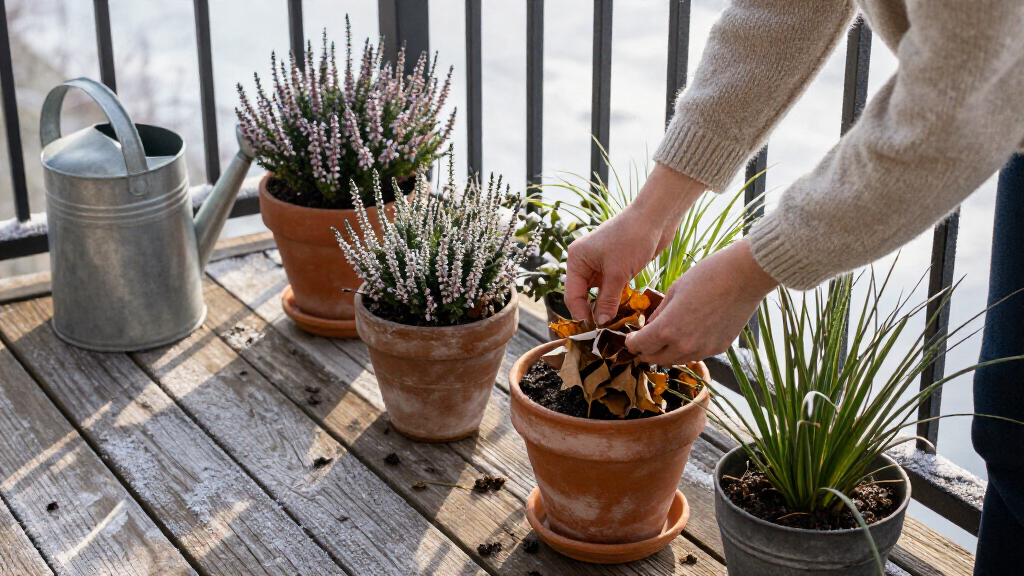
I ranked these plants for the specific challenge of growing outdoors in pots through winter. I weighed stated cold hardiness alongside container practicality, expected seasonal interest, starting size, and the care likely needed to keep roots from freezing. A plant with evergreen structure or winter flowers earned an advantage over one whose main appeal is limited to a brief season, provided its climate needs remained realistic.
The order also reflects how confidently each option fits the category. Hellebores, wintergreen, and Dwarf Alberta Spruce offer a clearer match for cold-season interest than more climate-sensitive choices such as gardenia, eucalyptus, or windmill palm. Within duplicate plant types, I considered whether a larger potted start or a smaller, lower-commitment format better serves the likely buyer. No plant is winter-proof in every pot or climate, so local conditions and root protection can change the ranking for an individual garden.
| winter-hardy potted plant | Flower color |
|---|---|
| Helleborus ‘Ivory Prince’ Chri | Creamy white, flushed with pink and green |
| Perfect Plants Obsession Nandi | — |
| Perfect Plants Frostproof Gard | White |
| Frostproof Gardenia Jasminoide | White |
| Dwarf Alberta Spruce | — |
| Gaultheria procumbens | White |
| Grower’s Choice Assorted Pansi | — |
| Southern Living Obsession Nand | — |
| Pink Viburnum Bush Live Plant | — |
| Windmill Palm Tree in a 3-Gall | — |
| Mixed Lenten Rose | Mixed; colors vary |
| Perfect Plants Yuletide Sasanq | Red with yellow center |
| Live Viburnum Snowball Bush | White |
| Baby Blue Eucalyptus Live Star | — |
Factors to Consider When Choosing Best Winter-hardy Potted Plants
Choosing a winter-hardy plant for a pot means matching the plant to both your local winter and the container’s exposure. These broader checks can prevent a hardy-looking purchase from failing after the first cold snap.
Check winter hardiness for the roots, not just the leaves
A plant may tolerate a cold winter in the ground while its roots struggle in an exposed pot. Soil in a container cools from the sides as well as the top, and a small pot offers less insulation than garden soil. Look up the plant’s recommended climate range and compare it with the coldest typical conditions at your home. Then account for wind, freeze-thaw cycles, and whether the pot sits against a sheltered wall. A larger container, insulating wrap, or a protected winter location can help, though each adds space or upkeep. If you cannot move or shelter the pot, favor plants whose hardiness comfortably exceeds your area’s usual winter lows.
Match the mature size to the pot and the place it will live
Small starter plants can eventually outgrow both their nursery pot and the spot you have chosen. Before buying, check mature width and height, then decide whether you can repot as roots fill the container. A compact plant can suit a balcony or narrow entry, while a shrub or palm needs room for both its canopy and winter protection. Avoid choosing a pot solely for appearance: it also needs drainage and enough volume to buffer moisture and temperature changes. Larger pots are heavier and harder to move, so portability has a real tradeoff. If you want a display that stays in one spot, plan around its mature size from the start.
Choose seasonal interest that fits your winter expectations
Winter interest can mean evergreen foliage, flowers, berries, or simply a strong shape that remains visible after other plants fade. Those features do not always arrive at the same time, and flowering can depend on local weather and light. Decide whether you want color during the coldest months or a plant that provides structure all year. A flowering plant may need a suitable light exposure and can have a shorter visual peak than an evergreen. Berries and blooms also vary with growing conditions, so treat them as seasonal potential rather than a guaranteed display. Combining plants with different kinds of interest can make one container arrangement feel less dependent on a single bloom period.
Read the light and moisture needs before choosing a spot
Winter shade, summer sun, and wind can make a container site different from the conditions described for a general garden bed. Check how many hours of direct light the spot receives across the growing season, not only when you first shop. Containers also dry faster than beds, but cold, wet compost can be just as damaging as drought for some roots. Use a pot with clear drainage and avoid leaving it standing in water. Grouping plants with similar light and moisture needs makes watering easier and reduces the chance that one plant suffers while another thrives. If the site is fixed, select a plant for those conditions rather than expecting repeated moves to solve a mismatch.
Compare starter size with the time and care you can give
A larger potted plant usually gives a more established starting point, while a small starter or bare-root plant asks for patience as it roots in. Small plants may need closer attention to moisture and protection during their first winter, when they have less growth to buffer stress. Larger specimens can be heavy to handle and may still need a correctly sized container. Check what arrives, including whether the plant is actively growing, dormant, or supplied bare-root, and follow planting directions promptly. If you want a quick, visible display, choose a well-established plant that suits your space. If you enjoy tending a plant over time, a smaller start may be a sensible fit.
Frequently Asked Questions
Can a plant rated for my local climate still die in a winter pot?
Yes. Hardiness guidance usually describes a plant growing in the ground, where surrounding soil buffers its roots from temperature swings. A pot exposes more of the root zone to cold, especially on a balcony or in a windy, shaded spot. Choose a plant rated for colder conditions than your usual winter lows when possible, and use a container with good drainage. Moving the pot to a sheltered location or insulating it can reduce exposure, but neither makes every plant safe in every winter.
Is a larger nursery pot always the better choice for a winter display?
A larger plant can look established sooner, but its size alone does not predict how well it will handle winter. The plant still needs a container with drainage, suitable compost, and enough room for roots without sitting in excess water. Large pots can also be difficult to move when a cold snap approaches. Smaller starts may take longer to fill a display, yet they can be easier to handle and position. Choose based on the plant’s condition, your available space, and your ability to protect it.
Should I plant several different winter-hardy species in one container?
You can, provided the plants have compatible light, moisture, and drainage needs and enough room as they grow. A mixed pot can extend seasonal interest, but it also makes it harder to adjust care for a plant with different requirements. Check mature sizes before combining them; a fast-growing plant can crowd out a smaller companion. Leave space for airflow and root growth rather than filling every gap at planting time. If you are unsure about compatibility, separate pots make care and winter protection easier to manage.
How can I tell whether winter damage is temporary or the plant has died?
Cold can damage leaves and stems without killing the roots, so appearance immediately after a freeze may not tell the whole story. Wait for milder conditions before pruning heavily, then check for flexible stems and signs of new growth as the season advances. A dry, brittle stem with no living tissue is more concerning than leaf discoloration alone. Check that drainage is working, since winter waterlogging can look like cold injury. When buying, keep the plant label and note its expected growth period so you have a reasonable time frame for judging recovery.
Which plants should I avoid if my winter is severe and I cannot move the pot?
Start by ruling out plants whose climate needs are warmer than your local conditions or that depend on protection you cannot provide. This roundup includes choices such as gardenia, eucalyptus, and windmill palm that may be better suited to mild or sheltered settings than to an exposed pot through severe cold. Check the plant’s hardiness guidance for container growing and compare it with your site’s actual exposure. If moving or sheltering the pot is impossible, choose a cold-tolerant plant with a margin beyond your usual winter low. A sheltered position and a larger, well-drained container still matter, but they cannot overcome every climate mismatch.
Conclusion
For the strongest all-around combination of cold-season interest and a clear role in a container, I recommend Helleborus ‘Ivory Prince’ as best overall. Wintergreen is my best value pick for a compact evergreen display with berries, while the three-gallon Yuletide Sasanqua Camellia is the premium choice for buyers whose climate and sheltered site suit it. Beginners who want a neat, year-round shape can start with Dwarf Alberta Spruce; those who prefer winter flowers can choose a hellebore, while remembering that the mixed set offers less cultivar certainty. For specific needs, pick pansies for seasonal color, Nandina for foliage structure, or a larger potted gardenia when conditions are mild enough. Match the plant to your coldest winter exposure and container plan, then the best choice becomes much clearer.
Columbus Day / Indigenous Peoples' Day Picks
long weekend sales
As an affiliate, we earn on qualifying purchases.