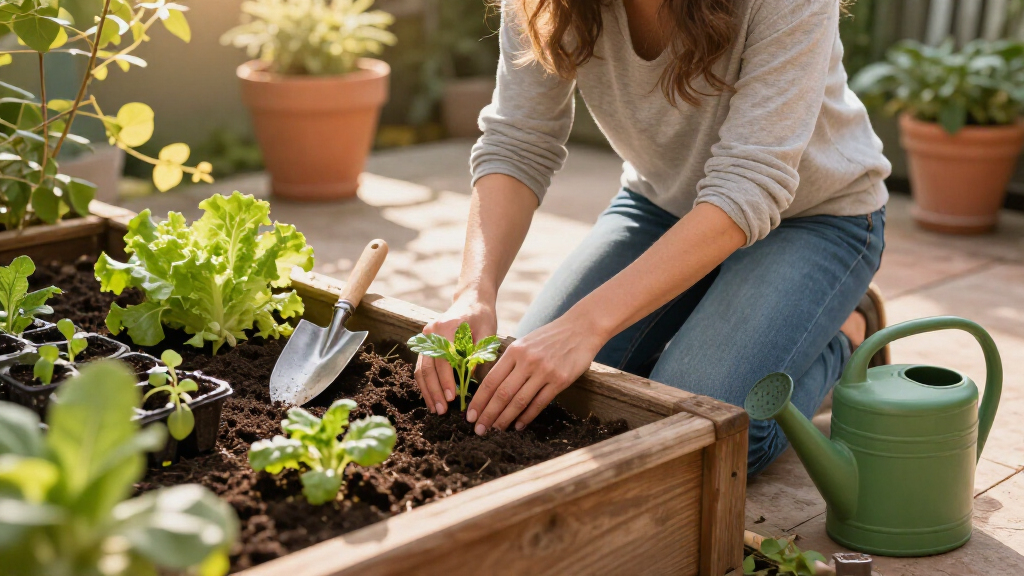

Choosing among the best vegetable gardening kits comes down to one big question: do you want to grow from seed in outdoor beds, or harvest indoors year-round? For most gardeners, the Vegetable Garden Starter Kit with 20 Heirloom Varieties is the best overall pick because it balances variety, seed quality, and approachability without overwhelming a first-timer. If you’re planning for long-term food storage, the B&KM Farms 30,000+ Seed Kit offers the most volume per dollar, while the Ahopegarden 12-Pod Hydroponics System is the standout for anyone who wants fresh vegetables on the kitchen counter in weeks, not months. The main tradeoffs in this category are seed count versus usability, and soil-based simplicity versus the faster-but-pricier hydroponic route. Keep reading for the full breakdown, including who each kit suits and who should skip it.

Get the little things that make your day delivered free with Prime
- Fast, free delivery on millions of items
- Prime Video, Amazon Music and more included
- Member-only deals all year
Key Takeaways
- Seed count is the most misleading spec in this category: the 30,000+ seed kits are built for storage and succession planting, not a single season, while smaller kits like Spade To Fork deliver fewer seeds but far better first-season usability.
- Hydroponic systems (both Ahopegarden models) are the only picks that produce harvestable vegetables year-round indoors, but they limit you to leafy greens, herbs, and small crops — they can’t replace a seed kit for tomatoes, squash, or root vegetables.
- Complete kits that bundle pots, soil discs, and markers (Spade To Fork, the Indoor Lettuce Kit) consistently cost more per seed but remove the biggest beginner failure point: poor germination setup.
- The EarthBox kits are the only self-watering container options here, making them the clear choice for gardeners with poor soil, small patios, or hot climates — but you still have to buy seeds and soil separately.
- Cold-climate and off-season growers have a genuinely strong option in the 50 Winter Vegetable Pack, which is the only kit curated specifically for low-light, low-temperature growing windows.
| Vegetable Garden Starter Kit, 20 Heirloom Non-GMO Varieties |  | Best for Beginners | Seed Varieties: 20 heirloom vegetables | Seed Type: Heirloom, non-GMO, open-pollinated, untreated | Growing Locations: Indoor, outdoor, containers | VIEW LATEST PRICE | See Our Full Breakdown |
| 43 Assorted Vegetable & Herb Seed Packets with Mylar Storage Bag, Heirloom, Non-GMO |  | Best Value for Variety | Seed Packets: 43 assorted varieties | Total Seed Count: Over 10,000 | Seed Type: Heirloom, non-GMO | VIEW LATEST PRICE | See Our Full Breakdown |
| B&KM Farms 30,000+ Non-GMO Heirloom Seed Kit – 30 Fruit & Vegetable Varieties |  | Best Long-Term Storage Pick | Seed Count: 20,000+ (title advertises 30,000+) | Varieties: 30 fruit and vegetable types | Seed Type: Heirloom, non-GMO | VIEW LATEST PRICE | See Our Full Breakdown |
| Heirloom Vegetable and Fruit Seed Variety Pack, 32 Packs |  | Best Classic Garden Lineup | Seed Varieties: 32 vegetable and fruit types | Total Seeds: 15,000+ | Seed Type: Heirloom | VIEW LATEST PRICE | See Our Full Breakdown |
| 75 Vegetable & Greens Seed Variety Pack – Non-GMO Heirloom Garden Starter Kit with Wooden Storage Box |  | Best Gift and Gear Bundle | Seed Pack Count: 75 packs | Seed Quantity: Over 44,700 seeds | Seed Type: Non-GMO heirloom | VIEW LATEST PRICE | See Our Full Breakdown |
| 50 Winter Vegetable Garden Seeds Variety Pack – 43,450+ Non-GMO Heirloom Seeds |  | Best for Cold-Season Growing | Seed Count: 43,450+ | Varieties: 50 winter vegetables | Seed Type: Non-GMO Heirloom | VIEW LATEST PRICE | See Our Full Breakdown |
| 37-Variety Heirloom Vegetable and Herb Seeds Kit, 15,000+ Seeds |  | Best Balanced Seed Selection | Varieties: 37 vegetables and herbs | Total Seeds: Over 15,000 | Seed Type: Heirloom, non-GMO, non-hybrid | VIEW LATEST PRICE | See Our Full Breakdown |
| Spade To Fork Organic Indoor Vegetable Garden Starter Kit, 5 Seed Types |  | Best for Beginners | Seed Types: Cherry tomato, butterhead lettuce, carrot, Cherry Belle radish, bush bean | Seed Certification: USDA Organic, non-GMO | Pots: 5 OMRI-certified compostable peat pots | VIEW LATEST PRICE | See Our Full Breakdown |
| Ahopegarden Hydroponics Growing System Kit, 12 Pods with LCD Control Panel |  | Best Smart Indoor Option | Capacity: 12 pods | Water Tank: 5L | Grow Light: 17-inch adjustable full-spectrum, dual mode | VIEW LATEST PRICE | See Our Full Breakdown |
| EarthBox Garden Kit, Terra Cotta, Pack of 2 |  | Best for Small Outdoor Spaces | Quantity: 2 kits | Growing Media Capacity: 2.0 cubic feet per box | Water Reservoir: 3 gallons | VIEW LATEST PRICE | See Our Full Breakdown |
| EarthBox Gardening Kit, Green, Pack of 4 |  | Best for Balcony Vegetable Growing | Brand: EarthBox | Model: 80101 | Quantity: 4 kits | VIEW LATEST PRICE | See Our Full Breakdown |
| Indoor Vegetable Garden Starter Kit with Heirloom Lettuce and Greens Seeds |  | Best for First-Time Salad Growers | Seed varieties: Romaine, Buttercrunch lettuce, spinach, arugula, and kale | Seed packets: 5 | Starter pots: 8 | VIEW LATEST PRICE | See Our Full Breakdown |
| Ahopegarden 10-Pod Indoor Hydroponics Growing System with LED Grow Light |  | Best Countertop Hydroponic Kit | Brand: Ahopegarden | Growing stations: 10 pods | Maximum plant height: 14.5 inches | VIEW LATEST PRICE | See Our Full Breakdown |
| Gardeners Basics Survival Seed Vault Kit – 35 Variety Vegetable Seeds for Planting |  | Best for Building a Seed-Saving Garden | Varieties: 35 | Seed count: 16,000+ | Seed type: Heirloom, non-GMO, non-hybrid, open-pollinated | VIEW LATEST PRICE | See Our Full Breakdown |
| vegetable gardening kit | Seed Type |
|---|---|
| Vegetable Garden Starter Kit | Heirloom, non-GMO, open-pollinated, untreated |
| 43 Assorted Vegetable & Herb S | Heirloom, non-GMO |
| B&KM Farms 30,000+ Non-GMO Hei | Heirloom, non-GMO |
| Heirloom Vegetable and Fruit S | Heirloom |
| 75 Vegetable & Greens Seed Var | Non-GMO heirloom |
| 50 Winter Vegetable Garden See | Non-GMO Heirloom |
| 37-Variety Heirloom Vegetable | Heirloom, non-GMO, non-hybrid |
| Spade To Fork Organic Indoor V | — |
| Ahopegarden Hydroponics Growin | — |
| EarthBox Garden Kit | — |
| EarthBox Gardening Kit | — |
| Indoor Vegetable Garden Starte | — |
| Ahopegarden 10-Pod Indoor Hydr | — |
| Gardeners Basics Survival Seed | Heirloom, non-GMO, non-hybrid, open-pollinated |
More Details on Our Top Picks
Vegetable Garden Starter Kit, 20 Heirloom Non-GMO Varieties
Most seed kits bury new gardeners under dozens of packets with no guidance, but this option flips that approach. With 20 heirloom varieties and variety-specific planting instructions on every packet, it teaches as you plant rather than leaving you to research each crop yourself. Compared with the 43-packet Mylar Bag kit later in this roundup, this set trades sheer volume for something beginners actually need: clear directions and a mix of warm- and cool-season crops, so you can stagger plantings across a full season instead of facing everything at once. The seed-saving instructions also make it a genuine starting point for a self-sustaining garden. The tradeoff is scale — larger collections like the B&KM Farms pail offer triple the varieties for preppers, and this kit offers no storage accessories or tools. It is a focused learning kit, not a seed bank.
Pros:- Per-packet planting and seed-saving instructions teach beginners as they go
- Balanced mix of warm- and cool-season crops spreads harvests across the season
- Works indoors, outdoors, and in containers, so it fits almost any space
- Untreated, open-pollinated heirloom seeds can be saved and replanted
Cons:- Requires full sun and consistent watering, which limits low-maintenance setups
- Only 20 varieties — far less coverage than comparable multi-thousand-seed kits
- Some varieties reach 36 inches tall, so small indoor spaces may not fit every crop
Best for: First-time vegetable gardeners who want fewer varieties but clear per-packet guidance on planting and seed saving
Not ideal for: Buyers building a long-term seed bank or wanting maximum variety per dollar — the 20-packet count is modest next to larger kits
- Seed Varieties:20 heirloom vegetables
- Seed Type:Heirloom, non-GMO, open-pollinated, untreated
- Growing Locations:Indoor, outdoor, containers
- Sunlight:Full sun
- Planting Period:Spring to fall
- USDA Hardiness Zones:3–10
- Soil:Loam, regular watering
Our verdict“This is the kit for a nervous first-timer who values clear instructions over quantity — experienced gardeners will want more variety.”
43 Assorted Vegetable & Herb Seed Packets with Mylar Storage Bag, Heirloom, Non-GMO
Where the 20-variety starter kit prioritizes guidance, this collection goes wide: 43 packets and over 10,000 heirloom seeds, with a Mylar storage bag that keeps unused seed viable for years. That storage detail is what separates it from similar mid-size sets — the 32-pack Heirloom Variety Pack below includes resealable packets but no dedicated long-term storage bag, so this option makes more sense for anyone buying seeds they will not plant in a single season. The advertised 7–14 day germination window also gives impatient gardeners a realistic expectation up front. The honest downside: this is an assorted grab-bag. Gardeners who want specific tomato or pepper cultivars will not find them labeled here, and with no variety-level details provided, you are planting partly on faith. It rewards flexibility over control.
Pros:- 43 varieties spanning vegetables and herbs in a single purchase
- Over 10,000 seeds covers multiple seasons of planting
- Mylar bag genuinely extends seed viability when stored cool and dry
- Fast 7–14 day germination gets gardens started quickly
Cons:- No individual variety details, so you cannot verify what you are planting
- Seed viability depends entirely on proper cool, dry storage
- Fixed assortment may duplicate varieties you already grow
Best for: Budget-minded gardeners who want maximum crop diversity for a small plot and plan to store surplus seed for future seasons
Not ideal for: Planners who research and choose specific cultivars — the assortment is fixed and variety details are not provided
- Seed Packets:43 assorted varieties
- Total Seed Count:Over 10,000
- Seed Type:Heirloom, non-GMO
- Germination Time:7–14 days
- Storage:Included Mylar storage bag
- Storage Requirement:Cool, dry place for multi-year viability
Our verdict“A strong value pick for flexible gardeners who want breadth and storability — skip it if you curate your own varieties.”
B&KM Farms 30,000+ Non-GMO Heirloom Seed Kit – 30 Fruit & Vegetable Varieties
This kit is built around a different premise than everything else here: survival-grade storage. Seeds arrive in Mylar packets inside a resealable, bugout-ready plastic pail, a level of protection the Mylar-bag-only 43-packet kit does not match, and one that makes sense if your goal is a seed reserve rather than this year’s garden. The 80%+ average germination rate is stated plainly, and the 100+ page online planting guide gives it more educational depth than most large kits, though digital-only access means you will want printed backups for true emergency use. Two real caveats temper the appeal: the listing itself is inconsistent about seed count — the title says 30,000+ while the description says 20,000+ — and the guide requires internet access. For homesteaders and preparedness buyers, the pail still justifies itself; casual gardeners should stick with smaller sets.
Pros:- 20,000+ seeds across 30 fruit and vegetable varieties in one kit
- Mylar packets inside a resealable pail offer the best storage protection in this lineup
- Stated germination rate of 80% or higher sets clear expectations
- 100+ page online planting guide and USA hand-packaging add credibility
Cons:- Conflicting seed count in the listing (20,000+ vs 30,000+) muddies what you actually receive
- Planting guide is online-only, a weakness for an emergency-oriented product
- Massive quantity means most households cannot use the seeds within normal viability windows
Best for: Preppers and homesteaders building a storable seed reserve with serious protection against moisture, pests, and time
Not ideal for: Casual or small-space gardeners — the bulk, pail, and seed volume are overkill for a raised bed or balcony
- Seed Count:20,000+ (title advertises 30,000+)
- Varieties:30 fruit and vegetable types
- Seed Type:Heirloom, non-GMO
- Germination Rate:80% or higher average
- Storage:Mylar packets in resealable plastic pail
- Planting Guide:100+ page online guide
- Origin:Hand packaged in the USA
Our verdict“The pick for preparedness-minded buyers who need vault-grade storage — everyday gardeners get better value from smaller, clearer kits.”
Heirloom Vegetable and Fruit Seed Variety Pack, 32 Packs
Of all the seed collections in this roundup, this one reads most like a traditional kitchen garden shopping list — beans, beets, corn, cantaloupe, watermelon, kale, and more across 32 individually packed varieties. Unlike the 43-packet assorted set, every packet here is a named, resealable, waterproof packet, which matters if you plant a row this year and want the rest to survive a damp shed until next spring. A growing guide and seller support for germination problems round out a package that sits between the beginner-focused 20-variety kit and the bulk survival pails in both scope and ambition. The weaknesses are real, though: no stated germination rates, and 32 crops spanning spring greens to summer melons means care requirements vary widely — this is a kit for someone willing to read a little, not someone wanting one uniform routine.
Pros:- 32 individually labeled varieties covering nearly every classic garden crop
- Waterproof, resealable packets protect partial packets between seasons
- 15,000+ seeds provide generous coverage across plantings
- Growing guide plus seller support for germination issues
Cons:- Germination rates are not specified anywhere in the listing
- Care requirements vary widely across 32 very different crops
- Listed sandy-soil and partial-shade specs fit some varieties better than others, adding confusion
Best for: Home gardeners who want a complete, traditional vegetable-and-fruit garden with labeled, storable packets for each crop
Not ideal for: Gardeners who want guaranteed performance data — no germination rates are published, unlike the B&KM Farms kit
- Seed Varieties:32 vegetable and fruit types
- Total Seeds:15,000+
- Seed Type:Heirloom
- Packet Type:Individually packed, resealable, waterproof
- Growing Guide:Included
- Use:Indoor and outdoor
- Planting Period:Spring, blooming through fall
Our verdict“The best choice for building a diverse, traditional kitchen garden with labeled packets — less ideal if you want hard performance data.”
75 Vegetable & Greens Seed Variety Pack – Non-GMO Heirloom Garden Starter Kit with Wooden Storage Box
This is the only kit in the lineup that behaves like a complete gardening gift set rather than a plain seed collection. Alongside 75 seed packets totaling over 44,700 seeds, you get a seed dispenser, claw gloves, mini tools, pH test strips, a UV-protective cap, and a wooden storage box that keeps everything organized on a shelf. Compared with the B&KM Farms pail — which stores seeds but includes no gear — this option makes far more sense as a present for someone starting from zero, since it covers tools and organization as well as seeds. The tradeoffs are predictable: 44,700 seeds is excessive for a small raised bed, the tools are starter-grade rather than serious equipment, and, oddly for the largest kit here, no detailed growing instructions are mentioned. It wins on presentation and completeness, not on depth.
Pros:- 75 seed packets with 44,700+ seeds offer unmatched variety in this roundup
- Includes practical accessories: seed dispenser, gloves, mini tools, and pH test strips
- Wooden storage box keeps the entire kit organized and gift-ready
- Works for both indoor and outdoor growing setups
Cons:- Seed volume far exceeds what small gardens can realistically use before viability fades
- Included tools are starter-grade and may disappoint seasoned gardeners
- No detailed growing instructions despite the enormous variety range
Best for: Gift-givers and brand-new gardeners who want seeds, basic tools, and attractive storage in one ready-to-wrap package
Not ideal for: Experienced gardeners — the tools are basic, the seed volume is overkill, and detailed growing instructions are not included
- Seed Pack Count:75 packs
- Seed Quantity:Over 44,700 seeds
- Seed Type:Non-GMO heirloom
- Kit Type:7-in-1 gardening starter kit
- Accessories:Seed dispenser, claw gloves, mini tool set, pH test strips, UV-protective cap
- Storage:Wooden storage box
- Use:Indoor and outdoor gardening
Our verdict“Buy it as a polished gift or all-in-one starter package — experienced growers should buy seeds and tools separately.”
50 Winter Vegetable Garden Seeds Variety Pack – 43,450+ Non-GMO Heirloom Seeds
Most seed kits in this roundup chase spring and summer harvests, which makes this winter-focused variety pack a genuine outlier. With 50 cold-hardy vegetables like kale, kohlrabi, spinach, and collards, it fills a seasonal gap that mainstream kits such as the 37-Variety Heirloom Kit leave wide open. The sheer volume — over 43,000 seeds — puts it closer to a seed bank than a starter kit, and the tested 90%+ germination rate means buyers aren’t gambling on stale stock. The bundled mini tools and QR-code growing guides are a nice touch, though this is still a seeds-only proposition: unlike the Spade To Fork kit, there are no pots or soil discs included. Compared with the Gardeners Basics Survival Seed Vault, this pack trades long-term storage focus for seasonal planting depth.
Pros:- Massive seed count of 43,450+ across 50 winter vegetable varieties
- Independently tested 90%+ germination rate with 2-year shelf life
- Includes mini gardening tools, waterproof resealable storage, and QR-code guides
- Works both outdoors and in indoor hydroponic setups
Cons:- Requires real gardening knowledge to sequence and plant 50 varieties successfully
- Cold-crop focus means no tomatoes, peppers, or summer favorites
Best for: Experienced gardeners who plan fall plantings and want deep variety within cold-season crops
Not ideal for: Complete beginners expecting an all-in-one kit — there’s no soil, pots, or containers, just seeds and small tools
- Seed Count:43,450+
- Varieties:50 winter vegetables
- Seed Type:Non-GMO Heirloom
- Germination Rate:90%+
- Shelf Life:Up to 2 years
- USDA Hardiness Zones:2-10
- Includes:50 seed packets, waterproof bag, 5 mini gardening tools
Our verdict“This is the pick for gardeners who treat winter as a growing season rather than a pause, provided they already own basic equipment.”
37-Variety Heirloom Vegetable and Herb Seeds Kit, 15,000+ Seeds
This kit occupies the sensible middle ground between the sprawling 50 Winter Vegetable Pack and the compact five-variety Spade To Fork kit. Thirty-seven varieties spanning both vegetables and herbs means a household can plant a full kitchen garden — salsa ingredients, salad greens, and seasoning herbs — from one purchase. The individual waterproof, lightproof packets matter more than they sound: light and moisture are the two things that quietly kill stored seeds, and this packaging protects unused stock better than plain paper envelopes. One inconsistency worth flagging: the product title and description disagree on total seed count, and unlike the winter pack, no germination rate is independently verified. Still, for buyers who want breadth without managing 50 packets, the balance here is hard to beat.
Pros:- 37 varieties blend vegetables and herbs for a complete kitchen garden
- Waterproof, lightproof individual packets protect seed viability during storage
- Planting guide supports multiple skill levels
- Suitable for both indoor and outdoor growing
Cons:- Seed count is inconsistent between the title and description (20,000 vs 15,000 claimed)
- No verified germination rate or tested shelf-life data
Best for: Households wanting one seed purchase that covers both cooking vegetables and culinary herbs
Not ideal for: Buyers who want verified germination data before committing — none is provided
- Varieties:37 vegetables and herbs
- Total Seeds:Over 15,000
- Seed Type:Heirloom, non-GMO, non-hybrid
- Source:USA
- Storage Life:Up to 2 years in a cool, dry place
- Packaging:Individual waterproof, lightproof bags
- Growing Locations:Indoor and outdoor
Our verdict“A strong all-around seed kit for gardeners who value variety balance and storage protection over verified germination claims.”
Spade To Fork Organic Indoor Vegetable Garden Starter Kit, 5 Seed Types
Where most kits in this lineup hand you seeds and wish you luck, this one hands you everything except water and sunlight. The compostable peat pots, OMRI-certified soil discs, wood-burned markers, and a 26-page guide make it the closest thing to a foolproof entry point here — a first-timer can go from unboxing to planted pots in an afternoon. Compared with the 37-Variety Heirloom Kit, the tradeoff is obvious: five varieties instead of 37, and cherry tomato, lettuce, carrot, radish, and bush bean are chosen specifically because they’re forgiving crops for indoor windowsills. The USDA Organic certification is a real differentiator too — none of the bulk seed packs can claim it. The limitation is ceiling, not quality: an ambitious gardener will outgrow this kit within a season.
Pros:- Truly all-in-one: compostable pots, soil discs, markers, and seeds in one box
- USDA Organic certified, non-GMO seeds grown on a family farm in Oregon
- Curated five-crop selection of easy, forgiving indoor vegetables
- 26-page growing guide walks novices through the full cycle
Cons:- Only five seed varieties, so repeat purchases are needed for a real garden
- No product dimensions provided, so counter space planning requires guesswork
Best for: First-time gardeners and gift-givers who want a truly complete, organic, windowsill-ready kit
Not ideal for: Experienced gardeners or anyone wanting variety — five crops will feel limiting fast
- Seed Types:Cherry tomato, butterhead lettuce, carrot, Cherry Belle radish, bush bean
- Seed Certification:USDA Organic, non-GMO
- Pots:5 OMRI-certified compostable peat pots
- Soil:5 OMRI-certified potting soil discs
- Markers:5 custom wood-burned plant markers
- Growing Guide:26 pages
- Origin:Family-owned farm in Oregon
Our verdict“The right first kit for someone who has never grown anything and wants zero separate purchases to get started.”
Ahopegarden Hydroponics Growing System Kit, 12 Pods with LCD Control Panel
This is the only product in this batch that removes weather, soil, and seasons from the equation entirely. The 12-pod hydroponic design with a 5L reservoir, automatic 30-minute water circulation, and a 17-inch adjustable full-spectrum grow light means lettuce and herbs grow on the countertop year-round — no fall planting calendar like the 50 Winter Vegetable Pack requires. The LCD touchscreen and dual light modes, including a 22-hour setting for flowering, give it a set-and-forget quality that soil kits can’t match. But the constraints are real: compared with the EarthBox, which handles full-size tomatoes and peppers, this system is built for herbs and leafy greens, and larger fruiting plants will eventually outgrow it. It also needs a permanent power outlet, making it less flexible than any soil-based option.
Pros:- Grows 12 plants simultaneously in a compact countertop footprint
- Adjustable 17-inch grow light height prevents light burn as plants mature
- Ultra-quiet pump auto-circulates water every 30 minutes with no maintenance
- LCD touchscreen makes lighting modes and timing one-touch simple
Cons:- Limited to herbs and leafy greens; large fruiting plants outgrow the system
- Requires dedicated counter space near a power outlet year-round
Best for: Apartment dwellers and year-round salad and herb eaters who want a low-effort, tech-driven indoor garden
Not ideal for: Gardeners who want tomatoes, peppers, or other large fruiting crops — the pod system and 17-inch light can’t sustain them long-term
- Capacity:12 pods
- Water Tank:5L
- Grow Light:17-inch adjustable full-spectrum, dual mode
- Control Panel:LCD touchscreen
- Water Pump Cycle:30 minutes
- Material:ABS plastic
- Includes:Nutrient solution, 12 planting baskets, 12 sponges, 13 seedling covers, 6 hole covers
Our verdict“The clear choice for hands-off indoor greens growing, as long as your ambitions stop at lettuce and basil.”
EarthBox Garden Kit, Terra Cotta, Pack of 2
Every other product here is about seeds or countertop gadgets; the EarthBox solves the harder problem of growing full-size vegetables in tight outdoor quarters. The sub-irrigated reservoir holds 3 gallons of water beneath 2 cubic feet of growing media, meaning the plants draw water from below as needed — a balcony gardener can water every few days instead of daily. The casters make repositioning two planted boxes surprisingly manageable, and the mulch covers cut evaporation and weeds. Unlike the Ahopegarden hydroponic system, this handles tomatoes, peppers, and eggplant at full size, and the durable UV-stabilized plastic lasts many seasons. The honest catch: soil and the staking system are sold separately, so the true cost of a working setup is higher than the box suggests. It’s infrastructure, not a starter experience.
Pros:- Sub-irrigated 3-gallon reservoir dramatically reduces watering frequency
- Handles large fruiting vegetables the hydroponic pod systems can’t
- Casters and mulch covers add mobility and cut evaporation
- Food-safe, UV-stabilized plastic built for many growing seasons
Cons:- Soil, fertilizer, and staking system are all sold separately
- At 29 inches long per box, two units demand real patio or balcony space
Best for: Balcony, porch, or rooftop gardeners who want container-grown tomatoes and peppers without daily watering
Not ideal for: Beginners expecting everything in the box — soil, fertilizer, and staking must be sourced separately
- Quantity:2 kits
- Growing Media Capacity:2.0 cubic feet per box
- Water Reservoir:3 gallons
- Dimensions:29″ L x 13.5″ W x 11″ H
- Material:Durable, food-safe, UV-stabilized plastic
- Includes:Container, aeration screen, water fill tube, 4 casters, 2 mulch covers, planting guide
Our verdict“The smart buy for small-space outdoor growers committed to serious container vegetables who accept buying soil separately.”
EarthBox Gardening Kit, Green, Pack of 4
Four sub-irrigated planters make this the strongest choice here for growing several full-size vegetable plants in a patio or balcony setup. Each box holds a 3-gallon water reservoir, and the included casters make loaded planters easier to move; compared with the Ahopegarden 10-Pod Indoor Hydroponics Growing System, EarthBox offers more room for traditional soil-based growing, but needs outdoor space and manual setup. The four kits also include reversible mulch covers and planting guides, while soil and staking systems are separate purchases. That means the package is a useful foundation rather than a ready-to-plant set, unlike the indoor greens starter kit, which supplies pots and soil disks. I’d choose EarthBox for a small household seeking a repeatable container garden, provided it can source the growing medium and support supplies.
Pros:- Four containers support multiple plants or separate crop groupings
- Sub-irrigated reservoirs help reduce watering frequency
- Casters make planters easier to reposition
- Reversible mulch covers and planting guides are included
Cons:- Soil, plants, and staking systems are not included
- Four containers require substantial floor or balcony space
- Growing media capacity is listed as 2.0 cubic feet per kit, so filling all four takes planning
Best for: Balcony and patio gardeners who want several soil-based containers for vegetables, herbs, or fruiting plants
Not ideal for: Beginners seeking a complete sowing kit or indoor growers without room for four long planters
- Brand:EarthBox
- Model:80101
- Quantity:4 kits
- Container dimensions:29 in L × 11 in H × 13.5 in W/D
- Growing media capacity:2.0 cubic feet
- Water reservoir capacity:3 gallons
- Material:Food-safe, UV-stabilized plastic
- Included per kit:Container, aeration screen, fill tube, 4 casters, 2 reversible mulch covers, instruction sheet and planting guide
Our verdict“Choose this four-box set if you want a movable, soil-based balcony garden and are prepared to supply the growing medium and staking system.”
Indoor Vegetable Garden Starter Kit with Heirloom Lettuce and Greens Seeds
For a new gardener who wants to start with salad greens, this kit keeps the first steps straightforward: five seed varieties, eight starter pots, matching biodegradable soil disks, markers, and instructions. That makes it more approachable than the Gardeners Basics Survival Seed Vault Kit, whose 35 varieties offer broader crop choice but can ask more of a beginner’s planning. The focused selection also means less flexibility: all five listed crops are greens, so it won’t provide the tomatoes, beans, or squash found in the vault. The product data doesn’t specify a light, fertilizer, or ongoing growing supplies, so buyers should plan to provide suitable growing conditions beyond the starter components. I’d pick it for a small indoor trial of leafy crops, rather than for a varied or high-volume vegetable garden.
Pros:- Five salad-green varieties offer a simple, focused starting point
- Eight pots and biodegradable soil disks are included
- Plant markers help keep seedlings identified
- Planting instructions support beginner setup
Cons:- Seed selection is limited to five listed greens
- No grow light or fertilizer is listed among the included items
- The description does not specify pot dimensions or seed quantities
Best for: First-time gardeners who want to start a few batches of lettuce and other salad greens in pots
Not ideal for: Growers seeking fruiting vegetables, a broad crop selection, or a complete indoor lighting setup
- Seed varieties:Romaine, Buttercrunch lettuce, spinach, arugula, and kale
- Seed packets:5
- Starter pots:8
- Soil disks:8 biodegradable
- Plant markers:8
- Seed attributes:Non-GMO, open-pollinated, USA-grown
- Planting instructions:Included
Our verdict“Pick this kit to start a modest indoor salad garden with basic sowing supplies and clear instructions.”
Ahopegarden 10-Pod Indoor Hydroponics Growing System with LED Grow Light
Timed grow lighting and water circulation make this a practical pick for growing herbs or vegetables indoors without relying on a sunny windowsill. Its 10 growing stations and adjustable light post support plants up to 14.5 inches tall, while the see-through reservoir window makes water checks easier. Compared with the Ahopegarden Hydroponics Growing System Kit, 12 Pods with LCD Control Panel, this model lists fewer pods and a simpler set of light controls; the supplied description does not establish other differences between the systems. There is also a mismatch in the included components: eight baskets and sponges are listed for a 10-pod unit. The reservoir capacity is not provided, which leaves refill frequency hard to gauge as plants grow. I’d choose it for compact, year-round countertop growing if that supply gap is acceptable.
Pros:- Ten growing stations fit a range of compact indoor crops
- Automatic 16-hour-on and 8-hour-off timer reduces daily light adjustments
- Height-adjustable LED accommodates plants up to 14.5 inches
- Water level window makes reservoir monitoring visible
Cons:- Only eight baskets and sponges are listed for ten pods
- Reservoir capacity is not specified, making refill planning uncertain
- Plant height limit may restrict larger mature crops
Best for: Apartment growers who want an indoor hydroponic setup with automatic lighting for herbs and compact vegetables
Not ideal for: Buyers who need confirmed accessories for every pod or want documented reservoir capacity for planning refills
- Brand:Ahopegarden
- Growing stations:10 pods
- Maximum plant height:14.5 inches
- Light timer:16 hours on / 8 hours off
- Light modes:2: Vegetables; Flowers & Fruit
- Included baskets and sponges:8 baskets and 8 sponges
- Other listed growing accessories:1 tweezers, 2 labels, 4 covers, 2 stickers, 9 growth domes, 8 shade papers
- Included nutrients:A & B fertilizer
Our verdict“Choose this system for timed, compact indoor growing if you can confirm the pod accessories and accept an unspecified reservoir size.”
Gardeners Basics Survival Seed Vault Kit – 35 Variety Vegetable Seeds for Planting
Thirty-five open-pollinated varieties give this kit the widest crop range among these four picks, from leafy greens to tomatoes, peppers, beans, squash, and melons. That breadth suits gardeners planning several beds or saving seed for future seasons; compared with the Indoor Vegetable Garden Starter Kit with Heirloom Lettuce and Greens Seeds, it offers a far wider crop palette but lacks the same beginner-oriented pots, soil disks, and planting instructions. The separately labeled packets and 35 markers help keep that variety organized, while the resealable Mylar bag supports storage. A large seed collection still requires suitable space, climate, soil, and care, and the supplied data does not give individual packet counts or storage-life details. I’d choose it for a prepared gardener who values crop range and seed saving over a ready-to-sow starter setup.
Pros:- Thirty-five varieties span leafy greens, fruiting crops, beans, squash, and melons
- Open-pollinated, heirloom seeds are suited to seed-saving goals
- Labeled packets and 35 plant markers help organize varieties
- Resealable Mylar bag provides a storage container
Cons:- The breadth of varieties can be difficult to plan for in a small garden
- Growing success depends on local climate, soil, and care
- No pots, soil, or detailed planting instructions are listed
Best for: Experienced home gardeners and homesteaders who want a broad selection of open-pollinated crops to grow and save seed from
Not ideal for: New gardeners with limited planting space or anyone wanting pots, soil, and step-by-step sowing supplies included
- Varieties:35
- Seed count:16,000+
- Seed type:Heirloom, non-GMO, non-hybrid, open-pollinated
- USDA hardiness zones:1–13
- Sunlight exposure:Full sun
- Planting period:Spring to fall
- Included:35 seed packets, 35 plant markers, resealable Mylar storage bag
Our verdict“Choose this seed vault if you have room and experience to manage a diverse garden and value open-pollinated varieties for seed saving.”

How We Picked
I evaluated each kit against four buyer-focused criteria. Usability came first: a kit should shorten the path from purchase to harvest, which meant favoring options with clear planting instructions, sensible variety selection, and — where relevant — included hardware like pots, soil, or self-watering reservoirs. Versatility was next, meaning how many climates, seasons, and growing setups (indoor, outdoor, container, bed) each kit realistically supports. A 30-variety vault scores differently than a 5-type indoor starter, and the rankings reflect that.
I also weighed build and seed quality — heirloom and non-GMO labeling, packaging that protects germination rates (Mylar bags, wooden boxes), and the durability of any included hardware like hydroponic pumps or EarthBox reservoirs. Finally, I judged fit for buyer type, because this category splits sharply: preppers, apartment gardeners, and backyard growers need entirely different products. The ranking order places the most broadly useful kits first, with specialist picks (hydroponics, winter growing, survival storage) positioned by how well they serve their specific audience rather than by general appeal.
| vegetable gardening kit | Seed Type |
|---|---|
| Vegetable Garden Starter Kit | Heirloom, non-GMO, open-pollinated, untreated |
| 43 Assorted Vegetable & Herb S | Heirloom, non-GMO |
| B&KM Farms 30,000+ Non-GMO Hei | Heirloom, non-GMO |
| Heirloom Vegetable and Fruit S | Heirloom |
| 75 Vegetable & Greens Seed Var | Non-GMO heirloom |
| 50 Winter Vegetable Garden See | Non-GMO Heirloom |
| 37-Variety Heirloom Vegetable | Heirloom, non-GMO, non-hybrid |
| Spade To Fork Organic Indoor V | — |
| Ahopegarden Hydroponics Growin | — |
| EarthBox Garden Kit | — |
| EarthBox Gardening Kit | — |
| Indoor Vegetable Garden Starte | — |
| Ahopegarden 10-Pod Indoor Hydr | — |
| Gardeners Basics Survival Seed | Heirloom, non-GMO, non-hybrid, open-pollinated |
Factors to Consider When Choosing Best Vegetable Gardening Kits
Before picking a kit, it helps to understand what actually separates a satisfying purchase from a drawer full of expired seed packets. These are the factors that shaped my rankings — and the mistakes I see buyers make most often.
Seed Count Versus What You’ll Actually Plant
The biggest trap in this category is equating seed count with value. A kit promising 30,000+ seeds sounds impressive, but most vegetable seeds lose vigor within two to four years, and a typical household garden uses only a fraction of a packet per season. Large vaults make sense when you’re planning succession planting, sharing with neighbors, or building a long-term food reserve — that’s why the B&KM Farms kit ranks well for storage-minded buyers despite being overkill for a casual summer garden. If you’re growing for the first time, a 20-variety kit with modest seed counts will likely get more seeds actually into the ground. Match the kit size to your real garden square footage, not to the number on the box.
Kit Type: Seeds Only, Complete Starter, or Hydroponic
Kits in this roundup fall into three distinct formats, and mixing them up is the most common buying mistake. Seed-only kits assume you already have soil, containers, and a watering routine. Complete starter kits bundle pots, soil discs, and sometimes tools — they cost more per seed but dramatically cut beginner failure rates, since poor germination setup kills more first gardens than bad seeds do. Hydroponic systems sit in a third category entirely: they’re appliances, with pumps, grow lights, and nutrient regimes, and they excel at leafy greens and herbs indoors while being poorly suited to fruiting crops. Decide which of these three experiences you actually want before comparing prices, because a hydroponic unit and a seed vault aren’t really competitors.
Your Climate and Growing Season
Variety selection matters more than variety count. A kit heavy in tomatoes, peppers, and squash suits warm, long-season regions but frustrates gardeners in short-season or cloudy climates. The 50 Winter Vegetable Pack earned its place precisely because it’s curated for cold tolerance — brassicas, hardy greens, and root crops that germinate in cool soil. Similarly, gardeners in hot, dry regions should lean toward self-watering containers like the EarthBox, which buffer heat and reduce watering from twice daily to weekly. Check whether a kit’s varieties match your hardiness zone and season length before buying; the best-curated small kit beats a mismatched large one every time.
Indoor Versus Outdoor Reality Check
Many buyers overestimate what indoor growing can deliver. A windowsill lettuce kit is genuinely rewarding, but indoor-only setups without grow lights produce slow, leggy plants for most of the year. That’s the argument for the Ahopegarden systems: their built-in LED grow lights remove the light problem entirely, at a higher upfront cost. If you’re choosing an indoor seed kit without a light, plan for a south-facing window and temper expectations to greens and herbs. Fruiting vegetables — tomatoes, peppers, cucumbers — almost always need outdoor sun or a serious grow light to produce a real harvest, no matter what the packaging implies.
Packaging and Seed Longevity
How seeds are stored inside the kit directly affects germination rates a year or two in. Kits that use Mylar storage bags or individual resealable packets (like the 43-packet assorted kit) protect against humidity, which is the silent killer of seed viability. Wooden storage boxes look attractive and make a nice gift, but they’re not airtight — if you live somewhere humid, transfer those packets to a sealed container with a desiccant. For preppers, the survival-seed category exists almost entirely around this issue: the Gardeners Basics vault is designed for cool, dark, long-term storage rather than immediate planting. Buy packaging that matches your timeline.
Who Should Pay More Upfront
Higher spending makes sense in two scenarios. First, if you’re buying for a beginner or as a gift, complete kits with hardware remove failure points and dramatically improve the odds of a positive first experience — the modest premium pays for confidence, not just components. Second, if you want year-round indoor harvests, a quality hydroponic system justifies its cost through winter production that no seed kit can match. Conversely, experienced gardeners with established beds get more value from large, seed-only kits, since they already own the infrastructure. The cheapest option is rarely the best value if it never gets planted; the most expensive is rarely worth it if you only want a summer hobby.
Frequently Asked Questions
Are big seed vault kits like the 30,000+ seed options actually useful for a normal garden?
They can be, but only if you plan around their scale. These kits are assembled for long-term storage and succession planting, meaning you’ll plant a fraction of the seeds each season and rotate through the rest over several years — which works well because most varieties stay viable for two to four years when kept cool and dry. For a household garden of one or two raised beds, you’d realistically use a few hundred seeds per season, so a vault can last years if stored properly. The catch is that unused seeds lose germination rate over time, so a vault only beats a smaller kit if you’ll actually keep growing. If you’re a first-timer unsure whether gardening will stick, a smaller curated kit is the smarter starting point.
Is a hydroponic system like the Ahopegarden better than a traditional seed kit?
They solve different problems, so neither is universally better. A hydroponic system delivers faster growth and year-round indoor harvests because plants get ideal light, water, and nutrients continuously — you can be cutting lettuce and basil in three to four weeks regardless of the season outside. But you’re limited to compact crops: leafy greens, herbs, cherry tomatoes at best. A seed kit grows the full range of vegetables, including large fruiting and root crops, but depends on outdoor space, season, and weather. Many gardeners end up using both — hydroponics for winter greens, seed kits for the summer garden. If you only buy one, choose based on whether fresh winter harvests or a diverse summer garden matters more to you.
Do I need a complete starter kit with pots and soil, or is a seeds-only kit enough?
It depends on your failure points, not your skill level. Complete kits like Spade To Fork exist because germination setup causes more beginner failures than seed quality does — the wrong soil temperature, depth, or moisture kills seedlings before they ever establish. If you don’t already own seed-starting trays, potting mix, and a warm bright spot, a bundled kit removes those variables and meaningfully raises your success odds. If you have an established garden with supplies on hand, a seeds-only kit gives you far more varieties per dollar. Gift-givers should almost always choose the complete kit; experienced growers should almost always skip it.
What’s the advantage of an EarthBox over just planting in the ground or regular pots?
An EarthBox is a self-watering container with a reservoir, and that one feature changes the maintenance equation entirely. The reservoir waters plants from below for days at a time, which prevents the wet-dry stress cycle that causes blossom-end rot in tomatoes and bitter lettuce — the most common container gardening complaints. It also lets you garden on top of poor soil, concrete patios, or balconies without any ground preparation. The tradeoffs are real: you supply your own soil and seeds, the boxes take up fixed space, and the per-box cost is higher than a plain pot. For gardeners in hot climates or anyone who travels, though, the reservoir alone often justifies it.
Can I really grow vegetables indoors through the winter?
Yes, but the crop list shrinks considerably. Without strong supplemental light, winter windowsill growing realistically supports lettuce, spinach, and other leafy greens plus herbs — that’s exactly why the 50 Winter Vegetable Pack and the indoor lettuce kit focus on cold-tolerant greens. Fruiting vegetables like tomatoes and peppers need far more light than a winter window provides, so they need a grow-light system like the Ahopegarden units or they’ll grow leggy and unproductive. The winter-specific seed kits also choose varieties that germinate in cool soil, which standard mixed kits don’t account for. Set your expectations to salads and garnishes rather than full meals, and indoor winter growing is genuinely rewarding.
Conclusion
After comparing all 14 kits, the right choice depends less on which is “best” and more on what kind of grower you are. For best overall, the Vegetable Garden Starter Kit with 20 Heirloom Varieties hits the sweet spot of variety, quality, and usability for the widest range of gardeners. The 43-Packet Assorted Kit with Mylar Storage Bag takes best value for seed-count-per-dollar with serious storage protection. For beginners, the Spade To Fork Organic Indoor Starter Kit removes nearly every first-season failure point with its included pots and soil discs.
On the premium end, the Ahopegarden 12-Pod Hydroponics System is the standout — it’s the only pick that harvests year-round indoors, while its 10-pod sibling suits smaller counters and budgets. For specific needs: choose the B&KM Farms vault for long-term food storage, the 50 Winter Vegetable Pack for cold-season growing, and the EarthBox kits for patios, poor soil, or hot climates. Whatever you pick, match the kit to your actual space, season, and commitment level — that single decision predicts gardening success better than any seed count on the box.
NFL season / tailgating Picks
team gear
As an affiliate, we earn on qualifying purchases.