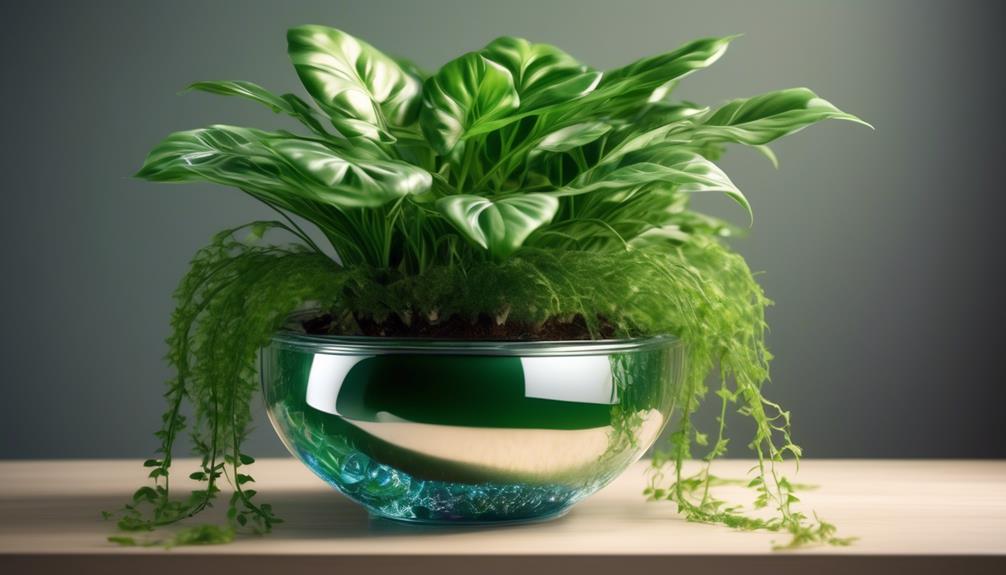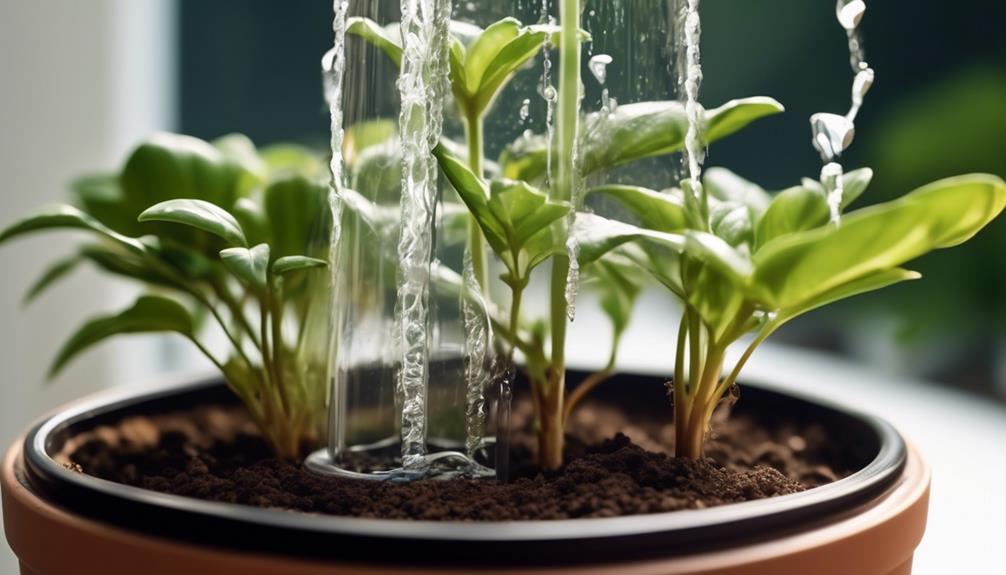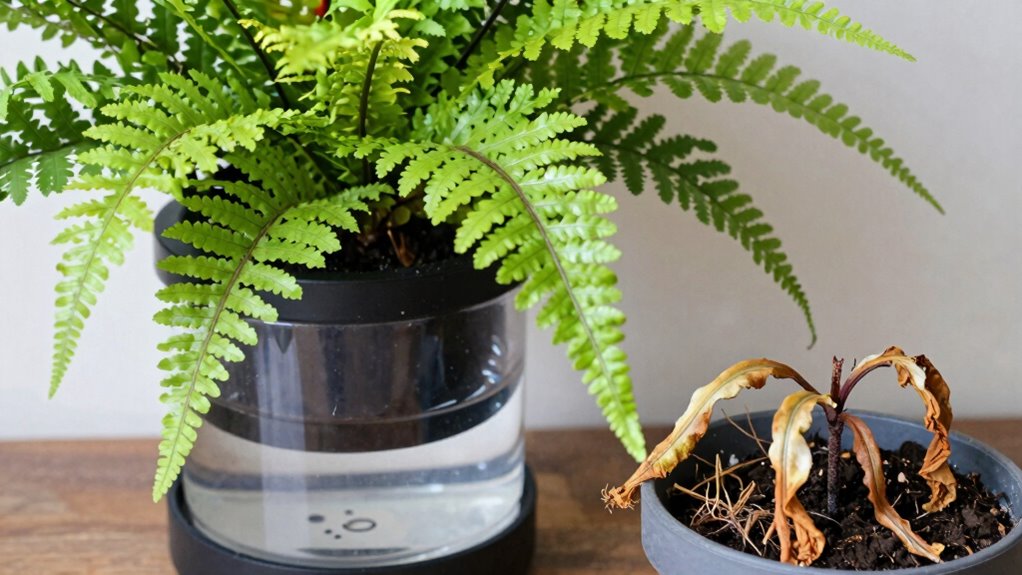

You notice some plants thrive in self-watering pots because their water and oxygen needs match the pot’s design, while others struggle when conditions aren’t right. Plants from moist, shaded environments do well with consistent moisture, but drought-tolerant species often suffer from excess water and poor airflow. Factors like soil drainage, pot design, and how well you match the plant’s natural habitat are key. Stay with us to discover how to optimize your plant success.

Get the little things that make your day delivered free — and shop member deals
- Fast, free delivery on millions of items
- Access to Prime Big Deal Days deals on October 6–7
- Prime Video, Amazon Music and more included
Key Takeaways
- Plants native to moist environments and with high water needs thrive in self-watering pots.
- Drought-tolerant plants may suffer from overwatering in self-watering systems lacking proper drainage.
- Adequate soil aeration and drainage are essential for plants sensitive to root oxygen deprivation.
- Proper reservoir size and design influence moisture levels and plant health.
- Matching plant water requirements with the pot’s moisture delivery system ensures better growth outcomes.
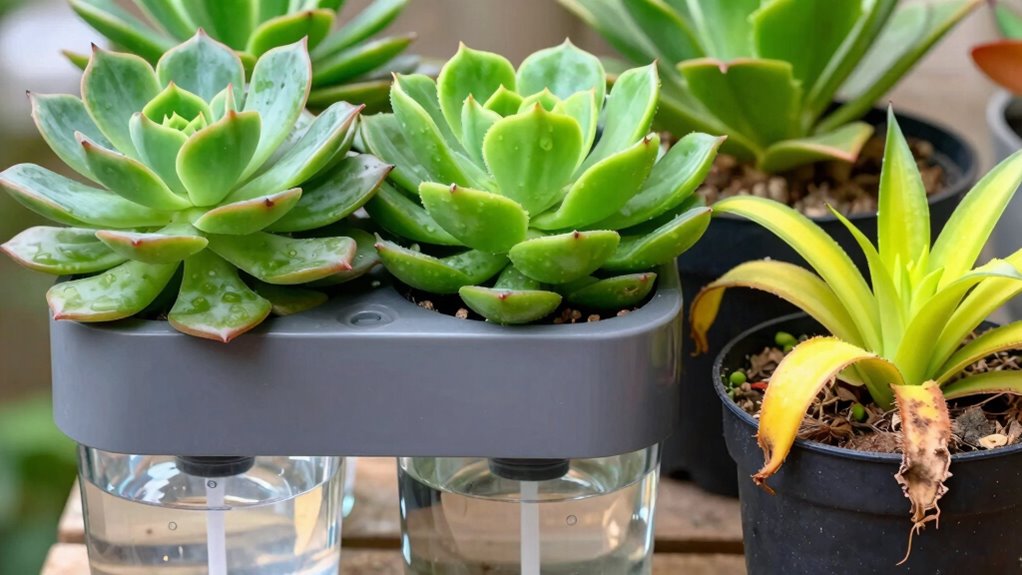
Self-watering pots are a practical solution for busy gardeners or anyone who wants to make certain their plants stay healthy without constant attention. These containers use a water reservoir and wicking system to supply moisture gradually, reducing the need for frequent watering. But, despite their convenience, not all plants thrive equally well in these setups. Understanding why some plants flourish while others struggle can help you decide if a self-watering pot is right for your greenery.
One key factor is plant root oxygenation. Many plants need ample oxygen around their roots to grow strong and resist disease. Self-watering pots, with their water reservoirs, can sometimes create overly saturated conditions that limit oxygen flow. If the water retention is too high or the pot’s design doesn’t promote good airflow, roots can become waterlogged and deprived of oxygen. Plants like succulents or cacti, which require well-draining soil and less frequent watering, often struggle in these environments because their roots need more air and less constant moisture. Conversely, plants that prefer consistently moist soils, such as peace lilies or ferns, tend to do well because they benefit from the steady water supply without becoming waterlogged.
Overly saturated self-watering pots can suffocate roots, especially for succulents and cacti needing well-drained, airy soil.
Another vital aspect is maintaining the water retention balance. Self-watering pots excel at holding moisture but can go awry if they don’t strike the right balance. Too much water can drown roots, leading to rot, while too little can cause drought stress. The effectiveness of these pots depends on factors like the size of the reservoir, the wicking material, and the pot’s design. If the water reservoir is too large, it might keep the soil perpetually wet, which suits some plants but harms others. If it’s too small, your plants might dry out quickly, defeating the purpose of the self-watering system. You need to take into account your specific plant’s water needs and adjust accordingly. Additionally, understanding your plant’s natural habitat can guide you in choosing the right container. Plants native to moist, shaded environments often thrive in self-watering pots because they’re adapted to consistent moisture levels. Drought-tolerant species, however, may suffer from excess water and need more draining, well-aerated soil. Recognizing the importance of proper soil drainage and how it impacts plant health can make all the difference. By paying attention to these factors—plant root oxygenation needs and water retention balance—you can increase your chances of success with self-watering pots. When matched correctly to the plant’s preferences, these containers can make gardening more manageable and ensure your plants stay healthy, vibrant, and thriving.
self-watering plant pots for indoor plants
As an affiliate, we earn on qualifying purchases.
As an affiliate, we earn on qualifying purchases.
Frequently Asked Questions
Can All Plant Types Adapt Well to Self-Watering Pots?
Not all plant types adapt well to self-watering pots. You’ll find that plant compatibility varies because some plants prefer specific watering frequencies and moisture levels. For example, succulents need less frequent watering, while tropical plants thrive with consistent moisture. When choosing a self-watering pot, consider your plant’s needs, adjusting watering frequency accordingly. This helps guarantee healthy growth and prevents overwatering or underwatering issues.
How Often Should I Refill the Water Reservoir?
You should refill the water reservoir when the water level drops to about one inch above the outlet. Ironically, even plants that love consistent moisture can suffer if you overlook the refill frequency. Check the water level daily, especially in hot weather, to prevent it from running dry. Regular refills guarantee your plants stay happy and healthy, but neglect can turn a self-watering pot into a dry, sad plant prison.
Are Self-Watering Pots Suitable for Outdoor Plants?
Yes, self-watering pots can be suitable for outdoor plants, but you should consider outdoor durability and pest resistance. Look for a sturdy, weather-resistant design to withstand elements like rain and sun. Choose pots with pest-resistant features to prevent critters from damaging your plants. Regularly check water levels and protect the system from pests, ensuring your outdoor plants stay healthy and well-hydrated in self-watering containers.
Do Self-Watering Pots Prevent Root Rot Effectively?
Do self-watering pots truly prevent root rot? Yes, they markedly improve root rot prevention by providing consistent water regulation. This steady moisture level keeps the roots from sitting in excess water, reducing the risk of rot. However, you still need to monitor your plants and avoid overfilling the reservoir. Proper use combined with water regulation makes self-watering pots a reliable tool for healthier roots and thriving plants.
What Maintenance Is Required for Self-Watering Systems?
You should regularly check the water level and clean the reservoir to prevent blockages. Guarantee soil aeration by gently loosening the soil occasionally, which promotes healthy roots. You also need to monitor the nutrient balance, as self-watering systems can deplete essential nutrients faster. Top off water when necessary, and consider adding liquid fertilizers periodically to keep your plants healthy and thriving in the system.
drainage and aeration soil for succulents
As an affiliate, we earn on qualifying purchases.
As an affiliate, we earn on qualifying purchases.
Conclusion
Just like some people flourish in the right environment, plants thrive when their needs are met—whether in self-watering pots or traditional ones. I once watched a friend’s lush spider plant, thriving effortlessly in a self-watering pot, while her other plants struggled. Think of these pots as a nurturing handshake, providing just enough moisture without overdoing it. When you understand your plant’s unique needs, you’ll help it thrive, no matter the container.
watering system for moisture-loving plants
As an affiliate, we earn on qualifying purchases.
As an affiliate, we earn on qualifying purchases.
reservoir self-watering planters
As an affiliate, we earn on qualifying purchases.
As an affiliate, we earn on qualifying purchases.
Halloween Picks
halloween
As an affiliate, we earn on qualifying purchases.