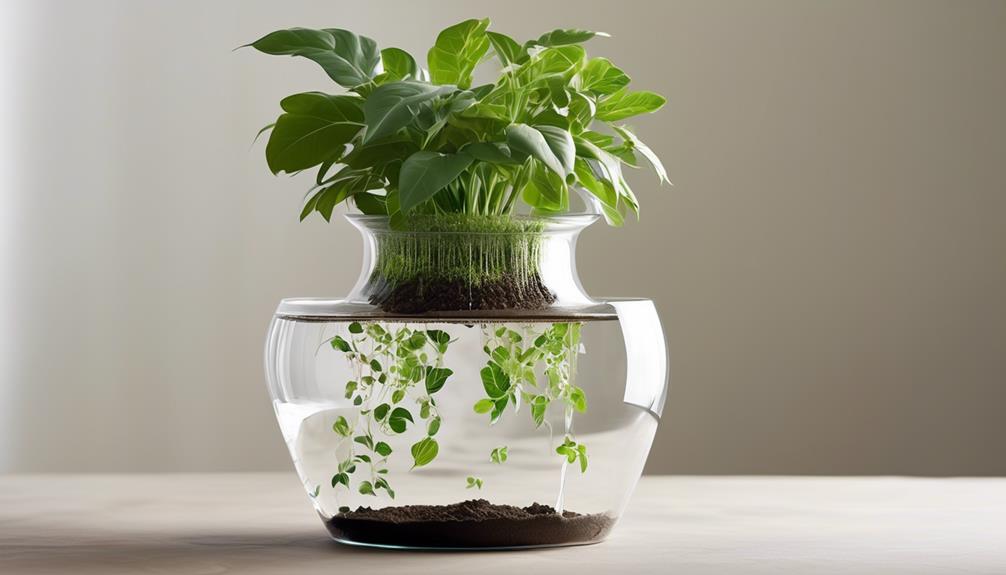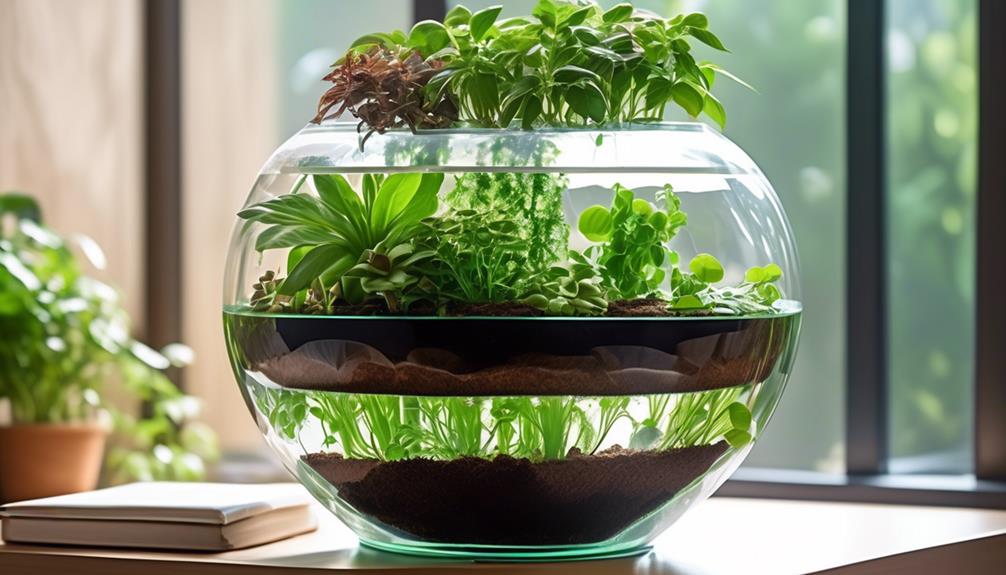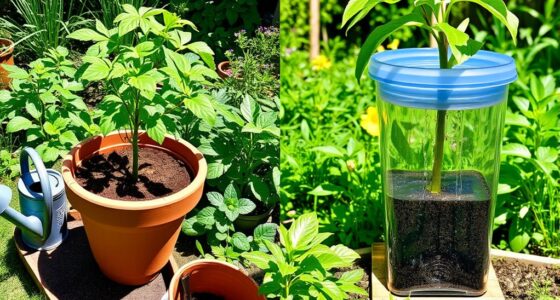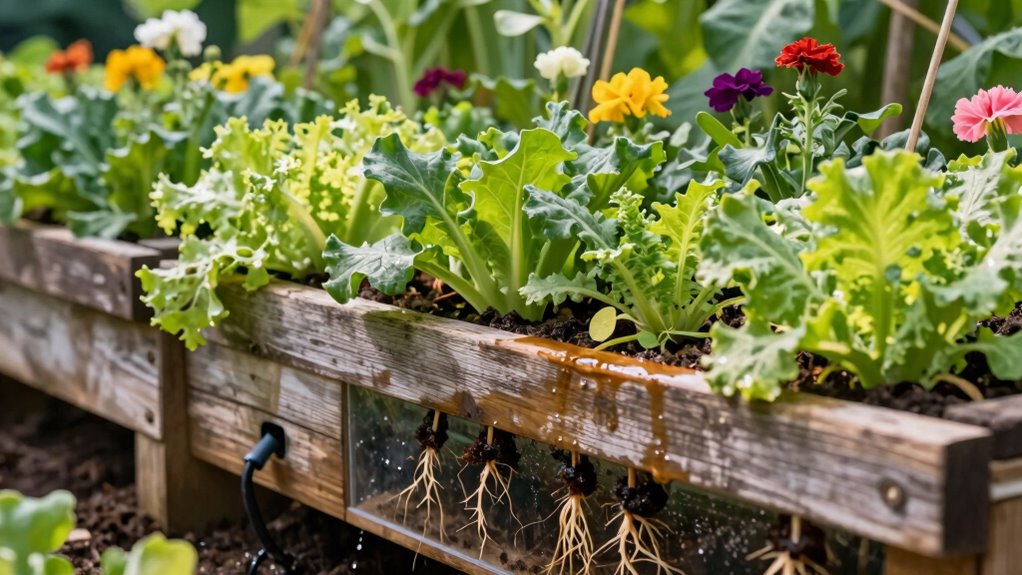
Sub-irrigated planters are highly efficient because they deliver water from below, keeping moisture steady and reducing overwatering or drought stress. This consistent watering promotes healthy root growth, making plants stronger and more resilient. They also improve nutrient uptake and create a stable environment that helps prevent root rot and disease. Plus, their design minimizes water waste and supports eco-friendly gardening. If you want to discover more about their many benefits, keep exploring how they can transform your gardening experience.
Key Takeaways
- Provides consistent, below-soil watering that maintains stable moisture levels and reduces over- or under-watering risks.
- Promotes healthy root development and efficient nutrient uptake by encouraging roots to grow downward toward moisture.
- Minimizes watering frequency, conserving water and reducing waste through targeted delivery.
- Creates a stable environment that prevents root rot and disease, supporting resilient plant health.
- Enhances overall plant growth and vigor by ensuring optimal moisture conditions with eco-friendly design features.
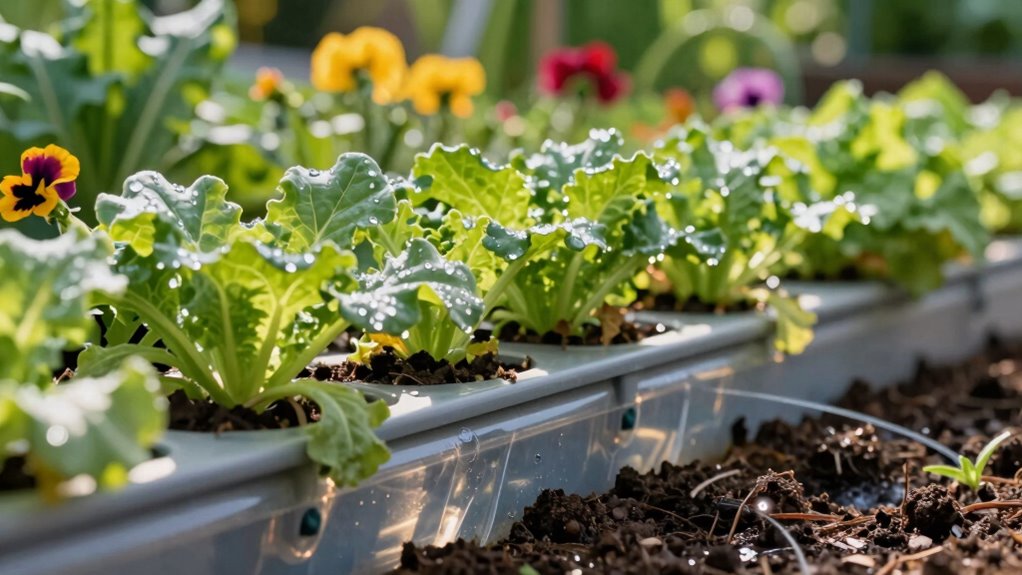
Have you ever wondered how sub-irrigated planters can boost your gardening efficiency? These planters work by delivering water from below, which means you can maintain a steady, reliable supply of moisture for your plants. This approach significantly improves watering consistency, ensuring your plants receive the right amount of water at the right times. Unlike traditional watering methods, where you might overwater or forget to water altogether, sub-irrigated planters keep moisture levels stable, reducing stress on your plants and promoting healthier growth. When watering is consistent, your plants develop stronger, more resilient roots because they aren’t subjected to the ups and downs of drying out and overwatering. Instead, they can focus their energy on growing rather than coping with inconsistent moisture levels.
The key to this system’s efficiency lies in its ability to promote optimal root health. When roots stay consistently moist, they don’t need to stretch or search for water, which encourages a dense, healthy root system. Strong roots improve nutrient uptake, making your plants more vigorous and productive. Because the water is delivered from below, roots grow downward toward the moisture source, creating a more stable and extensive root network. This reduces the risk of root rot caused by standing water on the surface or overwatering, while also ensuring your plants receive a continuous supply of moisture. Additionally, the design of sub-irrigated planters often incorporates efficient water use, making them an eco-friendly choice for many gardeners. Over time, this leads to healthier plants that are less vulnerable to pests and diseases typically associated with poor root health.
sub-irrigated planter with water reservoir
As an affiliate, we earn on qualifying purchases.
As an affiliate, we earn on qualifying purchases.
Frequently Asked Questions
How Do Sub-Irrigated Planters Compare to Traditional Planters Financially?
You’ll find sub-irrigated planters more cost-effective over time through a thorough cost analysis. While they might cost more upfront, their long-term savings come from reduced water usage, less frequent watering, and lower maintenance costs. These factors help you save money in the long run, making them a smart investment. Overall, their efficiency and durability contribute considerably to financial benefits compared to traditional planters.
Are Sub-Irrigated Planters Suitable for All Types of Plants?
You might think sub-irrigated planters are a one-size-fits-all solution, but they aren’t perfect for every plant. Some plants need specific soil requirements or thrive in different environments, making plant compatibility essential. For instance, delicate seedlings or plants with specialized soil needs may struggle in these planters. Before using them, check your plant’s soil requirements and compatibility to guarantee healthy growth and avoid disappointment.
What Maintenance Is Required for Sub-Irrigated Planters?
You need to regularly check soil moisture levels in your sub-irrigated planters to prevent overwatering, and guarantee proper soil aeration for healthy roots. Keep an eye out for pests and manage them promptly to avoid infestations. Periodically clean the water reservoir and filters to maintain efficient watering, and inspect for any clogs or damage. Proper maintenance keeps your planter system functioning smoothly and promotes healthy plant growth.
Can Sub-Irrigated Planters Be Used Indoors?
Yes, you can definitely use sub-irrigated planters indoors for your gardening needs. They’re perfect for indoor gardening because they maintain consistent moisture, reducing overwatering concerns. Plus, their durable design withstands indoor conditions, making them a practical choice. You’ll enjoy healthier plants with less fuss, and the efficient watering system means you spend less time on maintenance. Sub-irrigated planters truly combine durability and convenience for your indoor garden.
How Do Sub-Irrigated Planters Impact Water Conservation Efforts?
Sub-irrigated planters boost water conservation by promoting better water absorption, ensuring plants get consistent moisture without overwatering. This system minimizes runoff and evaporation, helping you save water. Plus, they enhance soil health by maintaining ideal moisture levels, which encourages beneficial microbial activity. As a result, your plants thrive with less water, making these planters an eco-friendly choice that supports sustainable water use and healthier soil over time.
As an affiliate, we earn on qualifying purchases.
Conclusion
So, next time you’re surprised by how your plants thrive with minimal effort, remember—it’s all thanks to the genius of sub-irrigated planters. They quietly do the heavy lifting, conserving water and boosting growth, while you sit back and take the credit. Ironically, it’s the simplest systems that often outperform the complicated ones, proving that sometimes, less really is more—at least in gardening. Happy planting, and enjoy the effortless green thumb!
eco-friendly sub-irrigated planter
As an affiliate, we earn on qualifying purchases.
As an affiliate, we earn on qualifying purchases.
As an affiliate, we earn on qualifying purchases.