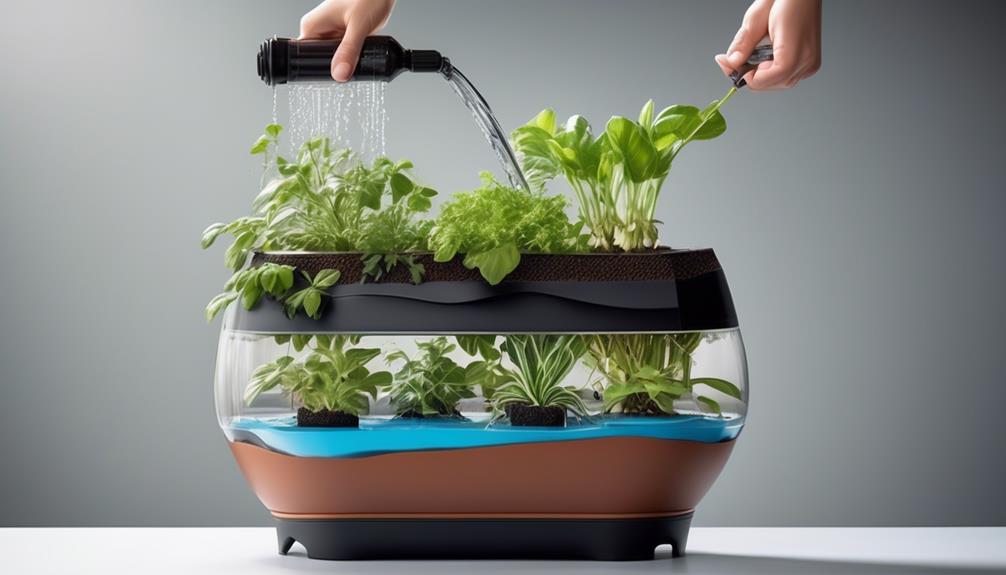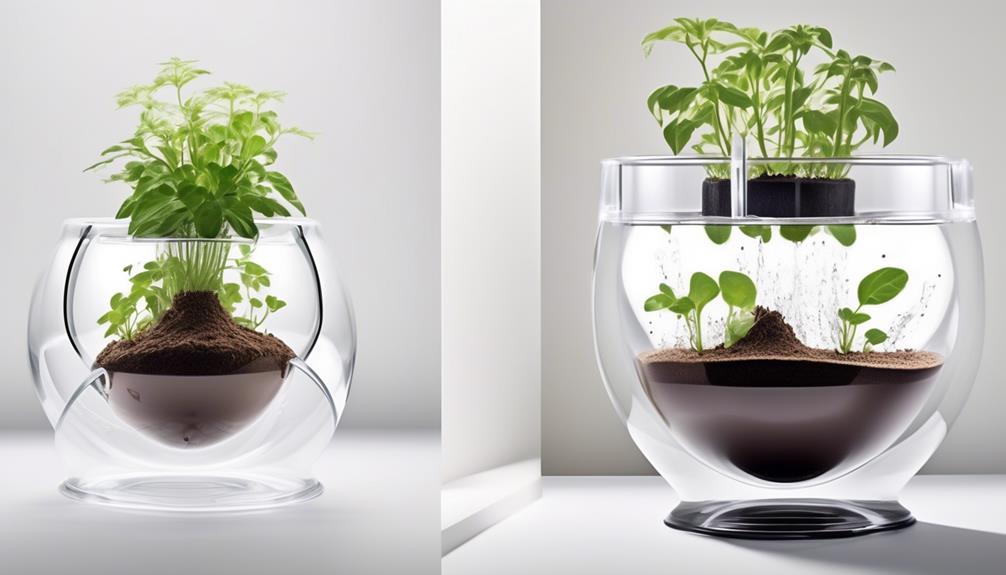
To avoid root rot in oversized self-watering pots, you need to monitor moisture levels regularly and guarantee proper soil aeration. Do not overfill the reservoir and check that excess water doesn’t linger around roots. Add coarse materials like perlite or gravel to improve airflow and prevent soggy conditions. Keep an eye on plant health and soil smell for signs of overwatering. For more tips on maintaining healthy roots, explore further strategies below.

Get the little things that make your day delivered free with Prime
- Fast, free delivery on millions of items
- Prime Video, Amazon Music and more included
- Member-only deals all year
Key Takeaways
- Regularly check soil moisture with a finger test to prevent overwatering.
- Improve soil aeration by adding coarse materials like perlite or gravel.
- Avoid overfilling the reservoir; monitor water levels and drainage.
- Ensure proper drainage and aeration features in the self-watering pot.
- Remove and inspect plants if signs of root rot appear, then repot with fresh soil.
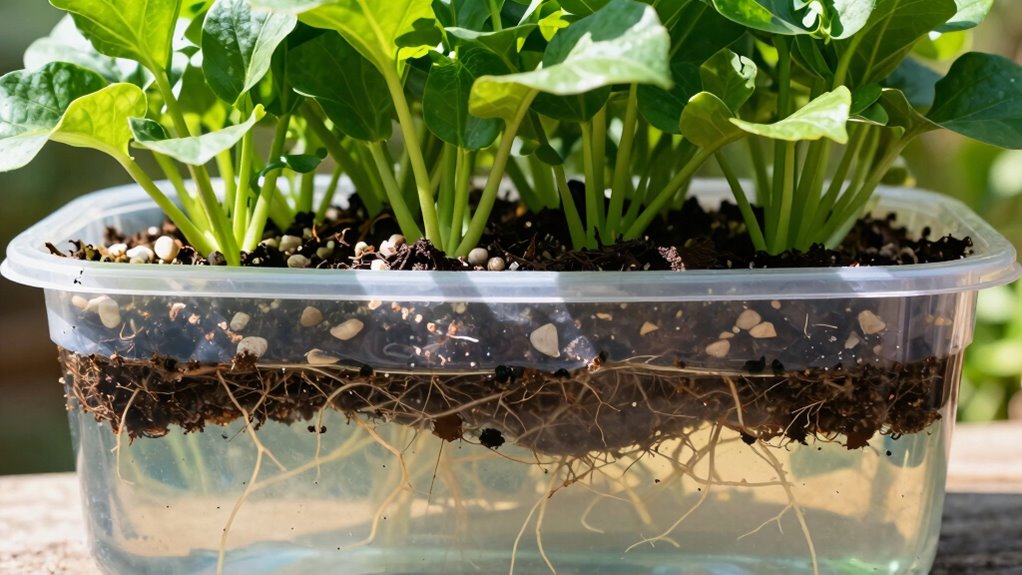
Oversized self-watering pots are convenient, but they can increase the risk of root rot if not managed properly. Because these pots hold a large amount of water, excess moisture can linger around the roots, creating an environment ripe for fungal growth and decay. To prevent this, you need to focus on maintaining good soil aeration and a proper watering schedule. Good soil aeration allows oxygen to reach the roots, which is essential for healthy plant growth and helps prevent soggy conditions that promote rot. If your self-watering pot isn’t designed with sufficient drainage or aeration features, you should consider adding materials like coarse sand or small gravel at the bottom or mixing perlite into the soil. These additions improve airflow through the soil, reducing moisture retention and allowing roots to breathe.
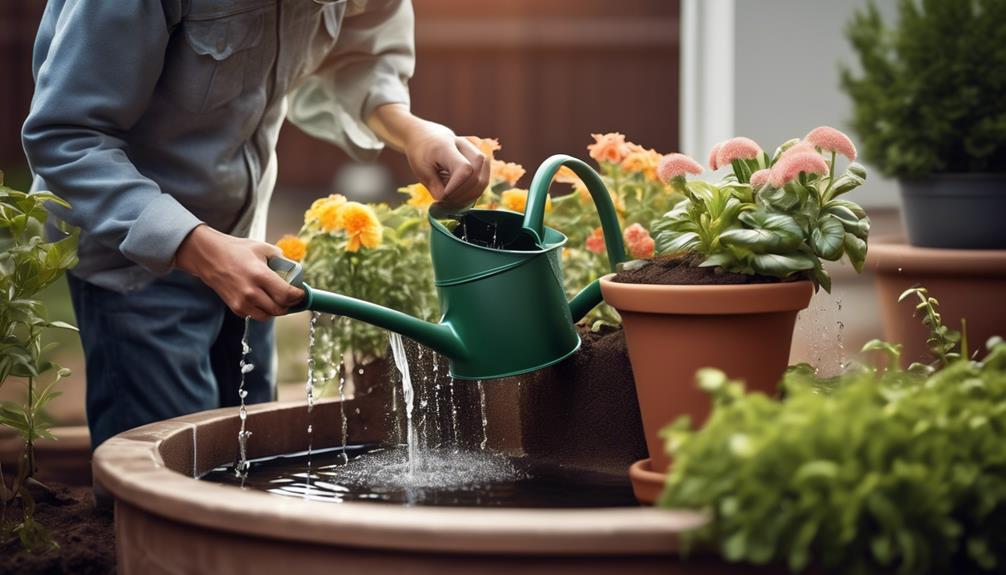
Equally important is establishing a consistent and appropriate watering schedule. While self-watering pots are designed to supply water gradually, they can still deliver too much or too little if you don’t monitor them carefully. Overwatering is the primary cause of root rot, so it’s vital to understand your plant’s specific needs. Check the moisture level of the soil regularly—don’t rely solely on the water level indicator if your pot has one. Instead, insert your finger about an inch into the soil to feel for moisture. If it feels wet or soggy, delay watering until the soil has dried out somewhat. Conversely, if the soil feels dry, it’s time to add water, but avoid overcompensating. Adjust your watering schedule based on factors like the season, indoor humidity, and the plant’s growth stage. Recognizing the importance of soil aeration can significantly reduce the risk of root rot.
Another key point is to avoid keeping the soil constantly saturated. Self-watering pots often come with a reservoir, but it’s easy to overfill it thinking the plant needs more water. Remember, the reservoir should maintain a moist environment, not a waterlogged one. Regularly inspect the reservoir and the soil’s surface to ensure they’re not overly wet. If you notice persistent wetness or a foul smell, it’s a sign to reduce watering frequency or improve soil drainage. Additionally, consider removing the plant temporarily if you notice signs of root rot or overly moist soil, then repot with fresh, well-draining soil. Maintaining a balance between soil aeration and a proper watering schedule is your best strategy to keep roots healthy and avoid rot.
Products Worth Considering

EGO Power+ 21 Cordless Electric Lawn Mower Kit, Self-Propelled (LM2135SP)

Orbit B-hyve XR 8-Zone Indoor/Outdoor Smart Sprinkler Controller

Orbit B-hyve XD 4-Port Smart Hose Watering Timer with Wi-Fi Hub
As an affiliate, we earn on qualifying purchases.
Frequently Asked Questions
Can Overwatering in Self-Watering Pots Cause Root Rot?
Yes, overwatering in self-watering pots can cause root rot. When you overwater, poor soil aeration and inadequate water drainage trap excess moisture around roots, creating a perfect environment for rot. To prevent this, guarantee your pots have proper drainage holes and use well-draining soil. Avoid letting the water level stay too high, and allow the soil to dry slightly between watering sessions. This promotes healthy roots and prevents rot.
How Often Should I Check for Root Rot in Large Self-Watering Containers?
An ounce of prevention is worth a pound of cure. You should check for root rot every one to two weeks in large self-watering containers. Regular moisture monitoring lets you catch issues early, especially since watering frequency can vary with weather and plant needs. Look for signs like yellowing leaves or a foul smell, and adjust your watering schedule accordingly to keep roots healthy.
Are There Specific Plants More Prone to Root Rot in Oversized Pots?
Certain plant species, like succulents and orchids, are more prone to root rot in oversized pots because they prefer well-draining soil and less water retention. You should pay close attention to soil drainage and avoid overwatering these plants. Regularly check the roots for signs of rot, especially if the plant’s species naturally thrives in drier conditions. Proper soil and watering habits help prevent root rot in vulnerable plant types.
What Are the Signs of Early Root Rot in Self-Watering Systems?
You’ll notice early root rot signs like wilting, yellowing leaves, or a foul smell from the soil, indicating compromised root health. Check for water drainage issues; if water pools in the self-watering pot or stays too long, it can suffocate roots. Regularly inspect the roots for dark, slimy patches, and guarantee your system maintains proper water levels to prevent overwatering and promote healthy root growth.
Can Using Different Soil Types Prevent Root Rot in Large Pots?
Think of soil types as the armor your plants wear; choosing the right one can prevent root rot. Using different soil compositions enhances drainage, preventing excess water from stagnating and causing rot. Incorporate well-draining materials like perlite or sand to improve drainage, especially in large pots. This strategy keeps roots healthy, allowing plants to thrive. Switching soil types isn’t just practical—it’s a shield against the silent threat of root rot.
Conclusion
By choosing the right-sized, well-draining self-watering pot, you prevent root rot from taking hold. It’s like giving your plant a cozy, breathable home instead of trapping it in a swamp. When you pay attention to watering habits and guarantee proper drainage, you’re not just avoiding problems—you’re creating a thriving environment. So, think of your plant’s health as a dance: balance and care lead to a flourishing, vibrant life, not a soggy demise.