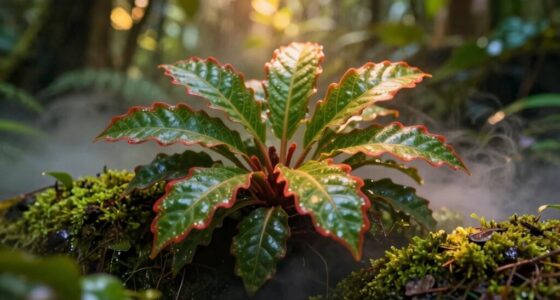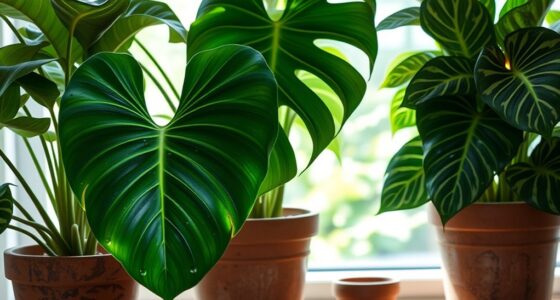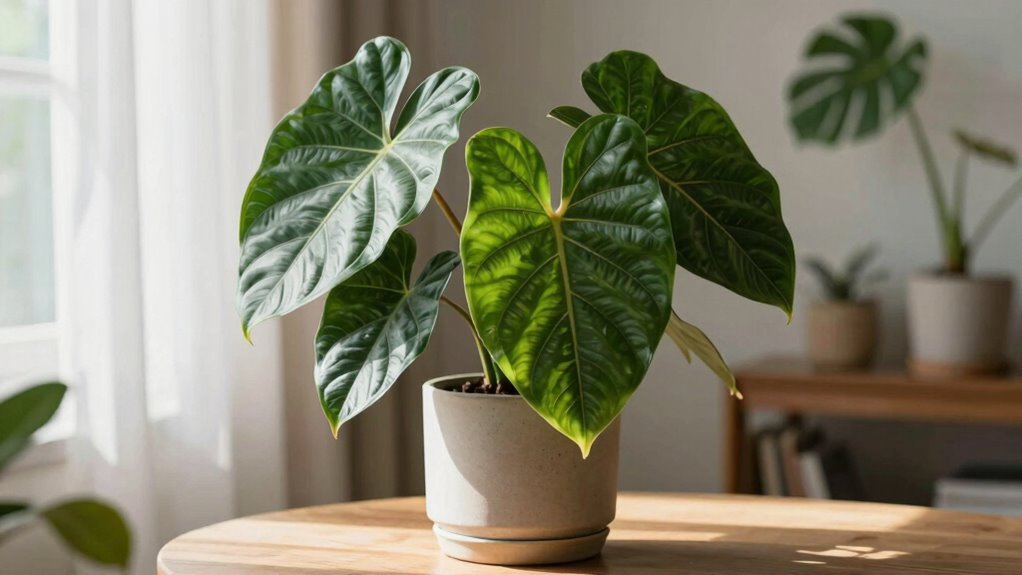

You’ve probably noticed rare philodendrons now filling homes and cafes, thanks to social media and plant communities sharing their beauty. Propagation techniques make these plants more accessible and affordable for enthusiasts like you. Influencers and celebrities showcase their collections online, sparking even more interest. As demand grows, nurseries offer a wider variety at lower prices, making these plants more mainstream. Stick around to discover how this green revolution keeps flourishing.

Get the little things that make your day delivered free with Prime
- Fast, free delivery on millions of items
- Prime Video, Amazon Music and more included
- Member-only deals all year
Key Takeaways
- Social media sharing and influencer influence popularized rare philodendrons as desirable home decor.
- Propagation techniques made cultivating rare varieties accessible and affordable for enthusiasts.
- The rise of curated displays and aesthetic content increased visibility and demand.
- Growing market demand encouraged nurseries to offer more varieties at lower prices.
- Community sharing and tutorials democratized propagation, making rare plants more attainable for all.
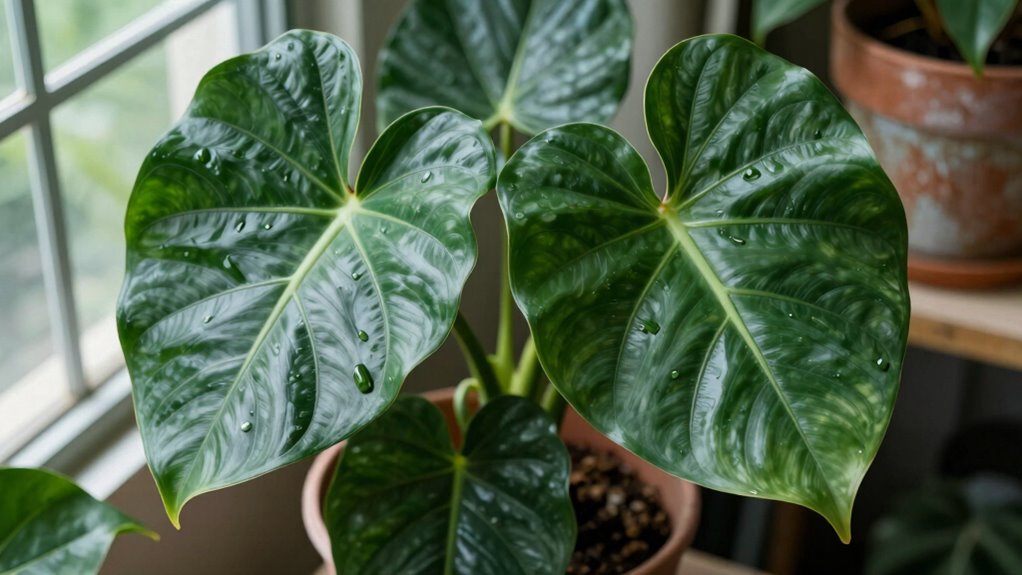
Once considered elusive and reserved for dedicated collectors, rare philodendrons have surged into the mainstream houseplant scene thanks to social media and plant enthusiasts sharing their finds. Today, these lush, striking plants are common sights in homes, offices, and even cafes. The shift happened as more people discovered the beauty and uniqueness of varieties like the Philodendron Billietiae or the Pink Princess. Their rise to popularity isn’t just about aesthetics; it’s also about accessibility. Thanks to simple propagation techniques, you can grow your own rare philodendron from cuttings, making them more attainable than ever. Propagation often involves taking stem cuttings that include a node, then placing them in water or soil until roots develop. This method allows you to expand your collection inexpensively, and many plant shops now offer propagated pieces, making it easier for beginners to get started. As you learn these techniques, you realize that cultivating rare philodendrons isn’t just for experts—it’s a craft that anyone can master with patience.
The influence of celebrity plant collections cannot be understated in this movement. Influencers and plant enthusiasts sharing their curated displays on social media platforms like Instagram and TikTok have elevated rare philodendrons into must-have items. When a well-known personality posts a photo of their lush, exotic collection, it sparks a desire among followers to replicate that look. This visibility fuels demand, which in turn encourages growers and nurseries to offer more rare varieties. The trend has created a feedback loop: more exposure leads to increased popularity, and that popularity drives prices down as supply catches up. Many of these collections feature a mix of common and rare philodendrons, showcasing creative arrangements that highlight their unique foliage. Seeing the plants in such curated displays inspires you to start your own collection, focusing on varieties that once seemed out of reach. Additionally, understanding the role of color accuracy and contrast ratio in the visual presentation of these plants on social media helps enthusiasts appreciate the true beauty of each variety. Moreover, the accessibility of propagation methods plays a crucial role in democratizing the hobby, allowing more people to participate without significant investment. The rise of online communities and tutorials has further broken down the barriers to entry, making the hobby more inclusive for everyone interested.
Thanks to social media, the barriers to acquiring and propagating rare philodendrons have considerably lowered. You can learn propagation techniques through countless tutorials and community groups that share tips and success stories. Watching celebrity plant collections online also motivates you to explore different varieties. The thrill of nurturing a rare plant from a small cutting to a mature specimen is part of what makes this hobby so engaging. As more people share their journeys, the once-exclusive world of rare philodendrons becomes a shared passion. Their mainstream status now feels well-deserved, driven by accessible propagation methods and the inspiring influence of celebrity collections. This democratization has also led to a more diverse range of cultivars, making the hobby richer and more exciting. This combination has turned rare philodendrons from elusive treasures into everyday joys for plant lovers everywhere.
Philodendron Pink Princess plant
As an affiliate, we earn on qualifying purchases.
As an affiliate, we earn on qualifying purchases.
Frequently Asked Questions
What Specific Care Tips Do Rare Philodendrons Require?
You should provide rare philodendrons with well-draining soil that’s rich in organic matter, avoiding waterlogged roots. They prefer bright, indirect light—too much direct sun can scorch their leaves, while too little hampers growth. Keep the soil consistently moist but not soggy, and maintain high humidity for ideal health. Regularly check for pests, and fertilize monthly during the growing season to promote lush foliage.
Are Rare Philodendrons More Expensive Than Common Varieties?
Yes, rare philodendrons are more expensive than common varieties due to plant hybridization and market demand. You might find a unique specimen priced like a luxury item, reflecting their exclusivity. For example, a collector once paid a premium for a variegated philodendron, much like a rare artwork. The rarity and desirability drive prices up, making these plants a status symbol for enthusiasts willing to pay extra for exclusivity.
How Can I Differentiate Between Similar Philodendron Species?
To differentiate between similar philodendron species, look closely at their leaf morphology—shape, size, and texture. Hybrid varieties often display unique traits, such as variegation or distinct leaf patterns. Compare the leaf edges and venation patterns, as these can vary between species. Paying attention to these details helps you identify each philodendron accurately and appreciate the diversity among these popular houseplants.
What Are Common Pests That Affect Rare Philodendrons?
Oh, the tiny villains that love your rare philodendrons! Common pests like spider mites, mealybugs, and scale insects sneak in, plotting mischief. To keep them at bay, practice pest control and regularly inspect your plant, preventing the spread of disease. Remember, a vigilant plant parent is a happy plant parent. Keep your philodendrons healthy and pest-free, and they’ll reward you with lush, vibrant leaves—no pest invasion needed!
Can Rare Philodendrons Be Propagated Easily at Home?
Yes, you can propagate rare philodendrons easily at home using propagation techniques like stem cuttings or division. For stem cuttings, choose healthy, mature stems and root them in a well-draining soil mixture with peat, perlite, or orchid bark. Keep the soil moist and provide bright, indirect light. Division works best for clumping varieties, separating root sections carefully, then planting them in similar soil for healthy growth.
As an affiliate, we earn on qualifying purchases.
Conclusion
So, now that rare philodendrons are everywhere, it’s like you’re holding a secret garden in your home. Their journey from elusive treasures to popular staples shows how passion and curiosity can turn the rare into the everyday. As you care for your plant, remember it’s part of a vibrant story of discovery and love for nature. Keep cultivating your green space—after all, a bit of rarity can make your home feel like a lush paradise.
As an affiliate, we earn on qualifying purchases.
water propagation plant containers
As an affiliate, we earn on qualifying purchases.
As an affiliate, we earn on qualifying purchases.
Halloween Picks
halloween
As an affiliate, we earn on qualifying purchases.