
TL;DR

Get the little things that make your day delivered free — and shop member deals
- Fast, free delivery on millions of items
- Access to Prime Big Deal Days deals on October 6–7
- Prime Video, Amazon Music and more included
Ergonomic backpacks for students are designed to reduce back strain with features like adjustable straps, padded support, and lightweight materials. Choosing the right one can prevent pain and promote better posture, especially when weight limits are respected.
Ever carried a backpack that felt like it was pulling you down? You’re not alone. A heavy, badly designed backpack can turn a simple school day into a backache marathon.
But there’s good news. Ergonomic backpacks exist to make carrying your books easier and safer. They’re designed with your body in mind—distributing weight evenly, supporting your spine, and reducing pain.
In this guide, you’ll learn what makes a backpack ergonomic, how to spot the best features, and what recent innovations are transforming student backpacks into health-supporting gear.
Always measure your child’s torso and follow the 10-15% weight rule to prevent strain.
Prioritize backpacks with adjustable straps, padded support, and breathable fabric.
Recent tech innovations like sensors and eco-friendly materials are making backpacks safer and smarter.
Teach your child proper packing and adjustment habits to maintain health.
Regularly check and replace worn features to keep support effective.
Why a Properly Fitted Backpack Can Save Your Back
When a backpack fits well, it feels like an extension of your body, not a load hanging off your shoulders. An ergonomic backpack hugs your back snugly, with padded straps that don’t cut into your shoulders.
Imagine slipping into a pair of shoes that fit perfectly—no pinching, no blisters. That’s what a good fit feels like for a backpack. It keeps the weight close to your spine, reducing strain and preventing slouching.
For example, a student carrying a 15-pound load should keep that under 10-15% of their body weight. A backpack that’s too loose or too tight throws off this balance, leading to discomfort and potential injury. Proper fit is crucial because it ensures the load is evenly distributed across the strongest parts of the body—your hips and shoulders—reducing the risk of muscle fatigue and long-term musculoskeletal problems. When the fit is off, the strain shifts to unsupported areas, increasing the chance of pain and injury over time.
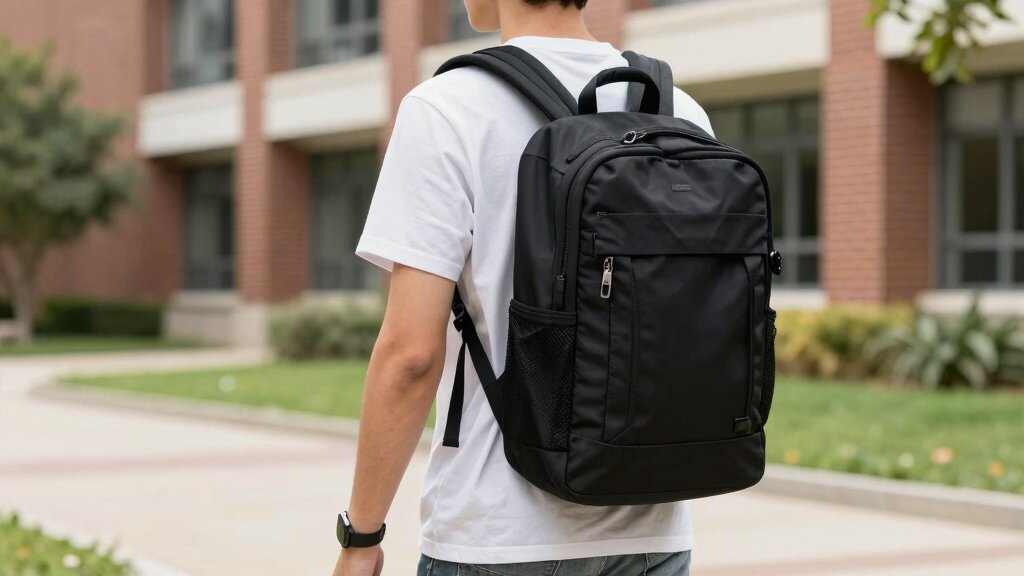
ergonomic student backpack with adjustable straps
As an affiliate, we earn on qualifying purchases.
As an affiliate, we earn on qualifying purchases.
Top 5 Features to Look for in an Ergonomic Backpack
| Feature | Why It Matters |
|---|---|
| Adjustable padded straps | Allow customization to fit different body sizes and shapes, ensuring even weight distribution. Proper adjustment prevents straps from digging into shoulders or slipping, which can cause uneven load and discomfort. |
| Contoured back panel | Supports the natural curves of the spine, promoting good posture and reducing pressure points. A well-contoured panel minimizes the risk of back pain by aligning the load with the body’s natural alignment, but it must be paired with correct fit to be effective. |
| Multiple compartments | Help distribute weight evenly across the backpack, preventing lumps and uneven loads that can cause imbalance. Proper organization also reduces the need for heavy, bulky items to be packed in one place, lowering overall weight. |
| Lightweight materials | Reduce the overall weight of the backpack itself, making it easier to carry without adding unnecessary strain. However, lightweight materials must still be durable enough to withstand daily use, so there’s often a tradeoff between weight and longevity. |
| Breathable fabric | Prevents overheating and sweat buildup on the back, which can cause discomfort and skin issues. Breathable fabrics promote better airflow, but they may require more frequent cleaning or maintenance to retain their properties. |
Imagine a backpack with gel-infused straps that mold to your shoulders or a padded lumbar support that cradles your lower back. These features turn a simple bag into a health ally, but they must be properly adjusted and used in conjunction with other ergonomic features to truly support the body’s health.
As an affiliate, we earn on qualifying purchases.
How to Choose a Backpack That Fits Your Child Perfectly
- Measure your child’s torso length from the base of the neck to the waist. This helps determine backpack size. A correctly sized backpack should sit comfortably without extending beyond the lower back, allowing for easy movement and proper weight distribution.
- Check shoulder strap adjustability—straps should let the pack sit 2 inches below the shoulder blades. Proper adjustment ensures the weight is carried high on the back, reducing strain on shoulders and neck muscles.
- Ensure the backpack weighs less than 10-15% of your child’s body weight. This rule helps prevent overloading, which can lead to poor posture and back pain. Remember, even the best-designed pack can cause issues if overloaded.
- Look for padded, breathable straps and back panels. Padding provides comfort and reduces pressure points, while breathable fabrics help keep the back dry and comfortable during extended wear.
- Test the fit: Have your child wear the pack with full weight, then check for comfort, balance, and whether it stays close to the back. A well-fitting backpack minimizes unnecessary movement and strain, which are key to preventing discomfort and injury.
For example, a 12-year-old weighing 80 pounds should carry no more than 12 pounds in their backpack. Ensuring a proper fit isn’t just about comfort—it’s about actively reducing the risk of long-term back problems and promoting healthy posture as your child grows.
lightweight ergonomic school backpack
As an affiliate, we earn on qualifying purchases.
As an affiliate, we earn on qualifying purchases.
Recent Innovations Making Backpacks Safer and Smarter
Ergonomic backpacks for students are getting a tech upgrade. Smart backpacks now include sensors that monitor weight distribution and posture, alerting students when they’re carrying too much or slouching. These innovations are significant because they provide real-time feedback, encouraging healthier habits and preventing the onset of back pain before it becomes a chronic issue. The tradeoff, however, is that these high-tech features can increase the cost and complexity of the backpack, which might be a consideration for budget-conscious families.
Brands are also turning to eco-friendly materials—recycled polyester and organic cotton—without sacrificing durability. These eco-conscious choices help reduce environmental impact, but they must be balanced with the need for strength and wear resistance. Plus, modular designs let students customize compartments to suit their daily needs, offering flexibility but potentially adding weight if not designed thoughtfully.
Imagine a backpack that charges your tablet or includes reflective elements for safety during evening walks. These innovations blend health, convenience, and sustainability into one package, but it’s important to evaluate whether the added features genuinely enhance safety and health or just add unnecessary complexity.
backpack with contoured back panel
As an affiliate, we earn on qualifying purchases.
As an affiliate, we earn on qualifying purchases.
Quick Comparison: Regular vs. Ergonomic Backpacks
| Feature | Regular Backpack | Ergonomic Backpack |
|---|---|---|
| Design Focus | Basic storage, minimal support | Supports posture, distributes weight effectively |
| Weight Limit | Often exceeds recommended limits, increasing strain over time | Adheres to 10-15% rule, reducing long-term health risks |
| Comfort | Varies, often uncomfortable and causes fatigue | Designed for all-day wear, minimizing fatigue and discomfort |
| Features | Few, if any, ergonomic features | Adjustable straps, padded panels, safety elements, and better weight distribution mechanisms |
Choosing an ergonomic backpack isn’t just about convenience; it’s an investment in your child’s health. Proper features can make a significant difference in preventing long-term back issues and supporting healthy growth during adolescence.
Simple Tips to Keep Your Child’s Backpack Healthy
- Teach your child to pack only what they need—less weight means less strain on their developing muscles and spine. Overloading can lead to poor posture and chronic pain, so emphasizing quality over quantity is essential.
- Adjust straps every time they wear the pack to keep it snug and balanced. Proper adjustment ensures the load stays high on the back, reducing uneven pressure and muscle fatigue.
- Encourage regular breaks and switching shoulders when carrying the bag. This prevents overuse of one side, which can lead to muscular imbalances and pain.
- Replace worn-out straps or damaged zippers immediately to maintain the support and integrity of the backpack. Damaged features can compromise fit and safety, increasing the risk of discomfort or injury.
- Check the fit every few months, especially if your child is growing rapidly. As children grow, their torso length and strength change, so regular reassessment ensures continued proper support and health.
For example, a parent noticed their student’s backpack straps kept slipping. After replacing them with padded, adjustable straps, the back pain lessened noticeably. Small adjustments and maintenance can have a big impact on long-term health and comfort.
Frequently Asked Questions
What features should I look for in an ergonomic backpack for my child?
Focus on adjustable padded straps, a contoured back panel, multiple compartments for weight distribution, lightweight materials, and breathable fabrics. These features help ensure proper fit and comfort.
How much weight is safe for a student to carry in their backpack?
Health experts recommend keeping the load below 10-15% of your child’s body weight. For example, an 80-pound student should carry no more than 12 pounds.
Are ergonomic backpacks significantly better than regular backpacks?
Yes. Ergonomic backpacks are designed to support posture, distribute weight evenly, and reduce strain—helping to prevent back pain and musculoskeletal issues over time.
How can I ensure the backpack fits my child’s body properly?
Measure their torso length, check that straps are adjustable and snug, and make sure the pack sits no more than 2 inches below their shoulders. Test the fit with weight inside for comfort and balance.
What are some affordable options that still provide good ergonomic support?
Many brands now offer budget-friendly ergonomic backpacks, with features like padded straps and multiple compartments. Look for trusted brands and read reviews to find reliable, supportive options.
Conclusion
Choosing an ergonomic backpack isn’t just about comfort—it’s about protecting your child’s growing body. Invest in a well-designed pack, teach good habits, and watch their back thank you.
Think of it as giving a child a sturdy, supportive shield that keeps them moving freely through their day. A simple choice today can prevent pain tomorrow—so pick wisely.
Fall Picks
fall essentials
As an affiliate, we earn on qualifying purchases.