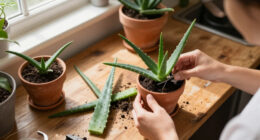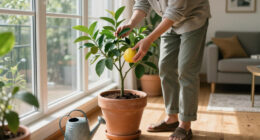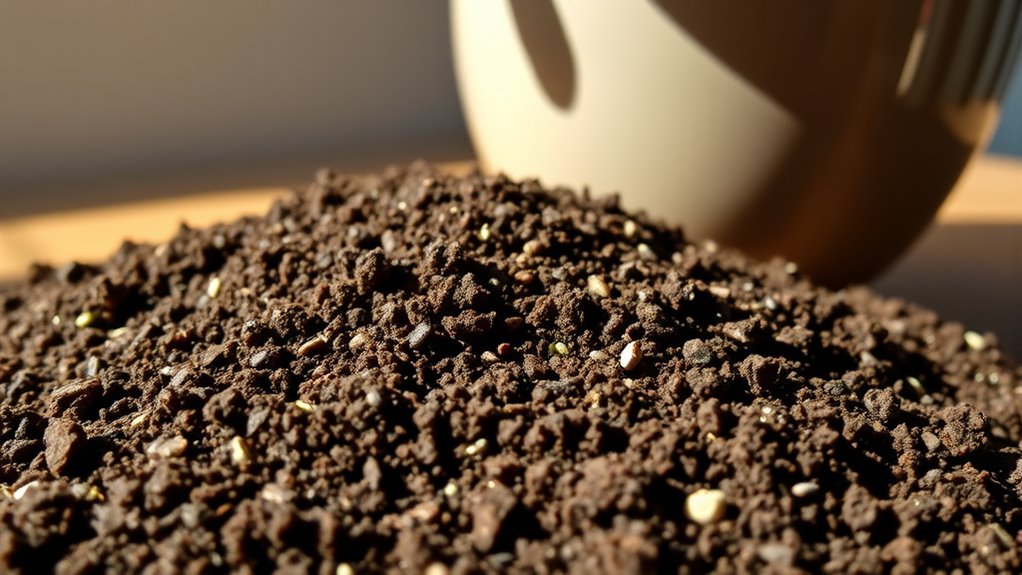

Well-draining potting mix means your indoor plants get the right balance of water movement and air flow. It includes materials like perlite, pumice, or bark that create air pockets, allowing excess water to escape and preventing root rot. The mix also retains enough moisture for healthy growth while maintaining proper pH for nutrient absorption. Understanding these chemistry essentials helps you craft the perfect environment for your plants to thrive—stick around to learn more about making that happen.

Get the little things that make your day delivered free — and shop member deals
- Fast, free delivery on millions of items
- Access to Prime Big Deal Days deals on October 6–7
- Prime Video, Amazon Music and more included
Key Takeaways
- Well-draining potting mix allows excess water to flow freely while retaining enough moisture for roots.
- Components like perlite, pumice, and coarse sand create air pockets that promote drainage and aeration.
- A proper balance between water-retaining organic matter and drainage materials prevents over- or under-watering.
- The chemistry, including pH and material properties, influences water movement, nutrient availability, and root health.
- Adjusting pH with lime or sulfur ensures optimal nutrient absorption in a well-draining indoor potting mix.
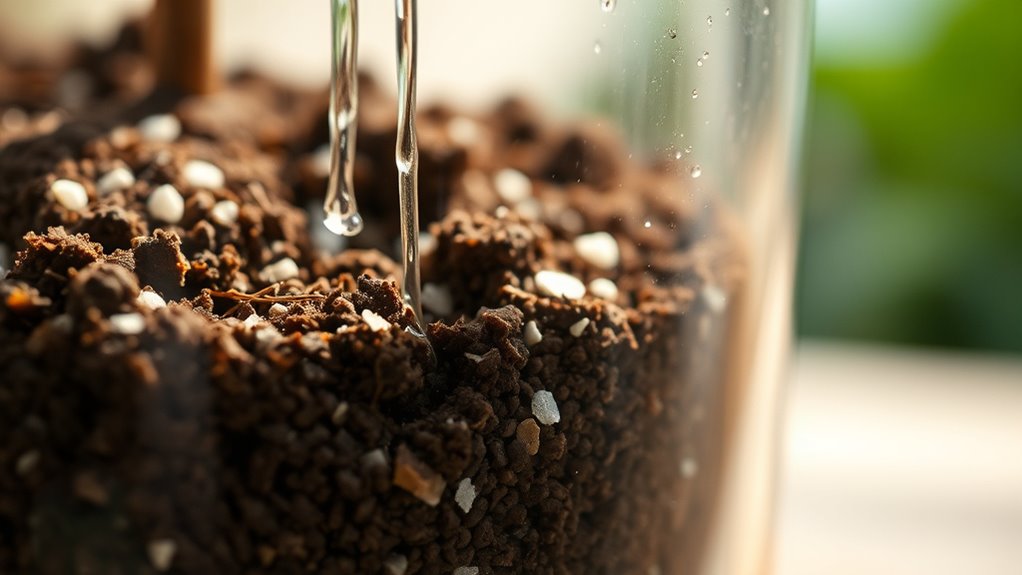
Understanding potting mix chemistry is essential for creating a healthy environment for your plants. When you choose or prepare a potting mix, you’re not just picking something that looks good or feels right—you’re selecting a blend that influences how well your plants grow, how much they thrive, and how resilient they are against problems. One of the most important aspects of this chemistry is ensuring your mix is well-draining. But what does that really mean for indoor gardening? It’s about more than just avoiding soggy soil; it’s about creating a balance that allows excess water to escape quickly while still retaining enough moisture and nutrients for your plants to stay healthy.
Creating a well-draining potting mix balances water escape with moisture retention for healthy indoor plants.
A well-draining potting mix typically contains ingredients like perlite, pumice, coarse sand, or bark. These materials create tiny air pockets within the soil, preventing water from pooling around roots. When you water your plants, the excess should flow freely through the medium and out of the drainage holes, preventing waterlogging. If your mix doesn’t drain well, roots can suffocate and rot because they’re deprived of oxygen. Over time, this can lead to a host of problems, including fungal infections and weakened plant growth.
But simply adding coarse components isn’t enough—you need the right balance. Too much drainage material can cause your soil to dry out too quickly, forcing you to water more often and possibly leading to drought stress. Conversely, a mix that retains too much water can drown your plants’ roots, increasing the risk of root rot and other diseases. The key is understanding the chemistry behind these materials: they influence water retention, aeration, and nutrient availability. For instance, perlite is lightweight, inert, and holds minimal water, making it ideal for quick drainage. On the other hand, organic matter like peat or coconut coir retains moisture but can also improve nutrient retention if balanced correctly.
You also need to contemplate the pH level of your mix, as it affects nutrient availability. Most indoor plants prefer a slightly acidic to neutral pH (around 6.0 to 7.0). Adding amendments like lime or sulfur can adjust pH levels, optimizing the mix for your specific plants. Remember, the chemistry of your potting mix directly impacts how your plants absorb nutrients, how often you need to water, and the overall health of your indoor garden. By understanding and controlling these chemical properties, you set the stage for thriving plants and a rewarding gardening experience indoors.
As an affiliate, we earn on qualifying purchases.
Frequently Asked Questions
How Often Should I Repot My Indoor Plants?
You should repot your indoor plants every 1 to 2 years, or when they outgrow their current container. Look for signs like roots circling the pot’s surface or slowed growth, which indicate it’s time. Repotting refreshes the soil, promotes healthy root development, and prevents root rot. Choose a slightly larger pot with good drainage, and use fresh well-draining soil to make certain your plants thrive indoors.
Can I Customize My Potting Mix for Specific Plants?
For example, if you’re growing succulents, you can customize your mix by adding more coarse sand and perlite to improve drainage. You might also include some organic matter for nutrients. Adjusting proportions based on your plant’s needs guarantees ideal health. Experimenting with different components allows you to create the perfect environment, making your indoor gardening more successful and tailored to each plant’s unique preferences.
What Are Signs of Poor Drainage in Indoor Pots?
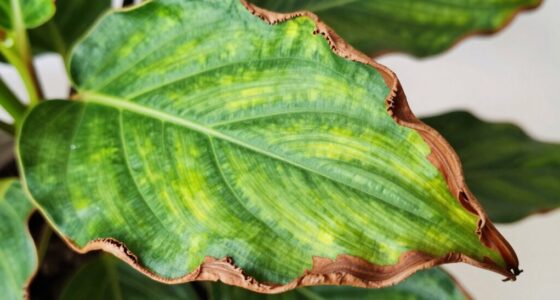
If your indoor pots have poor drainage, you’ll notice water pooling on the surface or taking a long time to drain after watering. The soil may stay soggy, and roots might rot or smell foul. You could also see yellowing or wilting leaves, which signal root health issues. To fix this, check your drainage holes, avoid compacted soil, and consider adding coarse materials like perlite or gravel to improve flow.
Are Synthetic Amendments Beneficial or Harmful?
Synthetic amendments are like fast-track tickets—they can boost drainage and aeration, which benefits your plants. However, they might also harm soil life and cause imbalance if overused. You should use them sparingly and combine with organic matter to guarantee healthy, sustained growth. Always monitor your plants’ response and adjust accordingly. When used wisely, synthetic amendments can be beneficial, but overreliance could lead to long-term issues.
How Does Pot Size Affect Drainage and Soil Chemistry?
When you choose a pot size, larger containers give roots more room to grow and help prevent water from pooling, which improves drainage. Smaller pots can cause water to stay longer, risking soggy soil and poor soil chemistry. Opt for a pot with drainage holes, and don’t forget to use well-draining soil. This way, you keep roots healthy, promote proper aeration, and maintain balanced soil chemistry for thriving plants.
As an affiliate, we earn on qualifying purchases.
Conclusion
Understanding potting mix chemistry helps you create the perfect environment for your indoor plants. While “well-draining” often gets misunderstood as simply quick water flow, it’s really about a balanced mix that retains enough moisture without drowning roots. Don’t fall for the myth that all soils drain equally; instead, choose or craft a mix tailored to your plant’s needs. With this knowledge, you’ll boost your plant’s health and enjoy greener, happier indoor spaces.
As an affiliate, we earn on qualifying purchases.
organic potting soil for houseplants
As an affiliate, we earn on qualifying purchases.
As an affiliate, we earn on qualifying purchases.
Halloween Picks
halloween
As an affiliate, we earn on qualifying purchases.